





 Portuguese
  English
  Spanish
  4 min of reading
  2 comments




Never The Prettiest Car Is The Most Reliable. Many Models, Despite Questionable Design, Have Become References In Resistance And Long Lifespan. We Will See A List Of Three Ugly Cars, But With Excellent Mechanics
Not every car needs to be beautiful to be a good deal. Some models, despite their questionable design, with many people calling them ugly cars, have gained fame for their mechanical reliability and durability above the average.
While many vehicles impress with their looks, these three challenge aesthetic standards, but deliver resistance and long lifespan, making them smart choices for those looking for a car that can withstand the test of time for years.
Let’s talk about three cars that haven’t won design awards but usually don’t give their owners much trouble.
-
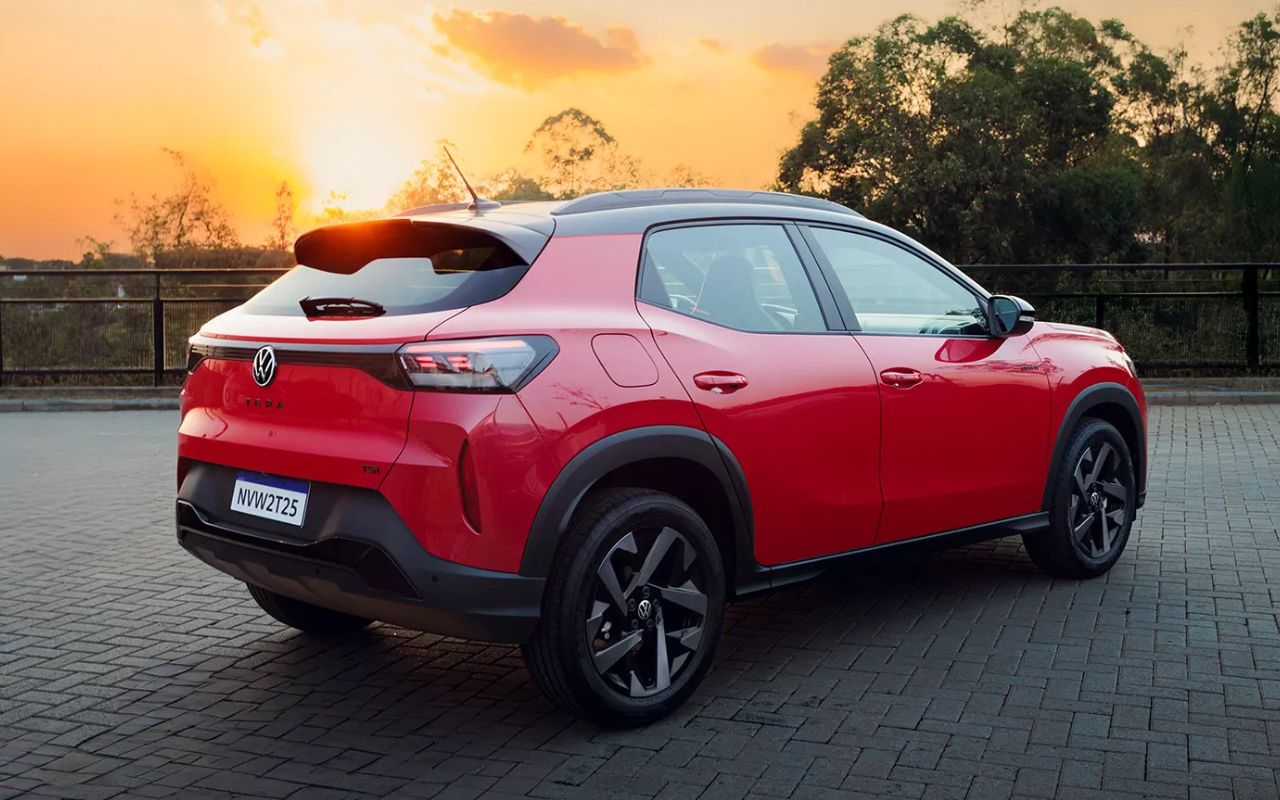
It surpassed the T-Cross, Creta, and Tracker: with nearly 8,000 units sold, the Volkswagen Tera was the best-selling SUV in March 2026.
-
Honda performs miracles in fuel consumption with a hatch that marks 13.2 km/l in the city and 15 km/l on the highway, leaving Polo, HB20, 208, and Onix behind and becoming a reference among compact cars without resorting to turbo or hybrid systems.

-
Six diseases that seem common but can prevent the renewal of the driver’s license for the elderly throughout Brazil and surprise experienced drivers — could any of them affect you without showing clear signs?

-
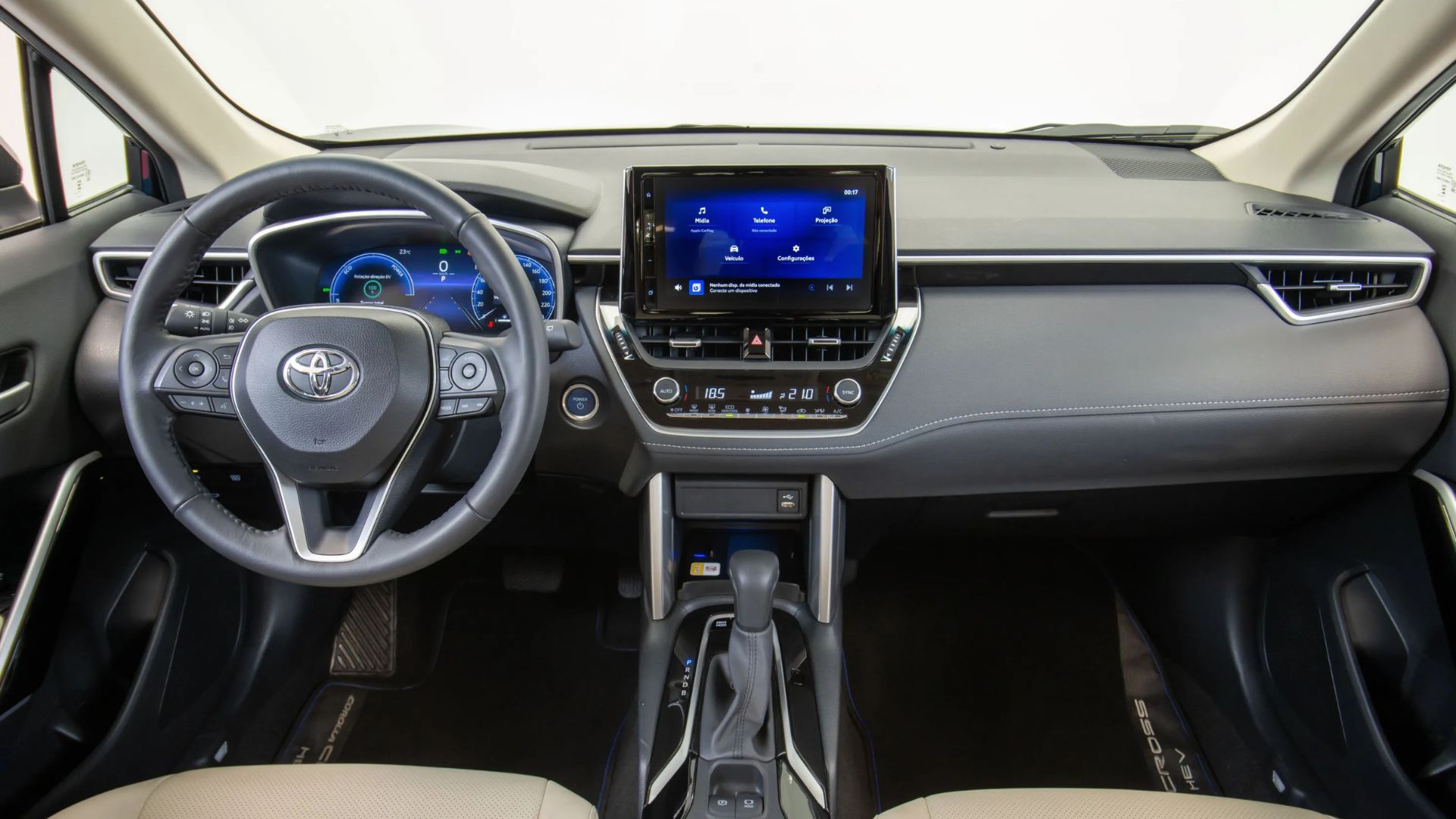
With 122 hp, fuel consumption of up to 17.7 km/l, and a trunk capacity of 440 liters, this hybrid SUV impresses even though it costs up to R$ 47,000 more than the Yaris — meet the Toyota Corolla Cross.

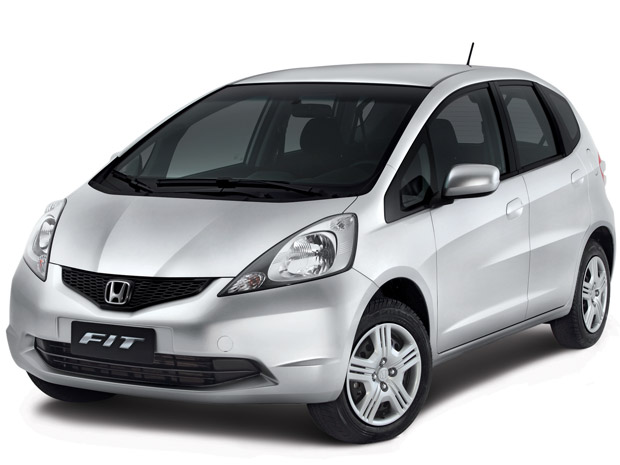
Honda Fit 2013
The Honda Fit has never been a consensus when it comes to design. With a shape reminiscent of a compact minivan, the model has always prioritized functionality over beauty.
The 2013 version, in particular, follows this line. Its design may seem bland to some, but its engine and transmission are nearly indestructible.
Regardless of the version, the 2013 Fit features either a 1.4 or 1.5 i-VTEC engine, paired with a reliable automatic transmission, as well as a manual option.
The secret to the longevity of this model lies in the quality of the materials and Japanese engineering.
Drivers who perform preventive maintenance properly tend to drive hundreds of thousands of kilometers without significant issues.
Another positive point of the Fit is its well-utilized interior space. Even though it is a compact car, its 384-liter trunk and modular seats make it a practical choice for families and drivers who need versatility in their daily lives.
If the idea is to have a durable, economical, and spacious car, it is an excellent choice.
Toyota Etios
If there is a car that exemplifies the maxim “what it lacks in beauty it makes up for in reliability”, that car is the Toyota Etios.
Launched in Brazil in 2012, the model was designed for emerging markets and has never hidden its simple proposition.
The rounded design, featuring a front without many details and a minimalist interior, displeased many consumers, but the model’s durability has won over a legion of fans.
Toyota has always been recognized for the mechanical reliability of its vehicles, and the Etios is no exception.
Its 1.3 or 1.5 engine, paired with a manual or automatic transmission, ensures low maintenance costs and extreme durability. This is a car that rarely presents chronic problems and, if well cared for, can last for decades without significant expenses.
Another point that makes the Etios a champion of reliability is its uncomplicated mechanical design. Unlike modern models that rely heavily on electronics, it has a simple structure, which makes repairs easier and reduces costs.
It is no wonder that it has become popular among fleet operators and ride-hailing drivers. After all, those who work with their cars know that staying in the shop means losses.
Nissan Versa
The Nissan Versa is another model that doesn’t win beauty contests but is practically a tank when it comes to mechanical resistance.
Its design has always divided opinions, especially in the older versions, which had an uninspired body and a high profile that seemed disproportionate.
What it lacks in design, the Versa makes up for in interior space. Its rear seat is one of the most spacious in the category, ensuring comfort for passengers. This has made the model a popular choice among taxi drivers and ride-hailing drivers.
With a spacious trunk and efficient fuel consumption, it suits those who need a practical and reliable sedan.
Mechanically, the Versa is one of the most durable cars in the segment. Its 1.6 engine paired with a manual or CVT transmission delivers competent performance and affordable maintenance. Reports from owners reinforce that the car rarely experiences severe failures, bolstering its reputation for reliability.
Why Are These Ugly Cars So Reliable?
The three models mentioned have something in common: simple and robust mechanics. Unlike modern vehicles that rely on advanced (and often problematic) technological solutions, the Fit, Etios, and Versa focus on well-executed basics. Turbo-free engines, conventional transmissions, and designs tested for years make these models more resistant to the wear and tear of time.
Moreover, brands like Honda, Toyota, and Nissan have a solid history of quality and durability. The commitment of these automakers to high-standard parts and precise engineering directly reflects the longevity of their vehicles.
Is It Worth Buying An Ugly But Reliable Car?
The answer depends on what the driver values. If the priority is a car that lasts many years, with low maintenance and no headaches, these models are sure bets.
Although they may not catch attention for their design, they compensate in economy and peace of mind on the road.
In a market where new models are becoming increasingly expensive and full of sensitive electronics, betting on a simple and durable car may be the best financial decision.
In the end, a beautiful car may attract looks, but a reliable car avoids losses and headaches.
If the idea is to drive for years without frequenting workshops, it may be time to reconsider the importance of aesthetics and give a chance to these “ugly ducklings” of the automotive industry.









Esqueceram tambem do Citroën C3.
Bom dia. Excelente reportagem em todos os aspectos. Parabéns.