





 Portuguese
  English
  Spanish
  6 min of reading
  0 comments


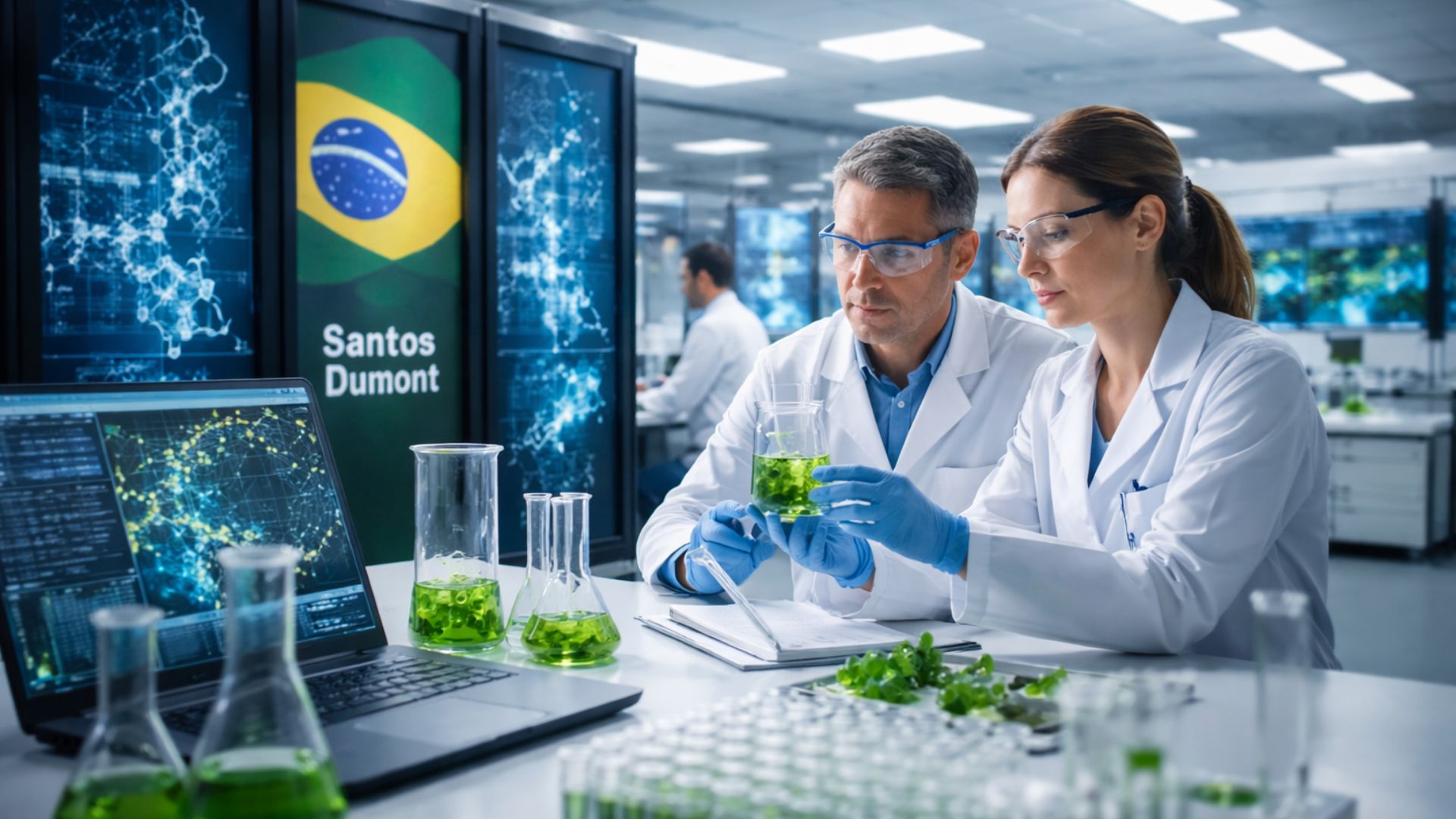
Researchers Reveal How a Molecular Tool Analyzed with the Santos Dumont Supercomputer Can Transform Agro-Industrial Waste into Clean Energy, Opening the Way for More Efficient Biofuels and Sustainable Solutions in Brazil.
A new molecular tool identified by Brazilian and foreign scientists can transform agro-industrial waste into clean energy, expanding the possibilities for biofuel production and strengthening the bio-economy.
According to a publication by the National Laboratory of Scientific Computing – LNCC on March 9th, the discovery was made possible thanks to advanced laboratory experiments combined with computational modeling performed on the Santos Dumont supercomputer, one of Brazil’s main scientific supercomputers.
Clean Energy Study Brings Together Scientists from Multiple Countries Including Brazil
The study brings together researchers from different scientific institutions in Brazil and abroad. The research was led by Mario T. Murakami from the National Laboratory of Bio-renewables at the National Center for Research in Energy and Materials (CNPEM) and included the participation of experts from the National Synchrotron Light Laboratory (LNLS), the National Nanotechnology Laboratory (LNNano), and various international universities.
-
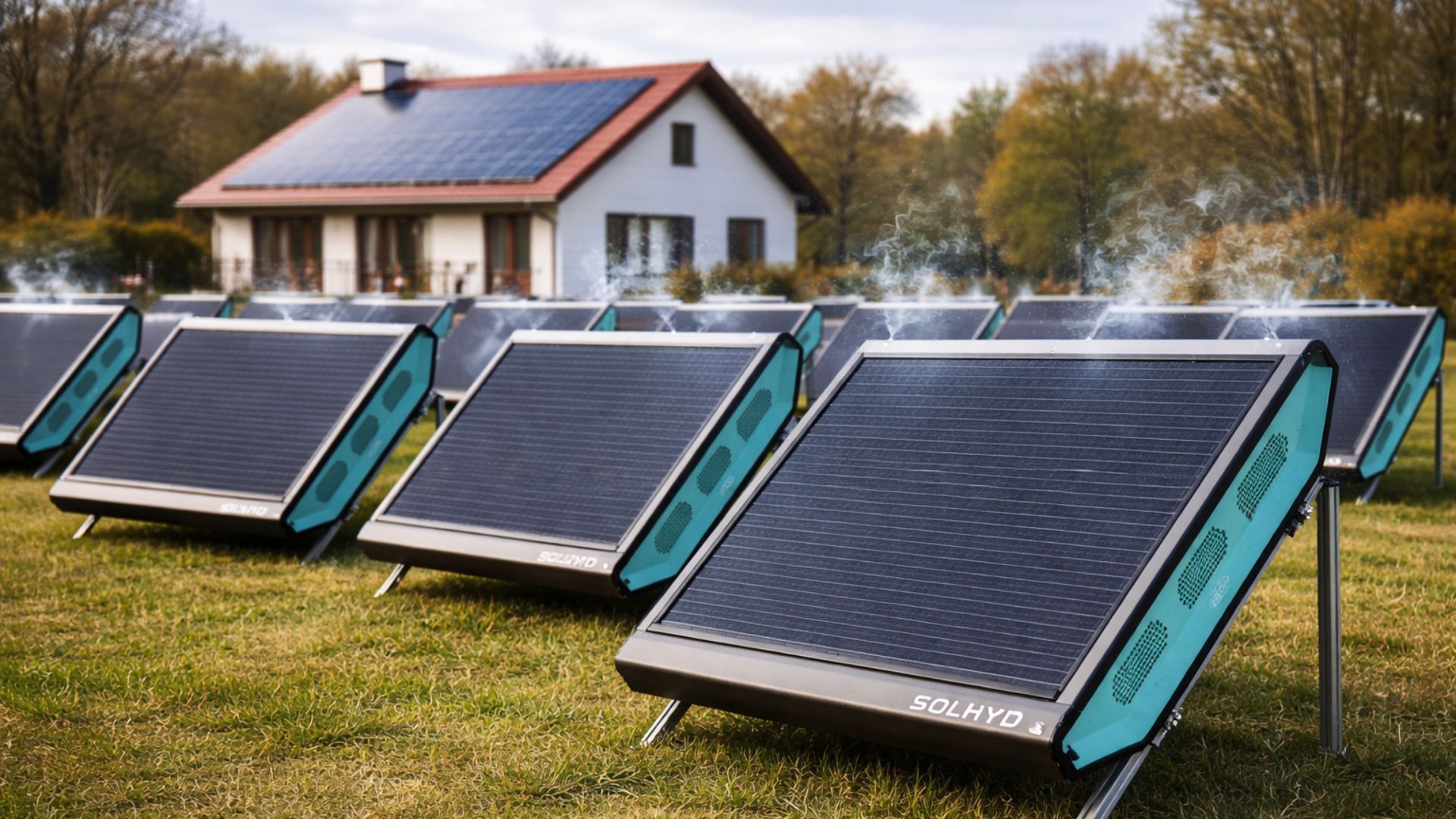
Green hydrogen at home: Belgium launches new technology that makes solar panels produce fuel from the moisture in the air, which could boost the energy transition.
-
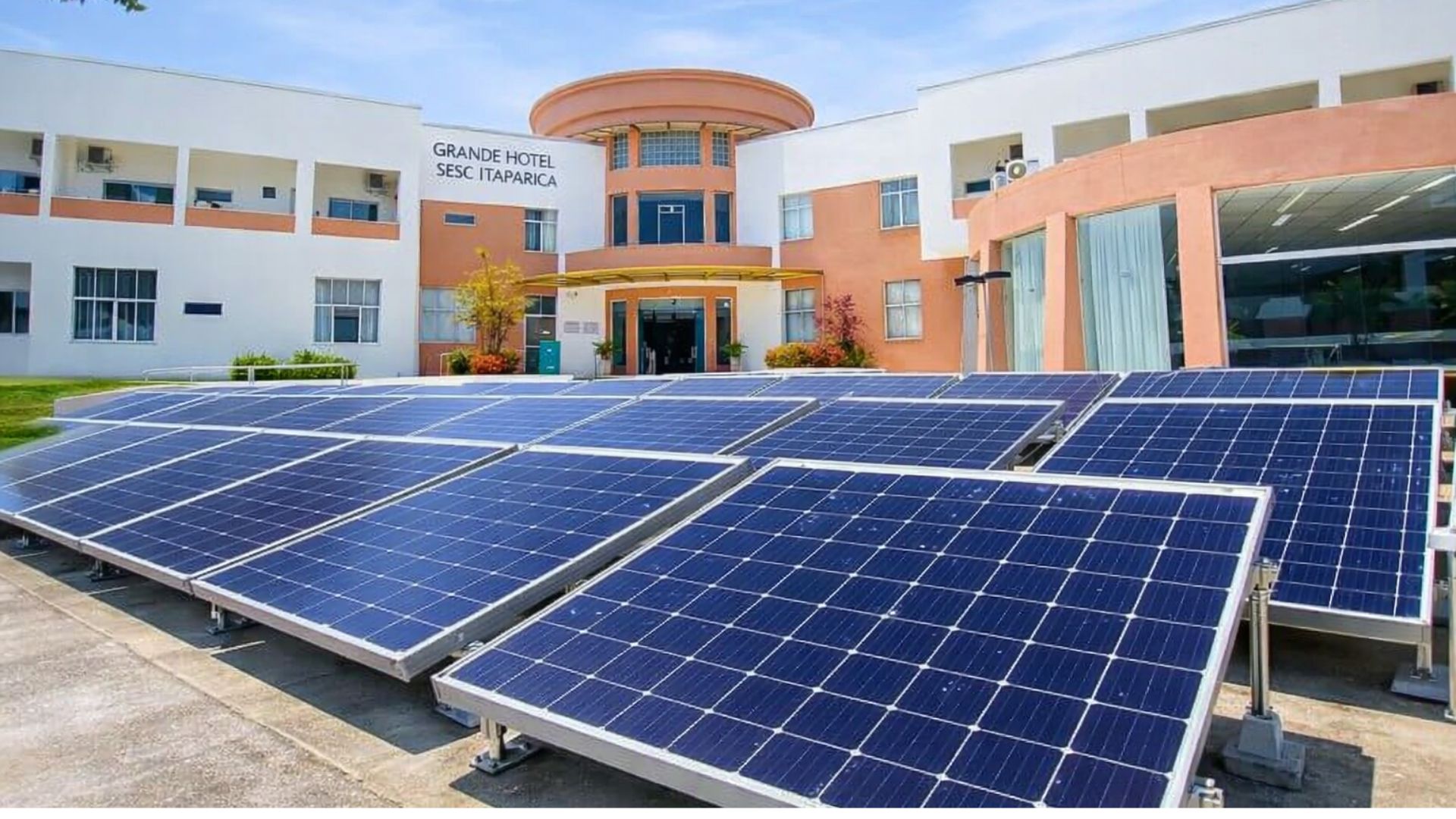
Sesc-BA bets on renewable energy with the support of EDP and drives the energy transition with a direct impact on cost reduction and the sustainability of its operations in Bahia.
-
Technology giant breaks global sustainability records: How Amazon’s leadership in renewable energy procurement transformed the global energy market in the past year.

-
Alert in the electric sector: Atlas Renewable Energy confirms billion-dollar investment and Brazil risks losing a share of the new investment in Latin America to neighboring countries.

Among the collaborators are scientists from Aix-Marseille University, the National Institute for Agricultural Research (INRA), the National Center for Scientific Research (CNRS), the University of São Paulo (USP), and the Technical University of Denmark. The integration between laboratories and research centers allowed for the unification of molecular biology, biochemistry, and scientific computing in a high-impact study.
The computational analyses that helped understand the enzyme’s functioning were performed with the Santos Dumont supercomputer, located at the National Laboratory of Scientific Computing (LNCC), linked to the Ministry of Science, Technology and Innovation. The equipment enabled detailed simulations at the atomic scale.
The research results were published in the scientific article “A metagenomic ‘dark matter’ enzyme catalyses oxidative cellulose conversion,” released by Nature, one of the world’s most prestigious scientific publications.
Molecular Tool Reveals New Natural Strategy for Degrading Cellulose
The molecular tool discovered by the researchers is a novel metal enzyme capable of directly acting on the degradation of cellulose. This compound is the main structural component of plant materials such as sugarcane bagasse, corn straw, and wood chips, typical examples of agro-industrial waste.
Cellulose is considered the most abundant biopolymer on Earth. Despite its great potential as a source of fermentable sugars for biofuel production, its highly organized and resistant structure makes it difficult to break down in industrial processes.
This technological challenge is one of the main obstacles to increasing the production of renewable fuels from biomass. The new molecular tool emerges precisely as a natural alternative capable of overcoming this barrier.
Scientists identified a microorganism specialized in degrading plant biomass and, within it, an enzyme previously unknown. This discovery broadens the understanding of how nature decomposes plant materials and opens new perspectives for industrial applications.
By acting selectively on the cellulose structure, the molecular tool promotes the controlled oxidation of the molecule. This process facilitates the conversion of biomass into compounds that can be used in the production of clean energy.
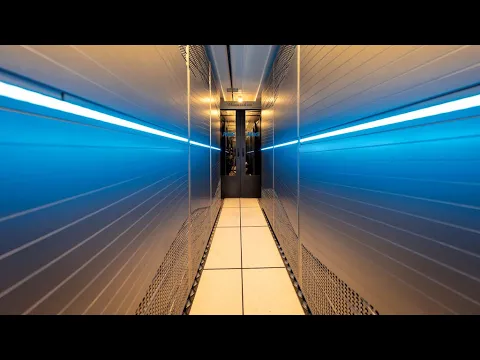

How the Santos Dumont Supercomputer Allowed Revealing the Enzyme Structure
The role of the Santos Dumont supercomputer was essential in uncovering the functioning of the new enzyme. The simulations performed on the equipment allowed analyzing, at an atomic level, how the molecular tool interacts with cellulose chains.
This type of computational modeling is fundamental to understand complex chemical reactions that cannot be directly observed in the laboratory. The Santos Dumont supercomputer has the capacity to perform trillions of calculations per second, enabling highly detailed simulations.
Thanks to these analyses, researchers discovered that the enzyme has a surprising structure. It functions as an integrated double system that performs two complementary functions during the biomass degradation process.
One part of the molecular tool is responsible for producing hydrogen peroxide, a substance essential for the chemical reaction. The second part contains a copper metal ion that executes the oxidative attack directly on the cellulose structure.
This coordinated action makes the conversion process more efficient. The mechanism works as if the enzyme “unrolled” the cellulose chain gradually, facilitating its transformation into smaller molecules that can be harnessed in industrial processes.
Conversion of Agro-Industrial Waste into Clean Energy Gains New Impetus
The utilization of agro-industrial waste is considered one of the most promising strategies to increase the production of clean energy worldwide. Materials that were previously discarded can become valuable raw materials for biofuels and renewable chemicals.
Among the most common residues used in this type of process are sugarcane bagasse, corn straw, and wood waste from the forestry industry. All these materials have a high cellulose content.
With the use of the new molecular tool, scientists managed to produce exclusively cellobionic acid during the cellulose conversion process. This molecule has industrial interest and can serve as a basis for the production of biofuels and other bioproducts.
This advancement can make the conversion of agro-industrial waste into renewable fuels more efficient. By reducing the difficulty of degrading cellulose, the technology helps to better utilize the available biomass. The research also demonstrates the potential of the combination between biotechnology and scientific computing. The action of the Santos Dumont supercomputer has accelerated the understanding of the enzyme’s structure and its chemical functioning.
Experiments with Fungi Indicate Industrial Potential of the Molecular Tool
To evaluate the applied potential of the discovery, researchers conducted additional experiments involving organisms used in industry. The gene of the new molecular tool was inserted into a fungus already employed in industrial biomass degradation processes.
The tests showed a significant increase in the release of sugars from pre-treated biomass. This result is considered an important step towards enabling the production of second-generation biofuels.
These fuels are produced from agro-industrial waste and do not compete with food production, unlike some agricultural raw materials used for traditional fuels.
By increasing the efficiency of the cellulose degradation process, the new molecular tool can help reduce production costs and improve the yield of biorefineries.
In this scenario, the use of the Santos Dumont supercomputer continues to be essential for new stages of research. Scientists are following up with simulations to better understand the properties of the enzyme and explore new biotechnological applications.
Scientific Advancement Strengthens Brazil’s Role in Bioenergy and the Green Economy
The discovery has relevant implications for the future of bioenergy. Brazil has one of the largest agricultural productions in the world, generating large volumes of agro-industrial waste every year.
The possibility of transforming these materials into clean energy represents a strategic opportunity to expand the renewable energy matrix and reduce environmental impacts. Additionally, the new molecular tool can contribute to strengthening the so-called nature-based economy, where biological resources are used sustainably to generate energy, materials, and industrial products.
The study also highlights the importance of national scientific infrastructure. The Santos Dumont supercomputer is an example of how high-performance computing can accelerate discoveries and expand knowledge about complex biological processes. With new simulations underway, researchers hope to deepen their understanding of the enzyme and explore new application possibilities.
If the results continue to be positive, the molecular tool may become an important component in technologies aimed at the production of clean energy from agro-industrial waste. This line of research demonstrates how the integration of science, technology, and innovation can generate sustainable solutions for global energy challenges.









-

4 pessoas reagiram a isso.