





 Portuguese
  English
  Spanish
  3 min of reading
  0 comments


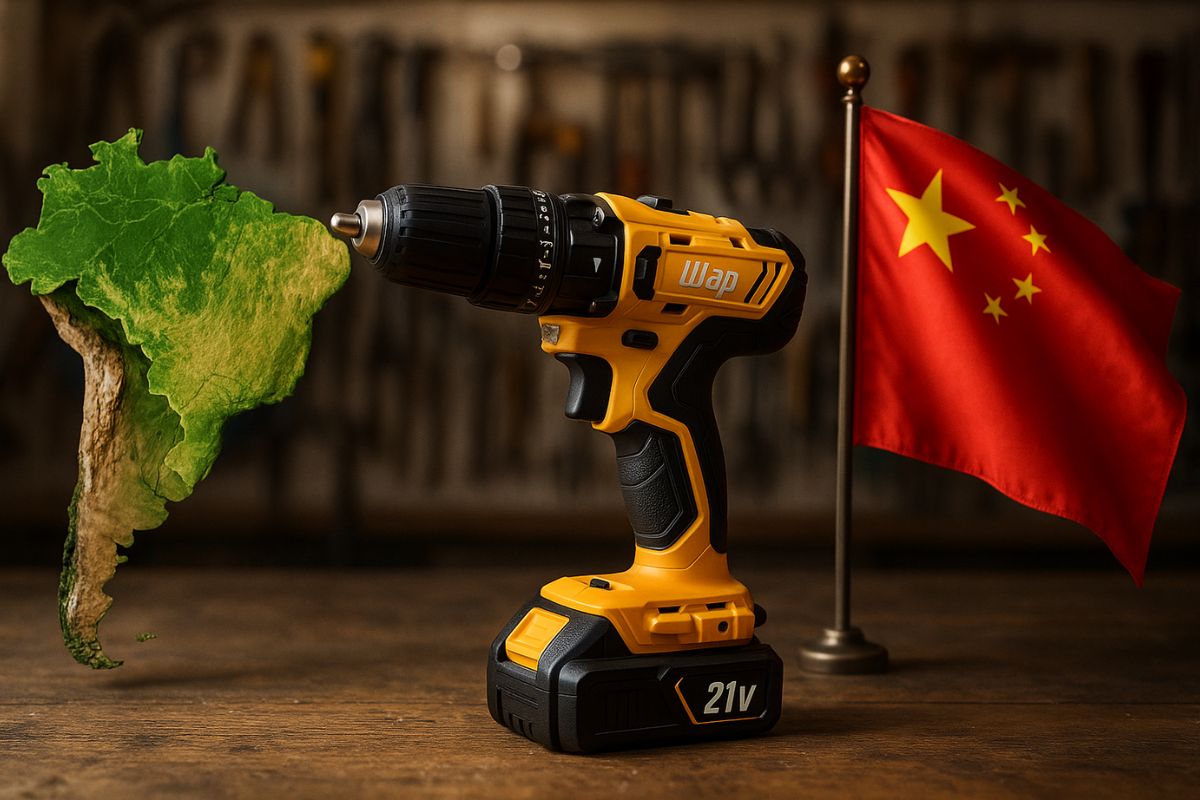
We Analyzed the Re-Branding Practice in the Market and Showed Why the “National” Drill Can Be Identical to the Imported One but Cost Up to 500% More.
Have you ever wondered why two tools from different brands, with almost identical technical specifications, have such a huge price difference? Many consumers trust established brands, believing they are paying for superior quality, durability, and “national” technology. However, a closer analysis reveals an uncomfortable truth: in many cases, you are paying more just for the sticker on the casing.
The practice of importing products, usually from China, and only rebranding them with a local or famous brand is not new, but it has become increasingly common in the power tools market. We opened the hood of these devices and showed why the R$ 800 drill can have the same motor as the R$ 150 one.
The Secret Inside the Casing: The Same Motor, Another Label
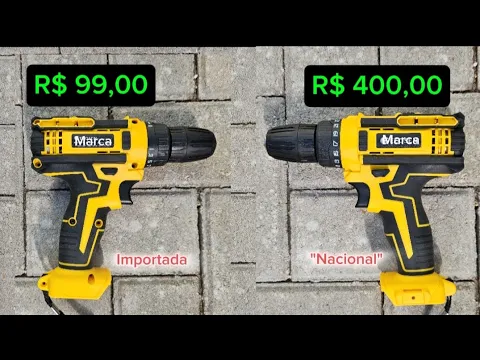

The most compelling proof of this practice lies inside the machines. When disassembling drills, screwdrivers, or grinders from different brands — one claiming to be “national” and another imported directly from China — the surprise is great: the internal components are exactly the same.
-
These living root bridges and ladders are over 700 years old and help indigenous people survive in one of the rainiest regions in the world.

-
From sertanejo star to international investor: Ana Castela invests millions in a mansion in the USA, creates a themed accommodation in Orlando, and shows that the “boiadeira” also wants to grow away from the stage.

-
The 10 most stunning motorhomes in the world: a $3 million trailer with a rooftop nightclub and garage for a Ferrari, “palaces on wheels” with Italian marble, private cinema, and five-star hotel luxury for billionaires.

-
Trump wanted to spend $400 million on the White House, but the courts prohibited the million-dollar construction.


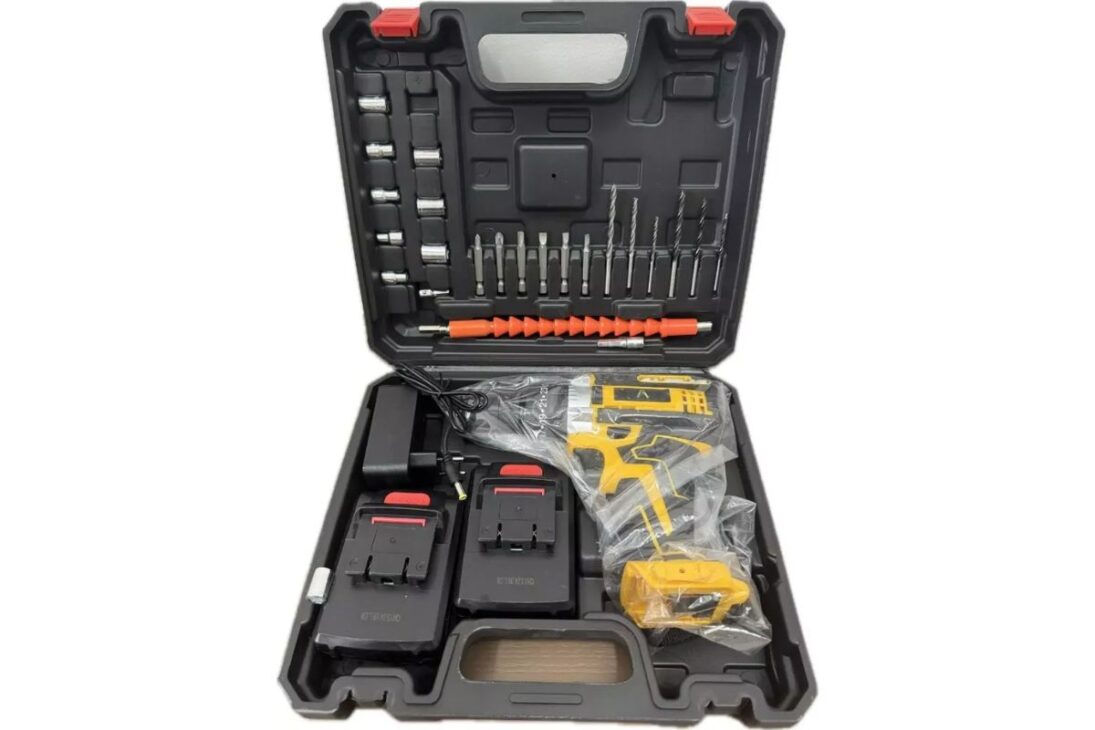
It is common to find the same motor model, the same electronic board, the same trigger, and even the same battery reference (like those of 21V). The only real difference is the plastic color and the printed logo. This happens because many factories in China operate on a white label model, producing a generic item that can be purchased and resold by various companies worldwide, each with its own brand.
Why Is the Price Difference So Large?
If the product is the same, why can one tool cost 500% more than another? The justification from major brands usually relies on three pillars: taxes, warranty, and marketing. However, this calculation doesn’t add up.
Taxes: Every imported tool pays taxes upon entering Brazil. The difference in taxation does not justify such a significant price increase.
Marketing and Structure: The main cost you pay is for the brand’s marketing. Large companies invest millions in advertising, sponsorships, and a large distribution structure, costs which are directly passed on to the consumer in the final price.
Perception of Value: Brands know that consumers tend to associate a higher price with superior quality. They take advantage of this perception to apply huge profit margins on a product that cost very little to manufacture.
In practice, you are not paying for superior engineering, but rather for the “weight” and fame of the brand.
How to Avoid Being Deceived and Choose the Best Tool
To avoid falling into the trap of paying more for the same product, the key is to become a more technical consumer and less attached to logos.
Focus on Technical Specifications: Instead of looking at the brand, compare the data. Check the torque (measured in Nm), voltage (V), and battery amperage (Ah), as well as the motor type (brush or brushless). These are the details that truly define a tool’s performance.
Research Real Comparisons: Look for videos and articles from experts who disassemble the tools. YouTube channels that conduct technical analyses are an excellent source to discover if two machines from different brands share the same components.
Read Other Users’ Opinions: Search for reviews from those who have already purchased and used the tool. The experience of other consumers can reveal much about the durability and actual quality of the product, regardless of the brand.
Consider Cost-Effectiveness: Ask yourself if the tool’s functionality meets your needs. Often, a cheaper and “generic” tool is more than sufficient for home use or hobbies, delivering the same results as one that costs five times more.
In the end, the best tool is not the one from the most famous brand, but the one that provides the performance you need at a fair price.
And you, have you ever felt like you paid a lot for a brand and were disappointed? Or have you ever discovered a “generic” tool that outperformed the branded ones? Share your experience in the comments!








Seja o primeiro a reagir!