





 Portuguese
  English
  Spanish
 4 min of reading
  0 comments



Extreme Heat in Rio de Janeiro Reached Alarming Levels and Caused a SuperVia Train to Derail Due to Rail Expansion. The Temperature on the Rails Reached 71°C, Compromising the Railway Structure.
The high temperatures recorded in Brazil in recent weeks not only affect the health and well-being of the population but also compromise the essential infrastructure for public transportation.
In Rio de Janeiro, a SuperVia train derailed on Thursday (February 20, 2025) due to the expansion of the rails caused by the intense heat.
The phenomenon, known as buckling, occurs when metal expands excessively, compromising the safety of the railway tracks.
-
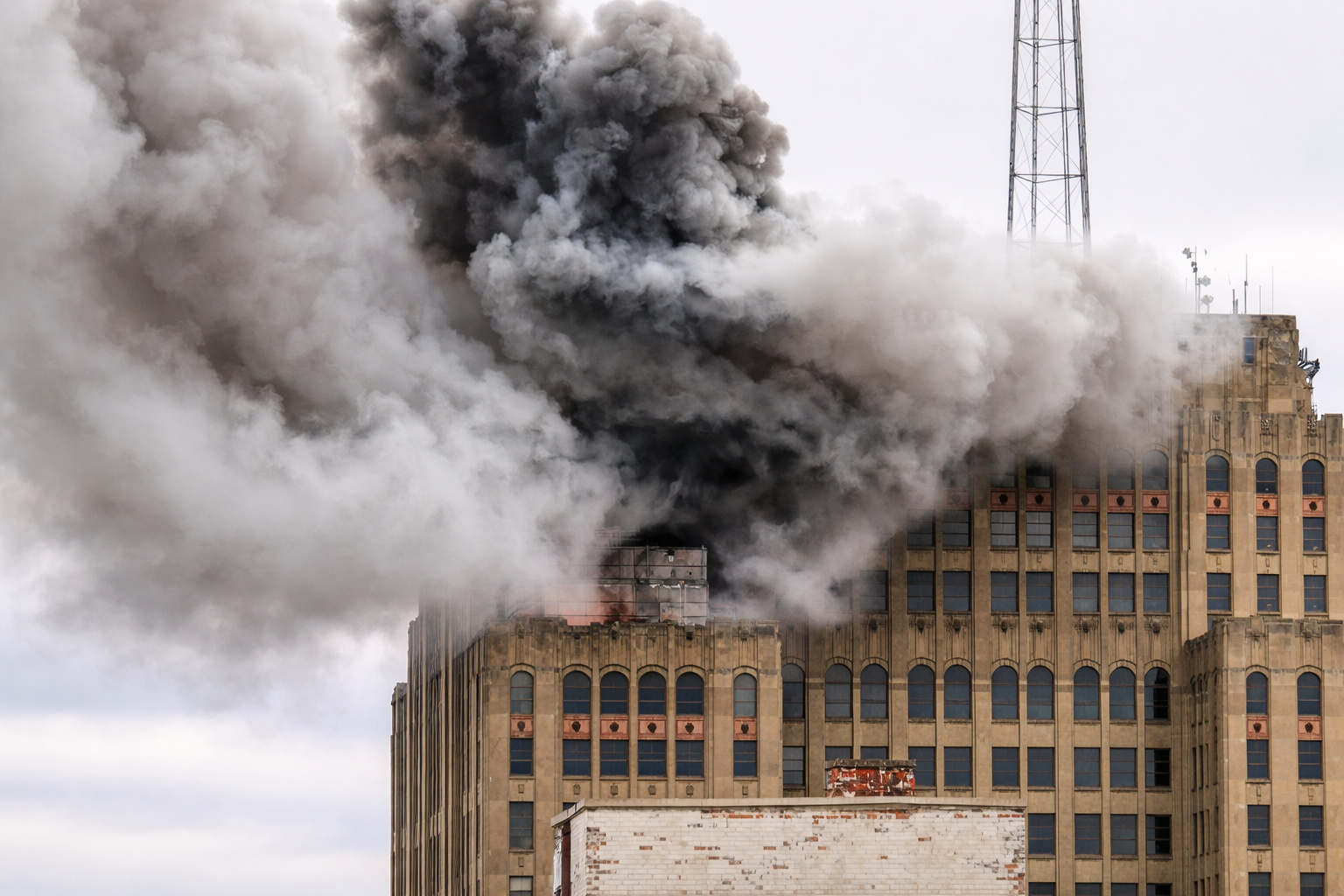
Historic building in the United States reports electrical fire, calls firefighters, and exposes an issue with an appliance that most Brazilians also have at home.
-
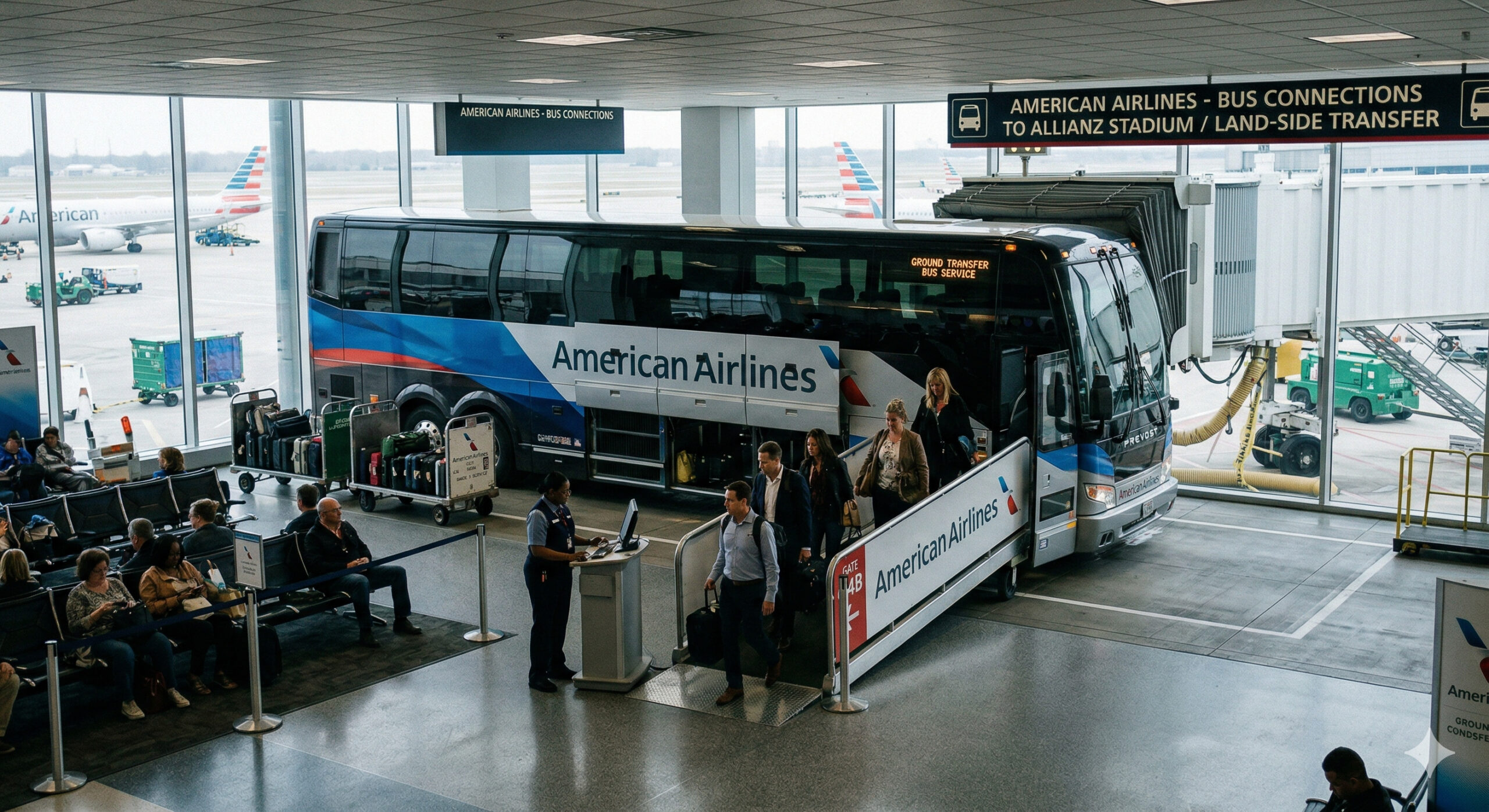
American Airlines starts selling trips as if they were flights, with check-in and baggage check at the airport, but on short routes, passengers board luxury buses connecting cities to major hubs in the U.S.
-
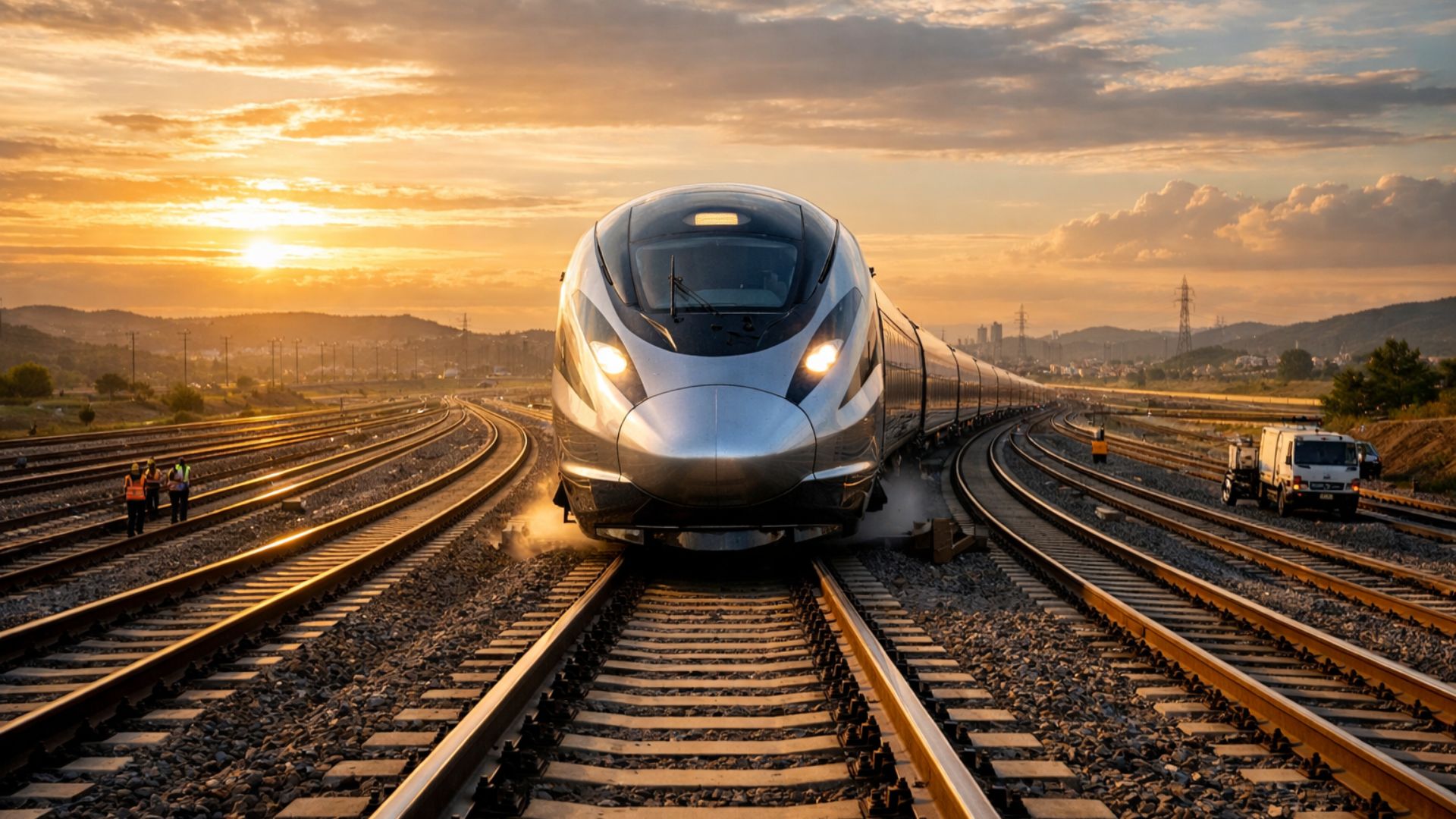
São Paulo surprises the world with a colossal railway network project that promises over 1,000 km of tracks, R$ 194 billion in investments, and 40 projects connecting the capital to the interior with fast and sustainable trains.
-
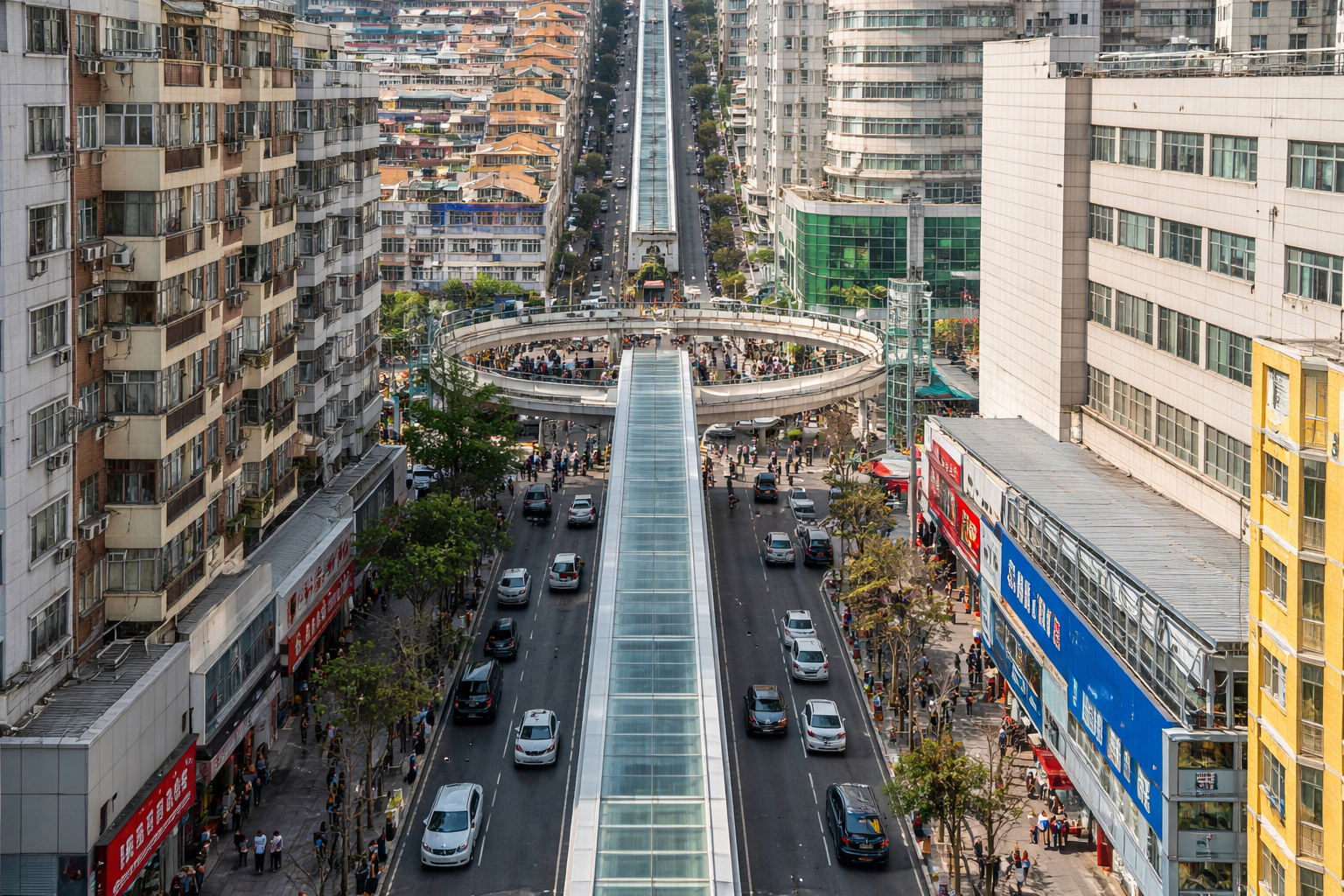
The world’s largest escalator, measuring 905 meters in China, reduces urban travel time from 1 hour to about 20 minutes and transforms mobility in mountainous regions with an engineering solution adapted to the terrain.

The incident occurred on the Guapimirim branch, near the Parque Estrela station in Magé, in the Baixada Fluminense.
According to SuperVia, the company responsible for the service, the temperature on the rails reached an impressive 71°C, surpassing the limits tolerable by the railway structure and causing the deformation of the railway line.
The train, which was traveling between Saracuruna and Guapimirim, was affected by the issue and derailed.
Despite the impact, the company ensured that all passengers were safely evacuated and no injuries were reported.
Technicians were immediately summoned to assess the damage and begin the necessary repairs to restore traffic in the affected section.
SuperVia Explains the Phenomenon of Buckling
On social media, SuperVia released a video explaining the causes of the derailment and detailing the phenomenon referred to as “rail buckling,” a term used to describe the deformation of the rails due to high temperatures.
This type of occurrence is not exclusive to Brazil and has been recorded in other countries during severe heatwaves.
The company emphasized that it regularly monitors the conditions of the railway and reinforced the importance of preventive measures to avoid new similar incidents. Excessive heat can compromise the stability of the railway structure, requiring heightened attention from maintenance teams.
While repairs continue, SuperVia informed that passengers should check official channels for updates on the normalization of the service.
Heat Wave Sets Records in Brazil
The derailment in Rio de Janeiro occurs at a time when Brazil is experiencing an intense heat wave, with temperatures above average in various regions of the country.
According to Climatempo, the World Meteorological Organization considers it a heat wave when thermometers register temperatures at least 5°C above average for five consecutive days.
In recent days, the Southeast region has been particularly affected, with temperature records set in the state of Rio de Janeiro.
According to meteorological data, seven of the highest maximum temperatures recorded in Brazil on Monday (February 17) were in the state of Rio de Janeiro.
The heat wave, which was initially confined to the Southeast, has already spread to the South, Central-West, and Northeast, further raising concerns about its impacts on infrastructure, health, and the quality of life of the population.
Meteorologists warn that high temperatures are expected to persist until at least Monday (February 24).
Impacts of Extreme Heat on Rail Transportation
The rail transport is one of the areas most affected by severe heat waves.
When the temperature of the rails rises beyond expectations, metal expansion occurs, causing deformations that can compromise the stability of trains and increase the risk of derailment.
In countries with extremely hot climates, such as Australia and India, preventive measures are taken to minimize the effects of heat on railways.
Solutions include rail cooling systems, use of heat-resistant materials, and continuous monitoring of temperatures on the tracks.
In Brazil, episodes like this highlight the need for modernization of railway infrastructure to cope with rising temperatures.
Experts warn that, given climate change, such events may become increasingly frequent, requiring investments in new technologies and strategies to ensure public transport safety.
Climate Change and the Future of Transportation in Brazil
The occurrence in Rio de Janeiro reinforces a warning already made by climatologists: climate change is altering temperature patterns and making extreme events more frequent and intense.
In Brazil, where the railway network already faces structural challenges, the impact of heat on tracks and equipment can lead to significant losses.
The federal government and private companies will need to discuss ways to adapt transportation infrastructure to face a harsher climate scenario.
In addition to the railway issue, highways and airports may also suffer impacts due to high temperatures, compromising mobility and safety for the population.
SuperVia has not yet announced a definitive timeline for the completion of repairs, but technicians are continuing efforts to restore operations on the Guapimirim branch.
In the meantime, passengers should prepare for potential delays and changes to train schedules.








Seja o primeiro a reagir!