





 Portuguese
  English
  Spanish
  5 min of reading
  3 comments


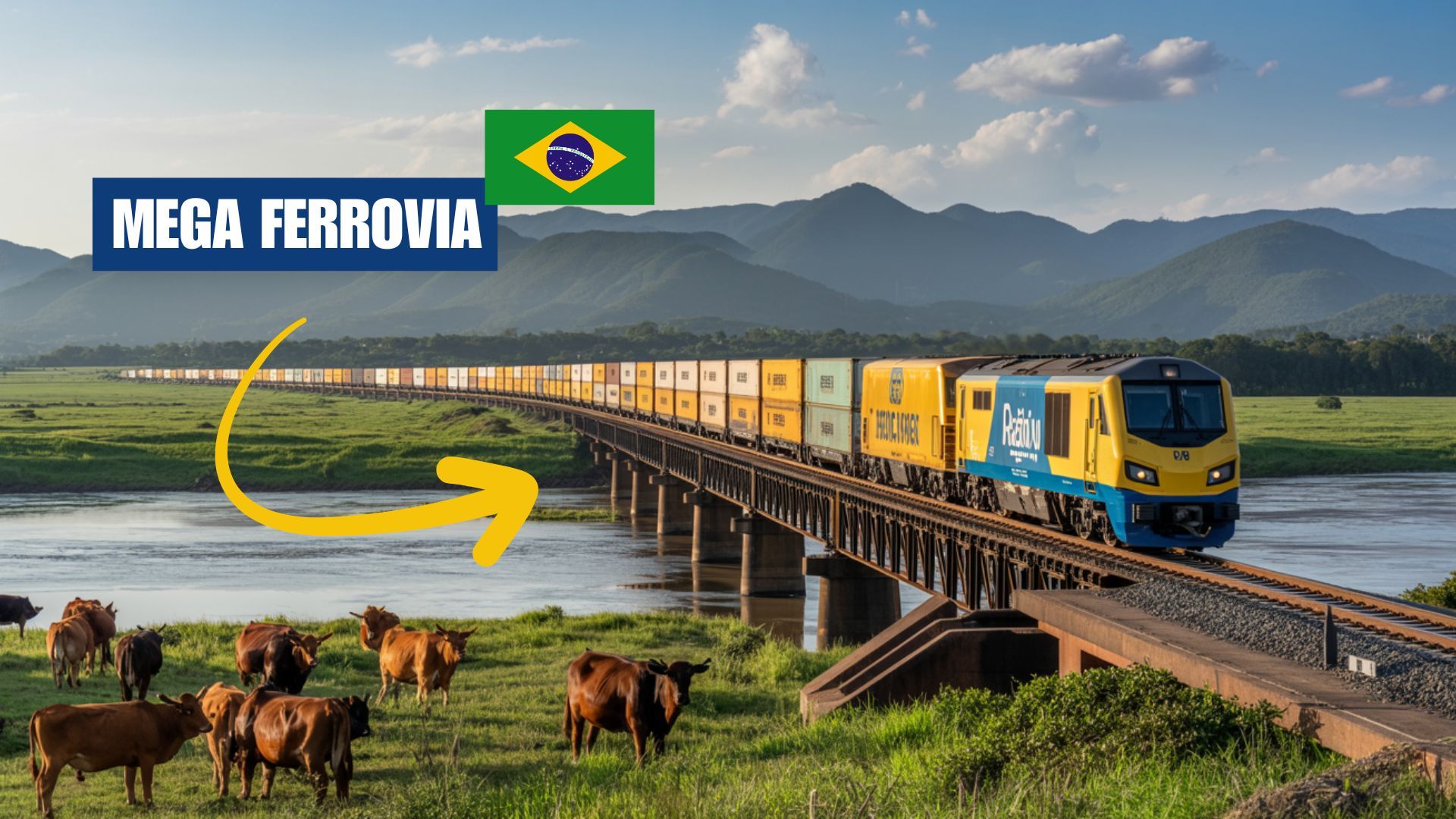


Project of Railway Between Sinop and Miritituba, With 933 Km of Extension, Promises to Revolutionize Agricultural Logistics, Reduce Costs and Environmental Impacts, As Well As Avoid Indigenous Areas and Stimulate the Economy of the Northern Region.
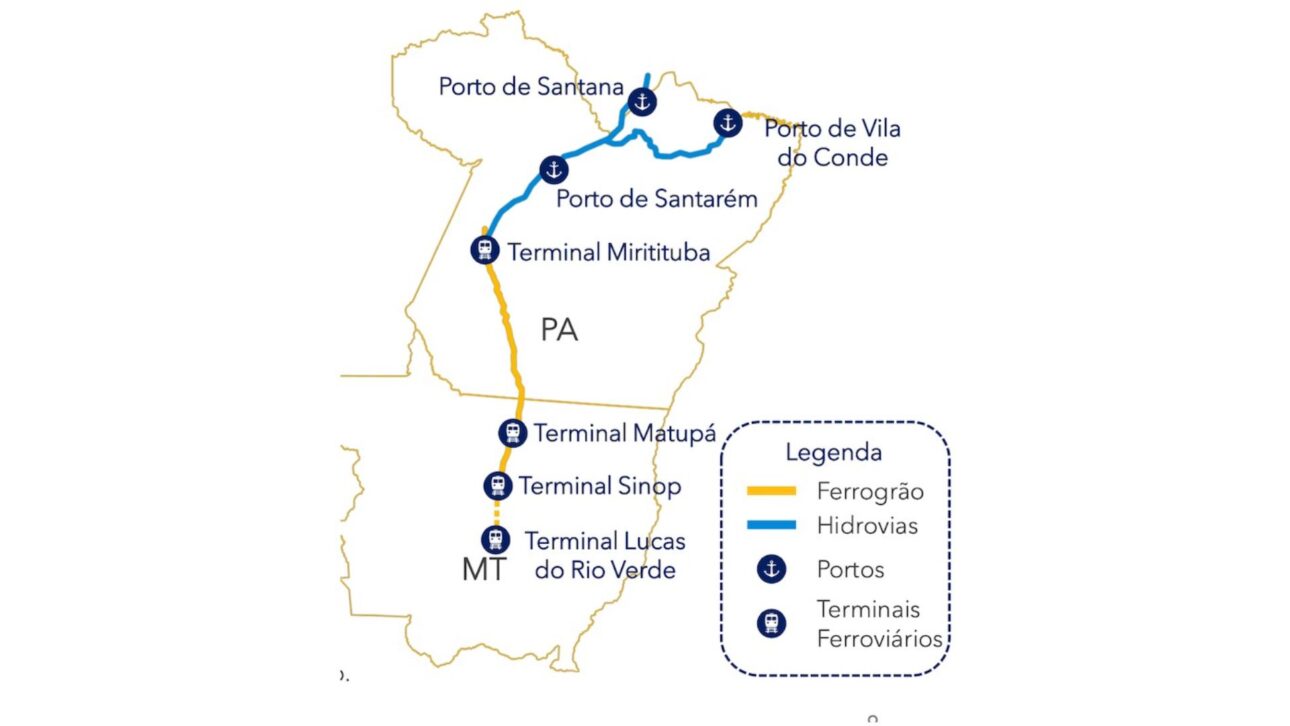
The presentation of the updated Ferrogrão project, a railway of 933 kilometers that will link Sinop in Mato Grosso to Miritituba in Pará, brought to light new details about the infrastructure and impacts of this work considered strategic for national logistics.
According to information from Pensar Agro, the announcement was made during an event in Sinop, and the proposal includes a route that avoids indigenous areas and the Jamanxim National Park, in addition to planning the construction of 65 railway bridges and estimating an annual savings of up to US$ 8 billion for the Brazilian agricultural sector.
Ferrogrão: Environmental Licensing and Construction Schedule
The project, presented by businessman Guilherme Quintela, president of Estação da Luz Participações, responsible for the project’s conception, specifies that Ferrogrão will run parallel to BR-163, the main logistics corridor from the Midwest to the North of the country.
-
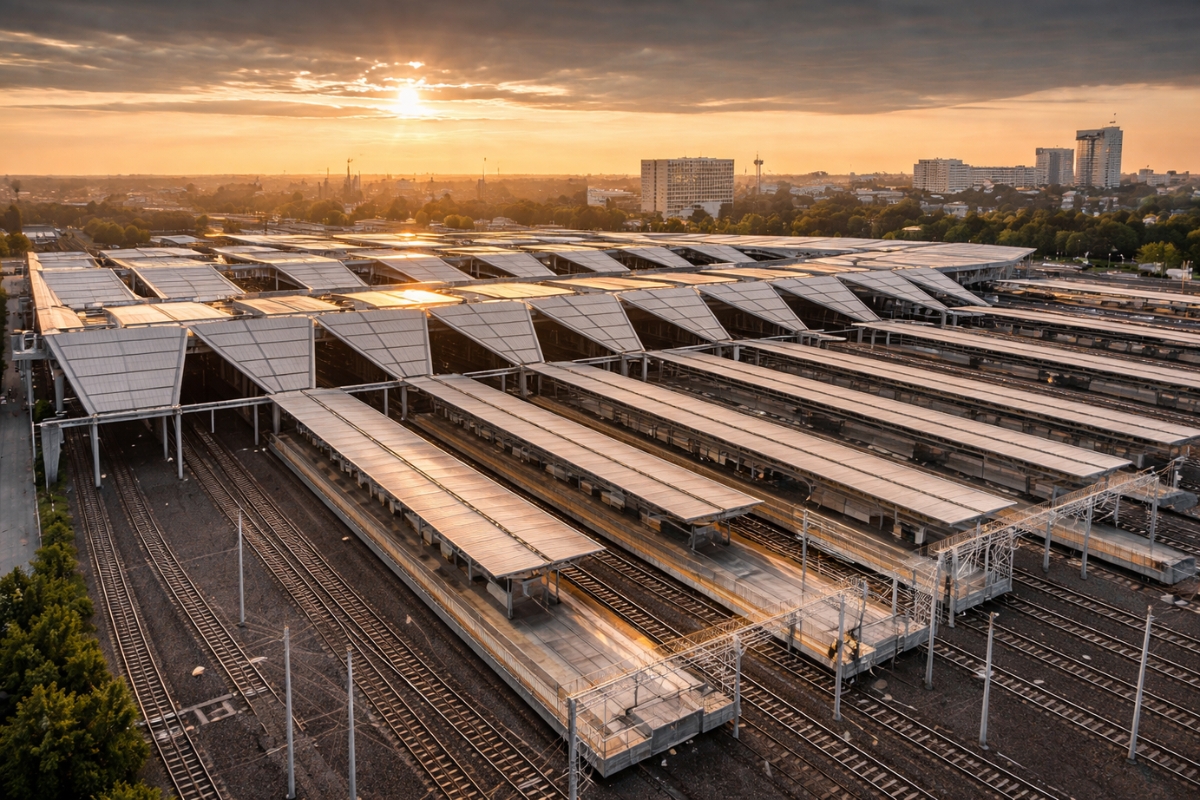
In A European City, The Country’s Largest Railway Junction Was Modernized Without Closing Its Doors, Kept Trains Running During Years Of Construction, Now Serves Up To 60,000 Passengers Per Day, And Installed Solar Panels That Generate About 30% Of Its Energy
-
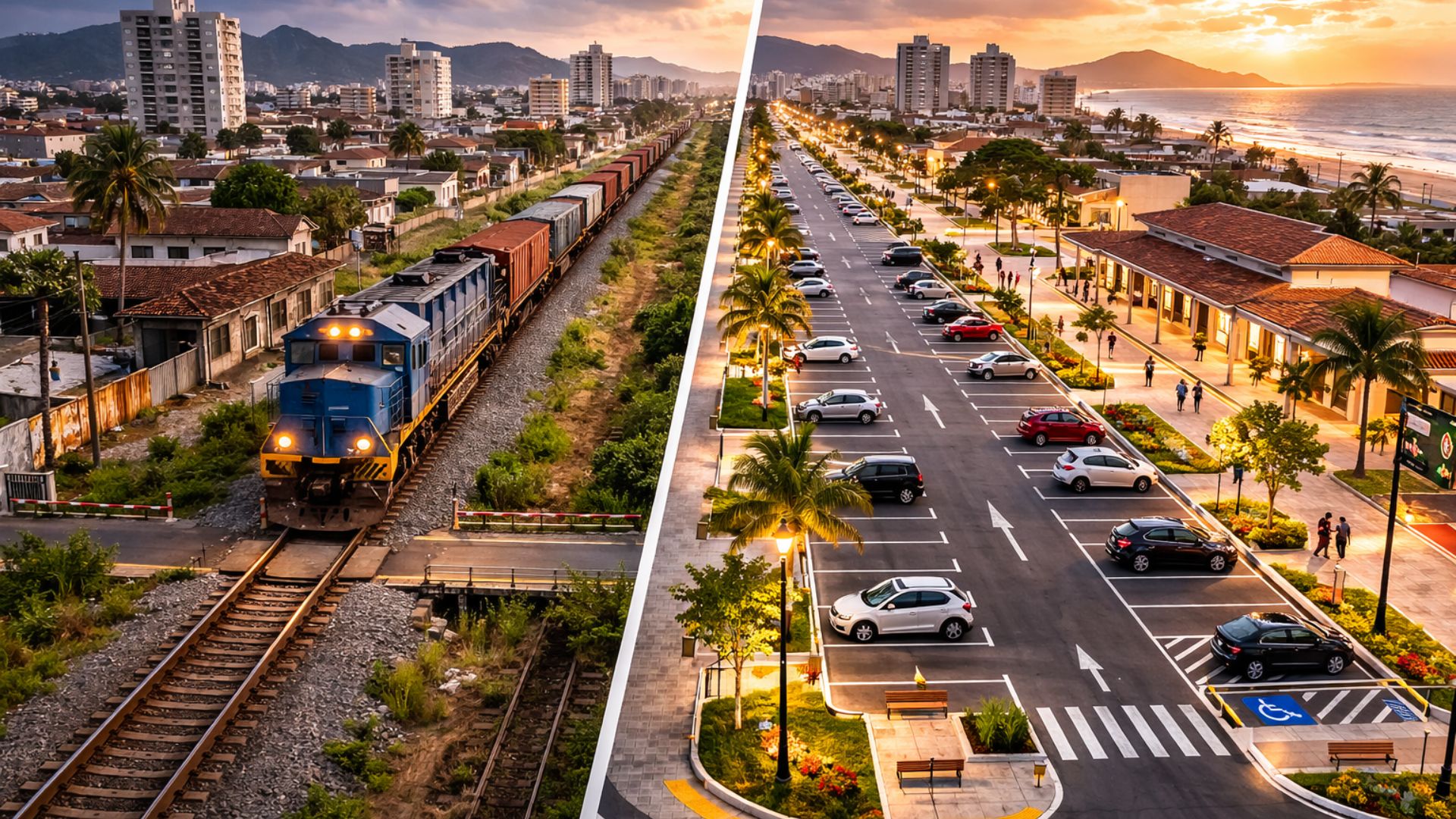
Famous Brazilian Railway May Become a Parking Lot
-
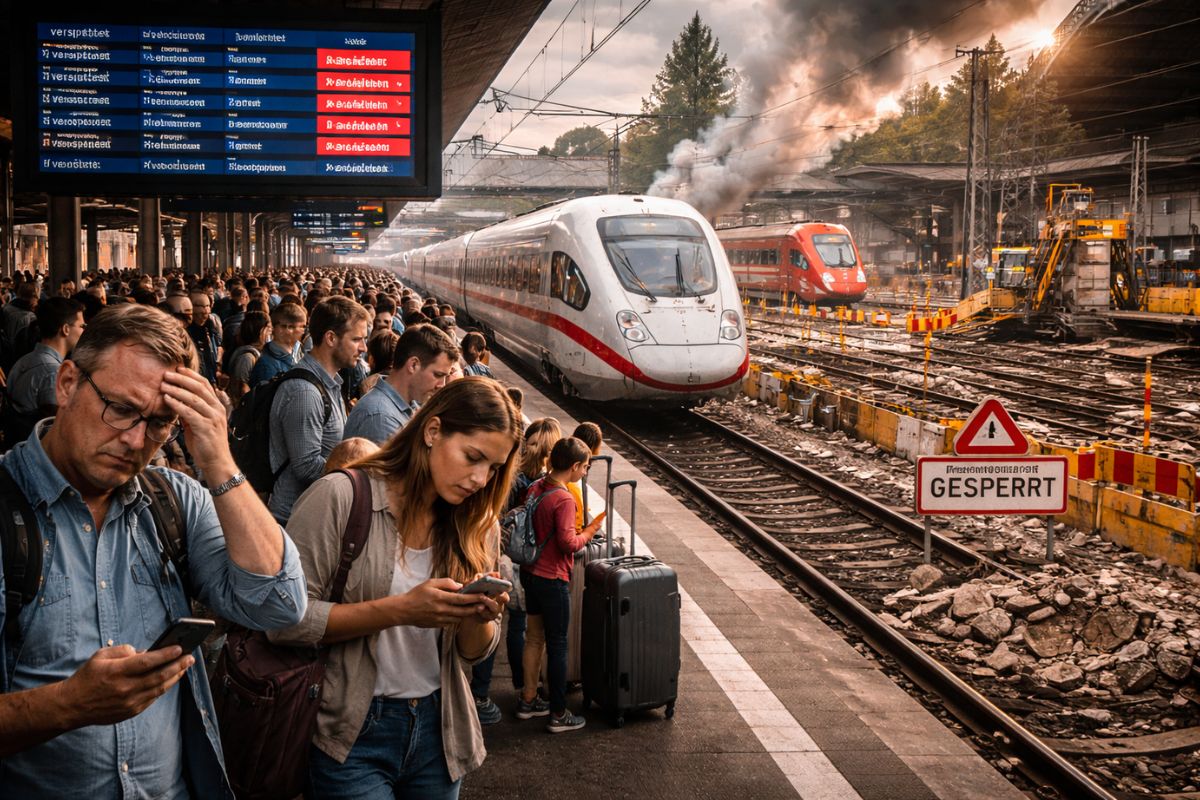
The Country of “Punctual As a Train” Admits It Has Lost Control: High-Speed Trains Delay, Stop, Disappear from the Map and Turn 6-Hour Trips into 10, While Deutsche Bahn Promises Restructuring in 2026 But Faces 19th Century Infrastructure, Staff Shortages and Sections Closed for Months
-
With an Investment of R$ 700 Million in One of the Country’s Main Rail Networks, VLI Reinforces Infrastructure, Receives 8 New Locomotives, and Expands the Corridor Connecting 7 States, Boosting Jobs and the Transportation of Grains, Ore, and Oil Products to the Port of Santos
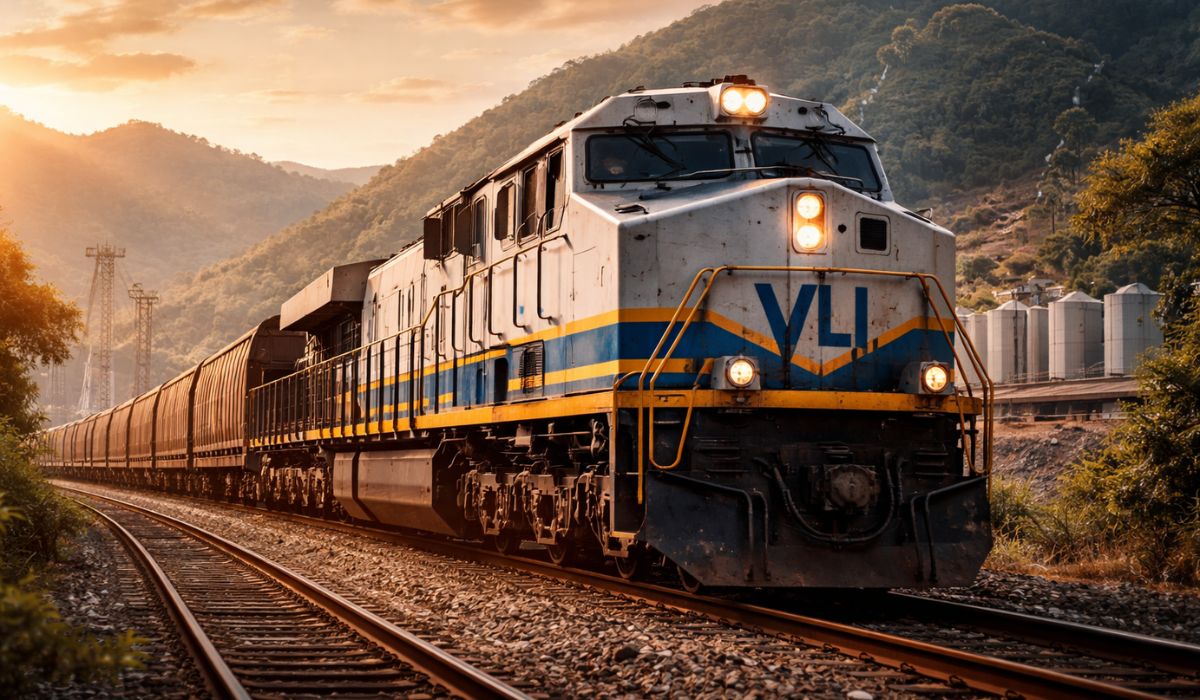
According to the information provided during the presentation, the new route eliminates the need for tunnels and relocation of communities, reducing potential conflicts and delays in implementation.
According to Quintela, the Ministry of Transport is already advancing negotiations for the environmental license, considered the last step before the launch of the federal concession bid.
The official expectation is that the bidding will take place by March 2026, allowing for the start of construction in the same year and completion of the section by 2035, provided deadlines are maintained.
The data presented also highlights that 60% of the right-of-way has already been deforested along the route of Ferrogrão, facilitating the implementation of the project.
The environmental study prepared for the project indicates that the railway will occupy only 0.1% of the original area of Jamanxim National Park.
To mitigate environmental impacts, compensation is planned with the planting of 2,000 hectares of native vegetation, reinforcing the commitment to minimize negative effects on the Amazon biome.
Structure and Engineering Works of the Railway from Sinop to Miritituba
Among the main highlights of the project is the set of special artwork.
In addition to the 65 railway bridges, which add up to a total of 81 kilometers in length, four railway viaducts (totaling 493 meters), ten road viaducts, and 48 crossing yards are planned, fundamental for the efficient flow of cargo.
The largest bridge along the route will be built over the Peixoto River, between the municipalities of Matupá and Peixoto de Azevedo, with a length of 250 meters.
The study indicates that there will be no direct impact on indigenous territories, eliminating one of the main obstacles encountered by large works in Brazil’s Northern region.
The redesign of the route was motivated by judicial decisions and pressures from environmental and social groups, such as the action presented by the Socialism and Liberty Party (PSOL) in the Supreme Federal Court (STF), which temporarily suspended the progress of the railway in previous years due to alleged impacts on protected areas.
Reduction of Logistical Costs and Economic Benefits
With the potential to transform the national logistics matrix, Ferrogrão is expected to promote a reduction of up to 20% in agricultural freight costs, according to studies presented by Estação da Luz.
This decline represents an estimated annual saving of US$ 8 billion for rural producers, a significant amount for the competitiveness of Brazilian agribusiness in national and international markets.
The railway will be capable of transporting up to 69 million tons per year until 2095, according to the project’s projections.
Each railway composition, with a capacity of 16,900 tons, will replace about 422 trucks on the route between Sinop and Miritituba.
As a result, it is estimated that more than 400 trucks will no longer circulate daily on BR-163, contributing to reduced heavy traffic and, consequently, increased road safety in the region.
Environmental Impact and Logistical Integration in the Northern Arc
Another highlight of the enterprise is the potential for reducing greenhouse gas emissions.
According to the environmental impact study, the modal shift provided by Ferrogrão should result in a decrease of 40% in CO₂ emissions, equivalent to an annual reduction of approximately 3.4 million tons of these pollutants.
This impact is particularly relevant given Brazil’s commitments under the Paris Agreement and the context of global discussions on sustainability.
The integration between different modes was also emphasized during the presentation.
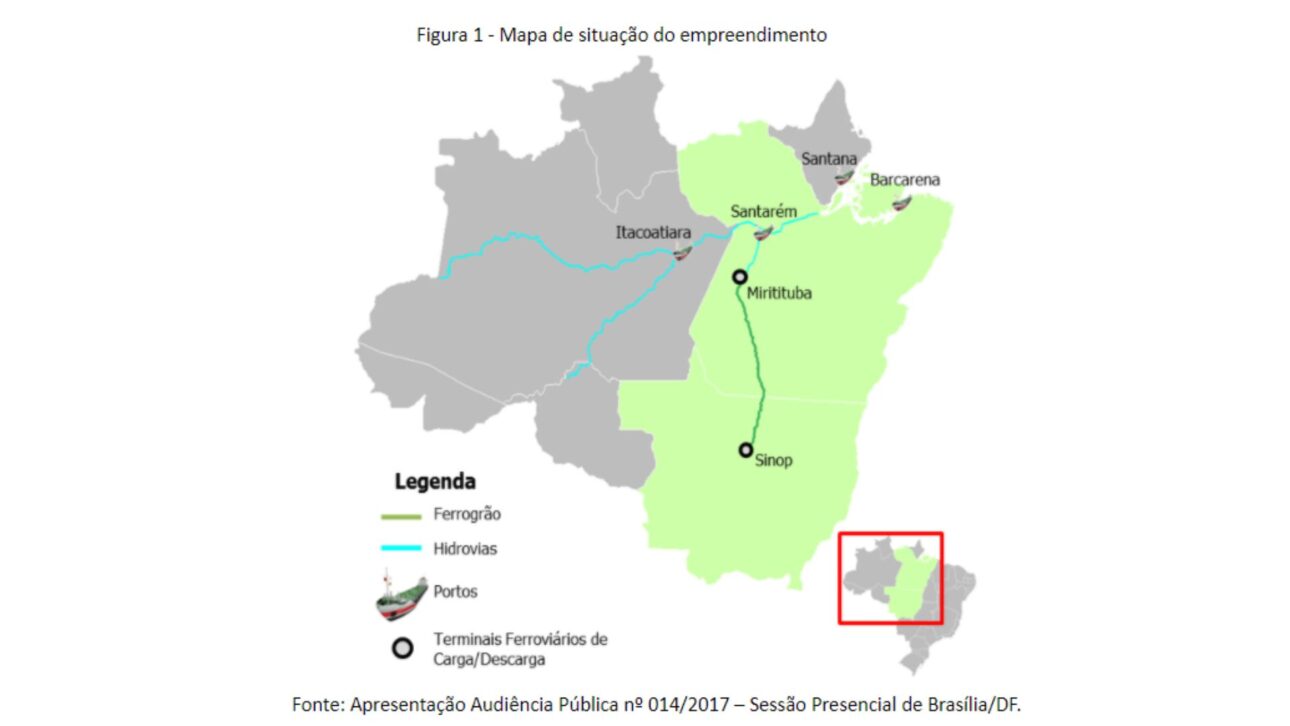
In addition to the railway terminals planned for Sinop and Miritituba, the project includes the construction of four new river ports in the municipalities of Santarém, Barcarena, Itacoatiara, and Santana (Amapá).
These investments will enhance connectivity in the Northern region with the rest of the country, strengthening the so-called Northern Arc, an alternative logistics corridor for Brazilian agribusiness exports.
Changes for Truck Drivers and Perspectives of Multimodal Transport
While Ferrogrão represents an alternative to long-distance road transport, the proposed model does not eliminate the importance of truck drivers in the national logistics system.
According to Guilherme Quintela, road transport will remain indispensable for connecting farms and production centers to railway terminals.
In practice, trucks will make shorter trips, adapting to the multimodal integration model widely adopted in countries with advanced logistics matrices.
The productive sector’s expectation is that the railway will help stabilize freight prices, reduce operational costs, and facilitate the regular flow of production, especially during harvest periods.
The Ferrogrão project, by avoiding areas of environmental and indigenous sensitivity, seeks to reconcile economic development, respect for environmental legislation, and the promotion of sustainability in the Amazon.
And you, do you believe that Ferrogrão will really become a reality or will it be another Brazilian megaproject that will remain just a promise? What do you think about the impacts of this project?









Olha no Brasil tudo se torna mais difícil quando se trata de uma grande obra que serve muito pra o desenvolvimento do paise, simplesmente porque existe um bocado de leis que só serve para atrapalhar o desenvolvimento do nosso Brasil. Por exemplo existe um tal de Ibama outro cmbil que mesmo fundado pelo o governo só atrapalha como se fosse pouco ainda existe esses partidos de esquerda pra entrar com liminar no STF. Para parar grandes obras. Então eu torso para que saia essa grande obra do papel.
Um projete muito bom para meia duzia de bilionários do agro negócio em detrimento a uma população de mais de duzentos mil trabalhadores e empreendedores, e múltiplos empreendimentos tais como:
fazendas, sítios, chácara e todo tipo de comércios existentes as margens da Br 163 que certamenta perderão seus valores. Essa população vieram de todos os Estados Brasileiros com suas famíliasa a mais de 50 anos e construiram a grandeza desta regiao formando inumeras Cidades e todo o futuro promissor que hoje existe ao longo da rodovia de Sinop a Miritituba. Essa ferrovia em sendo construída significa o morte existencial e financeira de todos e tudo o que foi construido no percurso em que se almeja a ferrovia.
Com as secas frequentes e piorando do lago gatun com as mudanças climaticas mais a forte concorre da ferrovia norte sul – em paralelo – quem ira investir nesta?