





 English
  Francês
  Alemão
  Italiano
  Japonês
  Norueguês
  Portuguese
  Spanish
 4 min of reading
  0 comments


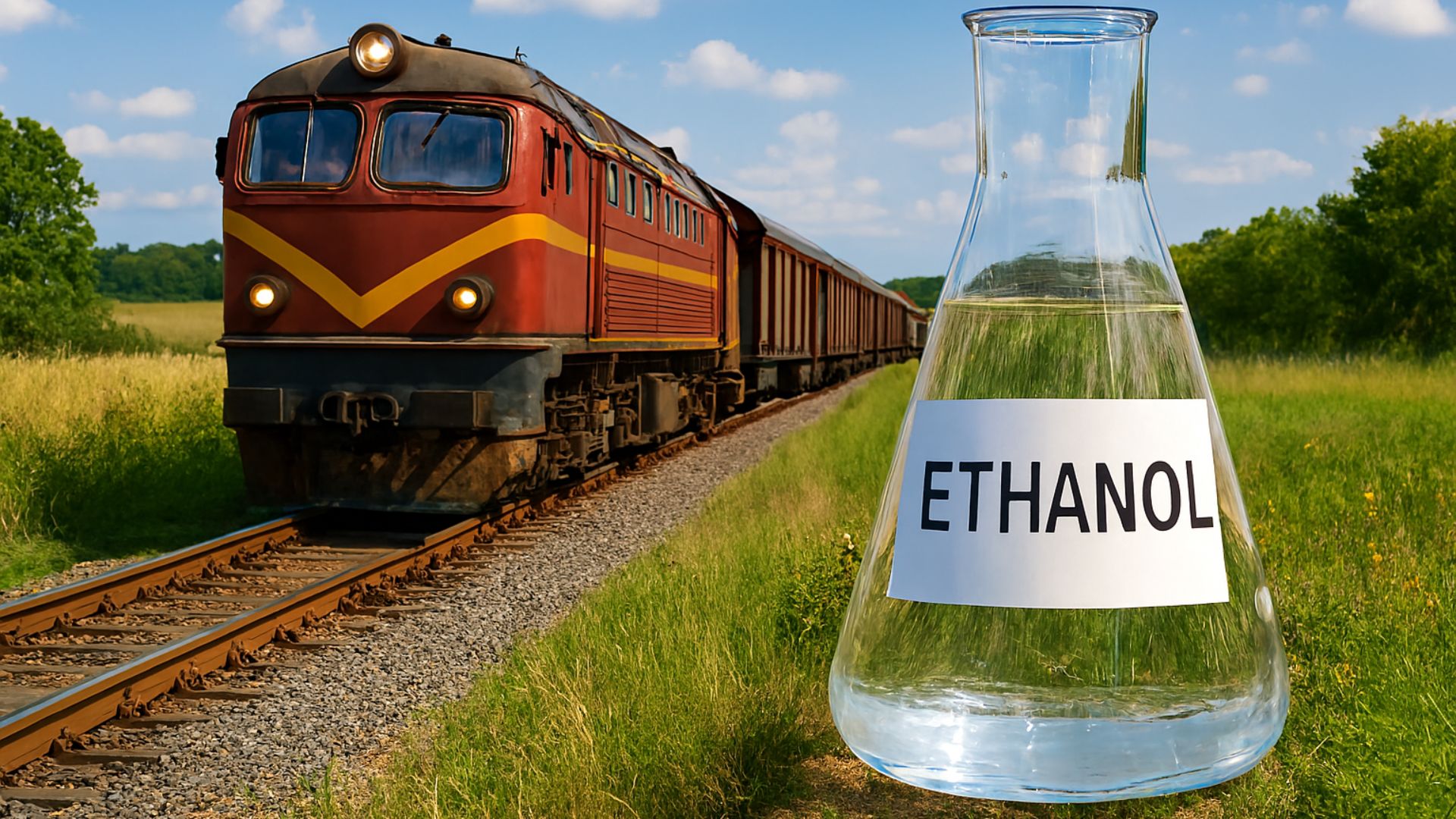
Railway Expansion in Mato Grosso Increases Agribusiness Efficiency, Strengthens the Ethanol Industry, and Contributes to a More Sustainable Brazilian Energy Matrix
According to a report released by the Cana Online website on Tuesday (21), railway expansion in Mato Grosso is transforming agribusiness logistics and strengthening the state’s position in the ethanol industry and the Brazilian energy matrix.
With strategic projects and integration with national ports, the railways are reducing costs, speeding up the transport of biofuels and promoting significant advancements in sustainability.
Railways: The Driving Force of Logistics and Agribusiness in Mato Grosso
According to experts, this infrastructure is one of the biggest growth drivers in the sector in recent years, attracting private investment and expanding Brazil’s international competitiveness in the renewable energy market. Railway expansion has proven essential for agribusiness efficiency.
-
The Economist states that Brazil has a “secret weapon” against expensive oil and highlights how the country can reduce economic impacts even in international scenarios of high volatility.

-
With earth, bamboo, straw, and lime mortar, a specialist builds a house for just over $460 and draws attention for its cost being much lower than traditional construction.

-
Brazil accelerates decarbonization in the South: International forum in Foz do Iguaçu gathers leaders to discuss the advancement of biomethane in the energy matrix and the potential of “caipira pre-salt.”
-
As diesel prices soar due to conflicts in the Middle East, a Brazilian city decides to test a little-known biofuel that promises to completely replace fossil fuel without adaptation and could change the future of energy in the country.

With the capacity to transport large volumes of grains and ethanol, railways significantly reduce logistical costs compared to road transportation. This impact is crucial for increasing competitiveness and reducing export bottlenecks.
According to industry studies, Mato Grosso will move over 40 million tons of agricultural products by rail by 2050, including a large portion of biofuels. Railways not only transport products but also drive the entire agribusiness ecosystem in the state.
Ethanol Industry: Growth and Sustainable Innovation
Mato Grosso stands out as a leader in corn and sugarcane ethanol production. The state represents about 70% of the national corn ethanol production, according to the Mato Grosso Institute of Agricultural Economy (IMEA) and other industry projections. The arrival of the railways boosts exports and strengthens the ethanol industry on both national and international levels.
New plants and investments in second-generation ethanol are expanding, using sugarcane bagasse as a raw material for cleaner biofuels. This helps reduce carbon emissions and consolidate the Brazilian energy matrix with a focus on sustainability.
Mato Grosso Consolidates Leadership in Agribusiness and the Brazilian Energy Matrix
The state is recognized as the epicenter of Brazilian agribusiness, leading in grains, meats, and biofuels. The railways reinforce its leadership by facilitating the flow of production to international markets that require strict environmental standards.
With logistical integration, Mato Grosso becomes a reference in renewable energy production and secure biofuel supply, strengthening the Brazilian energy matrix and ensuring competitiveness against other global players.


Ethanol Industry: Renewable Energy and Efficient Transportation
The railways represent a sustainable alternative to road transport, emitting up to 80% less CO₂ per ton transported. This reduction in emissions is directly linked to logistical efficiency and the environmental responsibility of the sector.
Agribusiness companies are adopting emission monitoring technologies and environmental certifications to meet international markets. Ethanol produced in Mato Grosso, combined with railway infrastructure, strengthens Brazil’s image as a leader in sustainability and energy innovation.
Integrated Logistics Strengthens Agribusiness
With the new railway system, rural producers reduce costs and increase profit margins. This allows for reinvestment in agricultural technology, such as smart irrigation, precision fertilization, and renewable energy on farms.
The railways reduce truck traffic on highways, decreasing accidents and preserving road infrastructure. Studies by the Confederation of Agriculture and Livestock of Brazil (CNA) indicate that investments in logistical infrastructure and transportation improvement could generate billions in annual savings for Brazilian agribusiness.
Technological Innovation in the Ethanol Industry
Railway integration is aligned with the digitalization of logistics. Real-time monitoring software allows for predicting bottlenecks and increasing operational efficiency. In addition, the ethanol industry is investing in artificial intelligence to optimize processes and reduce raw material waste.
The combination of technological innovation and railway transportation ensures greater productivity and sustainability, enhancing the competitiveness of agribusiness and the Brazilian energy matrix.
Socioeconomic Impact in Mato Grosso
The expansion of railways is generating direct and indirect jobs in logistics, transportation, and biofuel production. Cities in the interior benefit from economic and social development, including workforce qualification and opportunities in technical education.
Training programs in universities and federal institutes are preparing professionals for strategic areas, such as biotechnology, transportation engineering, and environmental management. The impact goes beyond the economy, strengthening the human and technological infrastructure of the state.
Future Perspectives for the Energy Matrix and Agribusiness
The growth of railways and the ethanol industry indicates positive trends for Brazil. The diversification of biofuel production, such as corn and sugarcane ethanol, increases the country’s energy security and reduces dependence on fossil fuels.
Large industrial groups are expanding plants and investing in ethanol-derived products, such as biokerosene and bioplastics. The advancement of railways transforms Mato Grosso into a strategic hub for the energy transition, consolidating Brazil’s position as a global leader in sustainability and innovation in agribusiness.
Opportunities and Strategic Advancements for Brazil
The railways are not just infrastructure but a driver of economic and environmental development. By boosting the ethanol industry and consolidating Mato Grosso’s leadership in agribusiness and the Brazilian energy matrix, Brazil positions itself as an international reference in clean energy and efficient logistics.
The increase in biofuel production and exports reinforces energy security, generates jobs, and strengthens the country’s image in global markets. Investment in railway infrastructure is a decisive step towards sustainability and green economic leadership.









-

Uma pessoa reagiu a isso.