





 Portuguese
  English
  Spanish
  3 min of reading


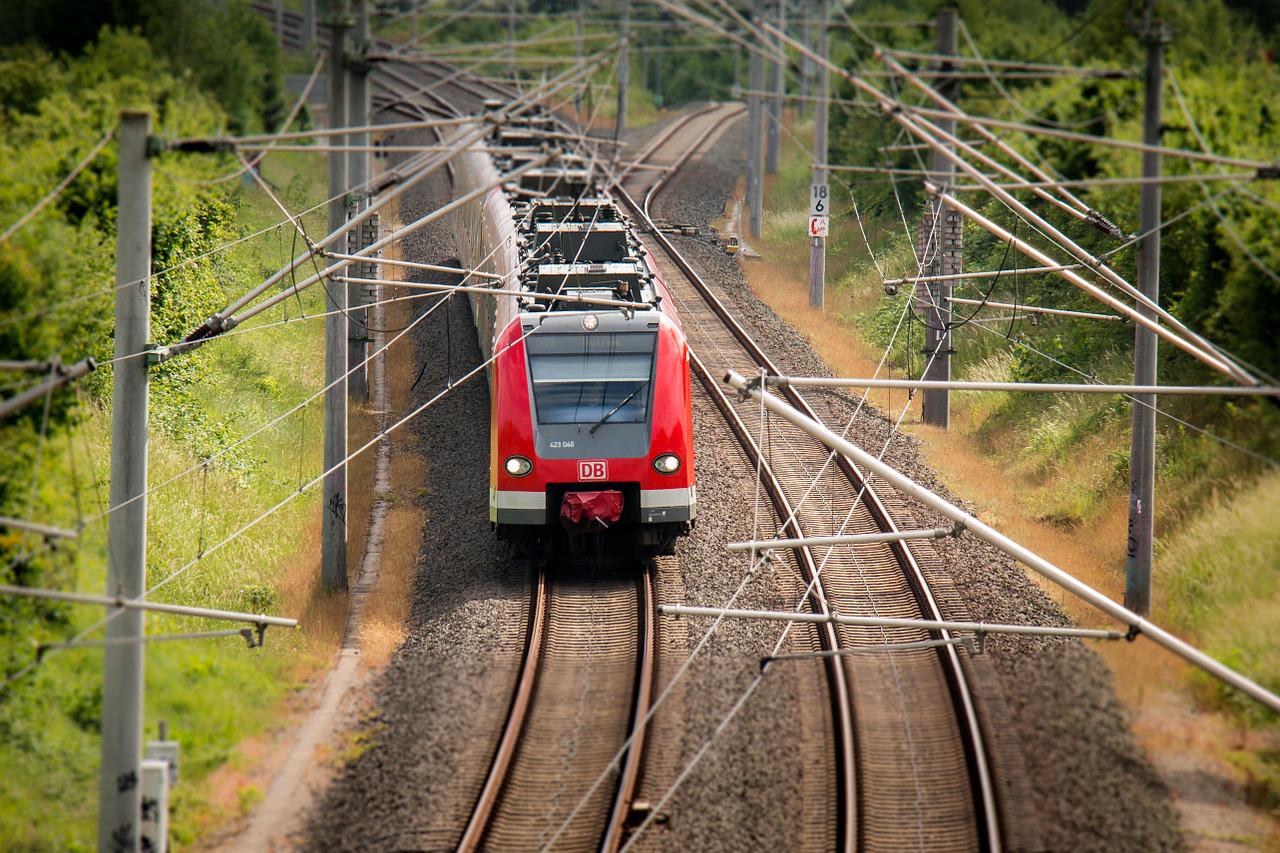
ANTF Leads The Permanent Trigger Plea On Diesel In Order To Protect Contracts Against Fuel Fluctuations For Railways
Railway concessionaires are claiming, in light of the rising diesel prices and their impact on rail operations, a permanent trigger that protects contracts from sharp fuel variations and, in parallel, extraordinary adjustments to the tariff ceilings that, depending on the concession, range from 2.5% to 19%.
The idea corresponding to the trigger has already been presented to the National Land Transport Agency (ANTT).
The proposal is led by the National Association of Railway Transport (ANTF) and, in order to make suggestions and calculations for the institution, Professor and Researcher Armando Castelar Pinheiro has been invited. According to Castelar’s studies, the increase in fuel, isolated from the indices that adjust concession contracts, generates additional expenses for operators that can reach R$ 500 million annually.
-
Petrobras evaluates suspension of sales to distributors and considers canceling the cooking gas auction following guidelines from the Federal Government.
-
Lula reveals a masterstroke by Petrobras to undo a deal made by Bolsonaro, which involves the return of an important refinery that currently produces less than half of what was expected and makes Brazil dependent on international diesel.
-
A study confirms that the natural gas sector will reduce greenhouse gas emissions in Brazil by 0.5% and accelerate the energy transition by 2026.

-
Petrobras implements a severe adjustment and confirms a 55% increase in the price of aviation kerosene with a proposal for installment payments for the companies.


The companies have been expressing concern for months over the surge in diesel prices and the increasing impact of this fuel on rail operations, thus forming coalitions to appeal to ANTT.
Fernando Paes Evaluates The Adjustment Requests As An Immediate Alternative To The Implementation Of The Trigger On Diesel
In this regard, ANTF President Fernando Paes stated to the Broadcast website that the creation of a trigger, similar to what occurs in the road sector, has already been presented to ANTT, and discussions with the agency are ongoing. Paes further stated that the adjustment requests being taken to ANTT consist of an immediate alternative to the trigger rule, considering that the latter would represent a structural change in the regulation of the sector and may require more discussions and time from the regulatory agency.
Castelar was the one who calculated the proposed revisions to the tariffs, and for this, the researcher used a formula that demonstrates the importance of diesel in the functioning of each concessionaire, and the price variation of fuel since the date of the last adjustment attributed to the operator, which would capture the extent of the current gap.
Given that there are usually multiple tariff ceilings within a concession, Castelar chose to apply an average representing how much each operator could adjust their values. It is expected that by July, ANTT will be able to make a decision regarding the matter.
Annual adjustments to the tariff ceilings in the railway sector are made according to the IPCA and IGP-DI indices. However, Castelar, who teaches at the Economics Institute of UFRJ and FGV Law, argues that these indices do not fully align with the actual inflation of costs in the sector, given that diesel fuel is only one of its components. In this context, fuel accounts for about 30% to 35% of the costs of a carrier that uses railways.
The Trigger Should Address Exceptional Situations That Cause Large Fluctuations In Fuel Prices
In light of the above, the sector argues for the need for a tool to automatically rectify when there is a significant discrepancy between the indices used in the contract and the price of diesel. For this reason, ANTF’s initial proposal was related to establishing a permanent trigger to assist in atypical situations, such as the one currently caused by the impacts of the war in Ukraine.
This mechanism concerns the publication by ANTT of a new value for the tariff ceiling whenever there is a price variation in diesel fuel in the national market exceeding 5% compared to the price considered in the calculation of the current tariff ceiling, whether upwards or downwards.
According to the professor from UFRJ, the idea of a trigger to be activated in order to correct the tariff ceiling in cases of unusual fluctuations in diesel prices is not new. ANTT already employs a similar procedure in the case of the freight floor in road cargo transportation; however, the distinction is that, in the road sector, the command was made by law, due to the truck drivers’ strike that occurred in 2018.
Castelar emphasizes, finally, that the current methods for adjusting and reviewing tariff ceilings are inadequate and insufficient to respond to crisis situations, although they work well in normal times.









Seja o primeiro a reagir!