





 Portuguese
  English
  Spanish
  3 min of reading


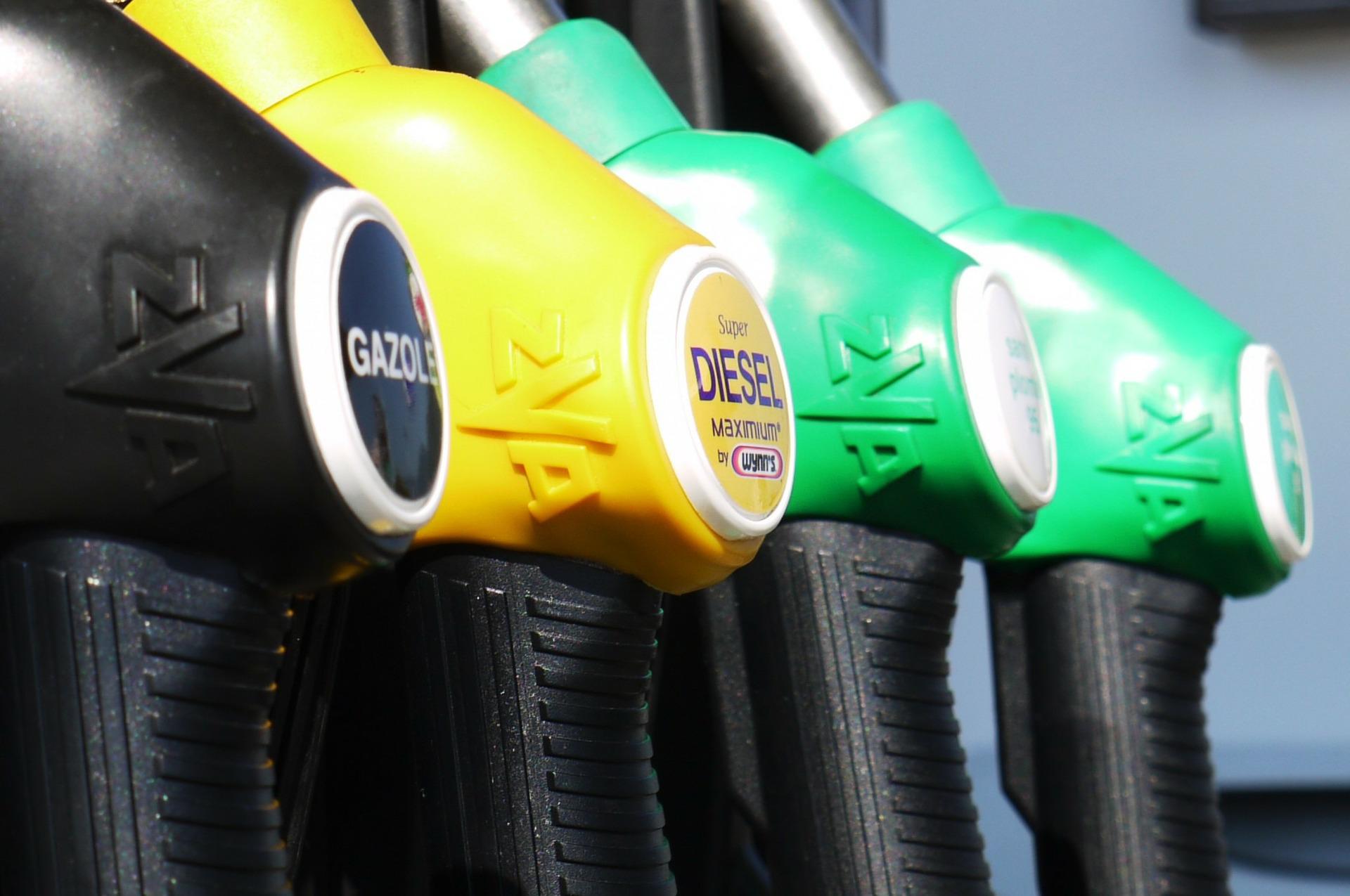
With Risk of Diesel Shortage at Petrobras Starting in August, Fuel Distributors Multiply Their Import Licenses
In light of the warning about the diesel shortage in the country, executives in the diesel sector are discussing precautions in the face of tighter import supply and the unpredictability of diesel supply from Petrobras. The state-owned company identifies that the diesel volumes supplied have not kept pace with the increase in orders from companies, but does not confirm arbitrary cuts in firm orders and states that it practices production sharing in line with ANP resolution.
The concern about the diesel shortage at Petrobras and also regarding the fuel imports is explained by the worsening sanctions against Russia, leading part of Europe to shift to diesel as a substitute for Russian gas, while the summer holidays begin in the northern hemisphere and the hurricane season starts in the United States. Petrobras, which relies 30% on imports, is likely to see demand increase with the flow of the agricultural harvest.
Diesel import licenses are valid for 90 days, renewable for another 90 days. These licenses are not an “immunity” for diesel importation ahead; however, sector agents say that the explosion in numbers relates to the moment in the fuel market, showing companies’ efforts to import larger volumes of diesel or, at least, differentiate their origin going forward.
-
More than 40 Petrobras platforms enter the decommissioning queue and open up a billion-dollar industry in Brazil for cranes, special ships, underwater cutting, and offshore recycling.

-
ANP schedules oil auctions in October and reinforces regulatory predictability for concessions, sharing, and investments in the oil and gas sector

-
There is oil below the oil that Brazil already extracts: Petrobras confirmed a new accumulation in the Búzios field, at a depth of 5,600 meters, in a zone below the reservoir already operating in the Santos Basin.

-
404 km off the coast of Rio de Janeiro, an oil company drilled 5,855 meters into the ocean and discovered the largest oil and gas reserve found in a quarter of a century.



The ANP database regarding fuel supply shows that, between local production and imports, Petrobras supplied 81% of Brazil’s diesel or 13.6 million cubic meters of fuel in the first four months of 2022. This percentage is below what was supplied by the state company in 2019 (85.12%), the last year before the pandemic, with more stable domestic demand.
Diesel Consumption
Brazilian diesel consumption, partly from Petrobras and partly imported, rises particularly between August and October, driven by the harvesting and transportation of the agricultural crop. Meanwhile, according to Felipe Perez, the downstream strategist at S&P Global, global diesel demand post-pandemic is returning faster than supply.
Until the start of the war in Russia, about 60% of the diesel consumed by Europe came from Russia, a figure gradually declining due to the halt in diesel imports from Russia. According to Perez, Europe’s natural alternative is diesel from refineries in the Middle East and Asia, but American shipments from the Gulf of Mexico are also on Europe’s radar.
Diesel Imports Increase by 23.9%
A survey conducted by Ipea, based on ANP data, shows that diesel imports in the first four months of 2022 were 4.7 million cubic meters, exceeding those recorded in the same period in 2021 by 23.9% and by 41.6% compared to 2019, the last year without a pandemic. In 2021, Brazil consumed 62 million cubic meters of diesel, with a portion coming from Petrobras. This percentage includes a volume of biodiesel added to the mix. Of this volume, 14.4 million or 23.3% of the total were imported.
The pace of diesel importation compared to consumption is higher in 2022. According to ANP data, between January and May, this number reaches 26.8%, the highest percentage in the series that began in 2017 for this period. In 2020, Petrobras’s dependency on diesel until May was 24%, and in 2019, it was 21.8%. Petrobras’s share in the volume of imported diesel until May is 35.4%, close to what was seen in 2019 (35.7%), but below the 42.6% of 2021.






Be the first to react!