





 Portuguese
  English
  Spanish
  3 min of reading
  0 comments


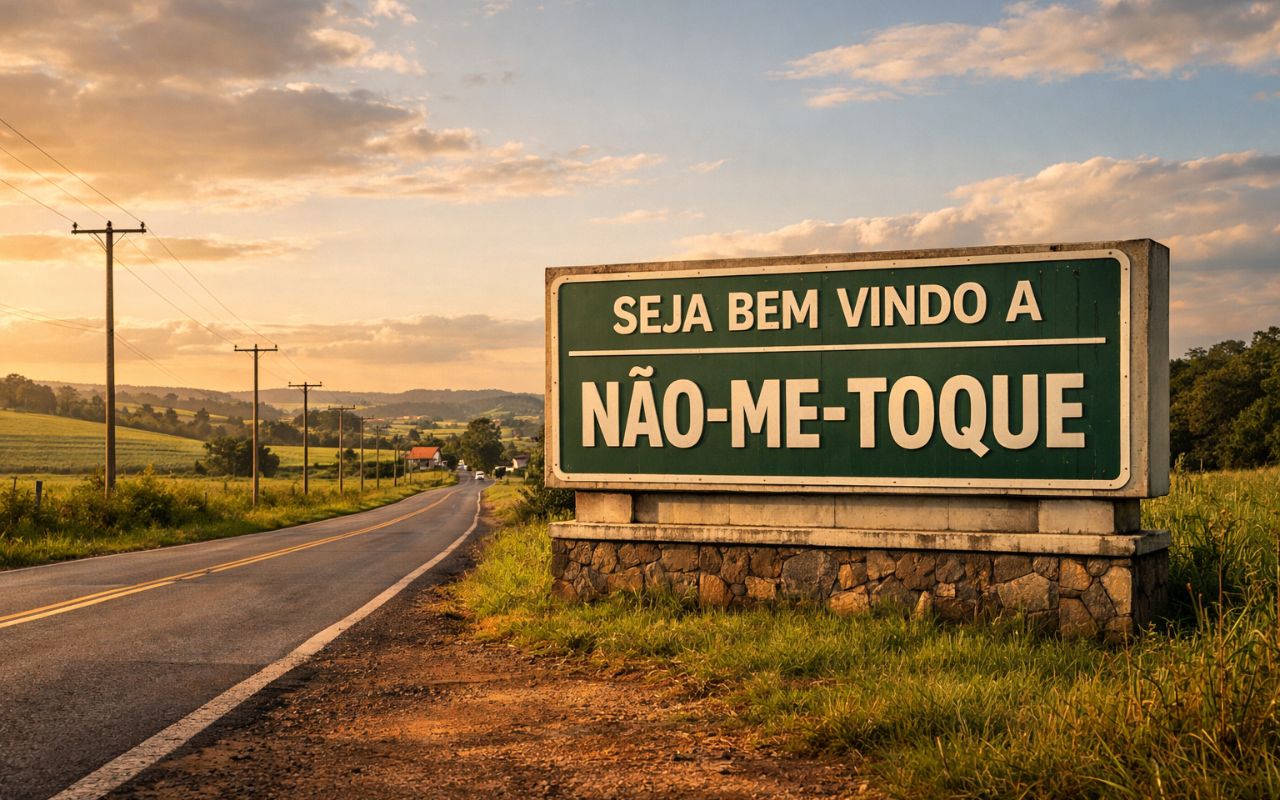
Discover how the names of curious Brazilian cities emerged and understand the real stories behind these denominations.
Brazil is known for its cultural diversity — and this is also reflected in the names of its Brazilian cities. In different regions, municipalities draw attention for unusual names that seem to have emerged randomly, but in fact, have well-defined origins.
These names were born from concrete situations, such as landscape characteristics, everyday habits, or significant events.
Today, with the support of official records, such as those from IBGE, it is possible to understand how these stories were constructed and preserved.
-
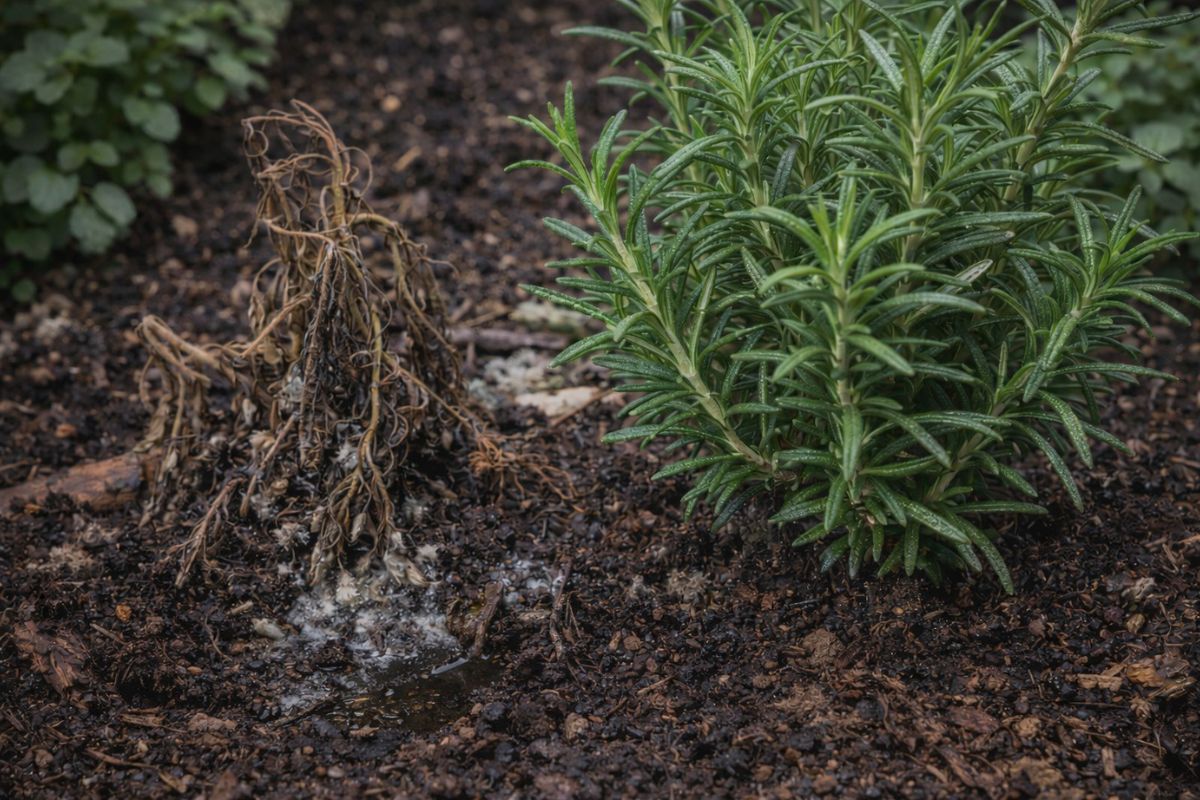
No one told you this about rosemary: there is a plant that silently rots its roots, and the place where you plant it makes all the difference between a vigorous herb and a dead plant in just a few weeks.
-
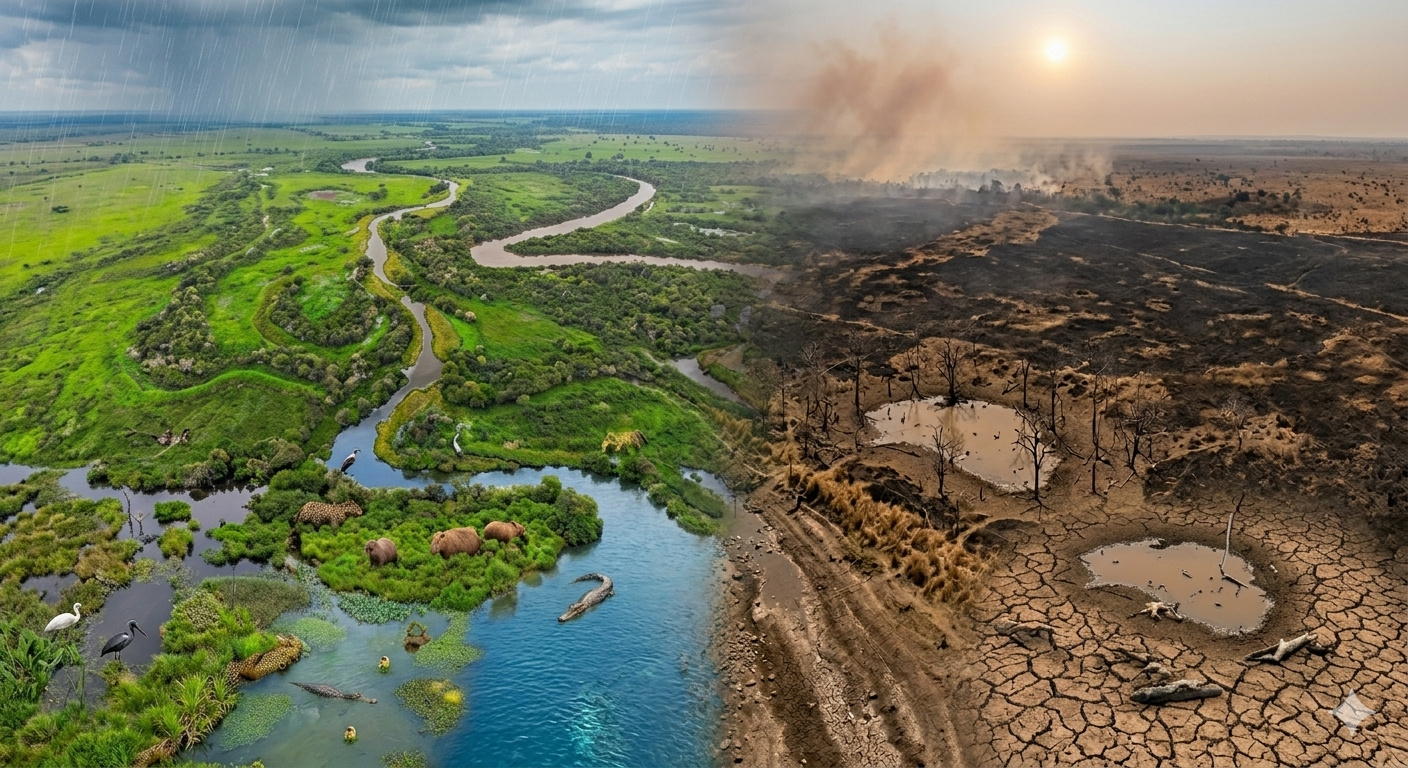
The largest swamp on the planet has lost 57% of its water in less than 12 months, rivers have reached their lowest levels since records began, and NASA satellites have documented in real time the most extreme transformation ever recorded in the Pantanal: the biome, which should be flooded, has turned into a cracked savanna for the first time in 50 years.
-
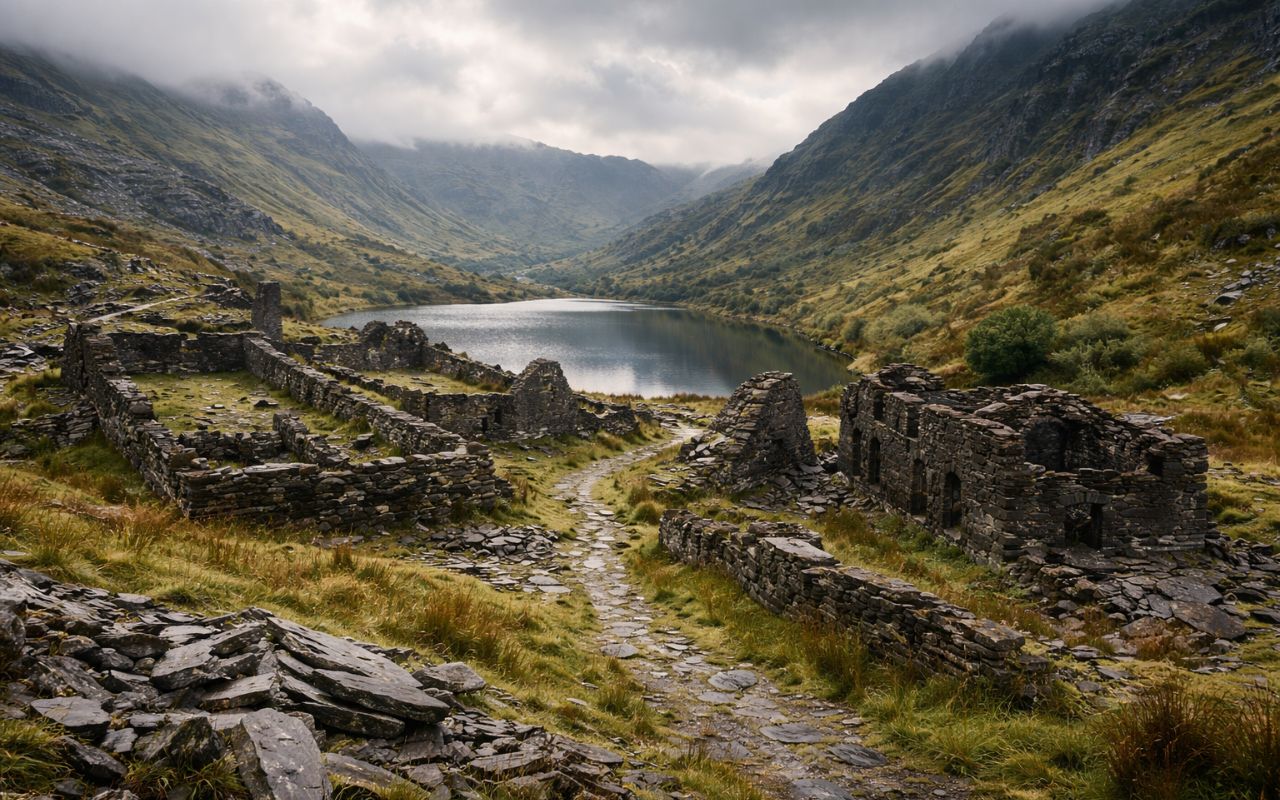
An abandoned villa for over 80 years with underground mines, a 130-meter zip line, historical ruins, and challenging trails makes Cwmorthin, in Wales, an unusual destination.
-
This wind turbine fits in a water bottle, weighs only 1.4 kilograms, charges cell phones and laptops with any breeze above 13 kilometers per hour, and works day or night, in rain or shine.

Happy Christmas: a remarkable episode gave rise to the name
Among Brazilian cities, Feliz Natal is an example of a name that emerged from a specific moment.
According to official reports, workers faced difficulties during a crossing during Christmas in 1978. After the episode, the place began to be called by this name.
Over time, the name was adopted by the community and formalized.

Brazilian cities and names linked to everyday life
Not all names originate from significant events. In some cases, everyday life was decisive. This is the case of Varre-Sai, where travelers needed to clean the space after using it for rest.
The expression “sweep and leave” ended up becoming a reference for the place. Later, it became the name of the city.

Volta Redonda: geography shaped the name
Another example among Brazilian cities is Volta Redonda. The name may seem curious at first glance.
However, it emerged from the observation of a curve of the Paraíba do Sul River made by explorers in the 18th century. Thus, the denomination is directly linked to the local landscape.
Don’t Touch Me: multiple origins for a curious name
Among the most well-known names of Brazilian cities, Não-Me-Toque stands out.
According to official records, there are two main explanations. One relates the name to a thorny plant common in the region.
The other points to an old farm registered with that name in the 19th century.
Why do Brazilian cities have such different names?
The names of Brazilian cities reflect how the first inhabitants identified the places. It was common to use direct references.
This included natural elements, daily practices, and important events. Over time, these denominations were formalized. Thus, what seems curious today was once functional.
To better understand the names of Brazilian cities, there are reliable sources. The Geographic Names Bank of Brazil is one of them.
The platform allows for detailed information about different municipalities. Additionally, local documents help to complement the data. This way, it is possible to avoid incorrect interpretations.
Brazilian cities with curious names arouse interest
The names of Brazilian cities serve as an invitation to curiosity. They draw attention for being different.
By investigating their origins, stories related to the formation of the country emerge. This makes the topic even more interesting. Moreover, these names help preserve local memory.
More than curiosity, the names of Brazilian cities represent cultural identity. They show historical and regional influences.
Each name carries its own narrative, built over time. Therefore, its preservation is important. Thus, knowing these origins is also to better understand Brazil.
With information from GAZETA DE SP





Seja o primeiro a reagir!