





 Portuguese
  English
  Spanish
  4 min of reading
  1 comment



Fiat Enters The Hybrid Market With The Fastback And Pulse Models, Betting On Energy Efficiency And Performance. Expectations Are High, But Doubts Exist.
Hybrid cars, a growing trend worldwide, are finally starting to gain ground in Brazil.
Fiat has just taken the first step towards this future by launching its hybrid models Fastback and Pulse.
But, will this technology please the public and maintain the performance that Brazilians value so much?
-
OMODA & JAECOO grows in Europe in 2026 with an integrated strategy of sales, innovation, local production, and technological advancement in the United Kingdom, Italy, and Spain.
-
OMODA & JAECOO expands after-sales service in Brazil with competitive maintenance, a 7-year warranty, and high availability of parts for technological SUVs.
-
OMODA & JAECOO appoints Alessandra Souza as executive marketing director in Brazil and accelerates brand expansion with a focus on innovation, networking, and hybrid portfolio.

-
Jaecoo 7 with super hybrid SHS system exceeds 1,200 km of combined range with a 1.5 turbo engine, high-density battery, and intelligent energy management.

The vehicles are already in the distribution phase, and curiosity around the technological solutions adopted is only increasing. However, the automaker keeps certain details still shrouded in mystery.
One of the most interesting points is the location of the battery, under the driver’s seat. This innovation allowed Fiat to solve a common problem in hybrid vehicles: the use of interior space, especially in the trunk.
But, does this decision compromise the seat height adjustment? So far, this question remains unanswered.
The Italian automaker is clearly betting big, but consumers have the right to ask: will these innovations bring more benefits or inconveniences?
How Does The Light Hybrid System Of Fiat Work?
According to Fiat, the Fastback and Pulse models use a system known as “light hybrid.” What does that mean?
In these cars, a small battery (with less than 1 kWh capacity) powers a 3 kW (or 4.07 hp) electric motor. It is worth noting that this electric motor does not drive the car alone, but performs crucial functions.
It replaces both the alternator and the starter motor, helping to generate additional torque for the combustion engine and providing supplemental power.
The light hybrid system was developed to operate in parallel with the conventional electrical system of the vehicles, providing improvements in both energy efficiency and mechanics.
This combination promises a more sustainable performance without sacrificing power. Is this the ideal solution for those who want a more accessible, yet efficient hybrid?
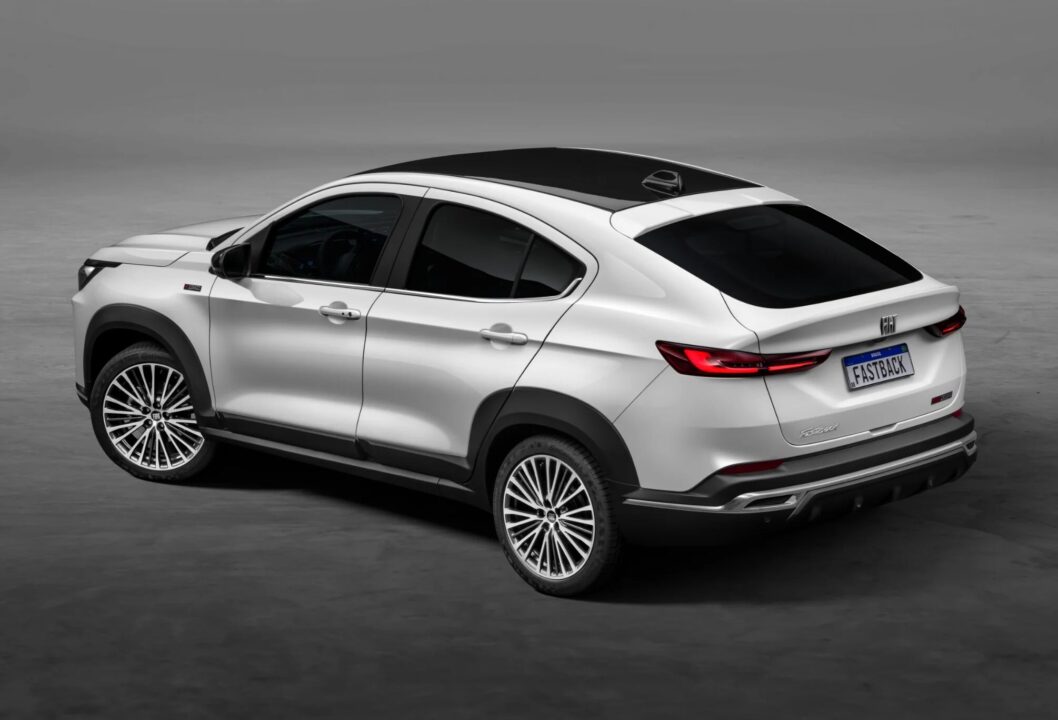
Performance And Consumption: What To Expect?
Now comes the part that every driver wants to know: performance and fuel consumption. The figures presented by Fiat show a slight improvement in fuel economy.
In the city, ethanol consumption increased from 8.1 km/l to 9.6 km/l, while with gasoline, the figures jumped from 11.3 km/l to 12.6 km/l.
On the highway, ethanol consumption improved from 9.7 km/l to 10.9 km/l, while gasoline consumption remained at 13.9 km/l.
These figures may seem modest, but they represent an interesting advancement for those looking to reduce fuel expenses.
Is this gain enough to attract consumers? Or does the Brazilian market, which has been increasingly demanding, expect even better numbers to justify the purchase of a hybrid?
Models That Will Receive The Light Hybrid Technology
According to Fiat, the light hybrid technology is expected to expand to other models in the Stellantis group, which includes brands like Peugeot and Citroën.
The 1.0 turbo engine, which already delivers 130 hp and 20.4 kgfm of torque, will be incorporated into other vehicles, such as the Peugeot 208, Peugeot 2008, Citroën Aircross, and even the new Citroën Basalt.
Production of the hybrids has already begun at Fiat’s factory in Betim, Minas Gerais, and the expectation is that this technology will help consolidate the brand in the electrified car segment in the country.
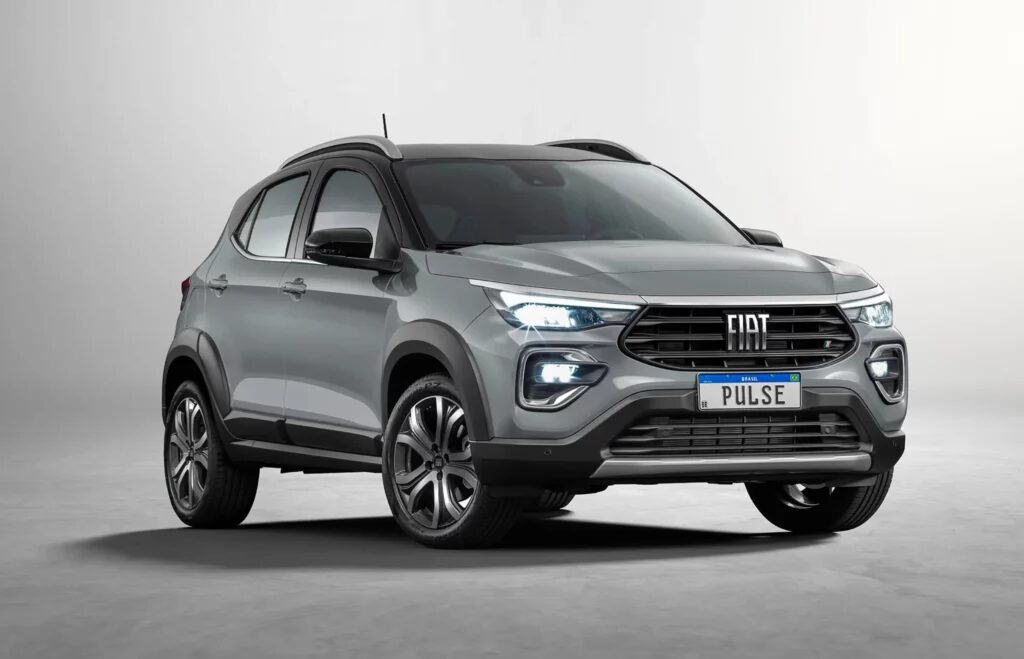
The Impact On The Market And What Consumers Expect
With the official launch scheduled for next month, expectations are huge. Social media is already being bombarded with images of the new models, especially the Fastback and Pulse in the new dark blue color.
The modern design and the promise of energy efficiency are set to attract the audience looking for elegant yet sustainable cars.
However, the Brazilian market is still resistant to innovations of this kind. Consumers want to know if the price of these vehicles will really compensate for the benefits.
Will Fiat’s new hybrids dominate the Brazilian streets, or will the public continue to prefer traditional models that offer greater predictability?
The arrival of these models signals a new chapter in the national automotive industry, but the big question is: how will the market react?
And you, do you believe that these new hybrid models from Fiat will really make a difference in the national automotive market? Or do you think price and performance are still barriers?








MHEV de 12v, com apenas 4cv é muito pouco, parece algo apenas para aproveitar isenções.
Demais MHEVs lançados no país há anos tem 10cv.