





 Portuguese
  English
  Spanish
  5 min of reading
  12 comments


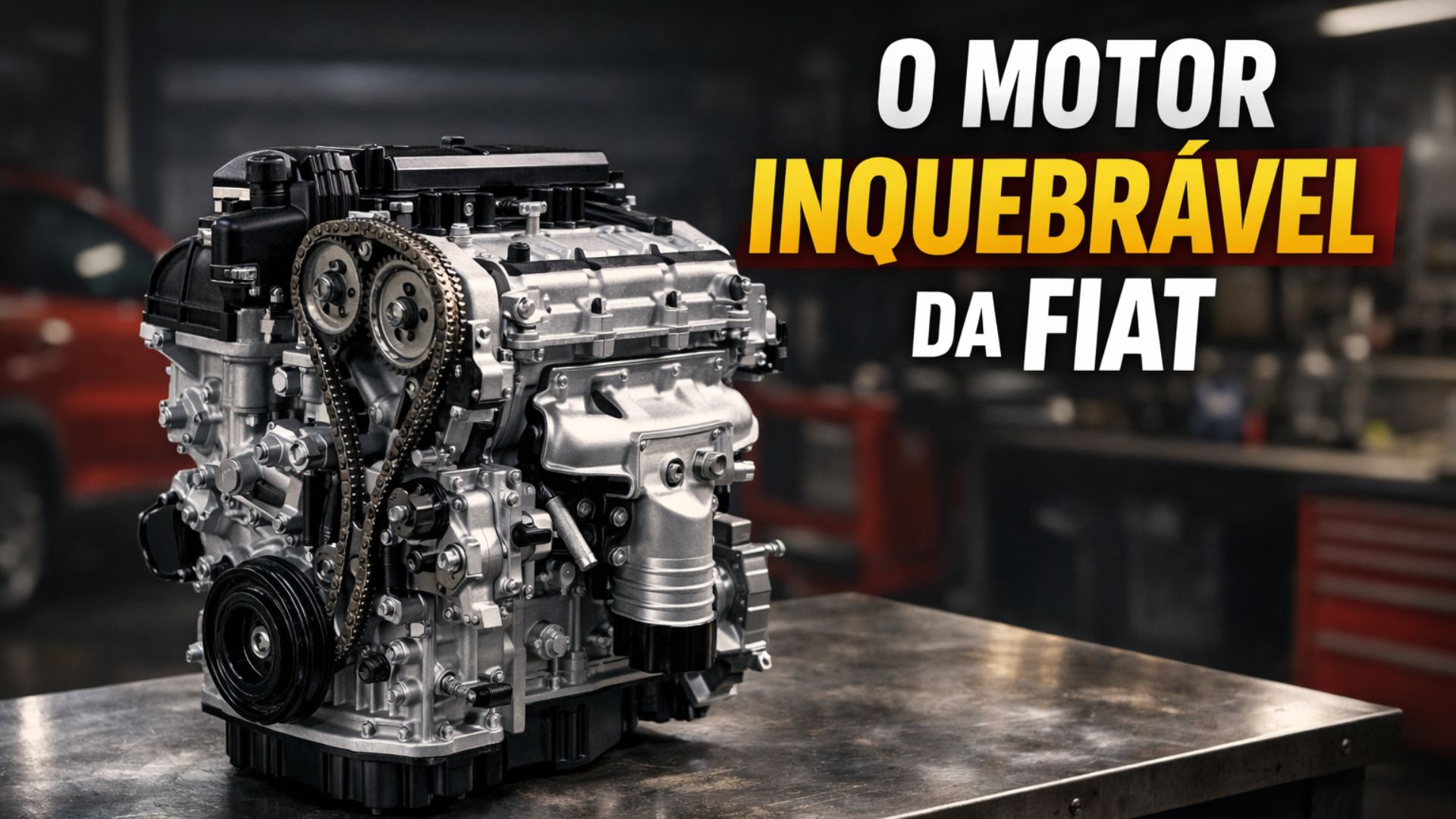


Ten Years After The Launch, Firefly Family Is Still Associated With Early Torque, Modular Design, And Simplified Maintenance, With A Chain And More Advanced Electronics In Compacts.
Fiat completes a decade since the arrival of the Firefly engine family in Brazil, introduced in 2016 as the natural successor to the old Fire in high-volume applications.
The debut marked a turning point in the brand’s small engine strategy by prioritizing responses at low revs, reducing mechanical complexity, and increasing the use of solutions that, until then, appeared less frequently in entry-level models, such as alternators with intelligent management and versions with a start-stop system.
Launch Of The Firefly Engine In Brazil And The Change In Strategy
When the Firefly arrived here, Fiat began offering a new architecture in its most popular range.
-
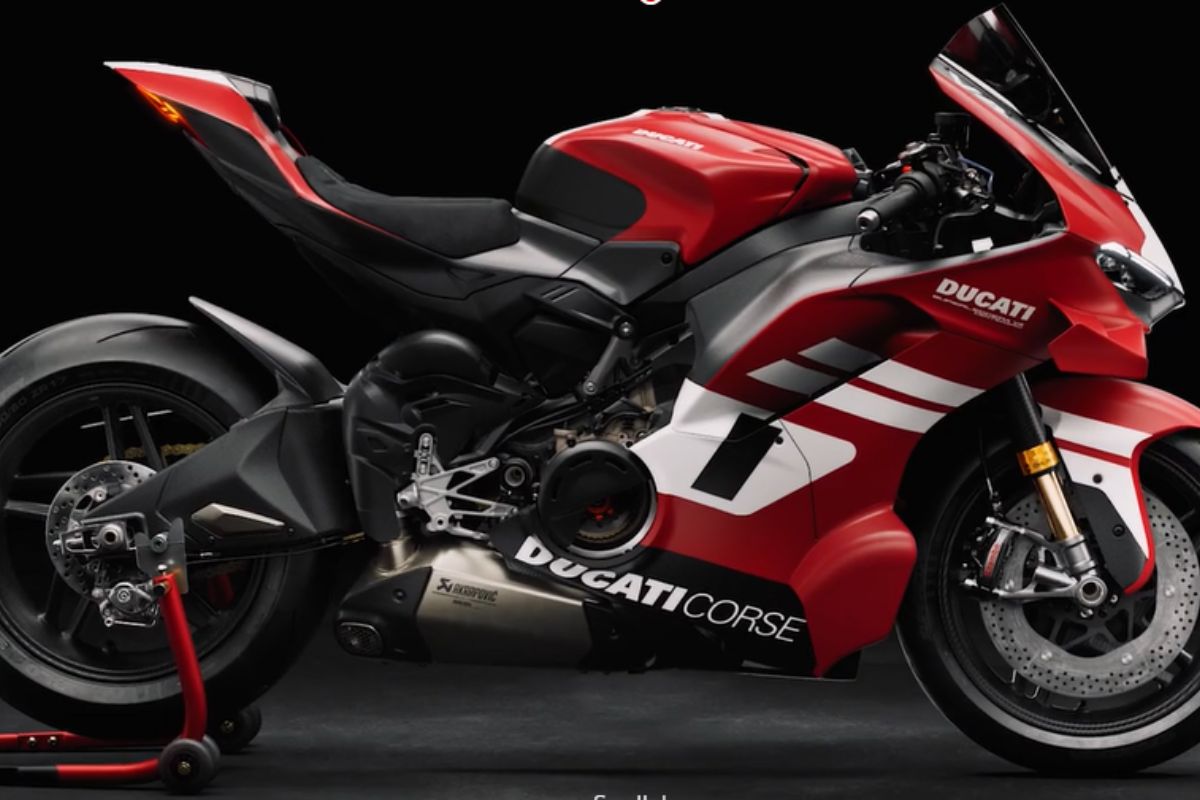
Ducati brings to Brazil the Superleggera V4 Centenario: 228 hp that become 247 with a track kit, carbon fiber and carbon-ceramic brakes, estimated price between R$ 1.5 and 2 million, deliveries only in 2027.
-
Used cars with electric steering for R$ 30,000: check out 5 practical and economical options for everyday use.

-
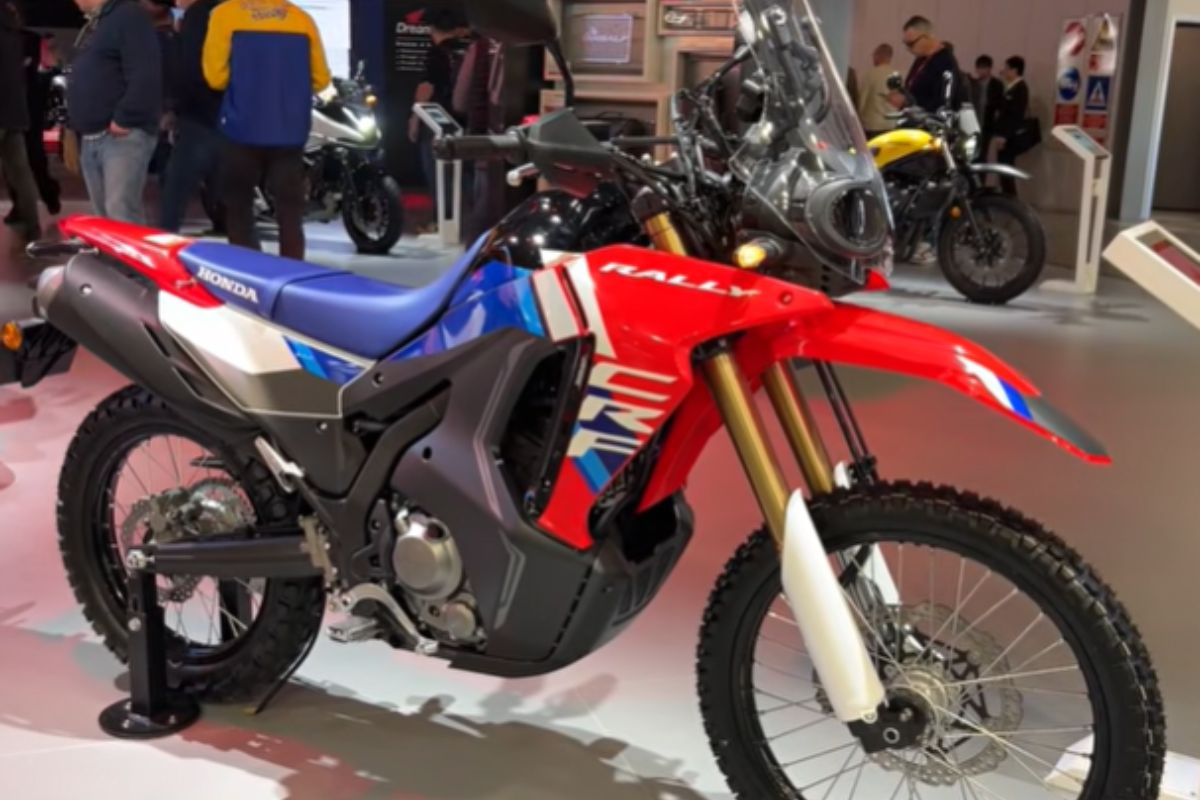
The 2026 Honda CRF 300L Rally ultra-light weighs 153 kg, travels 400 km with a 12.8 L tank, and handles both asphalt and dirt; it features a 286 cm³ engine, switchable ABS, and a slipper clutch.
-
Less than a Tera TSI, up to 710 km of range and charging in 9 minutes: the new BYD Song Ultra expands the Chinese brand’s bet on increasingly faster, more technological, and competitively priced electric SUVs.


Instead of betting on the dominant path among competitors, with four-valve cylinder heads on naturally aspirated 1.0 engines, the company adopted two valves per cylinder in the 1.0 and 1.3 versions, a decision directly linked to the objective of improving filling at lower regimes and simplifying the assembly.
At the same time, the family was part of the GSE project, an acronym used by the manufacturer for “Global Small Engine,” with aluminum components and design solutions aimed at streamlining production and maintenance.
In a statement about the line, FCA itself highlighted the modular nature, with the adoption of a single piston and cylinder size and the sharing of various components between the three and four-cylinder versions.

Two Valves Per Cylinder And Focus On Torque At Low Revs
The choice of two valves per cylinder may seem “conservative” when looking solely at the technical specifications.
However, in the Firefly project, this decision came with a clear argument: to reduce the number of parts in the valve train and avoid a more complex assembly at each cycle, which helps contain internal losses and may favor performance in urban use, where the engine spends more time away from the peak power range.
It was at this point that the 1.0 caught attention when it arrived in the brand’s compacts.
In tests and technical assessments published at the time, the 1.0 6V three-cylinder engine showed 77 hp on ethanol and 72 hp on gasoline, as well as 10.9 kgfm on ethanol and 10.4 kgfm on gasoline, always at 3,250 rpm, numbers that placed it at the top of the torque among naturally aspirated 1.0 engines in that market segment.
1.3 Firefly Engine And The Modular Logic In Practice
In the 1.3, the logic of modularity became even more evident.
Quatro Rodas itself described the 1.3 8V as, in practical terms, “the 1.0 engine with one more cylinder of the same size,” reinforcing the idea of a shared family and explaining why the two engines are often treated as variations of the same concept.
According to the publication, the 1.3 reached 109 hp and 14.2 kgfm with ethanol, in a package designed to replace the 1.4 Fire Evo in part of the range.
More than just the gain in numbers, the change had a practical effect: to provide more breathing room in acceleration and pickup without relying on high revs all the time, something valued in daily use and in lightweight cars.
Modular Project And The Reference To The Concept Used By BMW

The modularity of the Firefly has been officially treated as a pillar of the project, with a promise of component sharing and streamlining of production and maintenance.
Years later, when detailing the technical basis of the group’s turbo engines, Motor1 Brasil compared this modular architecture to a concept already seen at BMW, in the sense that the difference between engines with three, four, or more cylinders partly comes from the repetition of displacement modules and the increase in the number of cylinders.
This perspective helps contextualize why the Firefly became “the platform” for later evolutions.
Timing Chain Instead Of Belt And Impact On Maintenance
Another point often associated with the “unbreakable engine” is the replacement of the toothed belt with a chain in the timing system, something that directly affects the routine of inspections.
In a report about the trend of replacing belts with chains, Quatro Rodas cited the adoption of the chain in the Firefly 1.0 6V (in models like Mobi, Uno, and Argo) and the maintenance of the belt in the Fire family, emphasizing that the change was a design decision in this new generation.
This does not mean “zero maintenance,” but alters the type of service expected throughout the lifespan and, importantly, reduces the risk of an owner neglecting the scheduled belt replacement due to ignorance or cost, a common scenario in the used car market.
Start-Stop, Smart Alternator And Electronics In Compact Cars
The Firefly also connected to a more sophisticated electrical package.
In the presentation material for the family, FCA highlighted the Smart Charger, described as an intelligent alternator capable of optimizing battery recharging in moments like deceleration and slowdowns.
The start-stop system deserves an important contextual adjustment.
This system was not born with the Firefly: Stellantis itself registers that the Fiat Uno Evolution, in September 2014, was the pioneer in introducing the technology in a popular car in Brazil.
What changed with the Firefly was the dissemination of the feature in some configurations, as Quatro Rodas pointed out by saying that, in the tested 1.3 Firefly, the engine always came linked to the start-stop system, while before, the technology appeared in a specific version of the Uno.
Firefly As A Basis For Stellantis Turbo Engines
The bet on the Firefly family as an engineering basis is also evident when looking at Stellantis’ turbos in the country.
When addressing the topic, Motor1 Brazil noted that the group’s 1.0 and 1.3 turbo engines are based on the Firefly, with technology evolution and architecture adjustments to deliver more performance and efficiency.
In practice, the Firefly has become a significant step in the transition.
It arrived as a modern alternative to naturally aspirated engines and, at the same time, helped prepare the ground for a turbo flex generation that gained prominence in several group models.
After ten years on the road, with the popularization of turbos, mild electrification, and pressure for efficiency, the path chosen by Fiat in 2016 still makes sense for the average driver who wants response at low speeds and predictable maintenance — but, in a rapidly changing market, what will be the next “technological leap” that will descend from expensive cars to popular ones?







A verdade é que o motor mais frouxo **** fraco e durabilidade questionável, falta válvulas, desempenho de alta é ruim, Essa é a verdade economia de peças economia de tudo venda carroça para os brasileiros índio
Quem tem um carro com motor T200 turbo conhece a verdade…
Se seguir o Padrão da montadora, vai fazer 1 km com consumo de 1 litro de óleo, pois a Fiat não acerta mais nisso…
Isso já mudou faz tempo.
Meu Fiat não baixa óleo.