





 Portuguese
  English
  Spanish
  5 min of reading
  0 comments


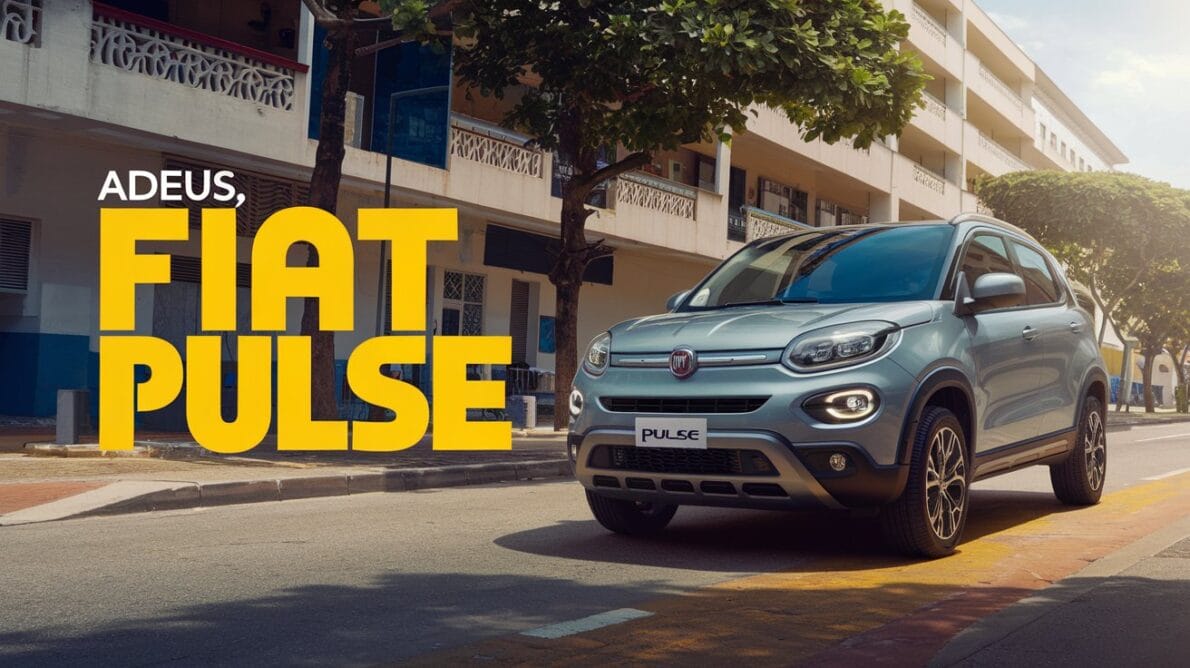
The Best-Selling Compact SUV From Fiat Is Going Through Radical Changes in 2025, Leaving Behind Traditional Engines and Truly Embracing Its New Hybrid Identity. The Decision Anticipates Global Trends and Redefines the Future of the Brand in Brazil.
The Fiat Pulse, one of the most popular compact SUVs from the Italian brand in Brazil, is undergoing a profound transformation in 2025: its exclusively combustion versions will cease to exist and the model will now be sold only in hybrid configurations.
The change follows an irreversible trend in the automotive sector and has been signaled since the launch of the electrified versions of the sports utility vehicle last year.
The automaker’s decision to retire the thermal versions Audace and Impetus T200 is part of a larger strategy aimed at electrifying Fiat’s vehicle lineup.
-
YouTuber creates an excavator equipped with a giant 4.5-meter sword to challenge his brother to a rematch, and the invention quickly goes viral on social media.

-
The U.S. Army surprises the world by presenting the UH-60MX Black Hawk helicopter capable of flying without pilots, controlled by a tablet, featuring the MATRIX system, smart sensors, and full autonomy in real combat and rescue missions.

-
Heineken’s factory in Brazil produces 300 million beer cans in just 4 months, reaches 1 million hectoliters, received R$ 2.5 billion, and is already projecting an annual capacity of 5 million with sustainable technology.

-
Inside an active volcano in Africa, residents use volcanic rocks to build houses in an impressive setting.


Interestingly, the transition is not directly linked to the requirements of PL8 – the new set of environmental regulations that governs the emissions of pollutants from cars sold in the country – but rather to a structured plan to offer a cleaner and more efficient portfolio.
Fiat Accelerates Electrification in Brazil
Since 2024, Fiat has already been offering the public hybrid options of the Pulse, temporarily coexisting with the traditional versions.
Now, in 2025, the scenario has changed: the exclusively combustion configurations have disappeared from the brand’s official configurator, highlighting the end of a cycle for the SUV.
This change, although expected, marks an important point in Fiat’s transition towards a more sustainable fleet.
The deadline for the sale of vehicles that do not meet the PL8 standards also coincides with this change, which may have accelerated the discontinuation of the old versions.
However, sources connected to Fiat assure that the decision was already underway even before the new rules came into effect.
How Does the Hybrid System of the Pulse Work?
The Fiat Pulse T200 Hybrid uses the renowned 1.0 turbo flex three-cylinder engine, capable of delivering 130 horsepower and 20.4 kgfm of torque.
The difference lies in the addition of a mild hybrid system, also known as MHEV (Mild Hybrid Electric Vehicle), which represents an intermediate solution between purely combustion vehicles and full hybrids.
The system features two 12V batteries – one lead-acid and one lithium-ion – which are managed by a module called DBSM (Dual-Battery Switch Module).
This component operates intelligently, activating each battery as needed, optimizing the vehicle’s performance and efficiency.
An electric motor replaces the traditional alternator and starter motor, kicking in primarily during starts and at low speeds.
This support reduces the load on the main engine, contributing to lower fuel consumption and reduced pollutant emissions.
Although it is not a full hybrid, the Pulse Hybrid achieves up to 10.7% fuel savings, according to data from the manufacturer.
This figure, while modest compared to more advanced hybrid systems, represents an important advancement in the Brazilian landscape, where hybrid cars are still gradually gaining traction.


Versions and Prices of the Pulse in 2025
The Fiat Pulse 2025 arrives at dealerships in four distinct versions, covering different price ranges and target audiences.
The entry version, Drive 1.3 CVT, still uses the naturally aspirated 1.3 flex engine and is available for R$ 116.990.
The version Audace T200 Hybrid, already with the mild hybrid system, starts at R$ 129.990.
The more complete and equipped version Impetus T200 Hybrid costs R$ 144.990.
Finally, the sporty Abarth T270, equipped with a 1.3 turbo engine and performance appeal, is offered for R$ 152.990.
These configurations show that Fiat intends to maintain diversity within the Pulse lineup, balancing entry-level options with more sophisticated models, without sacrificing electrification.
Fuel Consumption and Performance of the Hybrid Model
The fuel consumption figures of the Pulse T200 Hybrid vary depending on the type of fuel used, remaining within a competitive range for the segment.
With ethanol, the model delivers 9.3 km/l in the city and 10.2 km/l on the highway.
Fueled with gasoline, consumption improves to 13.4 km/l in urban areas and 14.4 km/l on highway trips.
Although it does not yet represent a revolutionary leap, the energy efficiency achieved by the mild hybrid system allows the model to be more economical without compromising performance, especially in urban usage.
Change Reflects Global Trend
Fiat is not alone in this journey towards electrification. Automakers worldwide already have solid plans to reduce – or eliminate – exclusively combustion versions by the end of the decade.
Brands such as Toyota, Volkswagen, Renault, and GM have also been increasing the number of hybrid or electric vehicles in their catalogs.
Tighter environmental legislation and increased ecological awareness among consumers are pressuring the automotive industry to reinvent itself quickly.
Even in Brazil, where flex engines still dominate, the landscape is beginning to change with the arrival of new hybrid and electric models from various brands.
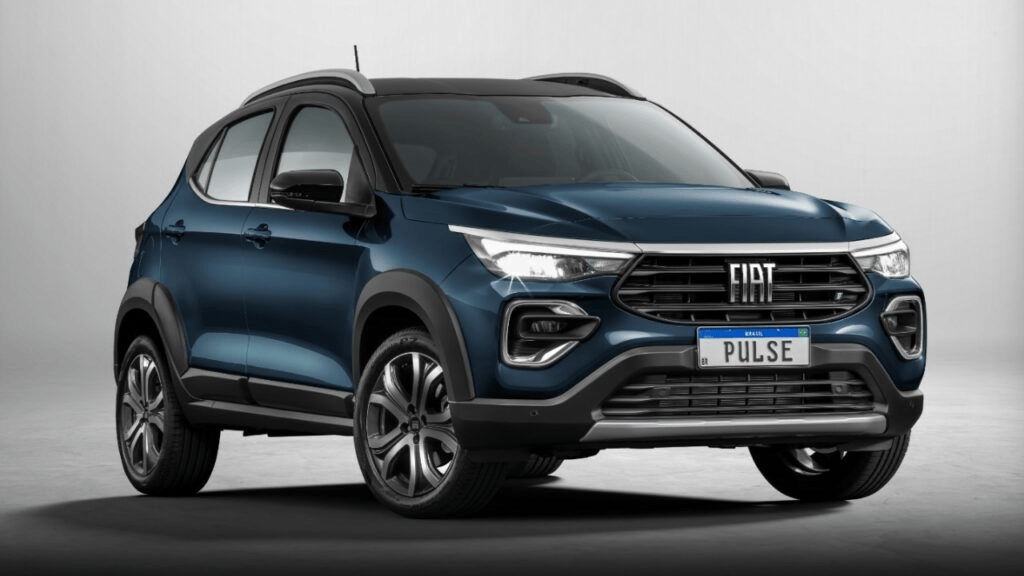
The Importance of the Pulse in Fiat’s Strategy
The Pulse represents much more than just a simple compact SUV for Fiat.
Launched in 2021, the model was the first sports utility vehicle 100% developed by the brand in Brazil, and quickly became one of the best-selling cars from Fiat in the country.
The transition of the Pulse to an almost fully electrified line marks a new chapter in the manufacturer’s history, signaling that future releases from the automaker will likely follow the same path.
Additionally, the choice to maintain a sporty version like the Abarth in the 2025 lineup shows that it is possible to reconcile performance and environmental efficiency, a challenge that many automakers still face.
In summary, the Fiat Pulse 2025 represents the consolidation of the Italian brand’s electrification strategy in Brazil, leaving behind traditional combustion versions and making way for a more sustainable portfolio connected to the future of mobility.
With this transition already underway, the expectation remains for what the next steps of Fiat in the Brazilian market will be, and how consumers will react to the new phase of the brand’s best-selling SUV.
Do you believe that partial electrification is enough to transform the market, or do you think that only 100% electric models will truly revolutionize the automotive sector?






Seja o primeiro a reagir!