





 Portuguese
  English
  Spanish
  11 min of reading
  0 comments


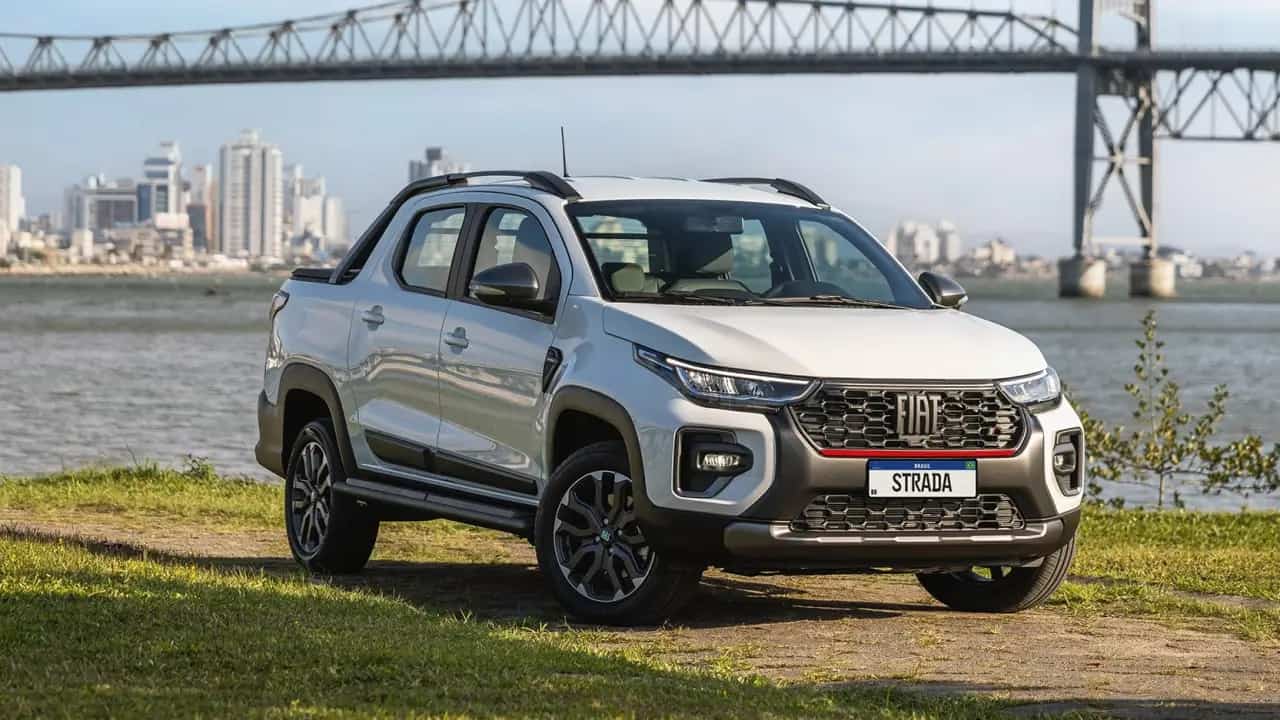
Fiat Strada Maintains Absolute Leadership in Brazil Since 2021, Selling 144,690 Units in 2024, Surpassing Polo and Onix, and Preparing New Generation for 2027/2028.
The Fiat Strada is not just the best-selling compact pickup in Brazil. It is the best-selling vehicle in the entire country, including passenger cars, SUVs, sedans, everything. Since 2021, it has held the absolute top spot in national sales, a feat that no other model has managed to maintain for four consecutive years in the history of the Brazilian automotive industry. In 2024, the Strada sold 144,690 units, with a 5.8% share of the total market. It surpassed the Volkswagen Polo by 4,500 units, which came in second place as the best-selling passenger car but lost overall. The Chevrolet Onix, a three-time historical champion from 2018 to 2020, came in only third with 97,500 units.
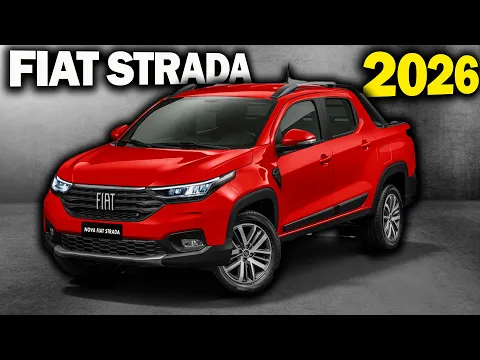
The 2026 lineup arrives at dealerships maintaining the recipe for success. Same platform, same engines, same configurations for single cab and double cab. Fiat knows it should not mess with a winning team. Changes will come only in 2027/2028 with the completely new third generation on Stellantis’ Smart Car platform.
Why Fiat Strada Dominates the Brazilian Market
The secret to the Strada’s success is not complex. It is the perfect marriage between three factors that matter to Brazilians: affordable price, extreme versatility, and low maintenance costs. No competitor can simultaneously match this tripod.
-
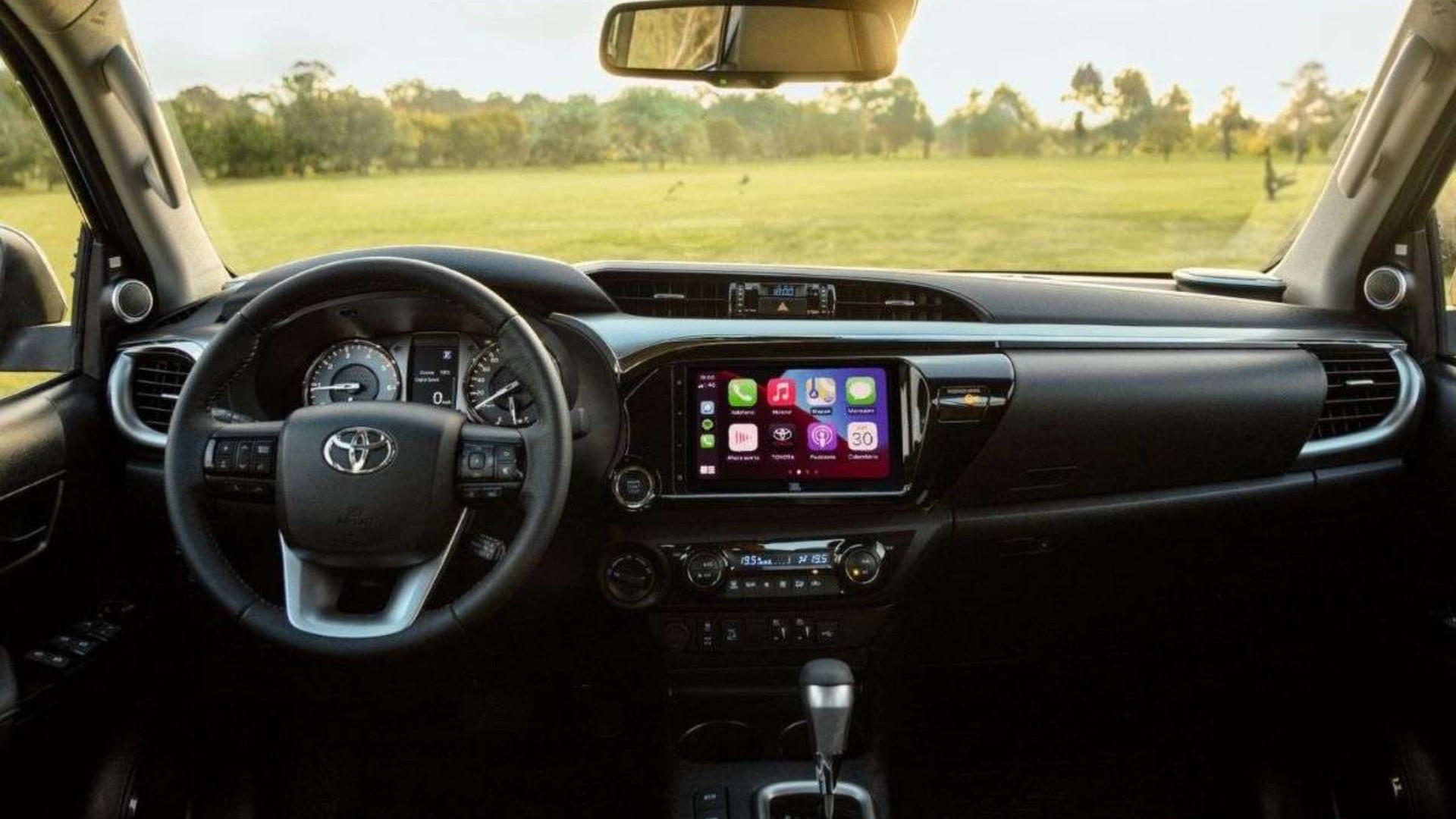
The Toyota Hilux is R$ 75.5 thousand cheaper and bets on the 2.8 turbodiesel engine with up to 204 hp and 50.9 kgfm to catch up with the VW Saveiro, which leads with 4,472 sales.
-
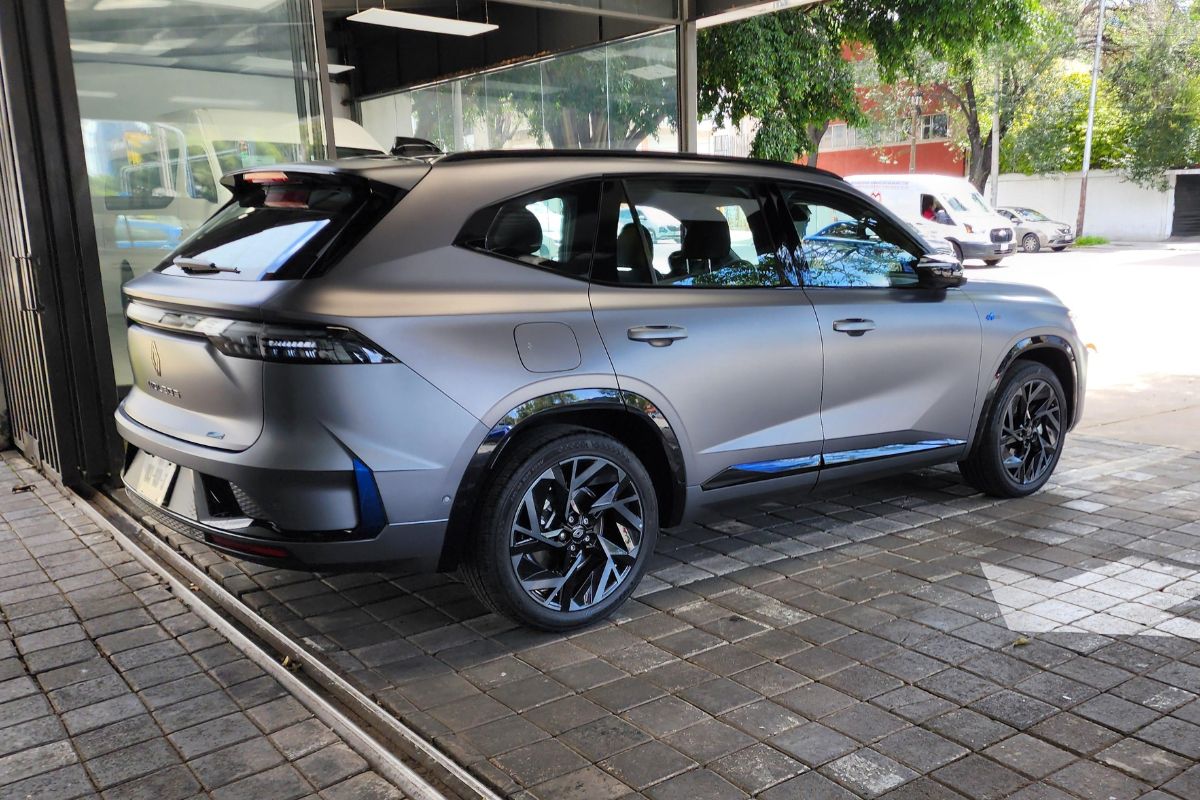
The new Renault Koleos has a screen exclusively for the passenger that is invisible to the driver, heated rear seats, and 29 assistance systems, but its Chinese competitors cost R$ 40,000 less and deliver more power.
-
The car stored for 38 years: when opening the barn door, what appears is breathtaking and looks like a scene from a movie!

-
Fiat works miracles in the Brazilian market, lowers the price of its 0 km hatch to R$ 69,990, reestablishes the model as the cheapest car in the country, and reignites the battle against Kwid and C3.



The entry-level Endurance single cab costs R$ 111,990. It is the cheapest new pickup in Brazil. It has a 1.3 engine, air conditioning, electric steering, stability and traction controls, hill-start assist, four airbags, bed lighting, onboard computer. A surprisingly complete standard equipment list for the base version.
The versatility is unmatched. The single cab accommodates two occupants and has a giant bed of 1,354 liters that carries 720 kg of payload. The double cab comfortably seats five people with a smaller bed of 844 liters and a capacity of 650 kg. It serves for heavy work from Monday to Friday and family outings on the weekend.
The total cost of ownership is unbeatable. The 1.3 aspirated engine is simple, reliable technology that any mechanic can fix. Parts are cheap and widely available throughout Brazil. Reasonable consumption of 12-13 km/l on the highway. Cheap insurance because it is a popular car. Controlled depreciation because there is huge demand in the used market.
Dealers love it because the single cab can be converted into a cargo van with a bed liner and a tonneau cover. Small business owners buy it because it replaces a utility vehicle at half the price. Taxi drivers in small towns prefer it because it carries luggage from tourists. Farmers use it because it withstands dirt roads.
The Seven Versions of the 2026 Strada

The 2026 lineup maintains seven different configurations covering from basic to fully equipped. Prices range from R$ 111,990 to R$ 149,990 depending on cab type, engine, and equipment level.
Strada Endurance Single Cab 1.3 MT – R$ 111,990 Pure work version. Single cab for two seats. 1.3 engine with 98 hp (gasoline) / 107 hp (ethanol). Five-speed manual transmission. Bed 1,354 liters / 720 kg. 15″ steel wheels. Comes with air conditioning, electric steering, 4 airbags, electronic controls, hill assist, bed lighting, onboard computer. It is a complete functional pickup for daily work without frills.
Strada Freedom Single Cab 1.3 MT – R$ 118,990 Adds to the Endurance: 15″ alloy wheels, electric mirrors, power windows, central locking, leather-wrapped steering wheel, better fabric seats. Maintains single cab and 1.3 engine. For those who want to work more comfortably without paying for a double cab.
Strada Freedom Double Cab 1.3 MT – R$ 126,990 First option for a double cab with five seats. Manual 1.3 engine. Bed reduced to 844 liters / 650 kg. Equipment same as single Freedom. Ideal for those who need to carry helpers or use it as a family car too.
Strada Volcano Double Cab 1.3 MT – R$ 129,990 Adds rear sensor, rear camera, 7″ multimedia center with Android Auto and Apple CarPlay, steering wheel audio controls, better upholstery. Still has the 1.3 manual engine. Now has the look of a modern technological car.
Strada Volcano Double Cab 1.3 CVT – R$ 135,990 Same equipment as the Volcano manual but with CVT automatic transmission. Engine remains the 1.3 with 107 hp. CVT eliminates gears, smooths driving, and eases urban traffic. Consumes a little more than manual.
Strada Ranch Double Cab 1.0 Turbo CVT – R$ 149,990 Top-of-the-line adventurous version. 1.0 turbo engine with 125 hp (gasoline) / 130 hp (ethanol) with a strong torque of 20.4 kgfm. Always CVT. Distinctive look with plastic protections, chrome roof rack, side steps, exclusive 16″ alloy wheels, chrome details. Interior upgraded with leather/fabric seats, premium finishes, 8.4″ multimedia. Factory-installed Ituran tracker.
Strada Ultra Double Cab 1.0 Turbo CVT – R$ 149,990 Alternative to the Ranch at the same price. More urban sporty look, less adventurous. Same turbo engine with 130 hp, CVT, technological equipment, Ituran tracker. The difference lies in aesthetic details: no side steps, more discreet protections, different design wheels, slightly different interior finish.
1.3 Aspirated Engine: Old Reliable
The 1.3 Firefly engine powers five of the seven versions. It is a four-cylinder aspirated flex engine with 98 hp (gasoline) or 107 hp (ethanol). Torque of 13.1 kgfm (gasoline) / 13.6 kgfm (ethanol). Simple technology: 8 valves, overhead camshaft, multipoint fuel injection.
It is neither powerful nor efficient by modern standards. But it is robust, reliable, and cheap to maintain. It runs smoothly on regular gasoline without demands. It accepts ethanol without issues. It does not break easily. Any mechanic can fix it. Parts cost pennies compared to modern turbos.

The performance is adequate when empty. It accelerates reasonably in urban traffic. On the highway, it maintains 120 km/h without distress. With a heavy load and five occupants, it becomes impaired. Uphill climbs require low gear and patience. Overtaking needs planning.
Inmetro consumption: 13.1 km/l city and 14.6 km/l highway (manual gasoline). In real life expect 10-11 km/l city and 12-13 km/l highway. With CVT, consumption slightly increases: 12.4 km/l city / 13.8 km/l highway. With ethanol, it drops to 8-9 km/l mixed usage.
The five-speed manual transmission is short, revs high in fifth gear. CVT simulates seven gears, smoothens the drive but takes away some performance. There is no sport or manual mode. It is a box focused on urban comfort.
1.0 Turbo Engine: The Differential of Top Versions
The Ranch and Ultra versions feature a completely different engine. It is the three-cylinder 1.0 turbo flex from the Firefly T200 family. It develops 125 hp with gasoline and 130 hp with ethanol. Impressive torque of 20.4 kgfm available from 1,750 rpm.
It may seem little on paper but makes a huge difference in practice. The turbo delivers strong thrust at low rpm. Acceleration is vigorous. Overtaking becomes a simple task. With a load in the bed and five occupants, it still has breath. Uphills are not intimidating.
The only available transmission is CVT, which works well with the turbo. It leverages the torque curve, keeping the engine in the ideal range without needing constant shifts. It simulates seven gears to give the feel of a conventional gearbox but works as a pure CVT.
Official consumption: 12.1 km/l city / 13.2 km/l highway (gasoline). In real-world use: 9-10 km/l city / 11-12 km/l highway. It consumes marginally more than the 1.3 CVT but offers much more performance. The investment is worth it.
The problem is the price. Turbo versions cost R$ 20,000 more than the 1.3 Volcano CVT. For many buyers, this differential does not make sense. They prefer to save R$ 20,000 and tolerate less power. But those who work hard carrying loads or driving a lot on highways feel the difference immediately.
Payload Capacity: The Commercial Tool
The bed is the protagonist when it comes to Strada work. The single cab offers 1,354 liters of volume and a payload capacity of 720 kg. These are impressive numbers for a compact pickup. It can carry a refrigerator, stove, washing machine, disassembled furniture, construction materials, cement bags, everything.
The double cab reduces to 844 liters and 650 kg because the rear part accommodates seats for three people. Even so, it has a capacity superior to most competitors. Enough for tools, equipment, products, small goods.
The ground clearance is the best in the segment: 214 mm. Approach angles of 24° and departure of 28° surpass rivals. This means that the Strada can pass over bumps, ditches, potholes, and bad roads without scraping fenders or bumpers. Important for those who work in construction sites, farms, and rural areas.
The anchoring system has four fixed lower hooks plus up to six movable upper hooks. LED lighting in the bed works independently of external light, allowing work at night. Side protectors prevent dents. The tailgate opens 180°, facilitating loading and unloading.
A tonneau cover and bed liner are the best-selling accessories. They transform the pickup into a closed van, protecting loads from rain, dust, and theft. Many dealers use it this way permanently. Others leave it open to carry large volumes that exceed height.
Interior: Functional Without Luxuries
Inside, the Strada is honest. It has no premium pretensions. It is functional, durable, and easy to clean. Rigid plastics prevail. Simple, resistant upholstery. Standard fabric or synthetic leather seats in higher versions.
The instrument panel is analog with two circular gauges: speedometer and tachometer. A small central digital display shows the onboard computer with consumption, range, average speed, external temperature, odometer. No colored digital TFT dashboard. It is an old solution but works well.

The multimedia center varies by version. The base model has a basic radio. From Volcano onwards, it receives a 7″ touchscreen with Android Auto and Apple CarPlay. Ranch and Ultra upgrade to 8.4″ with a more modern interface. The quality of the screens is unimpressive. Touch sensitivity is average. The sound system is basic with four speakers.
Air conditioning is manual in all versions. It does not have automatic digital climate control or dual-zone control. But it works well, cools adequately, and is easy to operate.
The steering wheel has height adjustment only, not depth. Higher versions come with synthetic leather covering and audio controls. It is comfortable to hold, has an adequate diameter, but lacks complete controls such as speed limiters or assistants.
The front seats are reasonably comfortable for daily use. There is no lumbar adjustment or height adjustment. The driver’s seat slides forward/backward and reclines. Simple but sufficient. In the double cab, the rear seat accommodates three adults with acceptable comfort on short/medium trips.
Technology and Connectivity: The Basic Functional
The 2026 Strada is not a reference in technology. It offers essential functionality without major innovations. Electronic stability and traction controls are standard in all versions since Endurance. Hill-start assist holds the car on the slope for two seconds.
Four front airbags equip the entire range: two in the dashboard for driver and passenger, two side airbags in the front seats. It does not have curtain airbags for head side protection. Three-point seatbelts for all five occupants (double cab).
ISOFIX system for child seat attachment is present in both outer rear seats. The third central point does not have ISOFIX. Safety locks on the rear doors prevent children from opening from the inside.
Volcano versions onwards have a rear sensor and camera. The camera image appears on the multimedia screen with trajectory guide lines. The sensor beeps when approaching obstacles. Useful for maneuvering the long pickup in tight spaces.
Cruise control (automatic pilot) does not exist in any version. Not even in the top-of-the-line Ranch/Ultra. This absence is felt on long trips. More expensive competitors like the Volkswagen Saveiro already offer it.
Blind spot alert, automatic emergency braking, lane-keeping assist, sign recognition, fatigue alert: none of this exists in the Strada. There is not even a forecast for it to arrive. The pickup maintains a basic functional philosophy without advanced electronic aids.
Ranch and Ultra Versions: Exclusive Differentials
The two top-of-the-line versions cost R$ 149,990 and come with a unique special package in the segment. In addition to the 130 hp turbo engine, they include factory-installed Ituran tracker with up to 25% discount on insurance.
The Ituran system has 24-hour monitoring, activation in case of theft, GPS tracking, panic button, remote engine lock. It is not included in the price. The customer chooses whether to activate it by paying a separate monthly fee. But having it factory-installed greatly simplifies the process.
The adventurous look of the Ranch includes: black plastic protections on bumpers and skirts, chrome roof rack, side steps, exclusive 16″ alloy wheel design, Ranch badges, side stickers. It looks like an off-road pickup.
The Ultra has a more urban sporty look: no side steps, more discreet protections, 16″ wheels with a different design, more modern less adventurous finish. For those who want turbo and equipment but do not like the rustic aesthetics of the Ranch.
The interiors of both are identical: synthetic leather seats with fabric details and Fiat Flag stitching, 8.4″ multimedia, soft-touch finishes in strategic points, leather-wrapped steering wheel, chrome details, ambient lighting. It raises the level of refinement versus intermediate versions.
Competition: Competing in a Fragmented Market
The Strada dominates compact pickups but faces direct competitors fighting for smaller market shares. The Volkswagen Saveiro sold about 45,000 units in 2024, coming in a distant second place. The Chevrolet Montana registered approximately 35,000.
The Renault Oroch is practically out of the game with less than 10,000 annual units. Fiat Toro competes in a higher category (mid-size pickup) but takes away some customers willing to pay more. Toyota Hilux and other medium/large pickups play in a completely different league.
Saveiro has a 1.6 aspirated engine with 120 hp, more powerful than Strada’s 1.3. It offers slightly better interior finishes. But it costs more: starting at R$ 125,000 versus R$ 112,000 for the Strada. The single cab no longer exists, only double. Bed is smaller. Sales are half that of the Strada.
Montana has a more modern design, a 1.2 turbo engine with 133 hp, superior technology with OnStar. It starts at R$ 135,000, well above the Strada. The bed is smaller and less deep. Payload capacity is inferior. The focus is on lifestyle urban pickup, not heavy work. Modest sales prove that Brazilians prefer function over style.
The Oroch is outdated, expensive, with minimal sales. The Nissan Frontier Attack single cab for work costs R$ 170,000, out of reach for small entrepreneurs. The Strada maintains almost absolute dominance in the compact work pickup segment with a competitive price.
New Generation Arrives in 2027/2028
The current Strada (second generation) was launched in 2020 on a mixed platform derived from the Argo/Cronos. It is in the middle of its life cycle. Fiat is already working on the third generation scheduled for 2027 as the 2028 lineup.
The new Strada will have revolutionary changes. It will use Stellantis’ STLA Smart platform (formerly CMP), the same base as the future Fiat Grande Panda, Peugeot 208/2008, Citroën C3/Basalt. It is a modern multienergy architecture that accepts combustion, hybrid, and electric.
The design will follow the Dolce Virtual concept revealed in 2024. Pixelated LED headlights. Imposing front grille. More robust straight lines. Modern connected taillights. An aggressive contemporary look far from the current boxy style.
The interior will gain a large digital dashboard replacing the analog displays. Multimedia of 10″ or larger. Better materials. Advanced connectivity. Digital climate control. Driver’s seat with electric adjustments. A significant qualitative leap.
The engine lineup will include a hybrid version for the first time. A 1.0 turbo electric engine similar to that used in the Pulse/Fastback Hybrid. Promising 15-16 km/l in the city. It will maintain pure combustion 1.0 turbo options and possibly the 1.3 aspirated.
Technology will bring ADAS aids: automatic braking, blind spot alert, lane assist, adaptive cruise control. Safety will feature six airbags as standard. Full LED headlights. 360° sensors. Everything that is lacking today.
Production will be in Betim. The first test mules will run by 2025. Launch is scheduled for mid-2027. Until then, the current second-generation maintains strong sales without the great need for deep updates. A winning team should not be changed.







-

Uma pessoa reagiu a isso.