





 Portuguese
  English
  Spanish
 6 min of reading
  0 comments


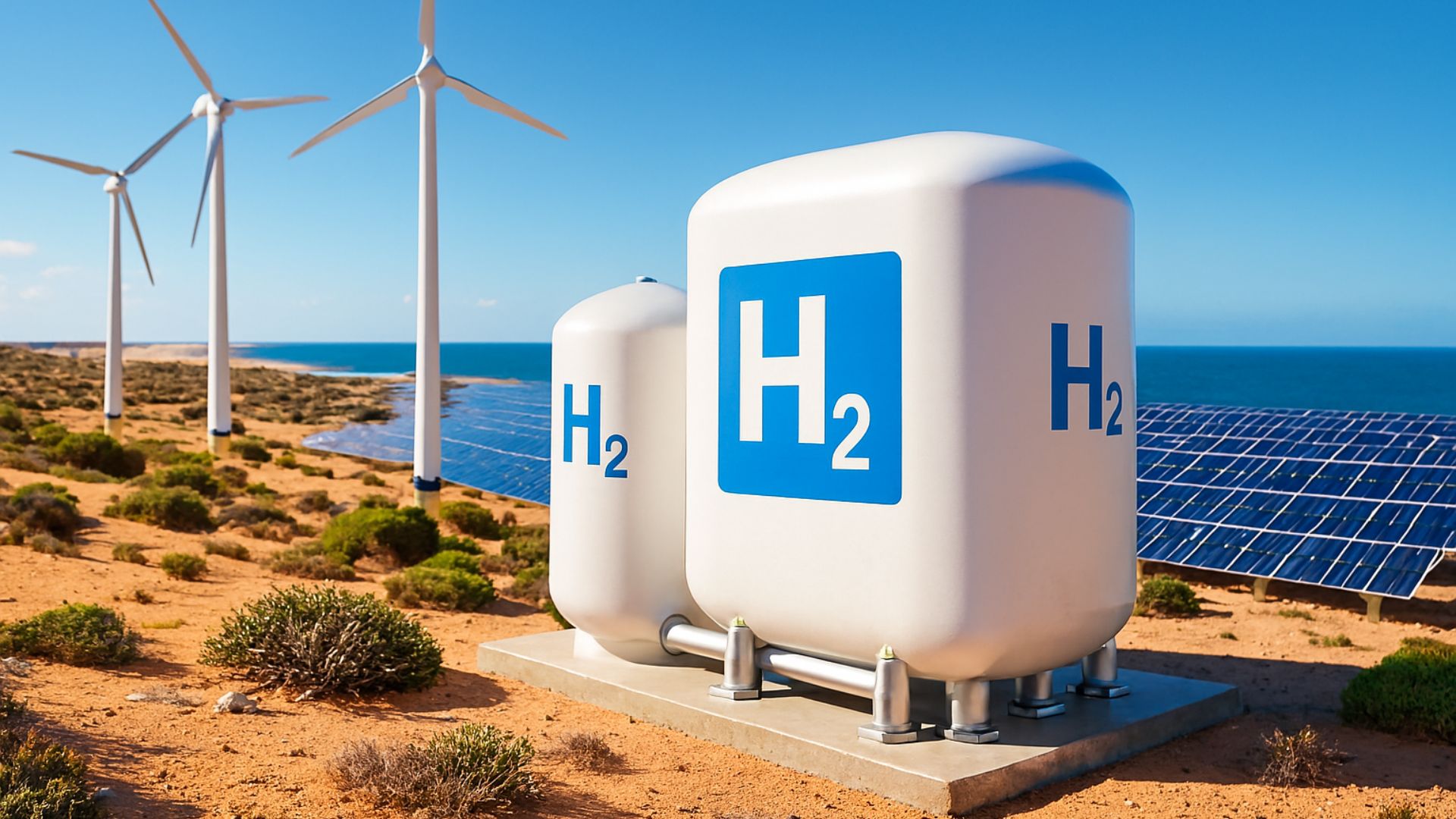
The Government of Ceará and FIEC Advance in the Energy Transition with an Unprecedented Study Mapping Strategic Competencies to Boost Green Hydrogen and the Sustainable Economy in the State
On October 14, 2025, the Ceará Industry Observatory, linked to the Federation of Industries of the State of Ceará (FIEC), launched the unprecedented study “Education and Competencies for the Future: Green Hydrogen”. The presentation took place during the H2LATAM Summit Brazil, a reference event in clean energy, held in Fortaleza.
Objectives of the Unprecedented Study by FIEC on Green Hydrogen
The initiative, developed in partnership with the Government of Ceará, through the Ceará Development Agency (Adece), the Secretariat of Economic Development (SDE), and the Pecém Industrial and Port Complex (CIPP S/A), aims to anticipate the skills and professions that will be essential in the new economy based on green hydrogen and the energy transition.
The main goal is to prepare Ceará to be a leader in the sustainable energy sector, consolidating its position as a national and international reference in the production and export of green hydrogen.
-
Ibitu Energia is advancing with a billion-dollar investment in renewable energy in Piauí and boosting economic growth by expanding production capacity, generating jobs, and attracting new businesses related to the energy transition.
-
Boosting the energy transition: European Union releases €20 million funding to modernize the system and optimize electricity grid storage.
-
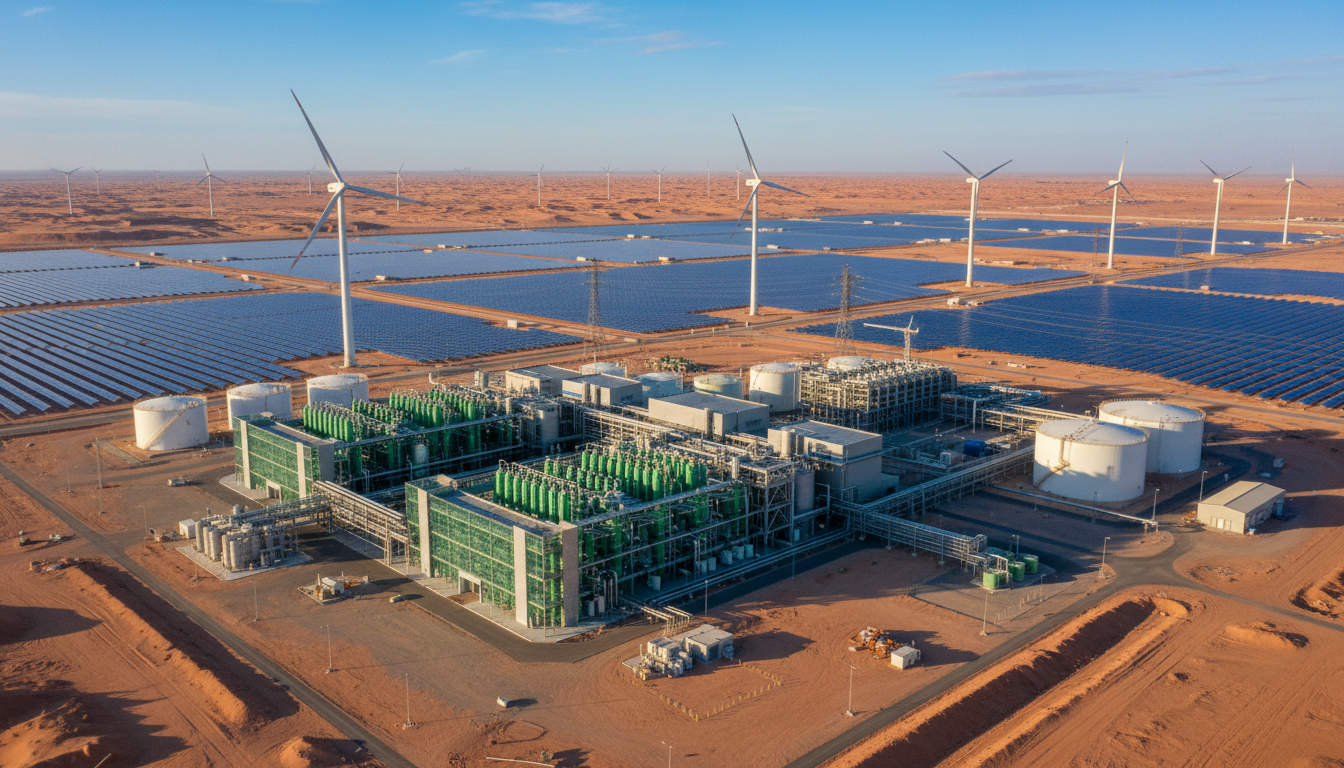
In the Saudi Arabian desert, the world’s largest green hydrogen plant is 80% complete and will use 4 gigawatts of solar and wind energy to produce 600 tons of clean fuel per day when it opens in 2027.
-
Instability in the energy market drives investments in renewables and starts the global race for the electric transition.

The survey was based on international methodologies and counted on the collaboration of universities, companies, productive sector entities, and public agencies. The study proposes a forward-looking analysis of the technological and industrial transformations that will shape the green hydrogen chain in the next ten years.
25 strategic professional profiles necessary for the sector’s development in the state were identified. Each profile is associated with specific functions, ranging from production and transport to storage and safety of hydrogen. The report also details the technical competencies required, market trends, and time horizons — short (2026 to 2028), medium (2029 to 2032), and long term (2033 to 2035).
The unprecedented study was presented during the H2LATAM Summit Brazil with the presence of representatives from international companies such as Siemens, Neuman-Esser, PILZ, Enovias Industries, and LBBW Bank, who discussed Brazil’s and the Northeast’s role in the low-carbon economy.
Partnership Between FIEC and the Government of Ceará Strengthens the Energy Transition
The project is part of a set of actions that are part of the Ceará Green Hydrogen Master Plan, a strategic document that guides the industrial and environmental planning of the state. The plan was created to position Ceará as one of the main hubs for the production and export of green hydrogen in the southern hemisphere.
According to FIEC’s chief economist, Guilherme Muchale, human capital is the central element of the new energy economy. He emphasized that the study serves as a compass for universities, technological centers, and industries to identify which competencies will be required in the coming years.
For the president of Adece, Danilo Serpa, the initiative demonstrates the Government of Ceará’s commitment to aligning education, innovation, and sustainability. He reinforced that the study will help ensure that the state has qualified professionals capable of sustaining the growth of the new energy market.
Professional Training and Qualification: Pillars of the New Green Economy
The executive secretary of the Industry of SDE, Brígida Miola, emphasized that there is no energy transition without people prepared to implement it. She stated that Ceará is already recognized as a national reference in renewable energies, and is now also consolidating itself in the green hydrogen segment.
According to Miola, the formation of qualified labor is a strategic pillar for the state to stand out globally. This requires cooperation between public and private institutions, universities, technical schools, and System S entities.
The study also proposes professional training pathways, suggesting the creation of new technical and higher education courses focused on the hydrogen economy, including areas such as automation, electrochemistry, process engineering, logistics, and industrial safety.
Additionally, the document recommends exchange programs and international partnerships with centers of excellence in countries that already have advanced green hydrogen policies, such as Germany, Japan, and Australia. These connections can accelerate local technological development and generate job opportunities for Ceará professionals.
Expected Impacts and Challenges in Implementing the Unprecedented Study by FIEC
With the publication of the study, the expectation is that the productive sector and the academic community will adjust their qualification strategies, creating a favorable environment for innovation and attracting investments.
Among the main expected impacts are:
- Curricular Adjustment in universities and technical schools, with subjects focused on energy transition.
- Planning for Emerging Careers, identifying roles that will emerge with the advancement of green hydrogen.
- Attraction of International Companies interested in qualified labor in the Northeast.
- Reduction of the shortage of specialized professionals, decreasing dependence on technicians from other states.
However, the implementation of the plan faces significant challenges. One of them is the need for integration among different institutions, ensuring that the knowledge generated is applied in a coordinated manner. Another point is the lack of technological and laboratory infrastructure, which still limits practical training in some areas of the sector.
Furthermore, the speed of updating curricula and educational programs will be crucial. The rapid pace of energy innovation can quickly render knowledge obsolete. Thus, it is essential for institutions to maintain continuous programs for updating and training faculty.
The Role of Ceará in the Global Energy Transition
The state of Ceará has stood out in recent decades as one of Brazil’s main clean energy hubs. Since the consolidation of the wind and solar matrix, the state government has increased investments in port infrastructure, logistics, and applied research.
The emergence of green hydrogen reinforces this trajectory. The Port of Pecém, for instance, already has memoranda of understanding with international companies interested in producing and exporting the fuel.
Estimates indicate that the sector could generate thousands of direct and indirect jobs by 2035, boosting the economy and strengthening Ceará’s trade balance. Ceará, due to its strategic location and energy potential, is well-positioned to lead this transformation.

Future Projections and Strategic Importance for the Development of Ceará
The launch of the unprecedented study conducted by the FIEC and the Government of Ceará marks a milestone in the consolidation of public policies focused on innovation and sustainability. The document not only maps competencies but also proposes concrete actions to prepare the workforce that will support the new energy matrix.
In a global context where decarbonization is a priority, green hydrogen emerges as a clean and viable alternative to replace fossil fuels. For Ceará, this means not only environmental gains but also economic and social opportunities — from job creation to the establishment of new technological hubs.
The success of the initiative will depend on continuous cooperation between the public sector, private sector, and academia, focusing on the practical implementation of the plan. Investments in technical training, research infrastructure, and international partnerships will be crucial to transforming the identified potential into real results.
The partnership between FIEC and the Government of Ceará reaffirms the state’s commitment to the future of sustainable energy, consolidating Ceará as a national reference in green hydrogen and energy transition. This long-term vision positions the state at the forefront of the clean economy and projects the Northeast as a leader in a new development cycle based on innovation and sustainability.





Seja o primeiro a reagir!