





 English
  Francês
  Alemão
  Italiano
  Japonês
  Norueguês
  Portuguese
  Spanish
  3 min of reading
  0 comments


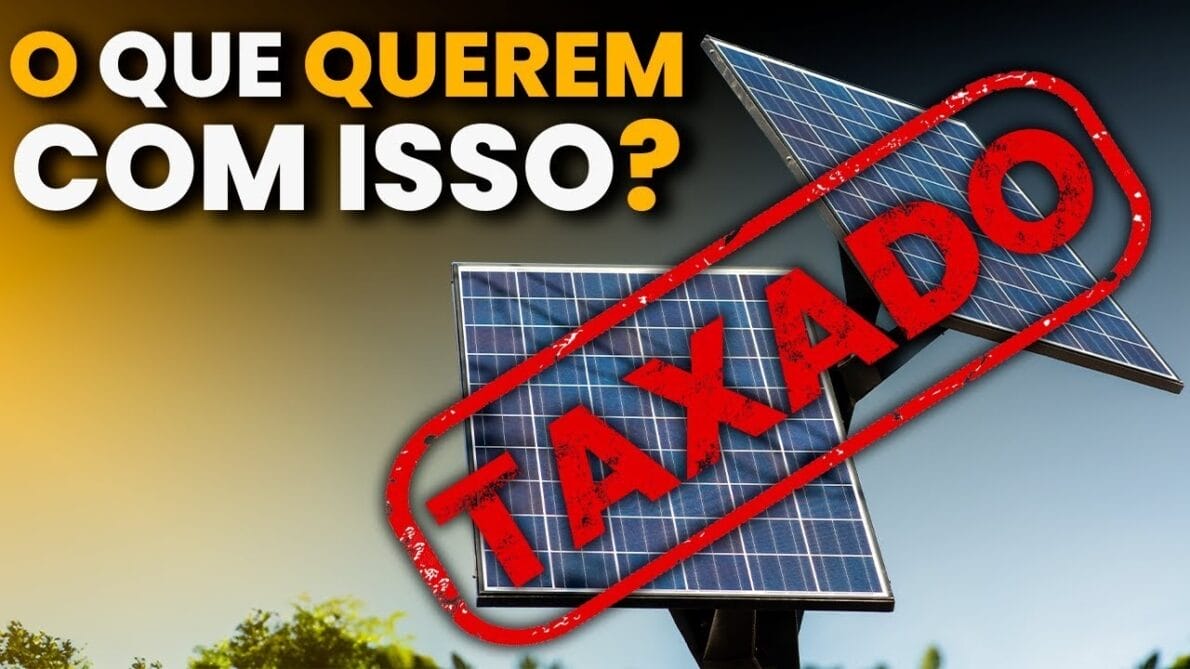
Could New PL 4831/2023 Signal the End of Solar Energy? Understand How the Taxation of Solar Energy Will Work with Simple and Practical Examples and Whether It’s Still Worth Investing in the Segment.
Starting this year of 2024, the approval of PL 4831/2023 will introduce a new tax on solar energy, specifically a 30% increase in the Distribution System Use Tariff (TUSD wire B). This adjustment will make the cost of electricity generated by solar panels significantly higher. This change has raised a number of questions and concerns among those interested in adopting photovoltaic systems in their homes or businesses. In light of this scenario, many are asking: Are we witnessing the beginning of the decline of solar energy as a viable alternative for clean and sustainable energy generation?
Understand How the Taxation of Solar Energy PL 4831/2023 Is Determined
The taxation of solar energy does not apply to the total amount of energy injected into the electricity grid, but rather to the electricity that is compensated within the utility’s grid. The solar generation rate is calculated based on the Wire B Tariff, which represents the charge for transporting energy in the distribution network. This taxation of solar energy, PL 4831/2023, occurs gradually, starting at 15% for 2023, 30% in 2024, 45% in 2025, 60% in 2026, 75% in 2027, and so on.


A customer without solar energy who consumes 500 kWh per month, using an average rate of 0.62 cents, would spend around R$ 310 (500 multiplied by 0.62) not including taxes and the public lighting fee. If this same customer installs a photovoltaic system in 2024, with the same consumption, they would pay R$ 34 in Tax (Wire B) and R$ 62 in availability costs.
-
Renewable energy advances over protected areas in Brazil, and a survey by the Energy Transition Observatory reveals silent impacts that challenge environmental conservation and pressure sensitive traditional territories.

-
Rio Grande do Sul accelerates energy transition: State invests in renewable technologies and consolidates decarbonization strategies and pathways to attract billions in new industrial investments.

-
With 160,000 m² of collectors, an area larger than 20 football fields, Silkeborg, in Denmark, hosts a solar thermal plant that heats 19,500 homes and could become the largest solar heating plant in the world.

-
A study reveals the expansion of renewable energy procurement in Brazil and shows how companies are taking advantage of opportunities to reduce expenses, ensure energy efficiency, and strengthen strategic environmental commitments.


The new solar energy taxation law states that the customer can choose between the higher monetary value of the two amounts. Since R$ 62 is greater than R$ 34, the customer will not pay the solar energy tax in 2024.
What Happens If the Customer Compensates More Than They Consume with the New PL 4831/2023?
If a customer with a photovoltaic system consumes 500 kWh and injects 600 kWh into the grid, they will not be compensated, as they can only inject a maximum amount consumed, which in this case is 500 kWh. Injected energy is different from compensated energy, and many people confuse this aspect. Therefore, the tax is calculated based on the maximum energy consumed and not the amount injected into the grid. In this example, a credit of 100 kWh is generated that can be used within 60 months.
The tax from PL 4831/2023, which in this case is R$ 34, tends to increase over the years. Following this reasoning, only in 2026, when the tax reaches R$ 69, will this customer pay the Wire B tax. Thus, even with larger systems, this taxation will not bring the end of solar energy, as it will continue to be very viable.
Can Solar Energy Panels Become More Expensive?
A measure that has caused fear in the sector and could lead to the end of solar energy is the end of the reduction of the import tariff on assembled solar panels, as similar production exists in Brazil. The tariff change was approved by the government on December 12, 2023, and, according to the Brazilian Association of Electrical and Electronic Industry (Abinee), this will benefit the national production of photovoltaic modules.
At that time, it was also determined to revoke 324 former tariff exemptions for this product, from a total of more than 900, which were exempt from import tax. According to the executive president of Abinee, Humberto Barbato, the initiative is smart and aims to give the country more capacity to add value to its natural resources without impacting the consumer market, as the measure is gradual. Therefore, there is no need to worry about the end of solar energy.









Seja o primeiro a reagir!