





 Portuguese
  English
  Spanish
  5 min of reading
  0 comments


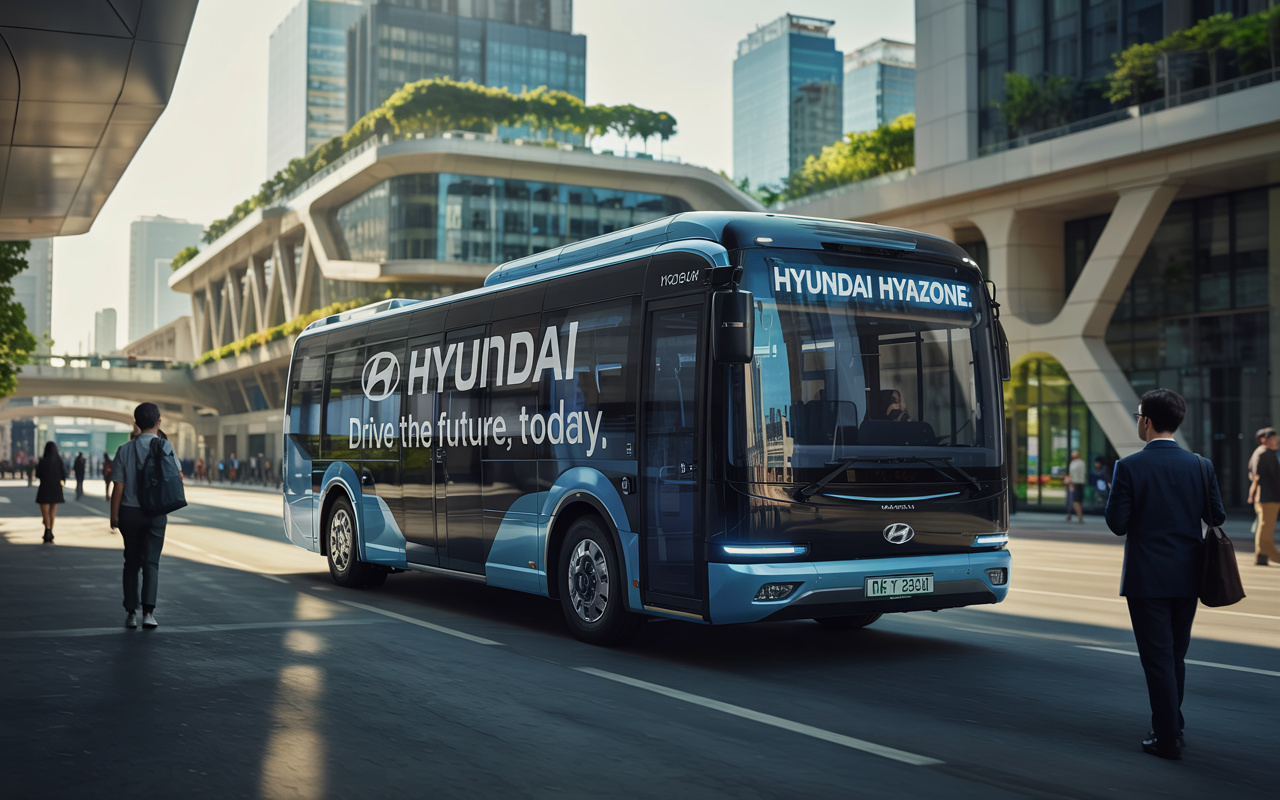
New Hyundai Bus Redefines Long-Distance Transport: Hydrogen Bus with 960 km Range Reduces Emissions and Offers Unprecedented Efficiency and Sustainability
In August 2025, Hyundai presented to the international market the Universe 2026 Hydrogen-Electric Bus, a model that promises to change the future of long-distance public transport. The vehicle stands out for its impressive range of 960 kilometers on a single hydrogen refueling, a 51% efficiency leap compared to the previous model.
The innovation comes amid a global movement for energy transition, where India, Europe, and North America are also advancing with projects for fuel cell-powered buses. The question that arises is clear: Is diesel about to lose ground in passenger transport on highways?
Hydrogen Bus and Global Energy Transition
The decision to invest in clean alternatives reflects a growing concern: transport is one of the main contributors to greenhouse gas emissions. According to the International Energy Agency (IEA), the sector accounts for about 25% of global CO₂ emissions related to energy.
-
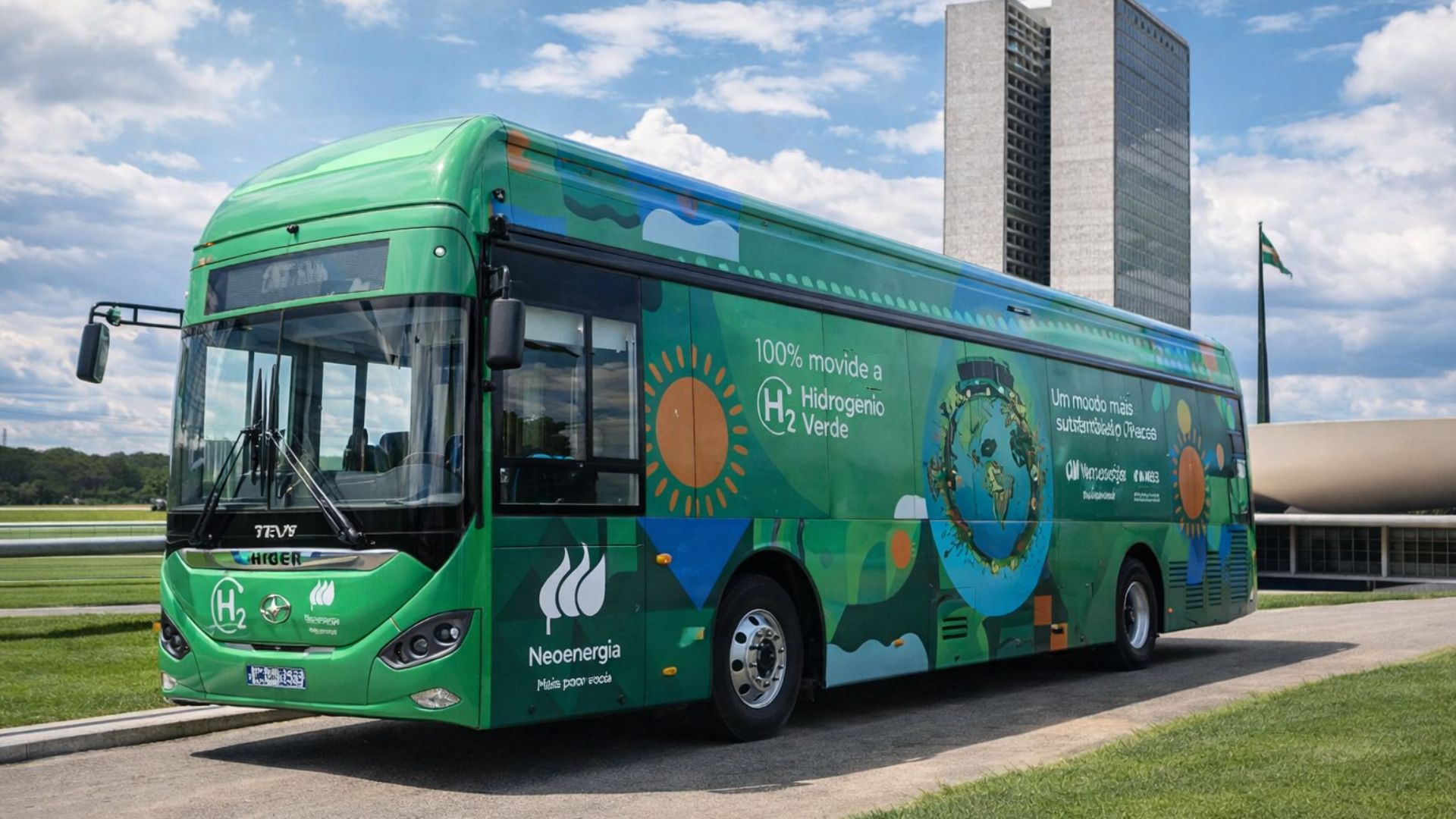
The Federal District bets on innovation and sustainability by launching a hydrogen-powered bus on a new tourist route, promising to reduce emissions and transform the urban experience for residents and visitors.
-
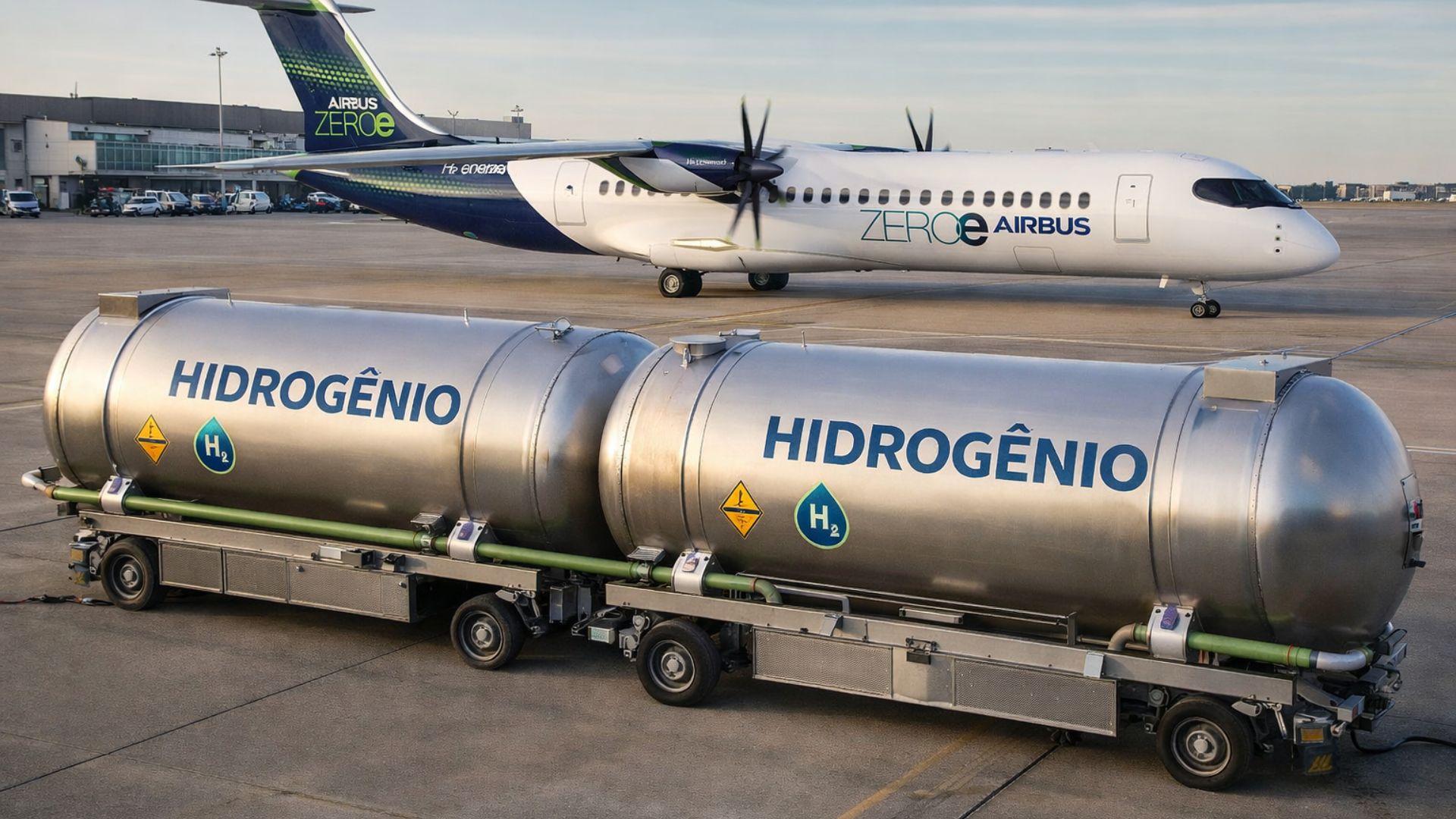
Hydrogen gains strength in aviation with Airbus and its fuel cell aircraft, potentially paving the way for sustainable flights, reduced environmental impact, and a new energy era in global air transport.
-
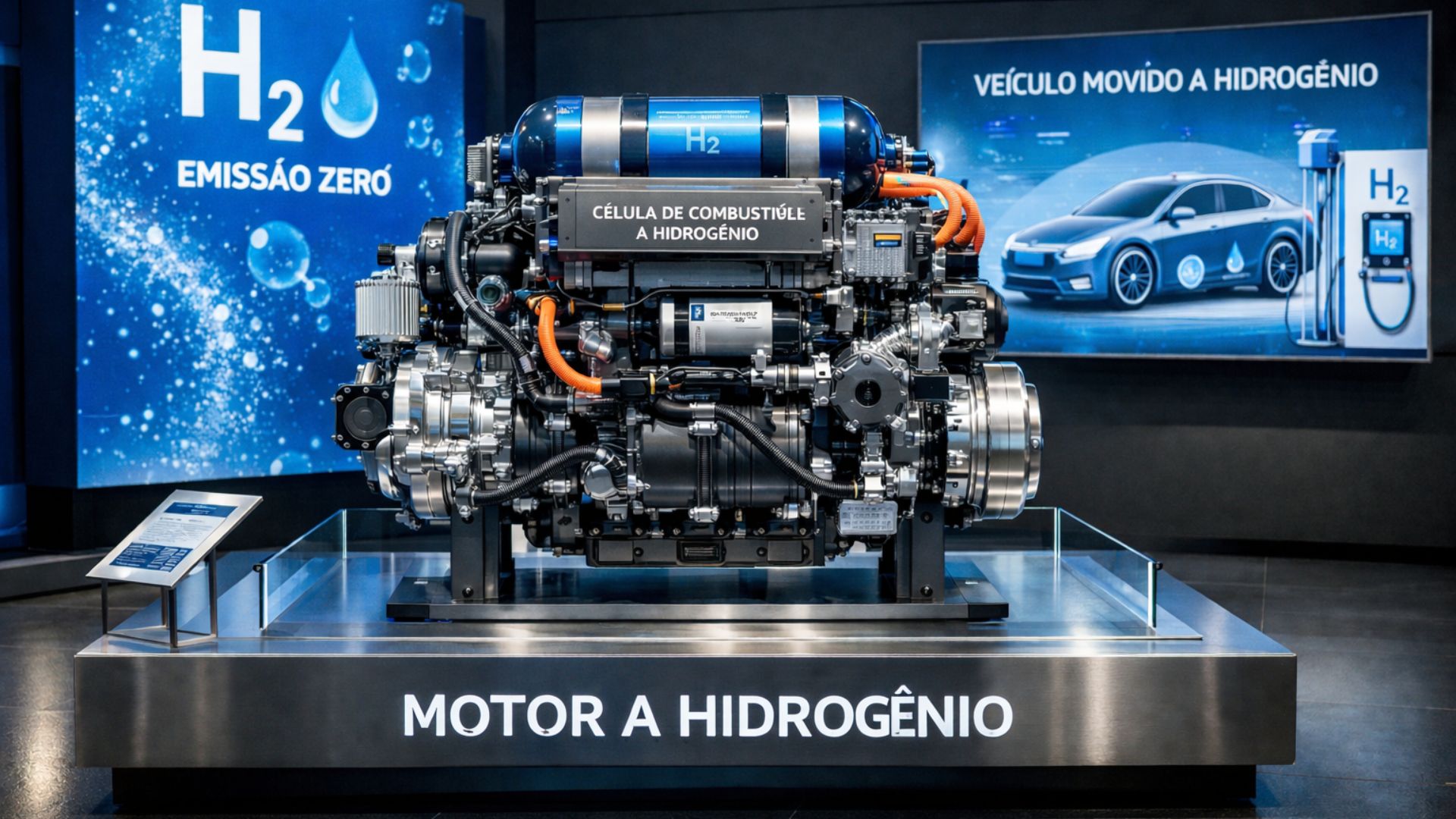
Hydrogen Engine Promises to Revolutionize Automotive Market and Creates a New Technological Horizon, But Economic Challenges Explain Global Resistance from Manufacturers
-
Hyundai XCIENT Fuel Cell Reaches 20 Million Km in Europe in Sustainable Logistics: Historic Milestone for Hydrogen Truck Fleet and Advancement of Global Clean Mobility
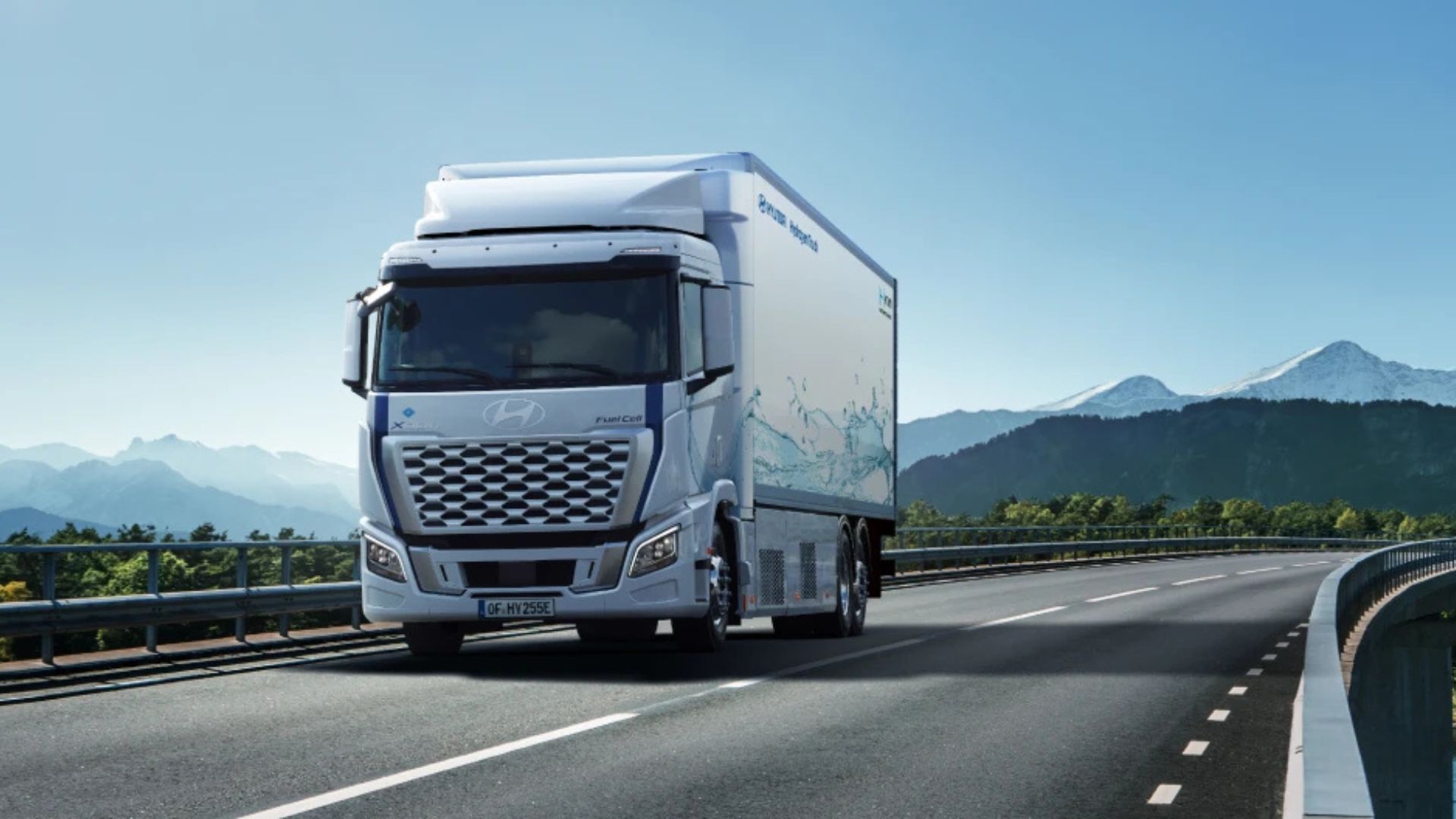

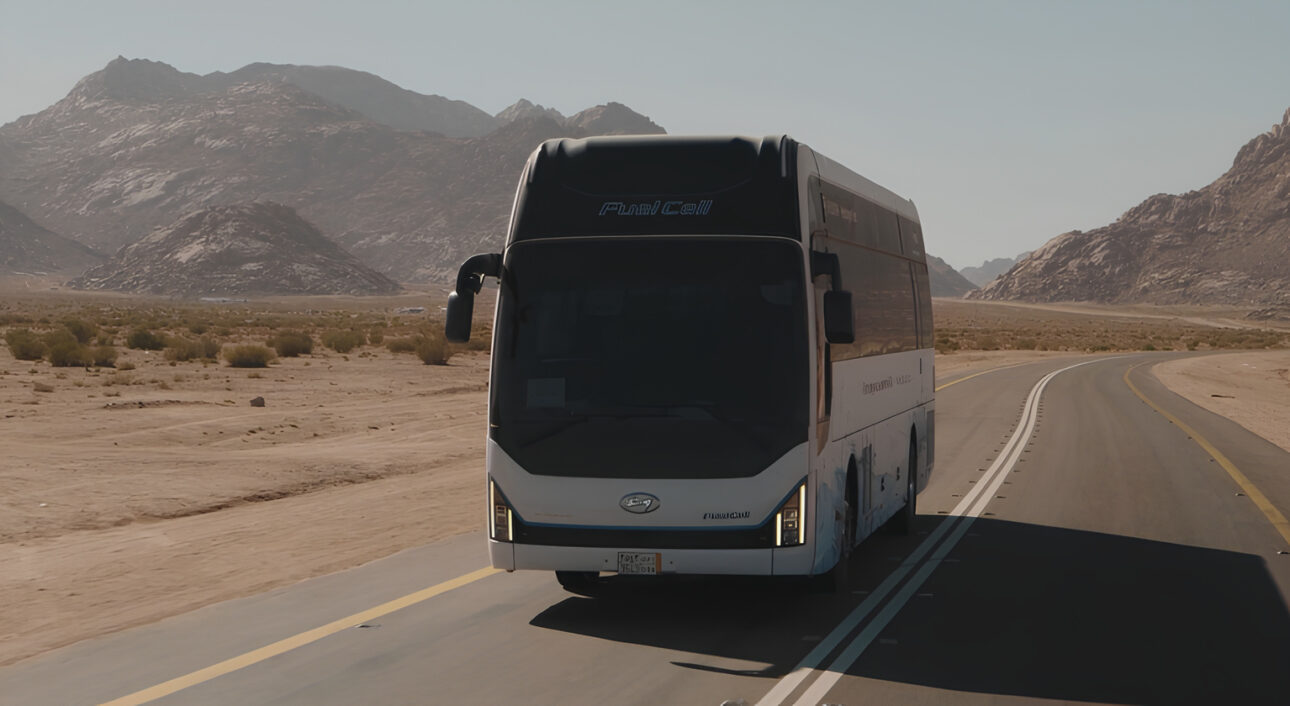
In this context, fuel cell buses, also known as hydrogen buses, emerge as a strategic solution. They offer quiet operation, zero pollutant emissions, and quick refueling, overcoming the limitations of battery electric vehicles on long routes.
New Hyundai Bus: Long Range Changes the Game
The new Hyundai bus, named Universe 2026, is considered a game changer due to its range of 960 km — surpassing the previous model of 635 km. This evolution places the vehicle in a competitive position against diesel, eliminating concerns about frequent refueling interruptions.
For intercity and interstate fleets, the difference is decisive. The increase in range enhances the feasibility of adoption on long-duration routes, where battery electric vehicles still face significant limitations.
Reinforced Safety
Another highlight is the safety package. The model includes an automatic isolation system for the hydrogen supply and the battery in case of a collision. In addition, it features a fire-retardant barrier that can contain flames for up to five minutes, enhancing safety for passengers and crew.
Advancement of Hydrogen Buses in Other Continents
In India, the government has encouraged local manufacturers to develop fuel cell-powered buses. The goal is to reduce dependence on diesel, decrease costs related to fossil fuel imports, and address high urban pollution levels, which directly affect public health.
Europe Sets Ambitious Targets
The European Union has established strict decarbonization targets for 2050, driving sustainable mobility projects. Manufacturers such as Solaris, MAN, and Daimler already operate dedicated production lines for hydrogen vehicles.
North America Invests in Infrastructure
In the United States and Canada, public and private initiatives are expanding the hydrogen refueling network. California, for example, already leads programs for fuel cell public transport, reinforcing the technology’s role as a diesel substitute.
Technical Specifications of the New Hyundai Bus (Universe 2026)
| Specification | Detail |
| Model | Hyundai Universe 2026 Hydrogen-Electric Bus |
| Propulsion Type | Hydrogen Fuel Cell + Battery |
| Range | Up to 960 km |
| Fuel Cell System | 180 kW |
| Auxiliary Battery | 48.2 kWh |
| Output Power (Motor) | 350 kW |
| Refueling Time | A few minutes |
| Emissions | Zero (only water vapor) |
| Safety Features | Automatic isolation of hydrogen and battery in collisions; fire barrier for up to 5 minutes |
Hydrogen Bus with 960 km Range: Advantages and Limitations
The hydrogen bus with a 960 km range competes with diesel vehicles in reach but offers a clear advantage in emission reduction. While diesel is responsible for high levels of atmospheric pollution, hydrogen, when produced from renewable sources, emits only water vapor.
Difference from Battery Electric Models
Battery electric buses are ideal for short urban routes, but their limited range (250–350 km) and long charging times hinder operation on extensive lines. Hydrogen, on the other hand, combines sustainability with extended range, enabling refueling in just a few minutes.
Market Barriers
The production cost of green hydrogen is still high, as is the acquisition cost of the vehicles. Furthermore, the refueling infrastructure is insufficient in much of the world, limiting mass expansion.
The Impact on Long-Distance Transport
With the increased range, hydrogen-powered buses are gaining ground on intercity and interstate routes. For transport companies, this means the possibility of reducing operational costs with diesel while simultaneously aligning the fleet with sustainability goals.
Scenario in Brazil
In Brazil, where road transport dominates passenger and freight mobility, this innovation could have a significant impact. However, the lack of hydrogen refueling infrastructure is a significant obstacle. For the country to adopt it on a large scale, it will be necessary to advance in public policies, private partnerships, and incentives for the development of domestic green hydrogen.
Prospects and Future Challenges of the New Hyundai Bus
Experts point out that the production costs of hydrogen are likely to decrease by 2030, with advancements in renewable sources and electrolysis technology. This could make hydrogen buses more competitive compared to other mobility alternatives.
Infrastructure Expansion
Governments and companies are already working on creating hydrogen refueling corridors, especially in Europe and North America. These corridors will be essential to facilitate operations on longer routes and stimulate mass adoption.
Projections for the Sector
According to BloombergNEF, hydrogen could represent up to 25% of the energy matrix of heavy transport by 2050, including buses, trucks, and trains. This scenario confirms the technology’s role as a natural candidate to replace diesel in long-distance segments.
Hydrogen Bus: What Is at Stake for the Future of Mobility
The launch of the Universe 2026 positions Hyundai as a key player in a global race for the decarbonization of public transport. By offering 960 km of range and enhanced safety, the model demonstrates that it is possible to unite operational efficiency with environmental sustainability.
India, Europe, and North America are already signaling concrete advances, while countries like Brazil need to accelerate investments in infrastructure and regulation to keep up with the trend.
What is at stake is not just the adoption of a new technology, but a profound transformation: the gradual replacement of diesel with clean alternatives, which can redefine long-distance mobility and significantly contribute to global climate goals.






-

Uma pessoa reagiu a isso.