





 Portuguese
  English
  Spanish
  3 min of reading
  0 comments


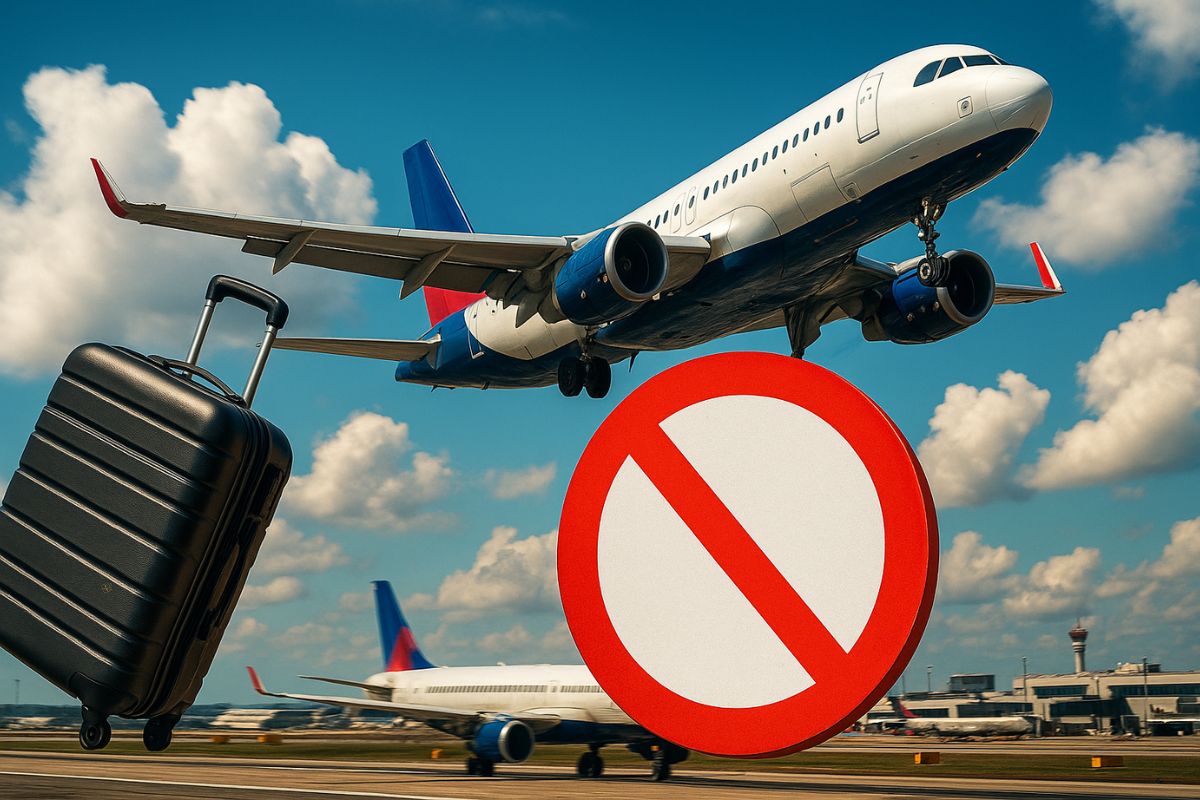
New Ticket Categories Redefine Baggage Rights and Change Boarding Rules, with Fares That Vary According to the Level of Flexibility and Benefits Offered by Major Airlines
Major airlines operating in Brazil have adopted new ticket categories, modifying rules regarding carry-on baggage, rescheduling, and refunds. The changes, which are already in effect, directly affect traveler profiles and mark a new phase of fare differentiation in the industry.
The strategy seeks to segment consumer types, offering more affordable options for those prioritizing price and wider conditions for those valuing comfort and flexibility. However, experts warn that communication needs to be clear so that passengers understand what is truly included in each category.
GOL Launches “Basic” Fare and Limits Carry-On Baggage
GOL Linhas Aéreas introduced a new category of international tickets called Basic, aimed at those seeking lower fares.
-
Brazilian city bets on the business environment to generate jobs and attract investments in the energy sector — secretary reveals strategy at Macaé Energy 2026.

-
50 viaducts, 4 tunnels, 28 bridges, and 40 kilometers of bike paths: BR-262 in Espírito Santo will receive 8.6 billion reais for the largest engineering project in the state’s history, inspired by the Immigrant Highway in São Paulo.

-
Brazil produces too much clean energy and doesn’t know what to do with it: over 20% of solar and wind capacity was wasted in 2025 while investors flee and 509 renewable generation projects were abandoned in the last year.

-
Piauí will produce a new fuel that replaces diesel without needing to change anything in the truck’s engine and reduces pollutant gas emissions by half: truck drivers from all over the Northeast are already celebrating the news that will arrive later this decade.

The difference, however, lies in the restriction on carry-on baggage: passengers may bring only one personal item of up to 10 kg, such as a bag or backpack, that must fit under the seat in front of them.
This category is available on routes originating outside Brazil and, within the country, on the connection between Galeão Airport (RJ) and Montevideo (Uruguay).
According to the company, the goal is to offer freedom of choice, allowing travelers to pay only for the services they genuinely want.
In addition to Basic, GOL has also adjusted the rules for Light, Classic, Flex, and Premium Economy fares, allowing flight rescheduling on the same day of travel, with or without a fee, depending on the purchased category.
The changes are part of the commercial restructuring initiated in 2025.
Latam Expands Portfolio and Bets on Premium Economy
Latam Airlines has also adhered to fare restructuring and launched two new options within the Premium Economy class.
The focus is to expand the audience seeking more comfort on international flights within South America, without paying as much as typically charged in traditional business class.
The new Premium Economy Full maintains benefits such as changes and refunds without penalty, and includes carry-on baggage, one checked bag of 23 kg, Premium seat selection, and priority boarding.
Meanwhile, the Premium Economy Standard, the more economical option, allows changes with a penalty fee and fare difference but does not offer voluntary refunds.
The company states that the model is designed to combine flexibility and savings, balancing cost-benefit for frequent and corporate passengers who undertake short trips between neighboring countries.
Azul Keeps Current Policies but Evaluates Future Changes
As competitors advance in creating new ticket categories, Azul Linhas Aéreas has stated that it will keep the baggage check rules unchanged.
The company emphasized, however, that it is studying strategic adjustments to its products and services, which may include new segmented fares in the future.
The decision reflects a cautious movement in an increasingly competitive market.
Azul has been focusing on customer loyalty and enhancing onboard services, which could serve as a differentiator amid the growing fragmentation of fares.
The Impact of New Fares on Passenger Behavior
The introduction of new ticket categories reinforces the global trend of personalization in air transport.
Passengers now choose what they want to pay, but they take on the risk of stricter restrictions, particularly regarding baggage and flight changes.
Aviation experts highlight that transparency is essential to avoid frustrations at boarding.
Many travelers, when opting for cheaper fares, end up surprised to discover limitations on baggage transport or extra charges at the airport.
Airlines, for their part, view this model as a way to balance costs and increase margins, in a scenario of rising fuel prices and pressures for profitability.









-

Uma pessoa reagiu a isso.