





 Portuguese
  English
  Spanish
  4 min of reading
  0 comments


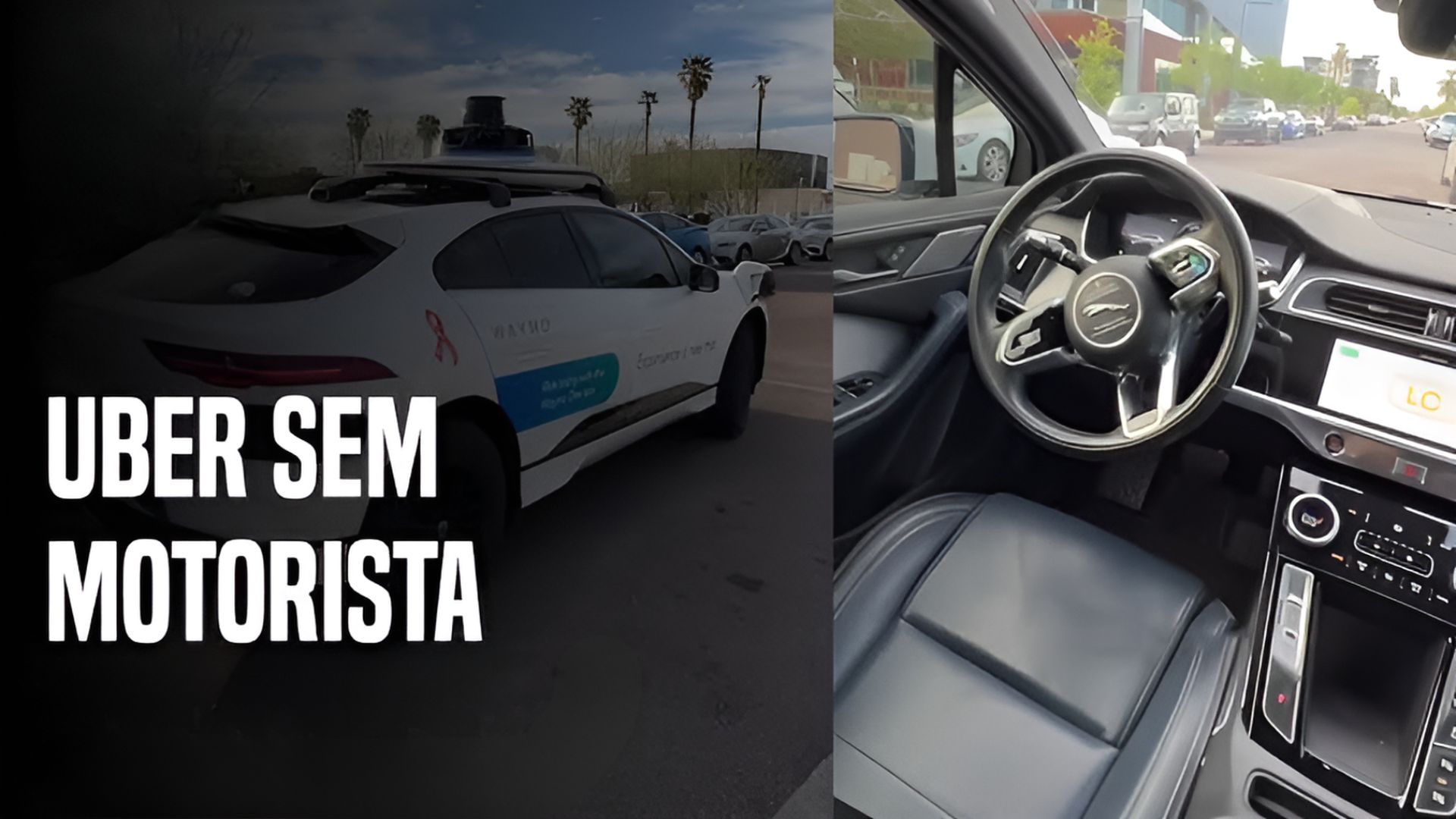
Uber Invests Billions in Self-Driving Cars and Signs Agreement with Saudi-Controlled Automaker; Dramatic Changes in Urban Mobility and the Future of Work Could Happen in the Coming Years.
The global urban mobility scenario is facing an unprecedented transformation, following the announcement made by Uber about a billion-dollar agreement with the American automaker Lucid Motors for the development of self-driving cars.
The investment of US$ 300 million, equivalent to approximately R$ 1.6 billion at the June 2025 exchange rate, marks a concrete step towards the gradual replacement of rideshare drivers with vehicles guided by artificial intelligence.
The goal is clear: integrate at least 20,000 self-driving cars into Uber’s fleet in the next six years, in an initiative that could profoundly change the routine of those who work or depend on rideshare transportation.
-
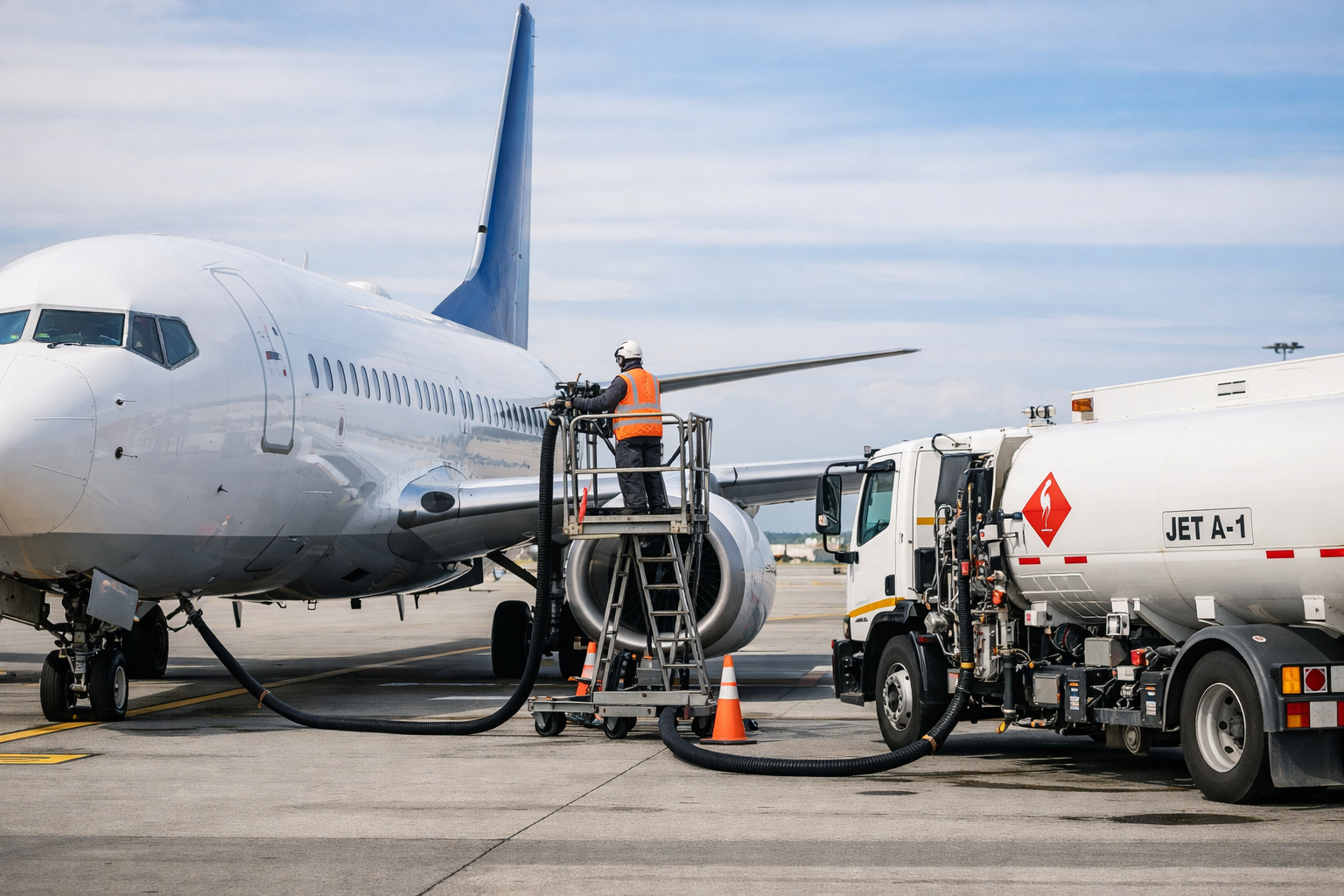
Airfare prices may rise with increasing fuel costs, and the government is considering urgent measures to avoid a direct impact on the wallets of Brazilians.
-
Chocolate prices soar nearly 15% and become a luxury item for Easter 2026, with increases surpassing inflation and changes in Brazilian consumption habits.

-
The Federal Revenue issues a good alert for Brazilian taxpayers: 60.9% are already using the pre-filled tax return, automatic refunds via Pix reach millions, and the government plans for a fully automated income tax in the coming years.

-
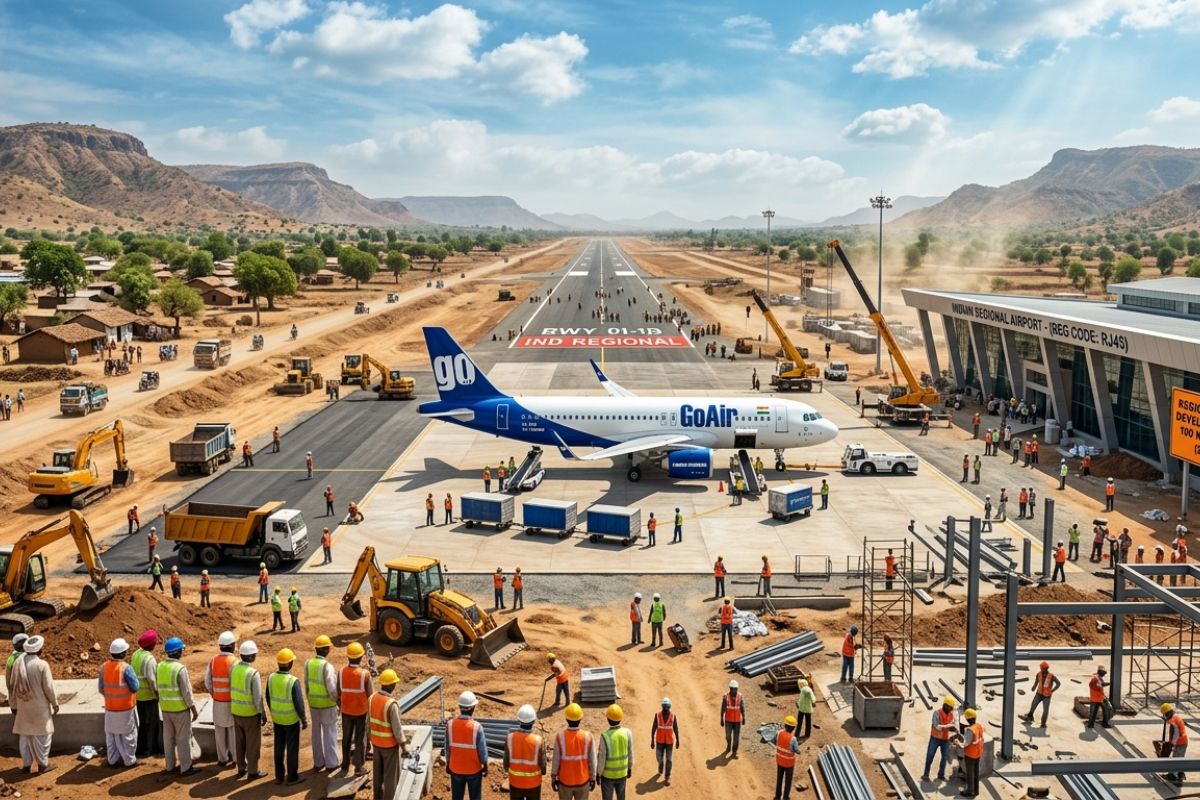
India announces a plan of $3.06 billion to bring aviation to forgotten regions: 100 new airports, $1.07 billion in subsidies, and regional routes guaranteed for 10 years, from 2026 to 2036, away from the centers.

Uber and Lucid Motors: Strategic Partnership in the Mobility Sector
The partnership, confirmed on July 17, 2025, includes the production of customized versions of the Gravity electric SUV, designed specifically for the needs of Uber’s urban mobility service.
Deliveries of the first vehicles are scheduled for the second half of 2026, according to the companies’ announcement.
The new vehicles will operate without a driver, utilizing advanced autonomous driving systems, sensors, cameras, and artificial intelligence to make trips in urban areas, reducing reliance on human professionals for this type of service.
Lucid Motors, based in California, is part of a group of companies controlled by the Saudi royal family, which also manages Saudi Aramco, the world’s largest oil company.
The agreement with Uber strengthens ties between Silicon Valley’s tech sector and Arab capital, as the head of the Saudi sovereign fund, Yasir Al-Rumayyan, is among the platform’s major shareholders.

Financial Impact and Market Reaction
With the closing of the contract, Uber now holds 3% of Lucid Motors’ shares.
The news immediately reverberated in international markets, with the automaker’s stocks registering a significant appreciation of 40% on Wall Street on the same day of the announcement, boosting global interest in the future of urban transportation.
Advancement of Self-Driving Cars and Global Challenges
This movement, led by Uber, comes amid the growing adoption of electric and self-driving vehicles in various parts of the world.
The advancement of autonomous driving technologies, combined with the pressure for more sustainable and efficient mobility solutions, creates a conducive environment for deep changes in the sector.
Countries like the United States, China, and Germany are already conducting large-scale tests with self-driving cars, while tech giants and traditional automakers are intensifying investments in innovation and research.
Situation in Brazil and Necessary Adaptations
In Brazil, the discussion about the large-scale adoption of self-driving cars is still progressing at a slower pace, mainly due to the complexity of urban traffic, regulatory challenges, and infrastructure issues.
However, experts point out that international agreements such as the one signed by Uber tend to accelerate the debate about the role of rideshare drivers and the need for professional adaptation in light of advancing automation.
Social Impact: Future of Rideshare Drivers
The social impact of replacing human drivers with robots raises questions in different sectors of society.
According to recent data from the Brazilian Mobility and Technology Association (ABMT), about 1.5 million people work as rideshare drivers in the country, being an important source of income for thousands of families.
With the expected entry of self-driving vehicles starting in 2026, unions and professional bodies are already discussing strategies to protect the rights of these professionals and seek retraining alternatives in other fields.
Safety, Regulation, and Trust in Robots
Technology experts highlight that the development of self-driving cars represents a milestone for urban mobility but warn of the need for public policies that ensure safety, data privacy, and clear regulations for the operation of these new fleets.
Large-scale implementation requires not only technological advancements but also changes in legislation, infrastructure adjustments, and dialogue with civil society to minimize negative social impacts.
Another important point concerns the safety of autonomous systems.
Companies in the sector claim that driverless vehicles are equipped with multiple redundancy systems capable of detecting and avoiding obstacles, as well as updating routes in real-time.
Despite this, the scientific community reinforces that public acceptance and trust in robots still depend on testing in real situations and quick responses to potential failures.
Economic Outlook and Global Competition
In addition to technological challenges, the adoption of self-driving vehicles could directly impact the economy of the urban mobility sector.
The expectation is that operations with robots will reduce logistical costs, increase service efficiency, and decrease pollutant emissions, aligning with the global demand for more sustainable solutions.
On the other hand, the end of the app driver profession, at least in its current form, will require support and transition measures for those who depend on this activity.
While Uber anticipates the arrival of the first self-driving cars for 2026, other mobility giants, such as Tesla, Waymo, and Baidu, are also advancing in the development of driverless fleets.
The agreement with Lucid Motors positions Uber in the global competition for innovation in transportation, making this topic ever more present in discussions about the future of work and cities.
The question that arises in light of this scenario is inevitable: how do you believe automation and artificial intelligence will impact the profession of rideshare driver in the coming years?





-

-

2 pessoas reagiram a isso.