





 Portuguese
  English
  Spanish
 6 min of reading
  5 comments


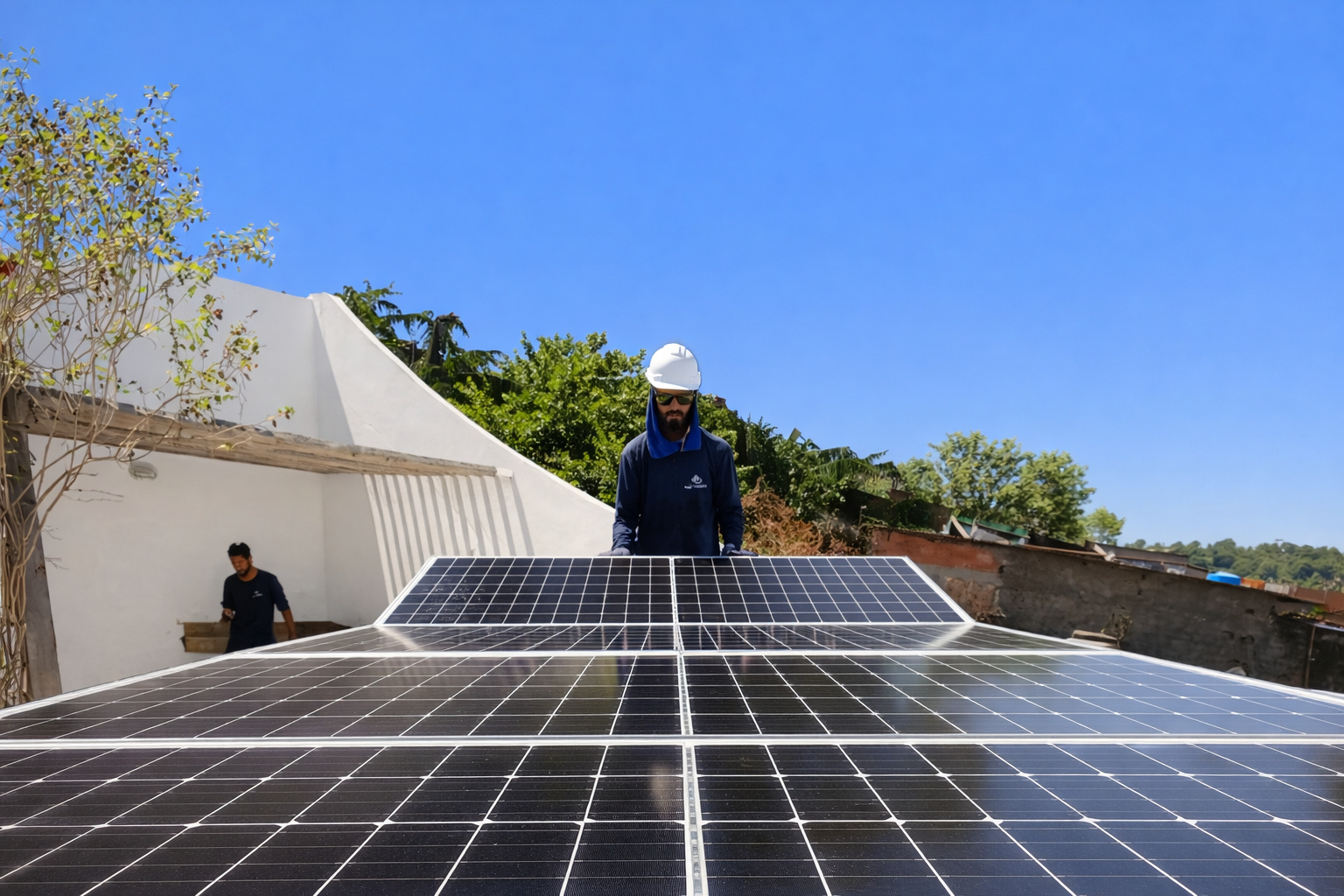


Understand Why the ICMS Charge on Solar Energy in Piauí Is Questioned by the Public Ministry and How It Impacts Consumers, Investments, and the Energy Transition in the State.
Currently, the discussion about tax charges on clean energy generation has returned to the center of public debate, especially after the Public Ministry’s stance on solar energy in Piauí. In this context, by pointing out the unconstitutionality of the ICMS charge on energy produced by small and micro solar generators and injected into the distribution grid, the topic gained legal, economic, social, and environmental relevance. Furthermore, this debate helps to understand how Brazil conducts its energy transition and, at the same time, which paths can make access to renewable energy fairer, more predictable, and sustainable.
Historically, Piauí stands out as one of the Brazilian states with the greatest potential for solar energy generation. This occurs because the geographic location ensures high solar radiation incidence for almost the entire year. Thus, the state favors both large photovoltaic plants and distributed generation systems installed in homes, businesses, industries, and rural properties. As a result, this scenario has driven investments, attracted companies from the sector, and consequently strengthened the diversification of the state’s energy matrix.
In addition to natural conditions, economic and regulatory factors also explain the expansion of solar energy in Piauí. On the one hand, many consumers started seeking alternatives to reduce electricity costs. On the other hand, the adoption of photovoltaic systems has solidified as a form of protection against tariff increases. At the same time, specific financing lines and incentive policies facilitated access to the technology, thus expanding the reach of solar energy to different income profiles.
-
Seagri’s headquarters invests in solar energy with Neoenergia Coelba and promises to cut electricity costs, highlighting a strategic advance in sustainability and energy efficiency within state public administration.
-
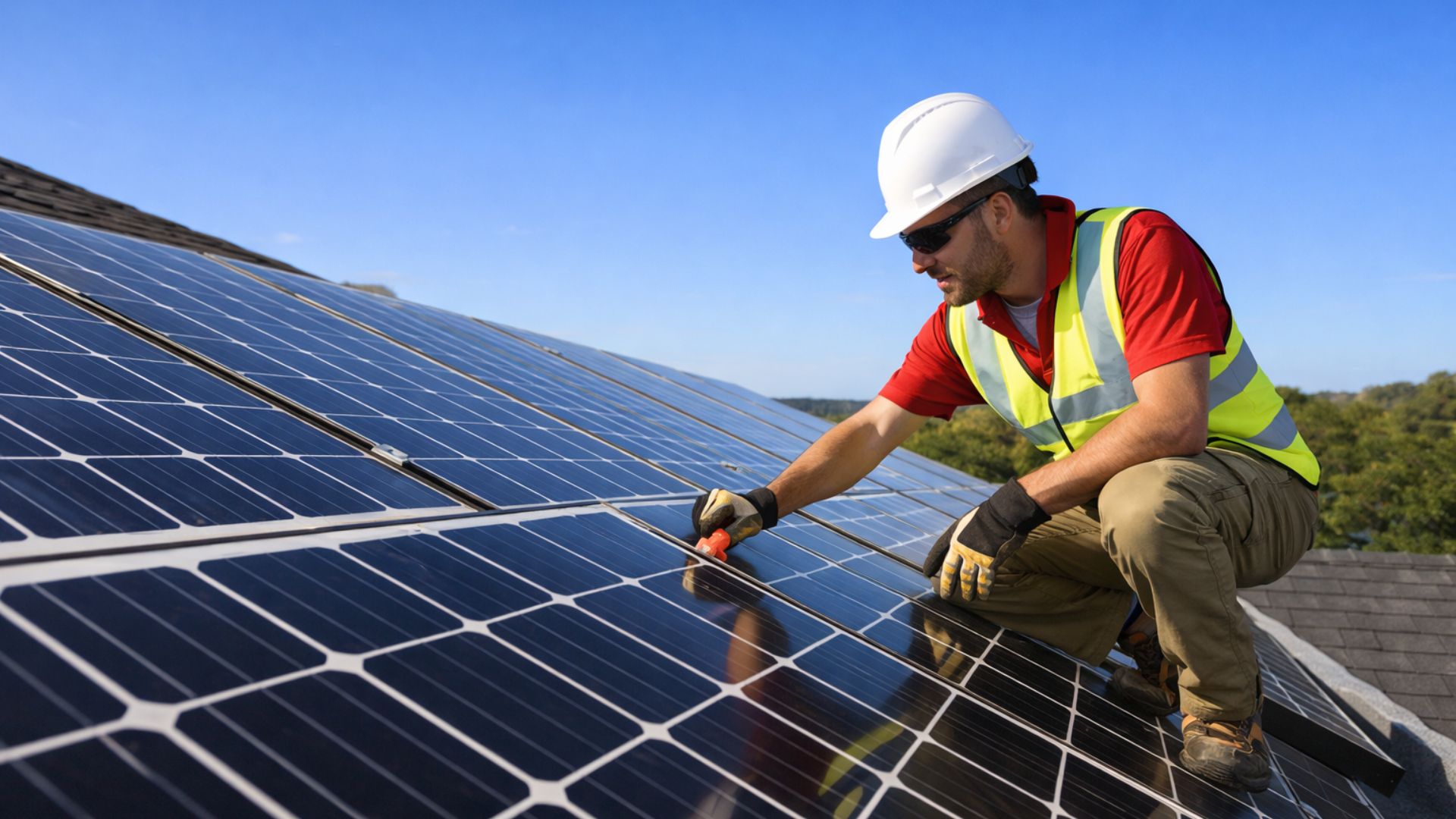
Solar Pyramid draws attention by converting solar energy into million-dollar savings and repositioning the City Hall of Curitiba as an example of innovation, sustainability, and intelligent use of public resources.
-
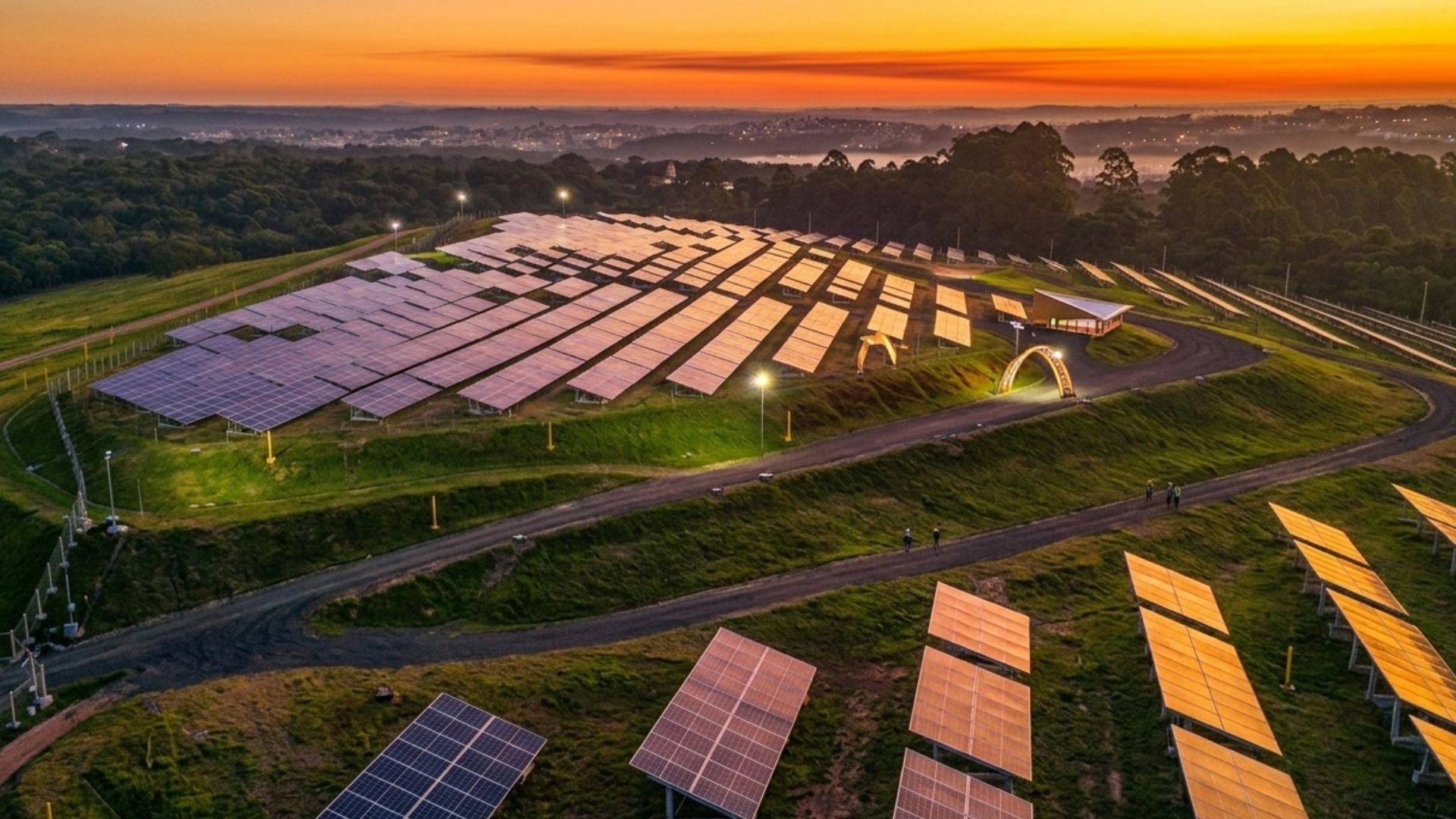
Europe records strong euro economy with solar energy in March and sparks curiosity about which country leads growth that redefines the energy market and reduces costs.
-
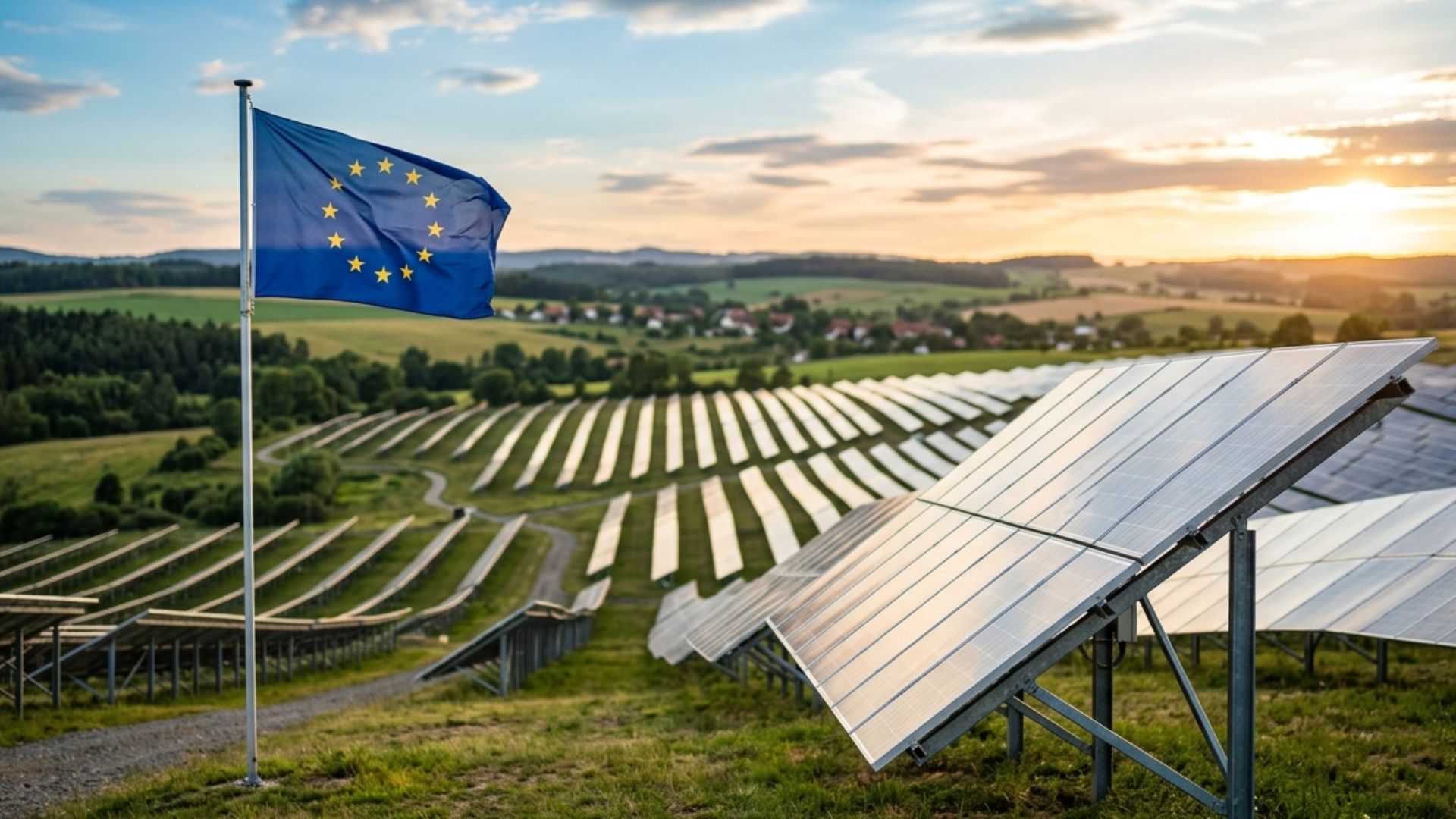
Piauí reaches a historic milestone in energy transition: State records nearly 160,000 households powered by solar energy and leads growth in the Northeast.
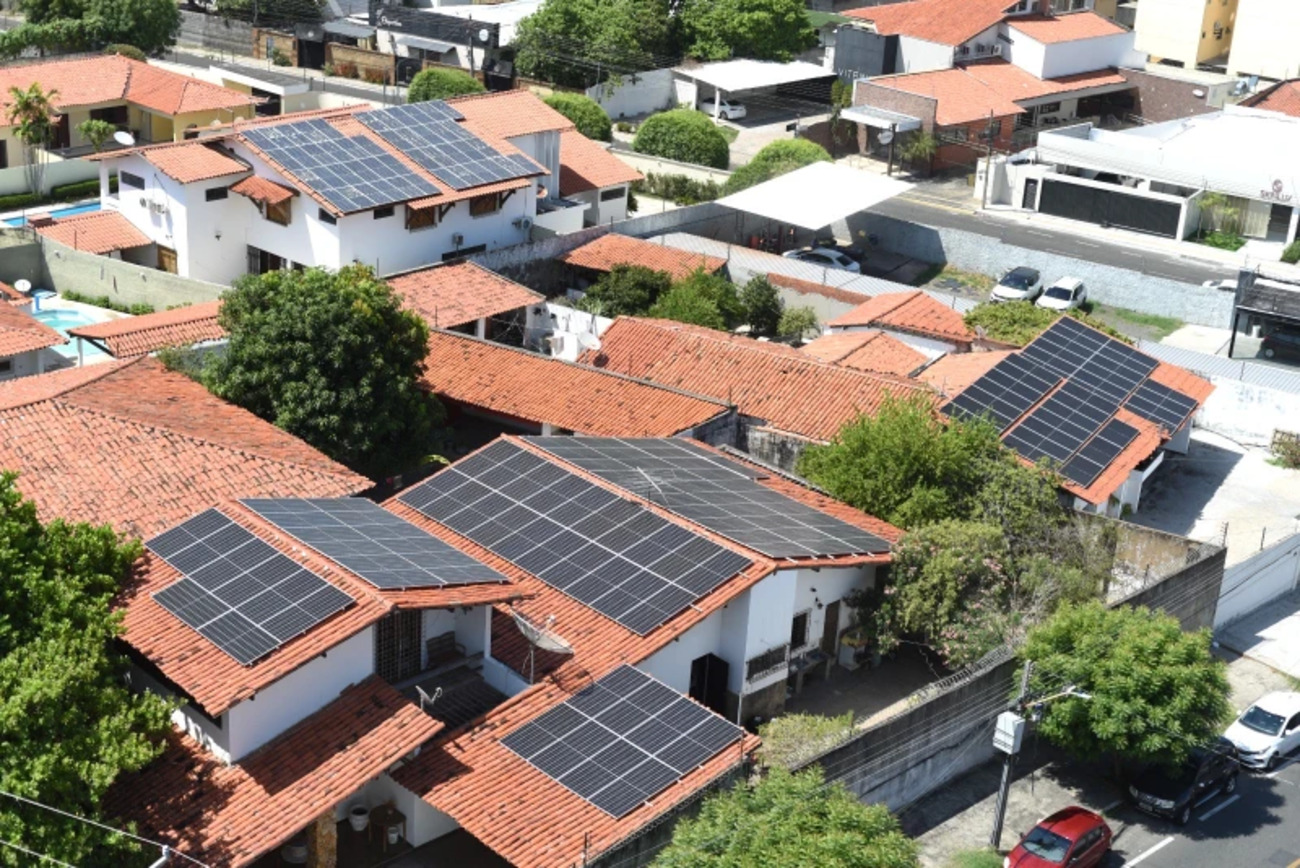

From a historical perspective, the trajectory of solar energy in Piauí connects to a broader national movement. Since the 2010s, Brazil has begun to encourage renewable sources as an alternative to dependence on hydropower and thermal power plants. In this scenario, the rules of distributed generation allowed consumers to produce their own energy and use the electric grid as a compensation mechanism. Therefore, this model expanded society’s direct participation in energy production.
The History of Distributed Generation and the Debate on ICMS
However, it was precisely this compensation system that gave rise to the legal conflict in the state. Based on a certain normative interpretation, the Government of Piauí began to charge ICMS on excess energy produced by small solar generators and injected into the distribution grid. However, for critics of the measure, this charge ignores the traditional concept of the tax, which applies to the circulation of goods and transfer of ownership. In this specific case, the consumer does not sell energy, but only <strong compensates credits within the electrical system.
In response, the Public Ministry reinforced this understanding by supporting the Direct Action of Unconstitutionality. According to the agency, the compensation of energy does not constitute a taxable event for ICMS. Moreover, the opinion emphasized that the charge imposes an undue financial burden on consumer-generators. Consequently, this position is important because it recognizes that taxation can discourage investments in clean energy and, at the same time, contradict public sustainability policies.
Additionally, the MP’s opinion pointed out that the charge distorts the economic logic of distributed generation. By taxing compensated energy, the government reduces the attractiveness of solar projects and, consequently, extends the payback period for investment. As a result, this distortion directly affects the growth rate of solar energy in Piauí, especially among small producers and families.
In this regard, the Public Ministry considered the principle of tax proportionality. According to the understanding presented, the charge affects citizens who invested in solar energy in Piauí in good faith, trusting in the stability of existing rules. Thus, the continuity of taxation tends to deter new investments and, at the same time, increase legal uncertainty.
Economic and Social Impacts of Solar Energy in Piauí
From a broader perspective, solar energy in Piauí represents much more than a simple technological alternative. In practice, it serves as a regional development instrument. For example, small rural producers use photovoltaic systems to reduce expenses with irrigation, water pumping, and storage of production. Thus, in regions far from large urban centers, solar generation strengthens energy autonomy and ensures greater stability in supply.
From an economic standpoint, the discussion around ICMS directly influences the viability of solar projects. This occurs because investors consider regulatory predictability a decisive factor when installing solar panels, inverters, and connection systems to the grid. When sudden changes in rules occur, uncertainty increases and, consequently, affects residential consumers, entrepreneurs, and companies throughout the entire production chain.
Furthermore, the legal debate is directly related to the principle of legal certainty. Many consumers adopted solar energy trusting in the existing legal framework. However, the subsequent imposition of taxes on compensated energy generates distrust and, consequently, compromises the relationship between the government and society, hindering the advancement of distributed generation.
Solar Energy and Public Sustainability Policies
In recent years, other Brazilian states have also faced similar debates. In various regions, courts have begun to analyze whether the incidence of ICMS on solar energy intended for self-consumption respects the Constitution. Although there are still divergent decisions, there is a growing understanding that distributed generation deserves differentiated treatment, especially for generating collective and environmental benefits.
Moreover, solar energy in Piauí aligns with the environmental commitments undertaken by Brazil. The country seeks to reduce greenhouse gas emissions and increase the use of renewable sources as a long-term strategy. Therefore, when the government financially penalizes those investing in clean energy, it creates obstacles to the energy transition.
Another important point relates to the social impact of solar energy. By allowing self-generation, the system helps families reduce electricity expenses and, at the same time, better plan their household budget. Thus, in a state with historical socioeconomic challenges, policies that promote renewable energy contribute to energy inclusion and local development.
Future Prospects for Solar Energy in the State
Although the Justice system may still take time to definitively decide on the ICMS charge, the Public Ministry’s position already influences public debate. Regardless of the final outcome, the case serves as a reference for clearer policies aligned with the reality of distributed generation in Brazil.
Finally, the discussion surrounding the taxation of solar energy in Piauí demonstrates that the energy transition requires more than technology. It depends, above all, on coherent institutional choices, legal stability, and a long-term vision. When these elements work together, the environment becomes more favorable to sustainable investment.
In a global scenario marked by the search for cleaner and more efficient energy solutions, Piauí has the conditions to establish itself as a reference in solar energy. To achieve this, the legal framework needs to keep pace with this state’s natural vocation. Thus, the debate on ICMS exposes challenges but also opens opportunities to improve regulations and strengthen the confidence of those who invest in solar energy as a pathway to the future.
In this way, the theme of solar energy in Piauí transcends the tax sphere and enters a broader discussion about sustainability, economic development, and fiscal justice. By recognizing the potential unconstitutionality of the charge, the Public Ministry contributes to a more balanced debate and to the construction of lasting public policies.









Governo **** do ****, quer meter imposto de venda até no que não é vendido!😂😂😂
Só podia ser governo do PT mesmo!
Kkkkk…vá estudar rapaz!!! Quem desenvolveu e implantou esse imposto sobre a energia solar foi o mito ****!!!
Quem deveria estudar era você: ICMS é um imposto ESTADUAL e quem o rege év o estado… No caso, seu ídolo do PT no PI foi quem implantou… Aqui no CE também foi implantado por outro ídolo seu do PT!!!
Vai estudar (secé que vc sabe ler)
!!!
Trabalhador sofre muito nesse país. Quando o cidadão pensa que vai poder economizar um pouco e ter mais conforto térmico em um Estado com temperaturas elevadas, o governo vem querer explorar mais uma vez. Não procura cortar os gastos excessivos da máquina pública. Procura a solução mais cômoda para poder aumentar arrecadação. Um Estado pobre e com carga tributária maior que outros Estados. Triste realidade! E quem vai nos defender?
Mais do que justo, placas solar ajudam e muito o meio ambiente, energia limpa, as concessionária e que ser responsabilizadas.