





 Portuguese
  English
  Spanish
  3 min of reading
  0 comments


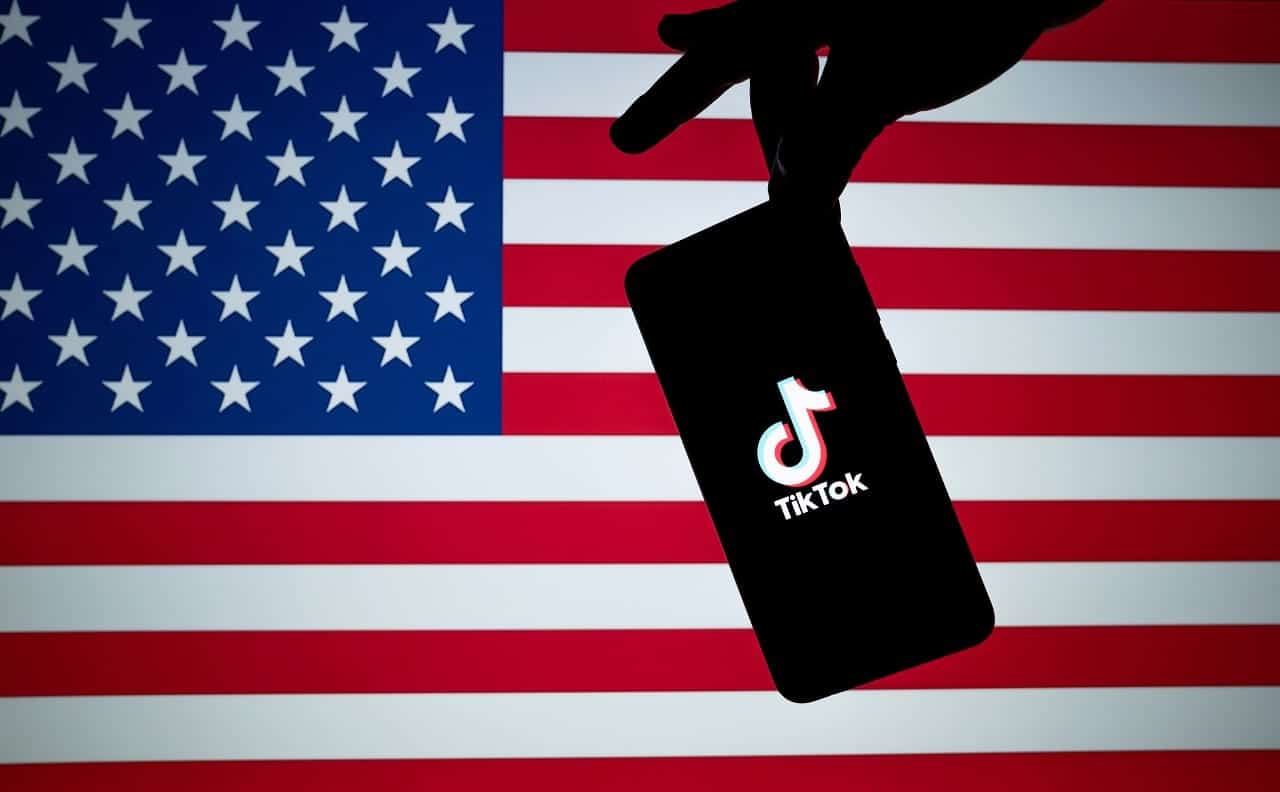
The Possible End of TikTok in the U.S.: Understand the Reasons Behind This Decision by the U.S. Government and Its Potential Impact on Other Countries.
This week, U.S. President Joe Biden signed a law that could decree the end of the social media platform TikTok in the country. The rule establishes a nine-month deadline for ByteDance, the Chinese company responsible for the platform, to transfer its operations to a “trusted” American buyer.
ByteDance May Prefer the End of TikTok in the U.S.

The deadline set by the regulation expires on January 19, 2025, one day before the end of the current term of the U.S. chief executive. It is still possible to extend this deadline by another three months if the company needs more time to finalize the deal.
According to information from Reuters, the Chinese company plans to go to great lengths in the courts and prefers to decree the end of TikTok in the U.S. rather than sell the app. Currently, TikTok accounts for a small portion of the company’s total revenue. If the platform is indeed blocked in U.S. territory, the financial losses would not be as significant.
-
An aquatic seed consumed for centuries in Asia is going viral in the West after studies highlighted its antioxidant compounds and potential anti-inflammatory properties. It pops like popcorn, has low fat content, and is already being called the new functional snack.

-
China showcases robot dogs that act in groups like a coordinated pack, make decisions together, and could change the way modern wars operate.

-
The coldest seawater ever recorded in Earth’s history was hidden under extreme ice 717 million years ago and reached an impressive -15°C.

-
China has launched the world’s first floating artificial island, a scientific structure designed to face open seas, test equipment weighing hundreds of tons, and reach depths of 10,000 meters.


Giving up the app’s short video algorithms would be extremely detrimental to the company’s global operations. Thus, if the courts deny its request, it is likely that ByteDance will signal the end of TikTok in the U.S.
Shou Zi Chew, CEO of TikTok, stated in a release this week that he hopes to achieve the annulment of the law in court. Shou emphasized that the decision would negatively impact 170 million Americans who use the platform daily.
Understand How the Conflicts Between the U.S. and TikTok Began
Since the government of former President Donald Trump, the short video app has faced accusations of supposedly sharing user data with Chinese authorities. This, in the view of lawmakers, constitutes a serious risk to U.S. national security.
Even after experts stated that the terms of use of the social network are very similar to those of American platforms, the pressure continued to mount. The result was a series of political mobilizations by Democrats and Republicans in Congress for the end of TikTok in the U.S.
In Brazil, however, the chances of the same happening are reduced. This is because the geopolitical tension scenario between China and the United States is decisive for the decision. Attorney Juliano Madalena, who coordinates the Digital Law postgraduate course at the Foundation School for Higher Education of the Public Prosecutor’s Office (FMP), points out that banning a social network from a country is an extremely serious matter that must be analyzed with great caution, as the development of digital platforms is a lawful activity.
Growth of TikTok in Brazil
TikTok in Brazil has already firmly established itself. Since its launch in September 2016 by the Chinese company ByteDance, the app has experienced meteoric growth, attracting millions of users worldwide.
The platform, being dynamic and accessible, has allowed many people to create and share short videos that quickly become viral. Its algorithm, unlike Instagram’s, facilitated this process.
According to a ranking based on data from DataReportal, Brazil has 82.2 million users aged 18 and older, a number that is only lower than that of the United States (113.3 million) and Indonesia (109.9 million).
Below the country, other nations such as Mexico, Russia, Vietnam, the Philippines, and Thailand follow. It is important to mention that the app allows users from the age of 13 to create an account; however, data regarding the presence of the audience under 18 years old is not publicly disclosed.








Seja o primeiro a reagir!