





 Portuguese
  English
  Spanish
  5 min of reading
  3 comments


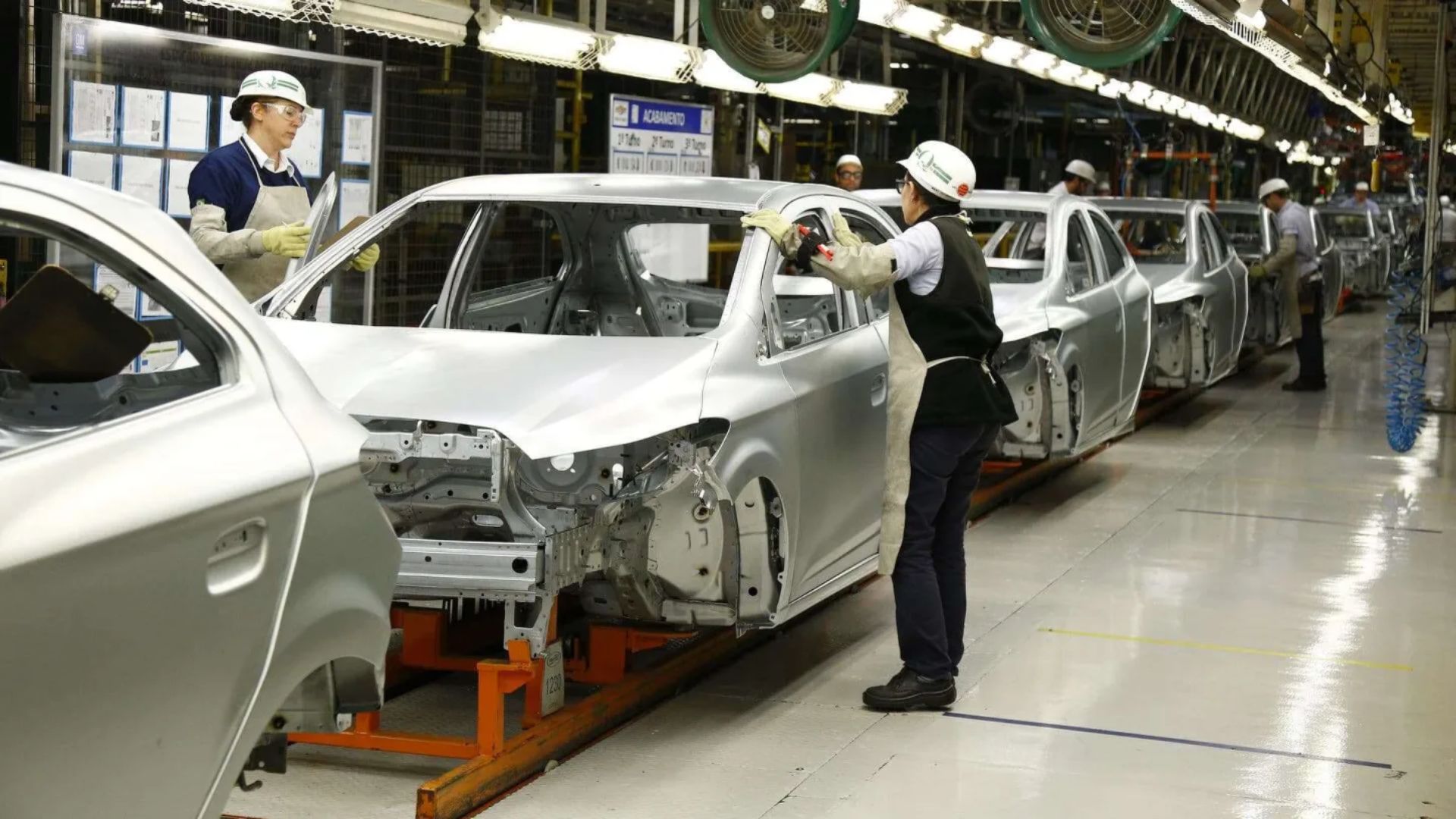


Closure of One of the Longest Sedans by Chevrolet in Brazil Evidences Deep Change in the Automotive Market, with Retraction of Three-Volume Cars, Advance of SUVs, and Reconfiguration of the Manufacturer’s Industrial Strategies in Mercosur.
Chevrolet has ended production of the Cruze, a model that remained in the Brazilian market for 13 years, considering the periods it was sold in the country, and which was part of the brand’s strategy in the medium sedan segment for more than a decade.
Production, which was no longer happening in national territory, was concluded at the end of 2023 in Argentina, the last country in the region to keep the vehicle on the assembly line.
In Brazil, the definitive exit was subsequently consolidated, with the end of stocks and the removal of the model from the official configurator.
-
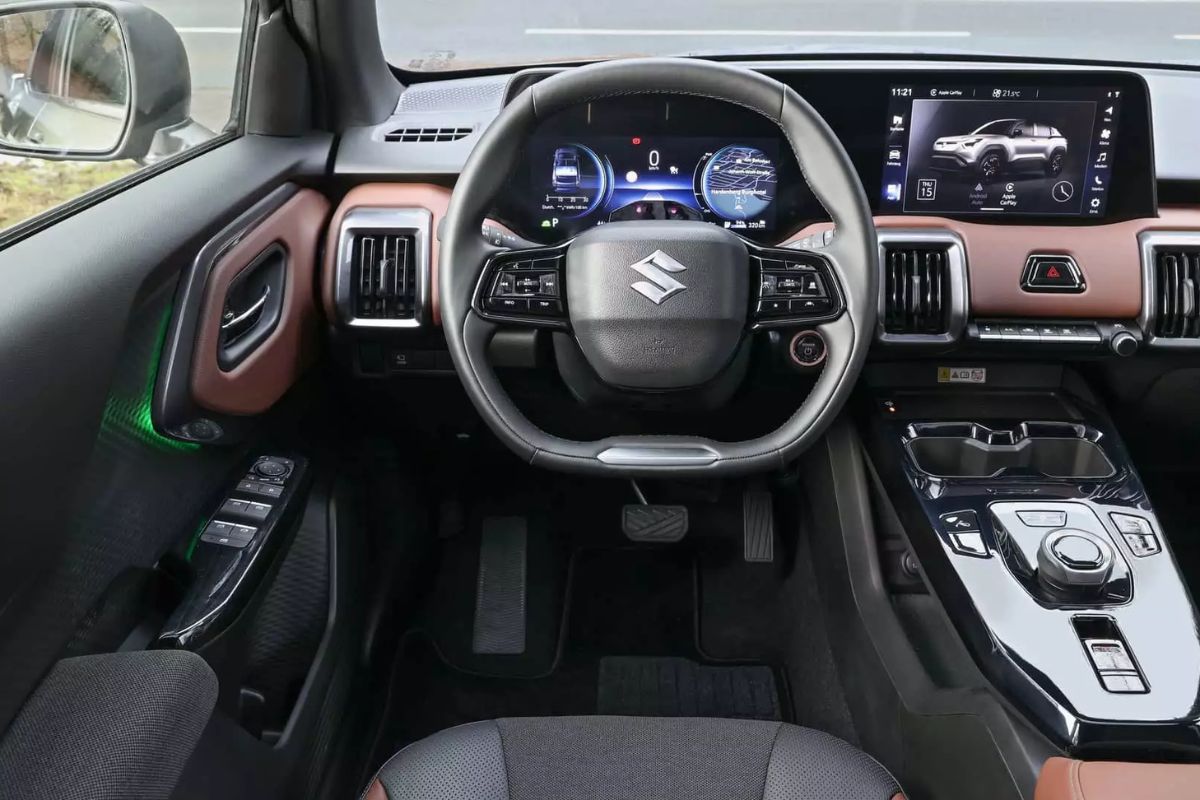
The 2026 electric Vitara arrives in Brazil and proves that Suzuki is not leaving: 4×4 traction, 184 hp, 61 kWh LFP battery, 293 km range, R$ 259,000, and a trunk capacity of 224 L.
-
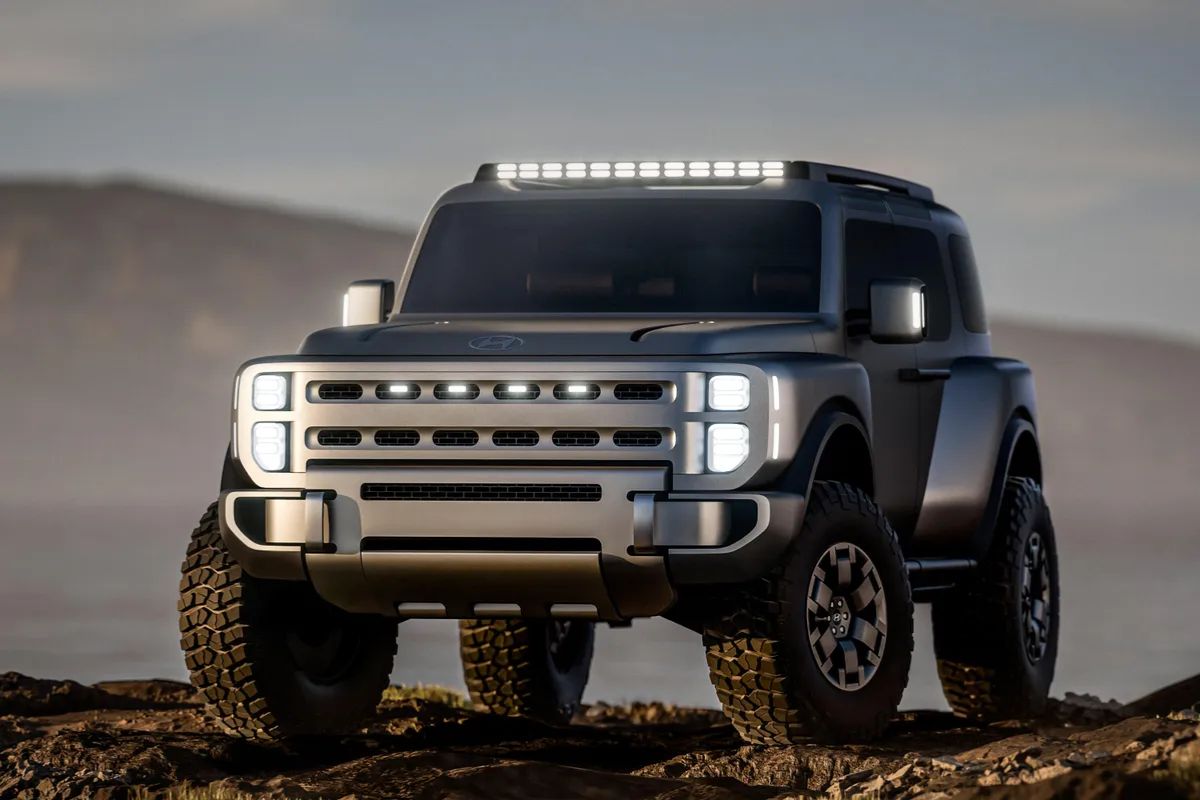
Hyundai has unveiled the Boulder, a square SUV with a body-on-frame design, 37-inch mud tires, and carriage-style doors that seems to be made to take on the Ford Bronco and the Scout Traveller in the United States.
-
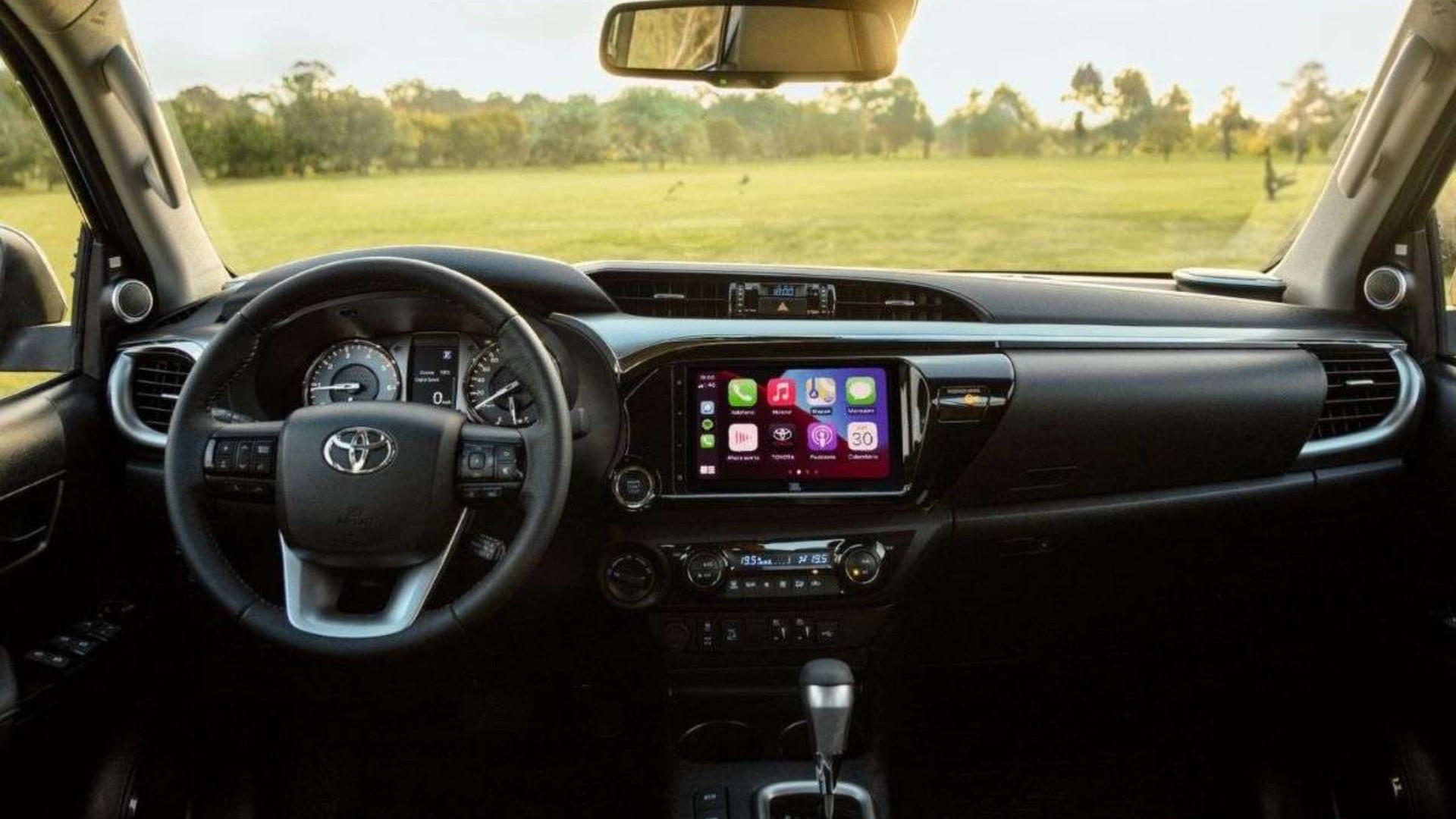
The Toyota Hilux is R$ 75.5 thousand cheaper and bets on the 2.8 turbodiesel engine with up to 204 hp and 50.9 kgfm to catch up with the VW Saveiro, which leads with 4,472 sales.
-
The new Renault Koleos has a screen exclusively for the passenger that is invisible to the driver, heated rear seats, and 29 assistance systems, but its Chinese competitors cost R$ 40,000 less and deliver more power.
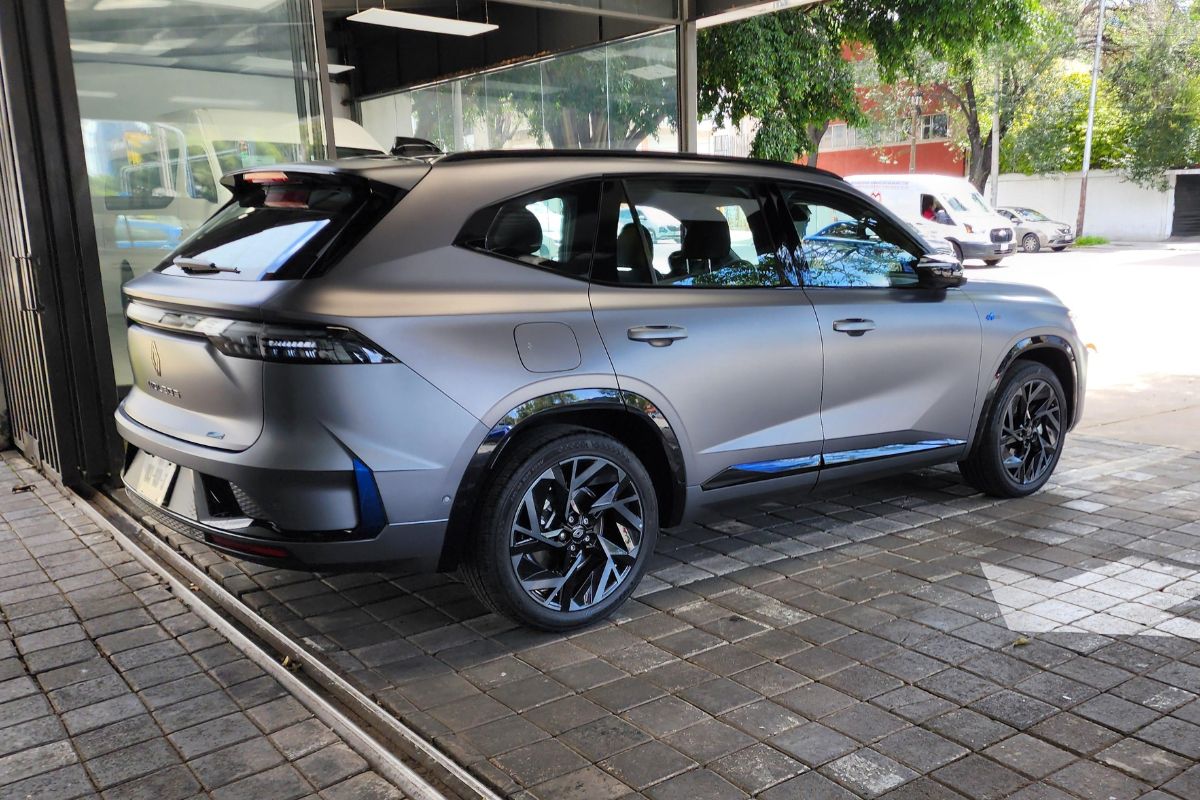

Closure of the Chevrolet Cruze Reflects Transformation of the Automotive Market
The discontinuation occurs in a broader context of transformation in the automotive market.
Industry data show that SUVs have consistently increased their share in recent years, while sedans, especially outside the entry segment, have seen a decline in sales.
Automotive industry analysts associate this movement with a change in consumption profile, the growing supply of sports utility vehicles, and the reorganization of industrial strategies by manufacturers.
Launch of the Cruze in Brazil and Position in the Medium Sedan Segment
Launched in Brazil in 2011, the Cruze arrived to replace the Vectra and became a central product in Chevrolet’s portfolio.

The model was developed as a global product and presented as an alternative for consumers looking for a medium sedan focused on comfort, safety, and technology, features valued at that time by the Brazilian market.
In the early years, the car entered a competitive segment, vying for space with established rivals.
Model Updates and Evolution Over the Years
Over time, it received visual updates, equipment upgrades, and engine changes, keeping up with common renewal cycles in the industry.
These changes aimed to keep the model aligned with regulatory demands and public expectations, in a scenario of increasing competition.
Decline of Sedans and Advance of SUVs in Brazil
However, with the advancement of compact and medium SUVs, the sedan segment began to face additional difficulties.
According to sector specialists, many consumers began to prioritize vehicles with a higher driving position, greater versatility of use, and perception of robustness, factors often associated with sports utility vehicles.
This change in preference directly impacted the commercial performance of traditional three-volume models.
Sales of the Chevrolet Cruze and Reduction in Demand
In the case of the Cruze, the reduction in demand became more evident in the last years of commercialization.
After initial periods with more significant volumes, sales began to decline continuously.

Market surveys indicate that the model accumulated just over 206,000 units sold in Brazil throughout its history, a relevant number for the category, but insufficient to sustain new production cycles given the manufacturer’s current priorities.
Production in Argentina and General Motors’ Strategy in Mercosur
The industrial reorganization of General Motors in Mercosur also influenced this process.
Since 2019, the Cruze was produced exclusively at the Santa Fé plant in Argentina.
In 2023, the manufacturer officially confirmed that production would end by the end of that year, with the plant’s capacity redirected to other models, including the SUV Tracker, aligned with the company’s regional strategy.
Gradual Exit of the Cruze from the Brazilian Market
Although production was ended in December 2023, the exit of the Cruze from the Brazilian market occurred gradually.
In 2024, specialized publications reported the disappearance of the model from Chevrolet’s official website in the country, a movement interpreted as a sign of the end of stocks and the conclusion of the commercial cycle.
Since then, the sedan has no longer been among the available options at the brand’s dealerships.
Importance of the Cruze in Recent Chevrolet History
The closure of the Cruze also draws attention for its significance within Chevrolet’s own lineup.
The model was one of the last medium sedans produced on a large scale for the Brazilian market and remained on offer even after the reduction of this segment among major manufacturers.
For analysts, the decision reflects a trend already observed in other brands, which have been reducing or eliminating medium sedans from their catalogs.

After-Sales, Circulating Fleet, and Technical Assistance
Despite the end of production, the Cruze fleet remains in circulation in the country.
According to usual industry practices, vehicles already sold continue to be supported by service networks and parts supply, within the regulations established by the Consumer Protection Code and the manufacturers’ commercial policies.
However, a recent public statement from Chevrolet detailing specific after-sales conditions exclusive to the model in Brazil was not found.
Global Numbers and Relevance of the Cruze in the International Market
On a global scale, the Cruze achieved impressive numbers throughout its history.
In the mid-last decade, industry records indicated that the model had surpassed the mark of 3 million units sold worldwide.
In Brazil, by 2014, around 140,000 units had already been sold, positioning the country among the relevant markets for the car during that period.
Change in Consumer Profile and Future of Medium Sedans
These numbers help explain why the Cruze maintained a consistent presence for so many years.
Developed as a global product, the sedan traversed different cycles in the Brazilian market and kept up with transformations in consumer profile.
For some buyers, the model met specific usage demands, such as family and professional transportation, at a time when medium sedans still played a central role in the market.
The definitive withdrawal of the Cruze closes a chapter in Chevrolet’s recent history in Brazil and reinforces a broader reconfiguration in the automotive industry.
With the reduction in the supply of medium sedans and the expansion of the SUV portfolio, the market now presents fewer options for consumers who still prefer this type of body style.









Um dos melhores carro cruze, não era brasileiro, como equinoox, captiva, e outros de excelente qualidade vindo do México e Argentina, ja os nacionais, sem comentário, fui por muito tempo consumidor chevolet , tive Monza, ômega, zafira , depois veio a decepção a primeira spin , a parte de cal foi a segunda spin. Lixo acabamento de fazer inveja a qualquer caçador de plástico, barulho interno , rangido, a segunda spin sai da concessionária deia volta no quarteirão , vê voltei falei que o banco traseiro estava solto vibração orrivel e o chefe da oficina falou que era assim mesmo, que era so sentar que parava ,.dei risada e sai , nunca mais compro chevrolet.
Não é verdade. O segmento dos sedans pode ter sofrido e ainda sofre com a alta nas vendas dos SUVs, mas embasar a queda das vendas do Cruze “culpando” os SUVs não é oportuno. Então, por que não encerram a produção do Corolla?
O Corolla é produto de outra marca. Cada fabricante tem suas diretrizes. Ademais, o Corolla ainda vende bem. O crescimento das vendas dos SUVs é um fenômeno mundial e é incontestável. Há alguns anos, assistimos o fim das peruas, agora está chegando a vez dos sedans. A preferência do público comprador é mutante e atrelada a modismos. Gostemos ou não, a indústria automobilística se molda em função do cliente, afinal, as vendas é que mantém os fabricantes vivos.