





 Portuguese
  English
  Spanish
  4 min of reading
  0 comments


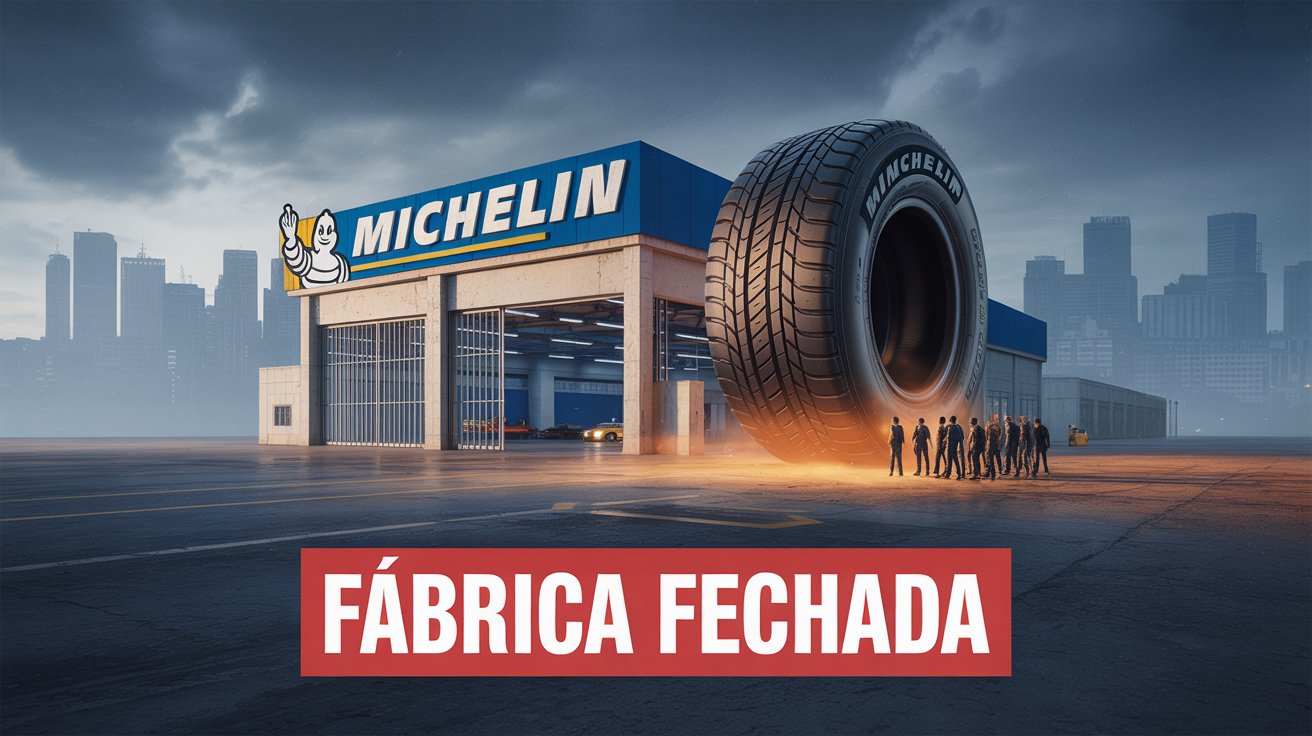
French Multinational Announces Closure of Historic Factory in Guarulhos, Affecting Hundreds of Workers and Shaking Up the Economic Landscape of the Tire Sector in Brazil. See What Changes for the City and the Sector.
Michelin, a global leader in the tire industry, officially announced that it will cease operations at its factory in Guarulhos, located in the metropolitan area of São Paulo, by the end of 2025.
The decision of the French multinational represents an important milestone in the Brazilian industrial sector and is expected to directly impact the lives of hundreds of workers, as well as affect the economic landscape of the municipality.
Michelin Closes Factory in Guarulhos: Immediate Impact on the Industrial Sector
According to a statement released in early July 2025, the measure was motivated by a combination of economic factors that made the continuation of the facility unfeasible.
-
The U.S. Embassy in Rio de Janeiro opens a job vacancy for Electrician with a salary of R$ 70,032 per year; find out how to apply by April 9.

-
The Port of Santos has 120 openings for quality inspectors, and to apply, you just need to have completed high school, have basic computer skills, and go to Poupatempo to obtain the referral letter before the positions are filled.

-
Fiocruz has opened a selection process with vacancies for nurses, dentists, and psychologists, with salaries that can reach nearly R$ 8,000 including the preceptorship grant.

-
Work at Vale! The company is recruiting individuals with high school, technical, and higher education in areas such as maintenance, operations, and technology, with 400 immediate openings in 6 states, salaries of up to R$ 10,000, and 100% online applications.


The main reason cited by Michelin was the overproduction capacity faced by the sector, caused by the significant increase in the import of tires and similar products at prices lower than those practiced nationally.
This context has generated a market imbalance in the Brazilian tire industry, which had already been recording declining sales since the previous year.
Closure of Michelin’s Unit in São Paulo and Its Effects on Workers
According to data provided by the company itself, about 350 employees will be directly impacted by the closure of operations at the Guarulhos factory.
The company emphasized that it is maintaining ongoing dialogue with the workers’ union to define a severance package.
This package is expected to include financial support, professional counseling, and psychological assistance for employees affected by the closure.
“We are committed to fulfilling our obligations and supporting our employees during this transition period,” said Michelin in an official statement.
The Guarulhos unit was responsible for the production of inner tubes for motorcycles and bicycles, industrial tires, and components used in other operations of the company in the country.
With over four decades of operation in the municipality, the factory established itself as one of the industry references in Brazil, contributing to the creation of jobs and the development of the local production chain.
Michelin Maintains Operations in Brazil: Scenario and Perspectives
Michelin, founded in France in 1889, maintains eight industrial units in Brazil, employing over 8,000 people in various regions.
Even with the closure of the Guarulhos plant, the multinational assured that it will continue to operate normally in the other factories located in the country, reaffirming its commitment to customers and the Brazilian market.
“We guarantee the continuity of service and the delivery of our products, reinforcing the trust we have built over the years,” highlighted Hervé Le Gavrian, CEO of Michelin in South America.
Decline in Tire Sales and Increase in Imports in Brazil
The closure of the Guarulhos factory occurs at a time of contraction in the tire sector in Brazil.
According to a survey by the National Association of the Tire Industry (ANIP), in 2024 approximately 50.6 million units were sold nationwide, representing a decline of 2.7% compared to the previous year.
This is the lowest volume recorded since 2013, a direct reflection of the increased imports and reduced domestic demand, especially in segments such as motorcycles and industrial vehicles.
Consequences for Guarulhos and Support Actions
In addition to the immediate impact on workers, Michelin’s decision is expected to affect suppliers, subcontracted companies, and local businesses in Guarulhos that relied on the economic activity generated by the factory.
Municipal authorities and class entities have already expressed concern about the need to implement public policies to support the reemployment of laid-off workers.
According to labor market specialists, professional qualification and investment in alternative sectors may be ways to mitigate the negative effects of this closure.
Innovation, Sustainability, and the Future of Michelin in Brazil
Despite the challenging scenario, Michelin stated that it will continue to invest in innovation and sustainability in its other operations in Brazil.
The company highlighted that it has been seeking to adapt to the new profile of the global tire market, focusing on new technologies and products with a lower environmental impact, as well as strengthening strategic partnerships with the automotive sector.
History and Legacy of Michelin in Brazil
The history of Michelin in Brazil is marked by technological advancements, investments in research and development, and active participation in social programs focused on education and road safety.
The French multinational was one of the pioneers in implementing sustainable production processes and socio-environmental responsibility projects in the country.
No plans have yet been announced for the future of the land occupied by the Guarulhos factory, nor details about possible alternative industrial or commercial uses of the space.
Negotiations between the company, union, and local authorities are ongoing to seek solutions that minimize the social and economic impacts of the closure.
Amid the transformation of the Brazilian industrial sector and in light of global economic changes, the closure of Michelin’s plant in Guarulhos raises questions about the future of the national tire industry and Brazil’s ability to compete in an increasingly globalized market subjected to the influence of imported products at lower prices.
What do you think should be done to ensure job maintenance and strengthen the Brazilian industry in the face of challenges like this?






-

-

3 pessoas reagiram a isso.