





 Portuguese
  English
  Spanish
  4 min of reading
  3 comments


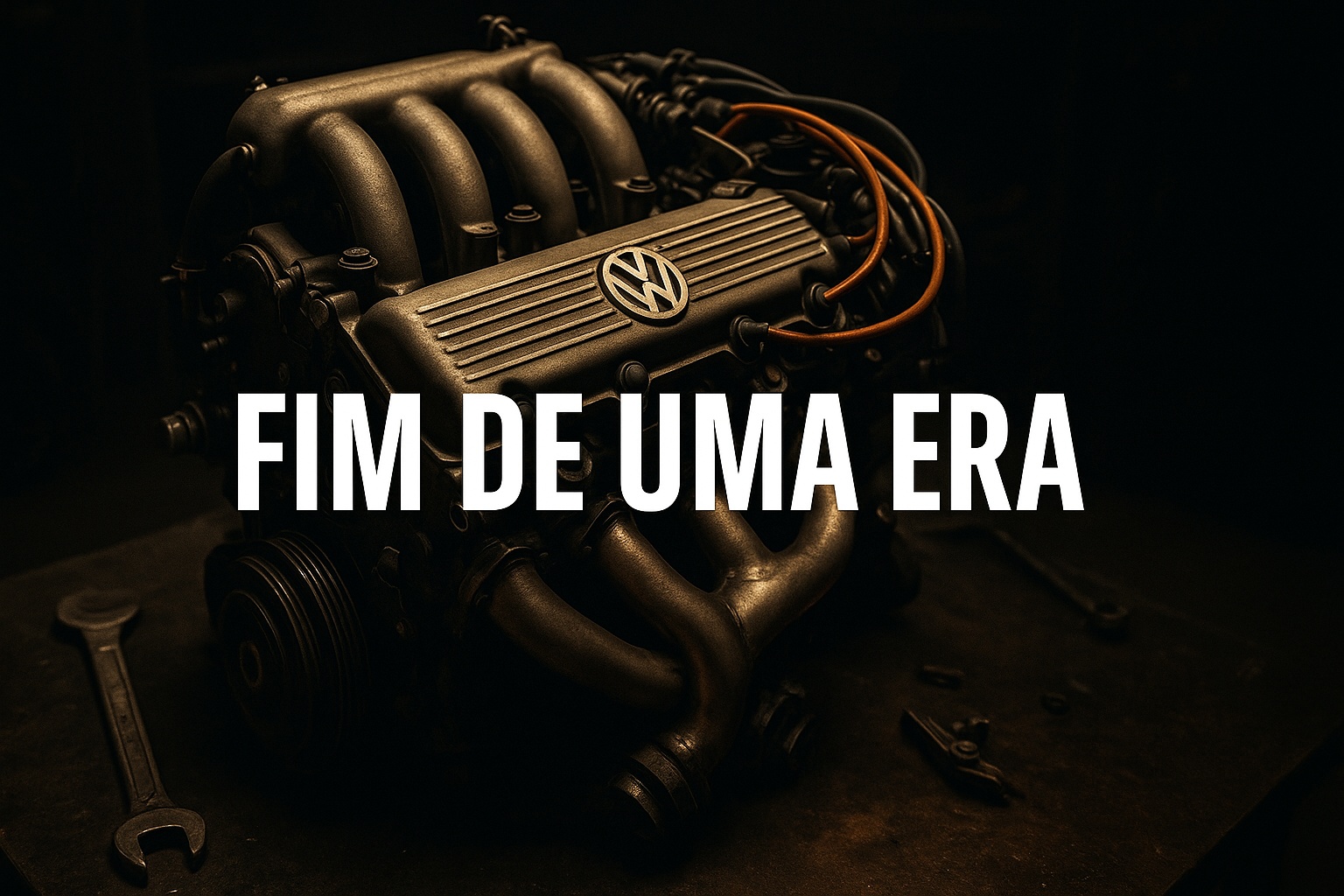


The Most Bold Engine From Volkswagen Comes to an End After 34 Years: Unique Architecture Marked Generations, Moved Nearly 2 Million Cars and Became a Legend of German Engineering
Few engines in the history of the automotive industry have earned as much respect and excitement as the legendary VR6 from Volkswagen. Created in the late 1980s, it represented a technical boldness by bringing together six cylinders in a compact block, with a “narrow V” architecture of just 15 degrees. This innovation allowed for installing a six-cylinder engine transversely in medium cars, something considered impossible until then.
Now, after more than 30 years of production, Volkswagen has confirmed the retirement of the VR6. The decision marks the end of an era characterized by performance, reliability, and, above all, by the distinctive growl that became the soundtrack for millions of car enthusiasts.
The Origin of a Revolutionary Idea
In the late 1980s, Volkswagen was looking for an engine that combined the power of six cylinders with the practicality of compact four-cylinder engines. The challenge was great: “V” or inline engines required a lot of space, which was incompatible with medium hatches and sedans such as the Golf and the Passat.
-
The car stored for 38 years: when opening the barn door, what appears is breathtaking and looks like a scene from a movie!

-
Fiat works miracles in the Brazilian market, lowers the price of its 0 km hatch to R$ 69,990, reestablishes the model as the cheapest car in the country, and reignites the battle against Kwid and C3.
-
Chevette with cooking gas: How the gas cylinder ends up being used in cars clandestinely and why this makeshift solution can result in leaks, explosions, damaged engines, and seized vehicles.
-
Fiat launches the new 2027 Toro hybrid with 48V, 176 hp, an electric motor of 15.5 hp, a 0.85 kWh battery, up to 7% fuel savings, 8% fewer emissions, and possible exemption from IPVA.
The solution found by the engineers was brilliant: to create a six-cylinder block with a very reduced angle between the banks (15°), so that the entire assembly would occupy almost the same space as a four-cylinder engine. Thus was born the VR6, launched in 1991 in the Golf and the Passat.
The Sound That Became Signature
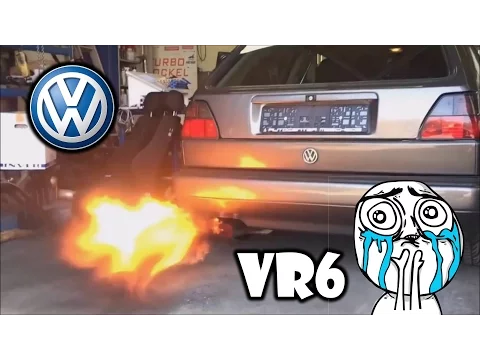

Right from the first tests, the VR6 gained fame not only for its strength but also for the unmistakable metallic music that came out of the exhaust. Unlike traditional inline or “V” six-cylinder engines, the VR6 had its own deep and powerful sound that would become its trademark.
For many enthusiasts, the roar of the VR6 was one of the most beautiful ever produced in passenger cars, capable of competing with much more expensive sports engines.
The Engine That Equipped Everything
The VR6 was born in medium cars, but quickly made its way into models from different segments:
- Golf GTI and Golf R32 – where it showed its sporty side.
- Corrado VR6 – a coupe that became an icon of the 90s.
- Passat and Jetta – medium sedans with superior performance.
- Touareg and Atlas – larger SUVs that used 3.2 and 3.6-liter versions.
- Even brands from the group, such as Porsche Cayenne and Audi Q7, received versions derived from the VR6.
This versatility demonstrated the brilliance of the project: an engine that could be in a sporty hatch and also in a luxury SUV without losing relevance.
The Peak and the Consummation
During the 1990s and 2000s, the VR6 solidified itself as one of Volkswagen’s symbols. Its presence in special versions of the Golf, especially in the legendary Golf R32, solidified it as a cult-engine among fans.
The R32 of 2003, with 241 HP, was the first Golf to receive the 4Motion all-wheel drive system, combined with the VR6. This setup turned the hatch into a true sports car, capable of competing with models from premium brands.
Why Did the VR6 Engine Come to an End?
Despite all the prestige, the VR6 could not withstand the new demands of the automotive industry. Three factors weighed heavily:
- Stricter environmental regulations, which require smaller and more efficient engines.
- Turbocharged four-cylinder engines that deliver similar power with much lower consumption and emissions.
- Advances in electrification, which make it unfeasible to continue producing an engine with architecture developed in the 80s.
Given this scenario, Volkswagen decided to cease production of the VR6.
The Immortal Legacy
Even in retirement, the VR6 will continue to be remembered as one of the most important engines ever produced by Volkswagen. It proved that it was possible to put six-cylinder performance in medium and compact cars, revolutionizing automotive engineering.
Furthermore, it left as a legacy a legion of fans, enthusiast clubs, and a huge presence in amateur competitions and modifications. To this day, mechanics and collectors seek VR6 blocks for customized projects, keeping the memory of the engine alive.
End of Production, Beginning of the Legend
The retirement of the VR6 marks the end of a cycle that spanned three decades and millions of cars. More than just an engine, it became a symbol of innovation, passion, and sound identity.
While the coming years belong to silent electric engines and turbocharged four-cylinders, the VR6 will always be remembered as the engine that dared to be different — compact, powerful, and with an unmistakable sound.









Tudo que é bom em matéria de carros e motores nesse país; estão aposentando, nos sobra esses engodos de motores com três cilindros, correias banhadas em óleo, resfriadores de óleos problemáticos, péssimos acabamentos internos, ou seja, a tendência é cada vez mais, fazer o público engolir carros descartáveis de pouca durabilidade.
Vr 6 é em w e nao v mais fechado
Falou pouco, mas falou muita besteira! Um motor W são dois bancos VR montados em um bloco com V normal, mais aberto!