





 Portuguese
  English
  Spanish
  3 min of reading
  0 comments



A New Cement Technology Has Been Developed to Naturally Reduce Heat in Homes Without the Need for Air Conditioning or Energy Expenditure
Researchers from the Public University of Navarra (UPNA, Spain), led by Miguel Beruete Díaz, have developed an innovative technology capable of transforming cement into an essential material for the radiative cooling of buildings. This new technique allows the cement to naturally reduce the heat of buildings without the need for any external energy source.
The breakthrough was so significant that it resulted in the Nanophotonics Research Award for Innovative Sustainability. This discovery promises to revolutionize the construction industry by offering a sustainable and efficient solution to reduce heat impact in large urban centers.
By adding small particles of sustainable materials to the cement and controlling its porosity, the material is capable of reflecting solar radiation while simultaneously emitting heat into space. As a result, surfaces of buildings coated with this cement can remain cool, reducing the need for artificial climate control systems.
-
With 55 km over the sea, a cost of US$ 20 billion, and enough steel to build 60 Eiffel Towers, China’s largest project has connected Hong Kong, Zhuhai, and Macau in a colossal bridge that defies the logic of engineering.

-
A trick with joint compound transforms a Styrofoam ceiling into a plaster-like ceiling: leveled panels, wires and mesh at the joints, sand, paint, and change the environment while spending little today.

-
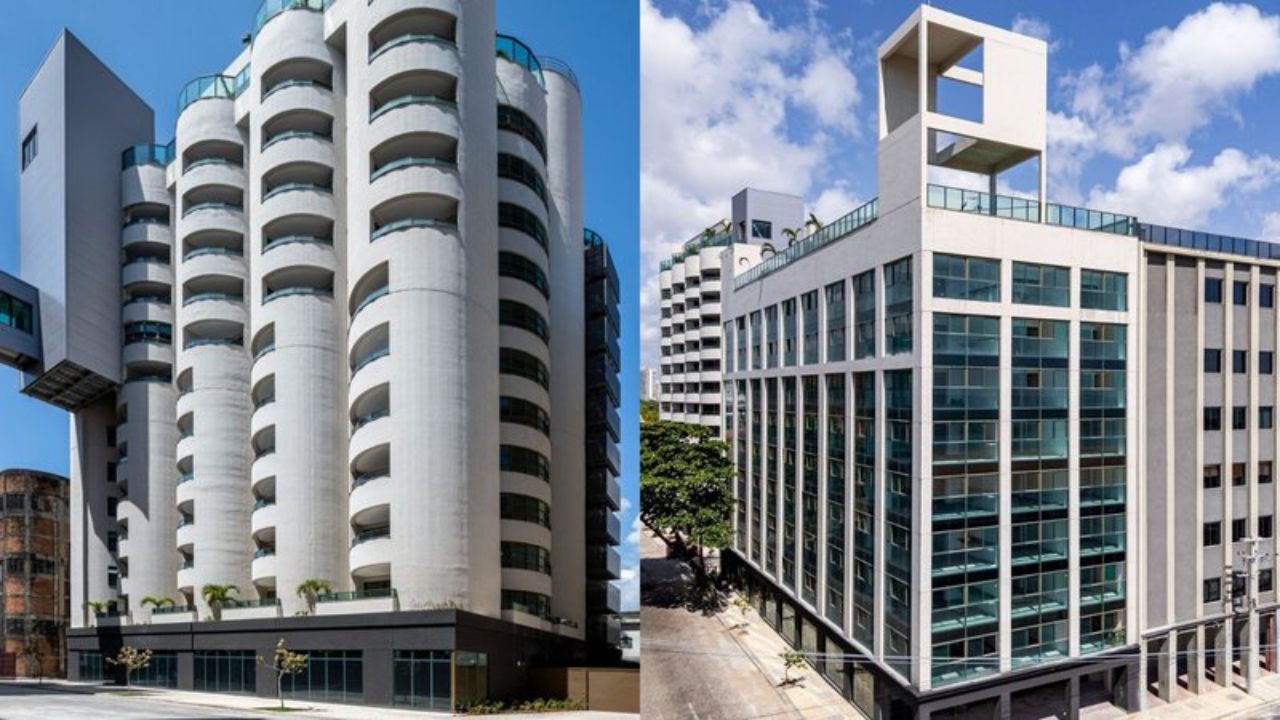
Abandoned for over a decade, century-old silos in the state of Recife have been transformed into 251 apartments with curved walls in one of the most complex retrofits ever done in Brazil.
-
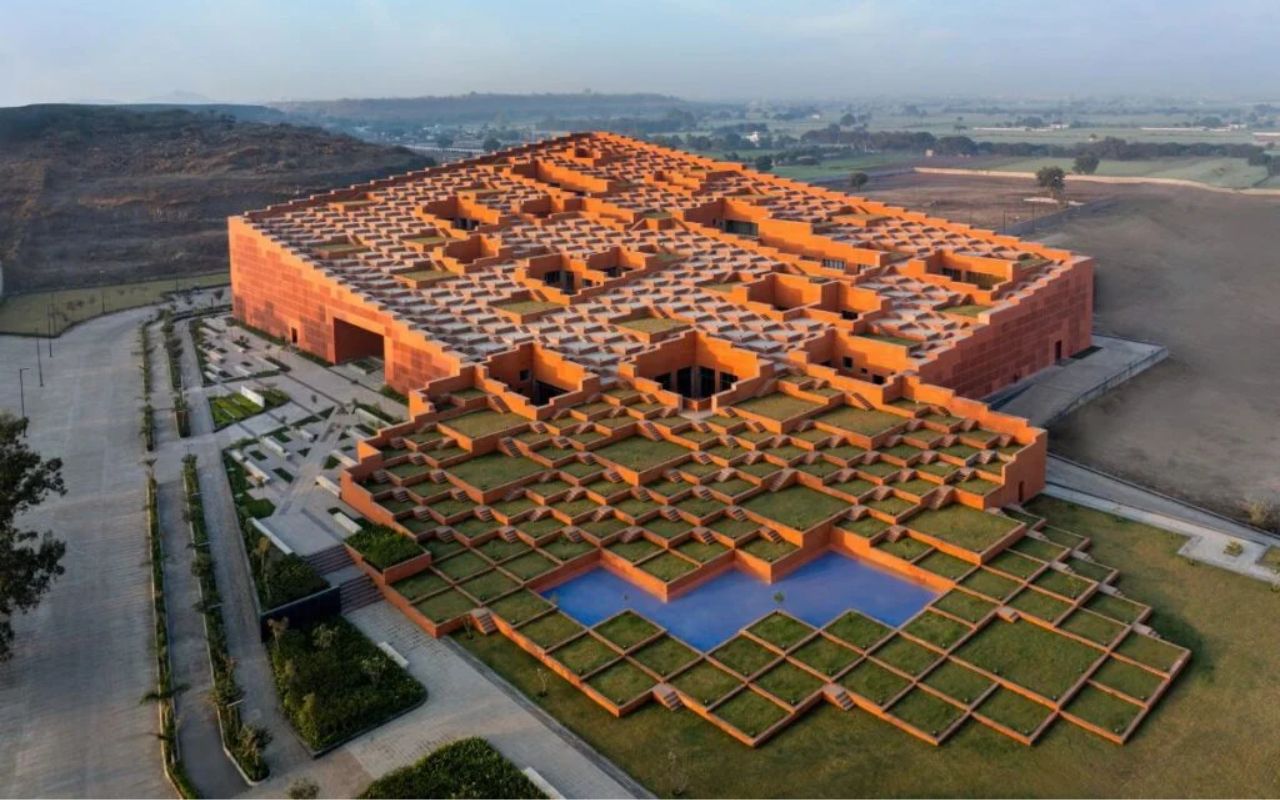
Inspired by millennia-old structures, a “differentiated” roof with 463 levels and a capacity for 9,000 people was built on top of a building in India; the tiered roof is almost a kind of giant garden of 9,000 m², reducing energy consumption and promoting interaction among students of Prestige University.

Climate Tests and Promising Results
In addition to laboratory tests, the UPNA team conducted a series of detailed climate studies to assess the potential of this technology in different parts of the world.
To this end, climate data from the past ten years were analyzed with hourly precision, providing a broader view of environmental conditions in various regions.
The initial field tests also indicated encouraging results. According to Miguel Beruete, “the results are very promising.” This new development opens doors for greater use of sustainable materials in construction, especially in areas with high temperatures.
The researcher emphasizes that “this work opens doors to a new generation of sustainable construction materials that not only improve energy efficiency but also significantly contribute to mitigating climate change.”
The Future of Cement
The research is part of a larger effort in the European project MIRACLE, led by Jorge Sánchez Dolado, from the Materials Physics Center (CSIC-UPV/EHU) in San Sebastián.
This project aims to elevate the technological and commercial maturity of the developed materials, with several patents already underway. The continuation of this research is called COOLCRETE and focuses on bringing these advancements to the market.
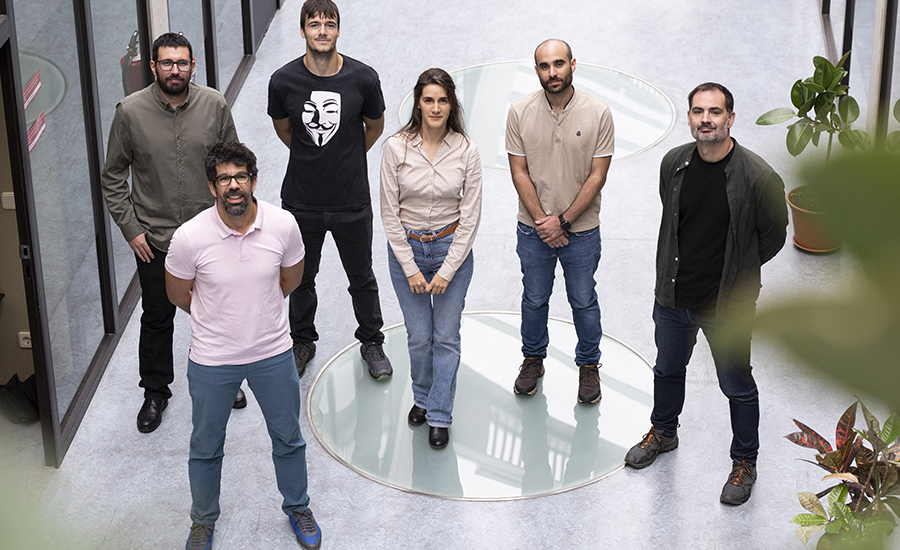
The award-winning work was led by Miguel Beruete and Íñigo Liberal Olleta, with support from Alicia Elena Torres García. New members, such as Laura Carlosena Remírez and Unai Jiménez Martínez, have also joined the team, strengthening the research group.
Additionally, other researchers like Carlos Lezáun Capdevila, José Manuel Pérez Escudero, and Angie Torres Betancourt participated in the initial phases of the project, consolidating an interdisciplinary collaboration that promises to bring more innovations to the construction field.
With the advancement of this technology, traditional cement could undergo a significant transformation, becoming a crucial component in the fight against climate change.
The outlook is that this type of material could become common in construction projects, not only in European countries but also in warmer regions of the world, where temperature control is a constant concern.
In this way, the construction industry can take a significant step toward a more sustainable future, reducing energy consumption and promoting alternatives that protect the environment while providing comfort to residents of large urban centers.








Seja o primeiro a reagir!