





 Portuguese
  English
  Spanish
  4 min of reading
  0 comments


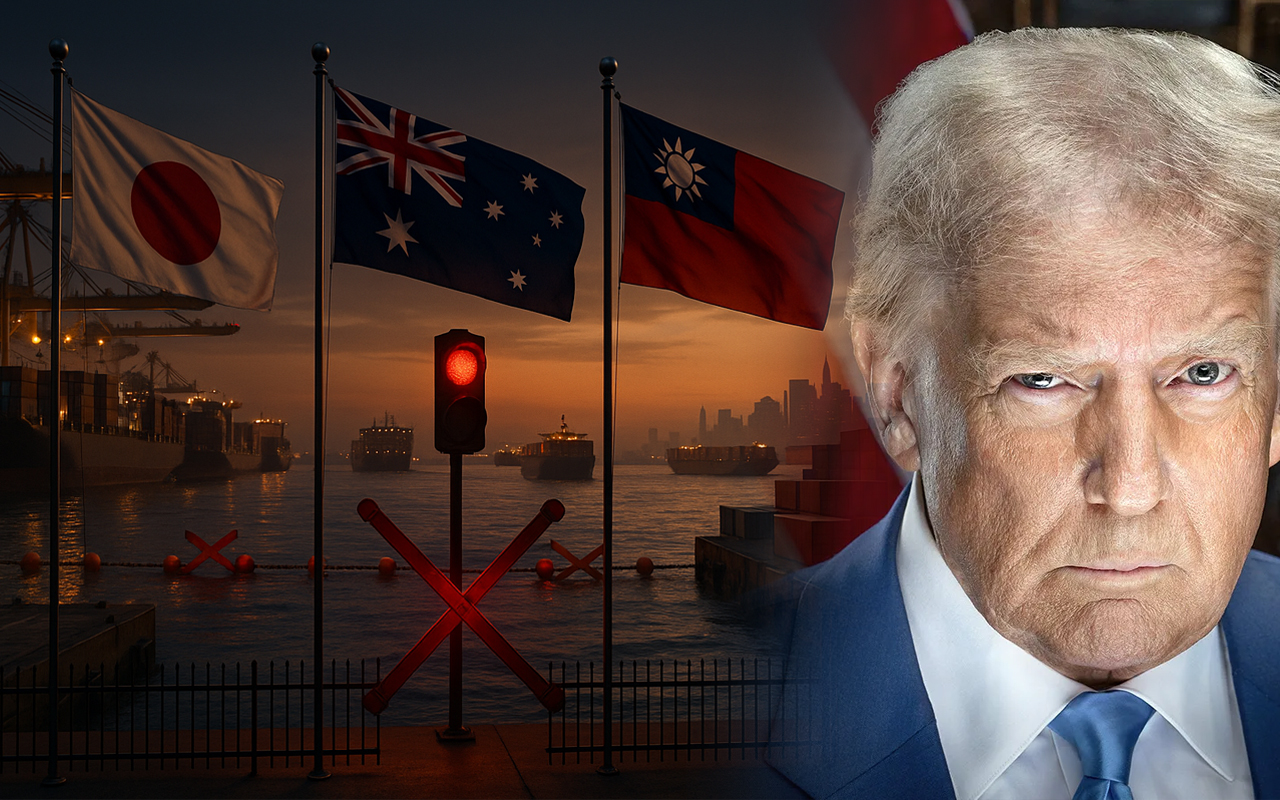
As of August 29, 2025, the USA Ends the Minimis Exemption (Up to US$ 800) for International Shipments. Japan Post, Australia Post, and Chunghwa Post (Taiwan) Have Already Suspended Part of Shipments, Affecting Global E-commerce.
The decision by the United States to end the minimis exemption for international shipments has triggered a chain reaction among postal operators around the world. In a matter of days, Japan, Australia, and Taiwan announced temporary suspensions of certain shipping services to the U.S., as companies and consumers rush to understand the new rules.
The U.S. government confirmed that, effective August 29, 2025, low-value shipments will no longer enter tariff-free. The measure, signed by President Donald Trump, profoundly alters the dynamics of low-cost international shopping and shipments made by small retailers.
In practice, millions of packages that previously crossed borders without taxation will now incur tariffs, and postal operators will need to collect and remit these amounts to U.S. customs authorities. This regulation, with immediate application, explains why so many countries chose to pause services until the operational flows are clear.
-
Mothers and daughters come together, create an ‘express’ beauty salon and turn the idea into a network with 21 units, revenue of R$ 16.7 million and 12,000 subscribers.

-
End of the 6×1 schedule: how the reduction of hours can affect service companies, industry, and agribusiness.

-
Brazil Ignores Trump’s threats to BRICS, Buys 42 tons of gold and reduces the Dollar’s share by 6.45% in international reserves.

-
Havan buys historic football land in Blumenau for a million-dollar amount protected by a confidentiality clause and is already planning to change even the layout of streets to build a megastore in half-timbered style costing 80 million reais.


End of the Minimis Exemption in the USA, Date, Rules, and Tariff Calculation
The end of the minimis exemption was formalized by the White House in an executive order that suspends tariff-free treatment for low-value shipments. Until then, the rule allowed packages worth up to US$ 800 to enter without charge. Now, all orders with goods will be taxed, according to applicable rates based on origin and product.
The U.S. Customs and Border Protection (CBP) has published global guidance detailing how operators should collect and remit the taxes. There are two valid methods: one ad valorem (percentage of value) and one specific per item. In the latter, a six-month transition phase was planned with fixed values per item according to the IEEPA tariff of the country of origin: US$ 80 (up to 16%), US$ 160 (between 16% and 25%), and US$ 200 (above 25%). After this period, the ad valorem method becomes mandatory for international postal networks.
In addition to the tariffs, the CBP has set operational requirements: operators need to have financial guarantees (bonds), declare the country of origin, and report shipments via specific forms on Pay.gov. The intention is to provide traceability and predictability in the collection, but the very short timeframe caused uncertainty and service disruptions.
Japan Post, Australia Post, and Chunghwa Post (Taiwan) Suspend Shipments to the USA
Japan Post announced that it will stop accepting certain packages destined for the U.S., primarily commercial items and shipments exceeding value limits, citing the lack of a clear pre-payment system for tariffs. The official announcement, published on the company’s channels, states that the changes take effect immediately before the regulatory shift in the U.S.
Australia Post reported a partial suspension of shipments to the U.S. on Tuesday, August 26, 2025, a measure confirmed by international media and the Australian press. The state-owned company attributes the pause to the new tariff requirements and the need to adjust internal processes for collection and remittance. For business clients, alternative solutions are being explored with partners, while letters and documents continue to operate normally.
In Taiwan, Chunghwa Post suspended the shipment of small packages destined for the U.S. starting August 26, stating that the global postal system still does not offer service for pre-collection of U.S. tariffs and that contracted carriers have also stopped transporting commercial packages.
Global E-commerce Under Impact, Marketplaces and Sellers Will Have Higher Costs and Delays
The removal of the minimis exemption alters the total import cost for consumers and imposes new obligations on retailers selling via marketplaces and online stores. Platforms that connect foreign manufacturers to American buyers, such as fashion and gadgets marketplaces, are likely to readjust prices, recalculate shipping, and rethink return policies.
Logistics operators are also restricting the flow. DHL announced temporary limitations on the shipment of goods via postal network to the U.S., while maintaining DHL Express as an alternative, subject to usual customs rules. The priority, for now, is to align data systems, tariff calculation, and remittances according to CBP requirements.
Overall, what is observed is a temporary disorganization in the international postal networks, with countries in Europe and the Asia-Pacific pausing part of their services. Normalization depends on technical adjustments and operational clarity. Analysts assess that the shock is expected to dissipate over the coming months, but with a new cost level for those buying and selling internationally.
Letters, Documents, and “Gifts”, What Remains and What May Change
It is important to emphasize that letters and documents without goods do not fall under the scope of taxation and, in general, continue to operate. Even so, operational information varies between countries and can change quickly as each operator adjusts its systems.
Some international reports mention limited exceptions for personal shipments classified as gifts, below low values. Reports vary, with mentions of US$ 100 or US$ 150 in specific cases, but these references depend on the interpretation of each operator and local legal framing. Before mailing, check updated rules in your country.
For urgent shipments, express courier alternatives remain available, but with full customs rules and possible fees. DHL Express continues to operate, and other private carriers are likely to maintain services subject to appropriate declaration and payment of the required taxes.







-

-

-

4 pessoas reagiram a isso.