





 Portuguese
  English
  Spanish
  5 min of reading
  0 comments


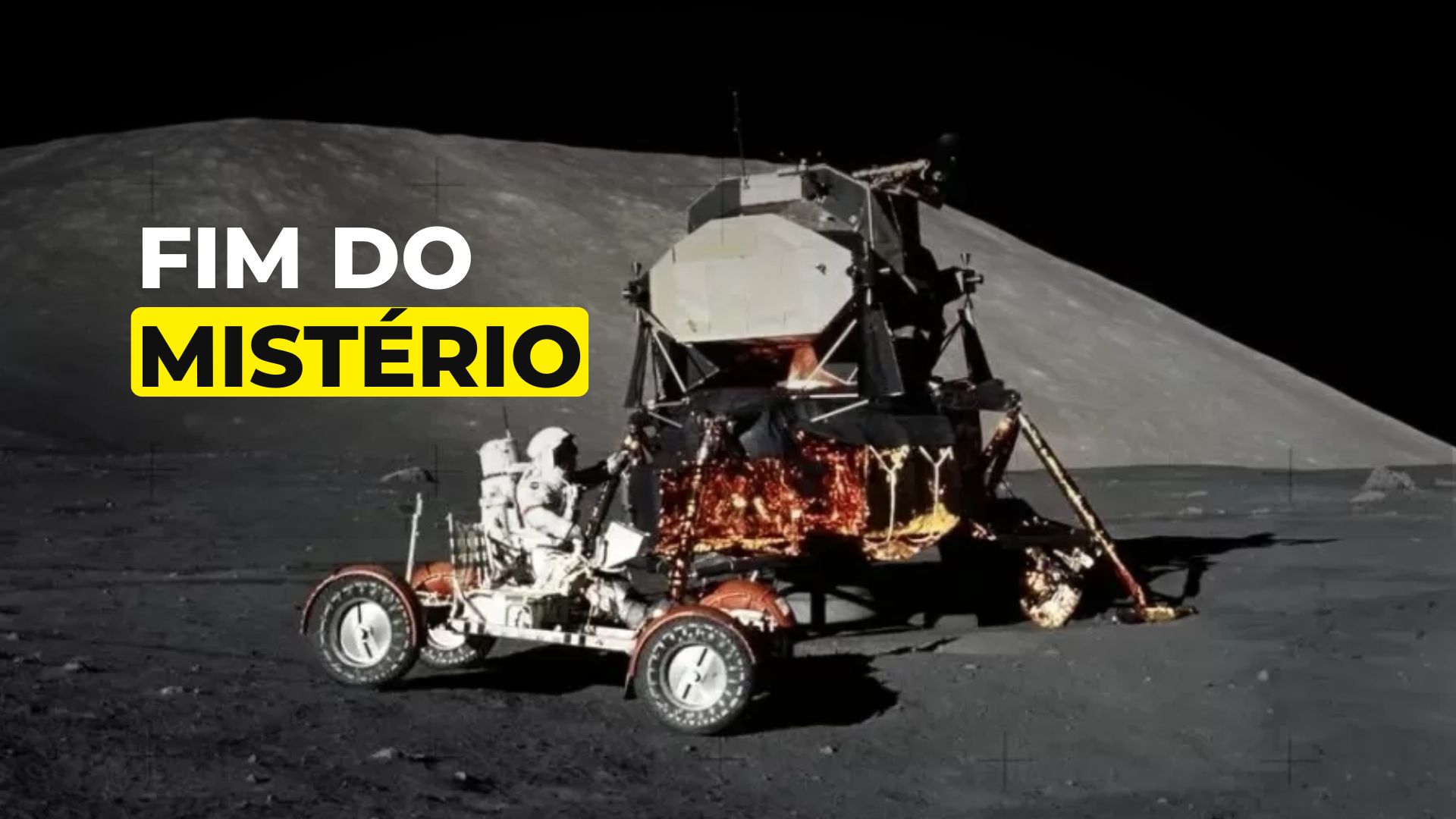
Researchers Reveal The Origin And Composition Of Orange Glass Spheres Collected During The Apollo 17 Mission, After More Than Half A Century Of Speculations About Their Formation On The Lunar Surface.
After more than five decades of uncertainties, scientists have unraveled one of the oldest enigmas of lunar exploration: the true origin of the orange glass found on the Moon’s surface during the Apollo 17 mission, conducted in December 1972.
The discovery was made by researchers from Brown, Harvard, and Washington universities in St. Louis, who detailed the composition and formation process of the mysterious material.
The complete study is scheduled to be published in September 2025 in the scientific journal Icarus.
-
Sleeping at different times each day can be a bomb for your heart and even double your risk of having a heart attack.

-
Without help and without heavy machinery, a woman builds a house from scratch with stone, wood, and cement, erects a chimney, creates a complete leisure area, and transforms an empty lot into her dream home.

-
Couple transforms abandoned house after years of being closed; residence was overgrown with weeds, had a green pool, and a deteriorated structure in the interior of Rio de Janeiro.

-
Hidden marks on the walls of the site associated with the Last Supper of Jesus for centuries have been deciphered in Jerusalem, revealing medieval inscriptions left by pilgrims, European nobles, and travelers from the Middle East.

Lunar Orange Glass: The Beginning Of The Mystery
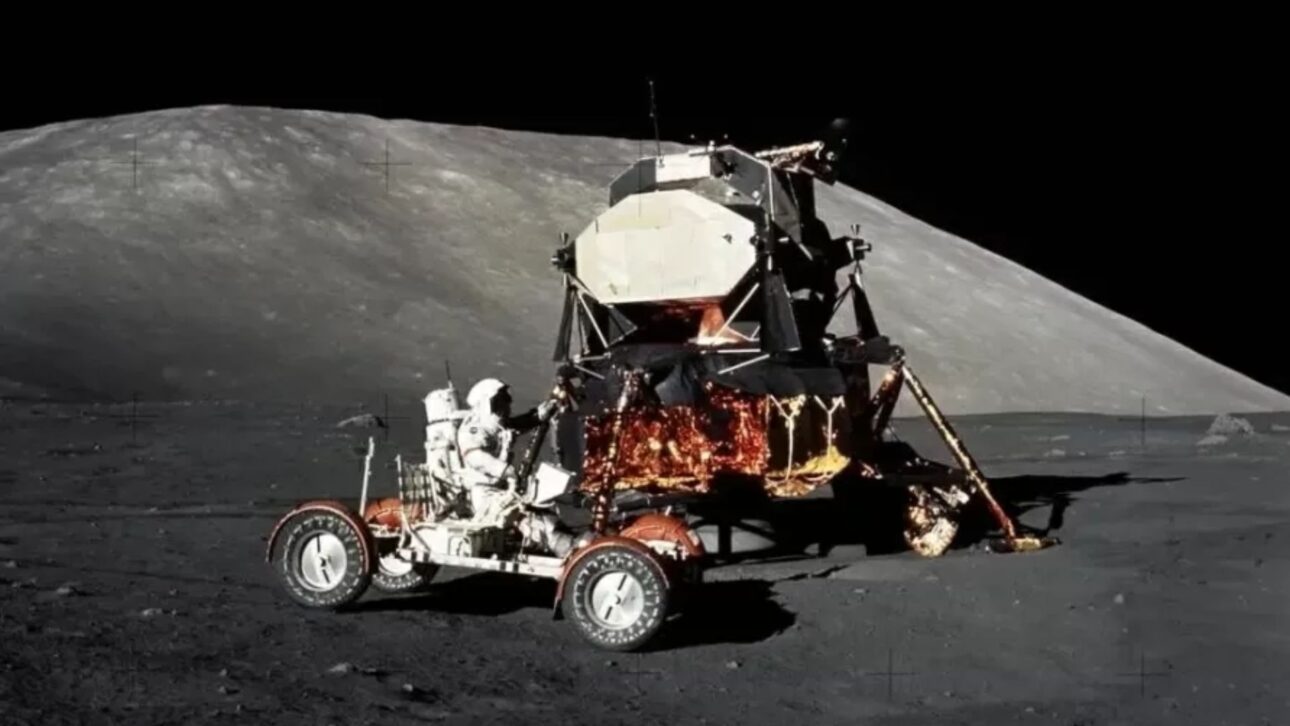
During the Apollo 17 mission, astronauts collected unprecedented samples of lunar soil in the Taurus-Littrow valley.
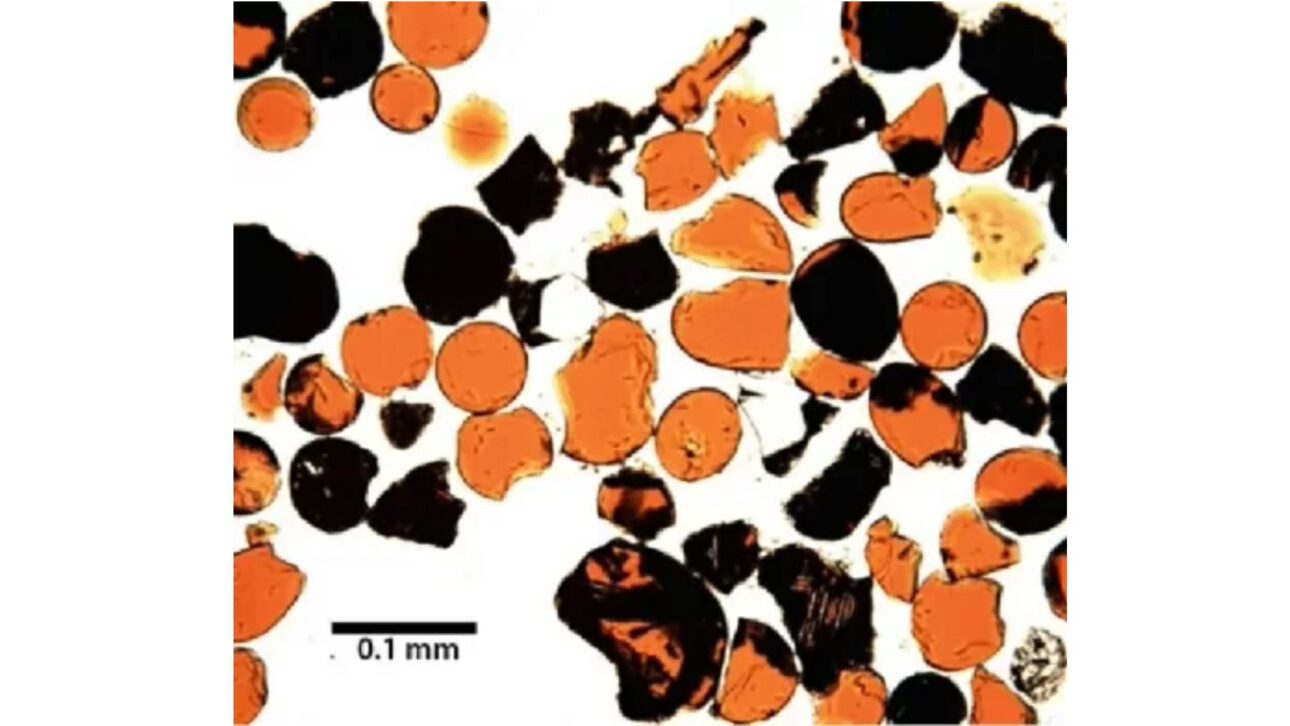
Among the materials transported to Earth, a series of small orange glass spheres caught attention, some of which displayed darker shades.
Most of these beads had a diameter of less than 1 millimeter and, for decades, their exact composition and mode of formation remained a mystery to the scientific community.
At the time, it was speculated that the beads might be related to ancient volcanic activities of the natural satellite, but the available information was limited to a few basic chemical elements identified superficially.
Technological Advances Enabled Unprecedented Analysis
The solution to this historical enigma was only possible thanks to recent advances in laboratory technology.
The group led by geochemist Thomas Williams from Brown University, in collaboration with physicist Ryan Ogliore from Washington University, used previously unavailable analytical instruments to meticulously examine the samples.
Among the tools employed, the NanoSIMS 50, a high-precision ion microprobe already recognized for its application in interplanetary particle research, stands out.
With this technology, researchers were able to divide some of the spheres into fragments to study their internal structure at maximum resolution.
In addition to the microprobe, the group conducted analyses using atomic probe tomography, scanning and transmission electron microscopy, as well as energy dispersive X-ray spectroscopy.
Each technique allowed for the investigation of microscopic layers of the samples, revealing unprecedented details about their mineralogical and chemical composition.
The results surprised even the most experienced researchers in the field: deposits of nanominerals formed while still in the gaseous state were identified, indicating a violent volcanic origin for the lunar orange glass.
Composition And Importance Of Orange Glass On The Moon
According to the analysis by experts, the 74,001 glass beads transported by Apollo 17 present a dominant compound: nano polycrystalline sphalerite.
This mineral contains traces of zinc, iron, and sulfur, elements rarely found together on the lunar surface.
Thermochemical models developed from experimental data suggest that the formation of the orange glass occurred from volcanic gases emitted during explosive eruptions that took place between 3.6 and 3.3 billion years ago.
The researchers themselves acknowledge the historical significance of the advancement: “We have had these samples for 50 years, but now we have the technology needed to fully understand them. Many of these tools would have been unthinkable when the glass beads were collected,” Ryan Ogliore highlighted in a statement released to the press.
He emphasizes that the spheres serve as immaculate capsules of the Moon’s interior, preserving essential information about the geological history of the satellite.
Care During The Analysis Of Lunar Samples
During the study, a central concern was to avoid contamination of the samples by contact with Earth’s atmosphere oxygen, which could alter the composition of the tiny minerals on the surface of the spheres.
To achieve this, scientists extracted fragments from the deepest regions of the glass beads, ensuring reliable and accurate analyses, even with the most advanced laboratory techniques available today.
The discoveries also suggest that the interior of the Moon is radically different from any structure ever observed on Earth.
The orange glass, according to specialists, was generated when the lava expelled by volcanic eruptions solidified almost instantly upon contact with the cold vacuum of the lunar surface.
“The existence of these beads indicates that the Moon underwent explosive eruptions, similar to fire fountains observed in Hawaiian volcanoes today,” Ogliore added.
This scenario reinforces the complexity of the lunar environment, which has undergone intense transformations over billions of years.
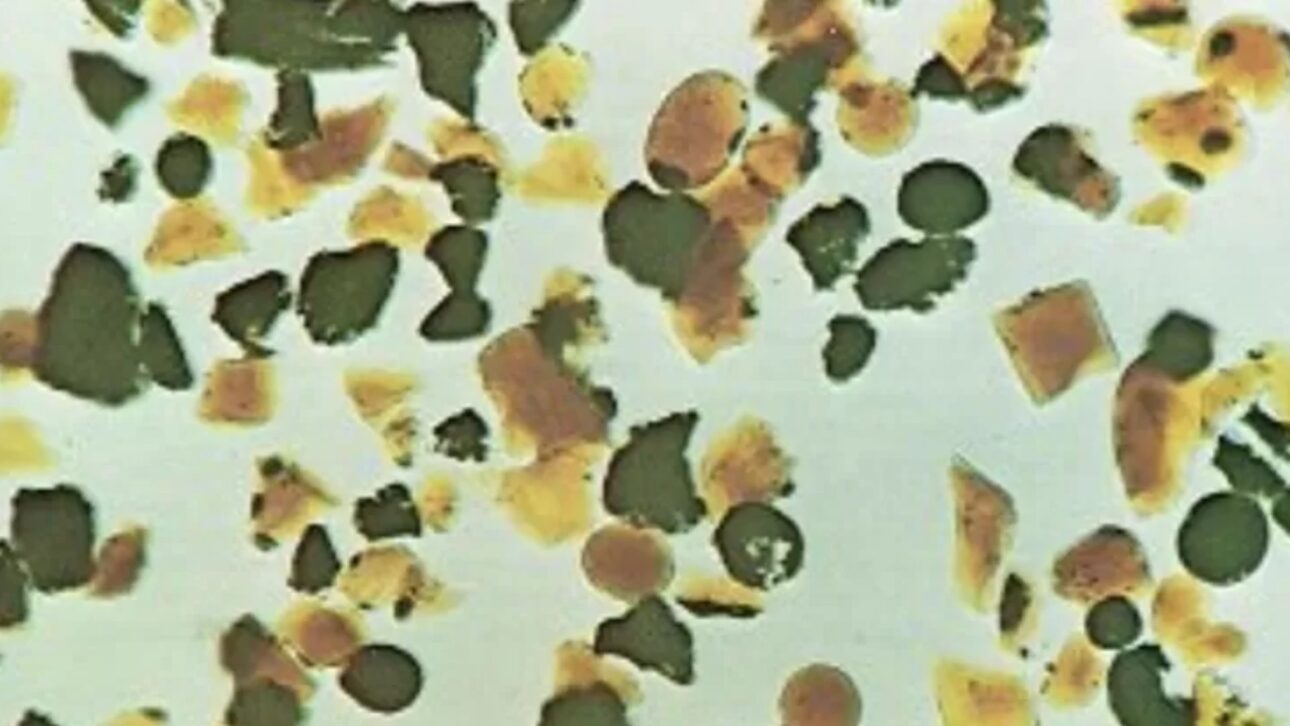
Lunar Glass Beads As A Time Tunnel
In addition to clarifying the origin of the orange glass, the research revealed that the beads function as a true “time tunnel” for lunar volcanology studies.
Through isotopic and mineralogical analysis, scientists identified that the eruption patterns underwent gradual changes in pressure, temperature, and chemical composition, following the evolution of the satellite throughout its geological history.
According to the researchers, studying these variations is equivalent to consulting the diary of an ancient lunar volcanologist.
The investigation of lunar glass beads is not yet finished.
The next step for scientists is to deepen the analysis of the gas clouds released during ancient eruptions, as well as to investigate whether lunar magma has homogeneous characteristics in different regions.
This information could provide new clues about the origin and development of the natural satellite, paving the way for future exploration missions and the collection of deeper samples.
New Clues About The Lunar Past And Future
The discovery of the true formation process of the orange glass on the Moon closes a chapter of more than half a century of doubts and reinforces the importance of cutting-edge technology in solving ancient scientific mysteries.
What will be the next lunar enigma to be solved with new generations of analytical instruments and future space missions?









Seja o primeiro a reagir!