





 Portuguese
  English
  Spanish
  4 min of reading
  0 comments


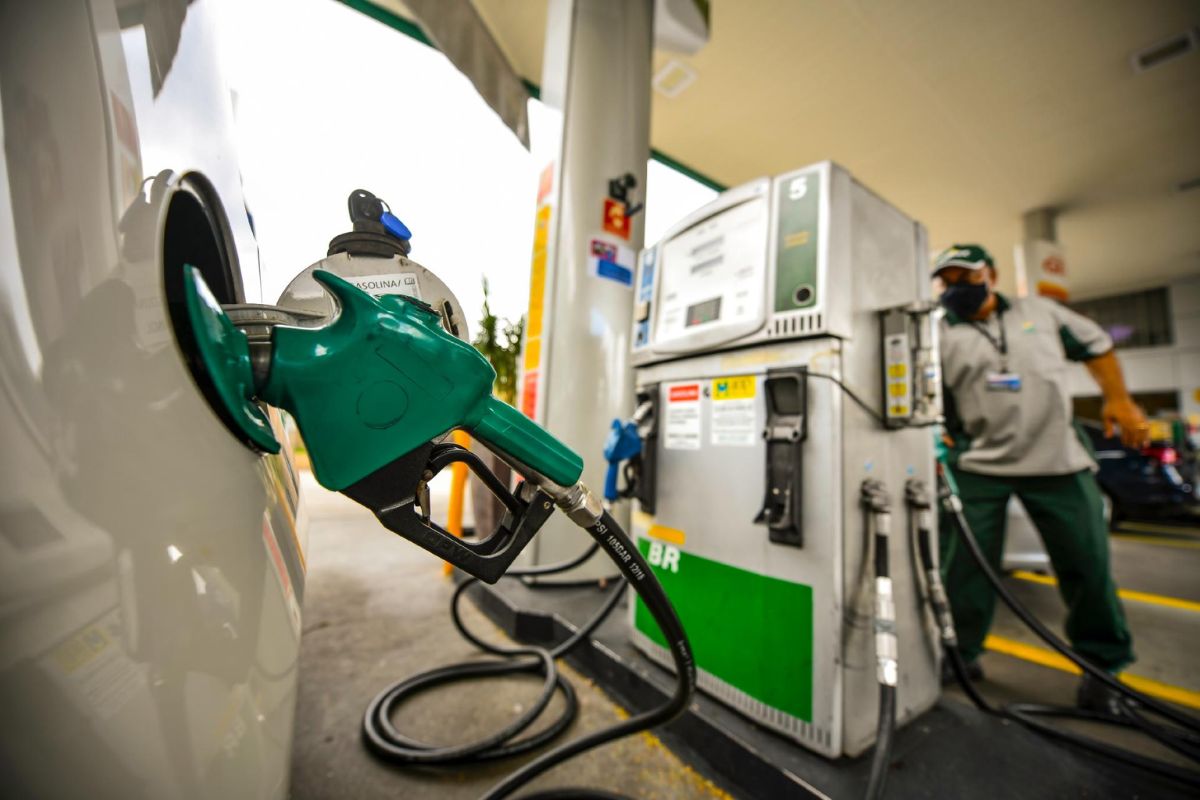
Petrobras Abandoned the Controversial Import Parity Price (PPI); Learn How the Gasoline Price is Calculated Today with the New Strategy that Takes into Account National Production and the “Opportunity Cost”.
Every Brazilian who fills up their car has asked the question: why does the gasoline price change so much and often does not seem to follow the drop in the dollar? The answer lies in a profound change in how Petrobras, the country’s largest company, determines the price of fuel leaving its refineries. The old and controversial Import Parity Price (PPI) policy has been abandoned.
The goal is to clarify, in a straightforward manner without economic jargon, what the “cake recipe” is that makes up the new pricing policy of Petrobras. Understanding this new formula is crucial to know what to expect from the price you pay at the pump.
What Was the PPI and Why Was It Abandoned?
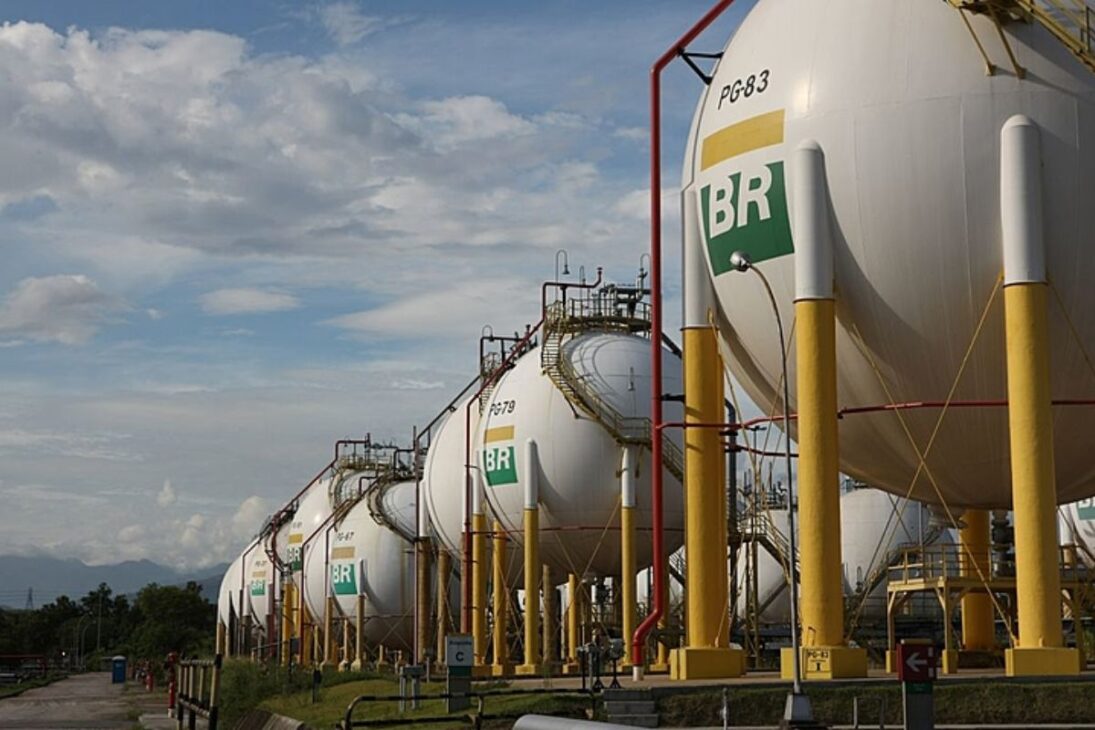
The Import Parity Price (PPI) was the policy adopted by Petrobras for several years. Simply put, the PPI simulated how much it would cost to import gasoline or diesel, even if the fuel was produced in Brazil. The formula considered three main factors: the price of Brent crude oil in the international market, the dollar exchange rate, and theoretical import costs, such as shipping and port fees.
-
Petrobras surprises the world again by announcing a new discovery in the pre-salt with excellent quality oil.

-
Offshore industrial demand in Macaé skyrockets with the recovery of oil and gas and could grow by up to 396% by 2026 in the Campos Basin.
-
Offshore industrial demand in Macaé surges with the recovery of oil and gas and could grow by up to 396% by 2026 in the Campos Basin.
-
Brazilian giant expands borders in the Southeast: Petrobras confirms new oil discovery in ultra-deep waters in the pre-salt of the Campos Basin.


The main criticism and the reason for the end of the Petrobras PPI was the high volatility it generated for consumers. Any crisis in the Middle East or a sharp rise in the dollar directly impacted the price at the pump here, even if Petrobras’s production costs in Brazil had not changed. This led to frequent adjustments and, often, a sharp increase in gasoline prices today that put pressure on inflation throughout the country.
The New Formula: The Two Pillars That Define Prices Today
In May 2023, Petrobras announced its new Commercial Strategy. It’s important to understand that this is not a fixed or tabled price but rather a more flexible approach. The new Petrobras pricing policy is based on two main concepts:
Customer’s Alternative Cost: this pillar analyzes the price from the buyer’s perspective. Petrobras assesses the alternatives that its customers (the distributors) would have, such as importing the product from other suppliers. The price aims to be competitive compared to these alternatives.
Marginal Value for Petrobras: this pillar looks inward at the company. Petrobras calculates the best value it can obtain for its product, considering its own production costs and the opportunity to sell it in the domestic market or export it.
The goal is to find a balance that ensures competitiveness in the national market while still aiming for profit and the company’s financial health, but with fewer price spikes for consumers.
Opportunity Cost: Deciphering the Most Important Term of the New Policy
The most complex, yet fundamental term to understand the new logic is the “customer’s opportunity cost.” Let’s use a simple analogy: imagine Petrobras produces one liter of gasoline in one of its refineries. It has two options: sell it to a distributor in São Paulo or export that same liter to a buyer in Argentina.
The “opportunity cost” is basically the value of the better of these options. The new policy seeks a price that is attractive for the Brazilian customer, but at the same time, is not much lower than what Petrobras would earn if it decided to export that fuel. That is why the price of Brent crude oil and the dollar still matter, but are no longer the only factors. The capacity for national production and the company’s market alternatives have entered the equation, “Brazilianizing” part of the calculation.
Who Else Benefits from the Price You Pay?
Understanding how the gasoline price is calculated at the refinery is just the first step. The value you pay at the station is composed of a series of other variables, according to data from the National Agency of Petroleum, Natural Gas and Biofuels (ANP):
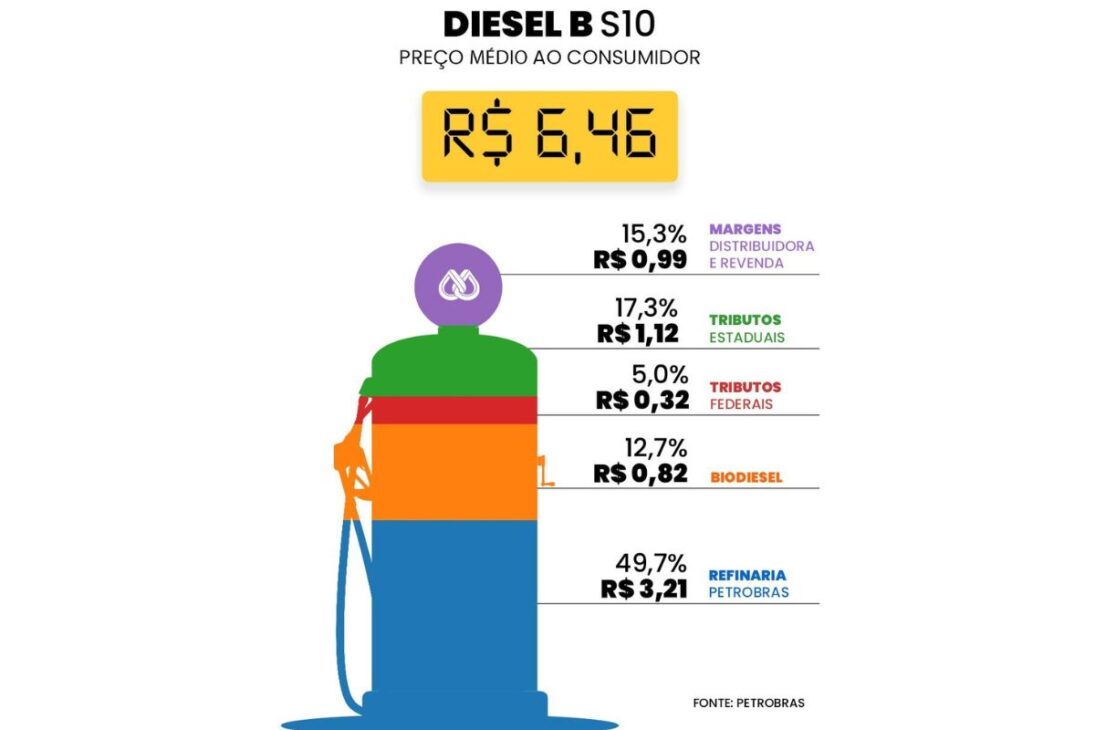
Petrobras Realization: this is the portion of the price defined by the new commercial policy.
Federal Taxes: The CIDE (Contribution for Economic Domain Intervention) and PIS/Cofins.
State Tax (ICMS): this is one of the largest portions and varies from state to state, which explains why gasoline is more expensive in some places than in others.
Cost of Anhydrous Ethanol: Brazilian legislation requires the mixing of a percentage of ethanol in gasoline. The cost of this ethanol makes up the final price.
Distribution and Resale: the profit margin of distribution companies and gas station owners.
Therefore, an increase at the station does not always mean Petrobras adjusted its price. The variation can come from any of these other components.
Has the new pricing policy of Petrobras become clearer to you? Do you think it is fairer for the consumer? Leave your opinion in the comments!









-

Uma pessoa reagiu a isso.