





 Portuguese
  English
  Spanish
  4 min of reading
  0 comments


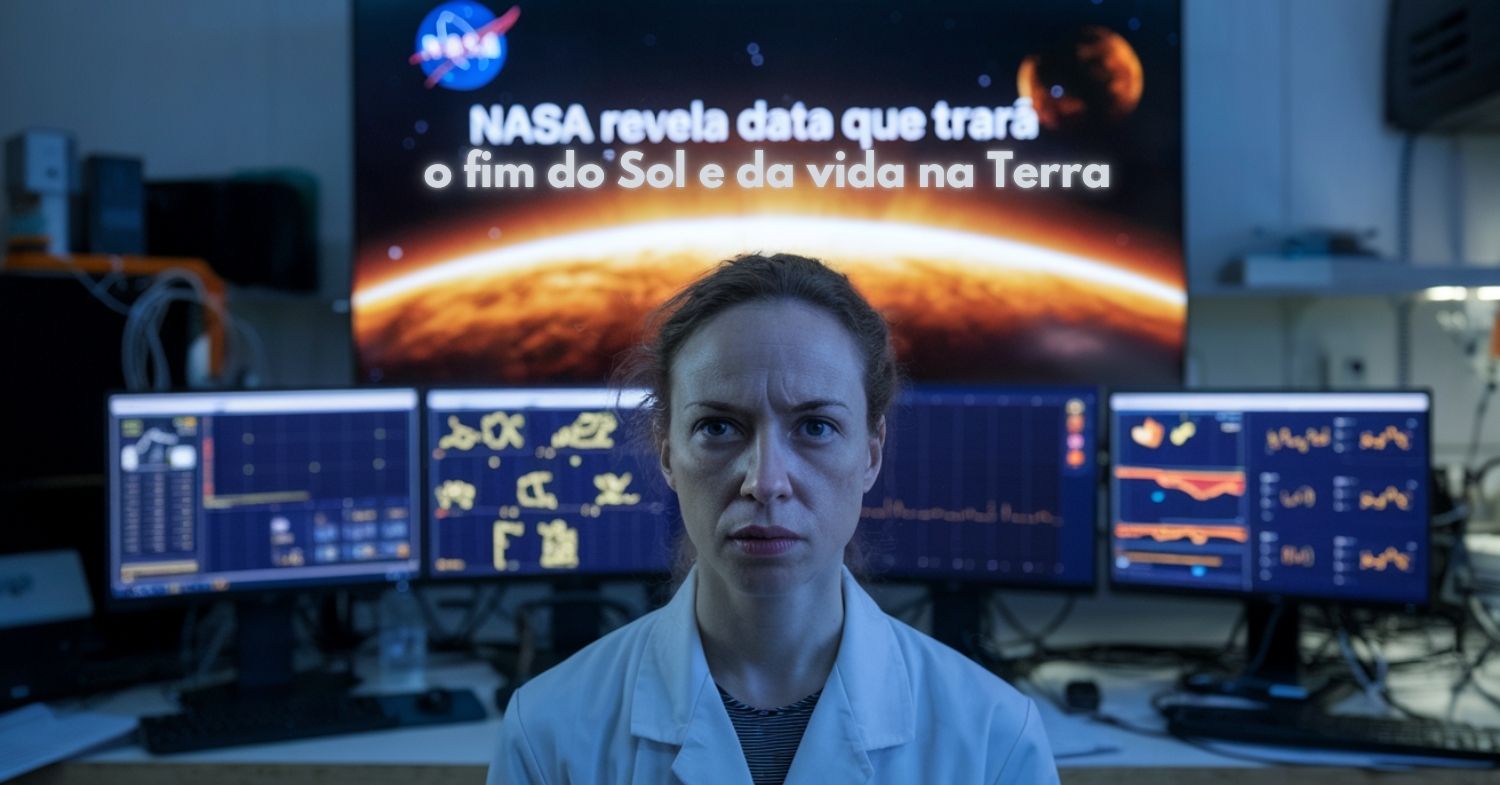
With Billions of Years Until the Collapse of the Sun, NASA Scientists Explore the Impact of This Event on the Fate of the Earth and the Mysteries About the End of Life As We Know It.
Have you ever imagined what the end of the Sun will look like and what it means for Earth? It sounds like a science fiction movie, but according to NASA, this will happen. There’s no need to panic — we have about 5 billion years until this becomes a problem. However, the study of the Sun’s end raises some intriguing questions about the future of life on Earth and the fate of our planet.
How Will the End of the Sun Be, According to NASA?
According to NASA scientists, the Sun is undergoing a natural process called stellar evolution, something that happens to all stars. Currently, it is in the so-called main sequence, where it burns hydrogen in its core to produce energy. This is the stage at which our Sun is stable, but this won’t last forever.
In approximately 5 billion years, the Sun will enter its red giant phase. At this stage, it will grow so large that it will engulf the closest planets, such as Mercury and Venus. And Earth? Well, the fate of our planet is uncertain, but two terrifying possibilities are on the table: either Earth will be swallowed by the expanding Sun, or it will be exposed to such intense heat that its oceans will evaporate and the surface will become an uninhabitable desert.
-
Something is happening around the Earth: Inside the huge explosion of fireballs in 2026

-
A hot air bubble coming from Argentina expands over Brazil, causing thermometers to exceed 38 degrees with a thermal sensation of 40 degrees in late March, affecting 6 states at once.

-
The radish leaf that almost everyone throws away has more polyphenols, flavonoids, and fiber than the consumed root, and a 2025 study showed that the leaf contains compounds that protect the intestine, combat inflammation, and may inhibit the growth of cancer cells.

-
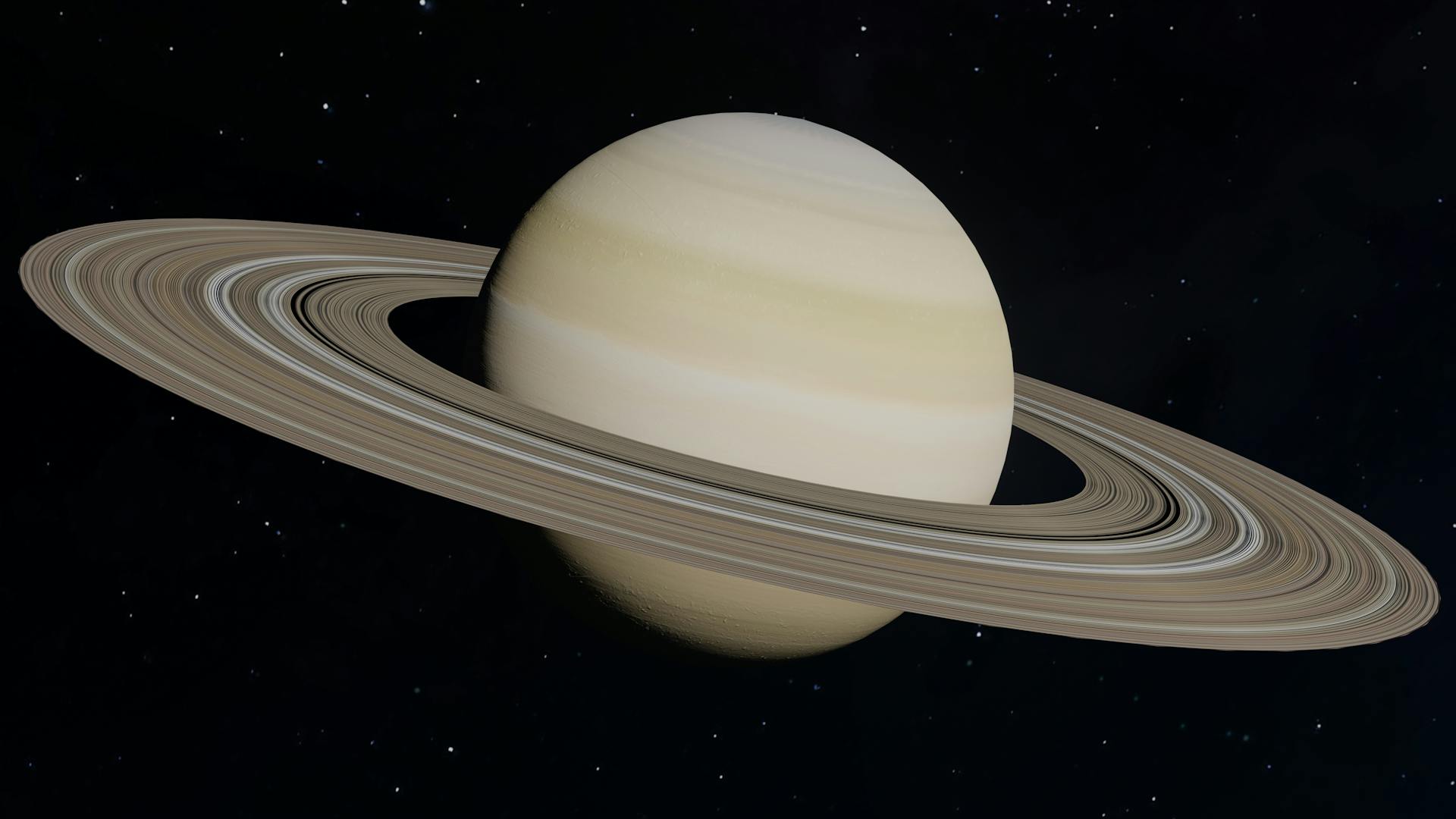
A planet that seemed to defy the laws of physics has intrigued scientists for decades, until the James Webb revealed what is really affecting Saturn’s rotation.

What Will Happen to Earth Before the End of the Sun?
Although the “end of the Sun” is very distant, the signs that it is aging will start to be felt well before that. According to NASA, the gradual increase in solar luminosity over billions of years will turn Earth into an inhospitable place. Temperatures will begin to rise, compromising the atmosphere and evaporating the oceans. In other words, life as we know it will have an expiration date.
Even before the Sun becomes a red giant, Earth will have already lost its habitability conditions. Gradual changes may render the planet unable to support any form of life. This scenario reinforces the need to explore ways to survive outside of Earth, something that NASA itself has been dedicated to researching with its colonization projects on Mars and beyond.
The End of the Sun and the Impact on the Cosmos
When the Sun reaches its final stage, it will no longer be the bright star we know. After the red giant phase, it will release its outer layers in a cosmic spectacle known as a planetary nebula. What will remain is a white dwarf, a small and extremely dense core. This will be the “end of the Sun” as an active star.
Although life on Earth will have disappeared by that point, the event will be a unique opportunity to study stellar life cycles. According to NASA, understanding how the Sun will “die” helps us better understand the workings of the Universe and the evolution of other solar systems. Additionally, phenomena like planetary nebulae reveal the beauty and complexity of the cosmos.
What NASA Teaches Us About the Future of Humanity
The end of the Sun is not just a scientific curiosity; it is also a reminder that everything in the Universe has a life cycle, even a star as important as the Sun. For NASA, studying the fate of the Sun is essential for expanding our knowledge about stellar dynamics and preparing us for future challenges.
Over time, humanity will have to face changes that will make Earth uninhabitable. And this could happen long before the Sun goes dark. This reality drives the search for solutions, such as the colonization of other planets or the creation of technologies that allow survival in extreme environments.
Although the end of the Sun is far away in time, it makes us reflect on our position in the Universe and the need to take care of our planet while it is still habitable. After all, Earth is the only home we have at the moment.
The idea that the Sun, so essential for life on Earth, also has a finite cycle reminds us that everything in the Universe is transient. NASA’s discoveries about the end of the Sun and its impacts on Earth invite us to reflect on the future, science, and the search for new frontiers. And, while we have billions of years until the “end of the Sun,” it is always good to remember: science is there to help us understand the cosmos and plan for what comes next.







-

Uma pessoa reagiu a isso.