





 Portuguese
  English
  Spanish
  4 min of reading
  6 comments





Carrefour Closure Reflects A Transformation In Brazilian Retail. Experts Point Out The Growth Of Wholesalers And The Decline Of Traditional Hypermarkets. With Changes In Consumer Behavior, Small Markets And Groceries Gain Space. The Future Of Retail Points To Necessary Adaptations In Light Of New Demands.
Abandoned shopping carts and empty shelves now occupy the space that, for decades, was synonymous with variety and convenience for thousands of consumers.
The closure of the Carrefour hypermarket at Shopping Center Norte, in northern São Paulo, sparked the debate about the future of the business model that has dominated Brazilian retail for years.
The closure of this unit, which had been operating since 1987, is more than just a local change; it represents a trend of transformation in national retail.
-
End of the 6×1 schedule: how the reduction of hours can affect service companies, industry, and agribusiness.

-
Brazil Ignores Trump’s threats to BRICS, Buys 42 tons of gold and reduces the Dollar’s share by 6.45% in international reserves.

-
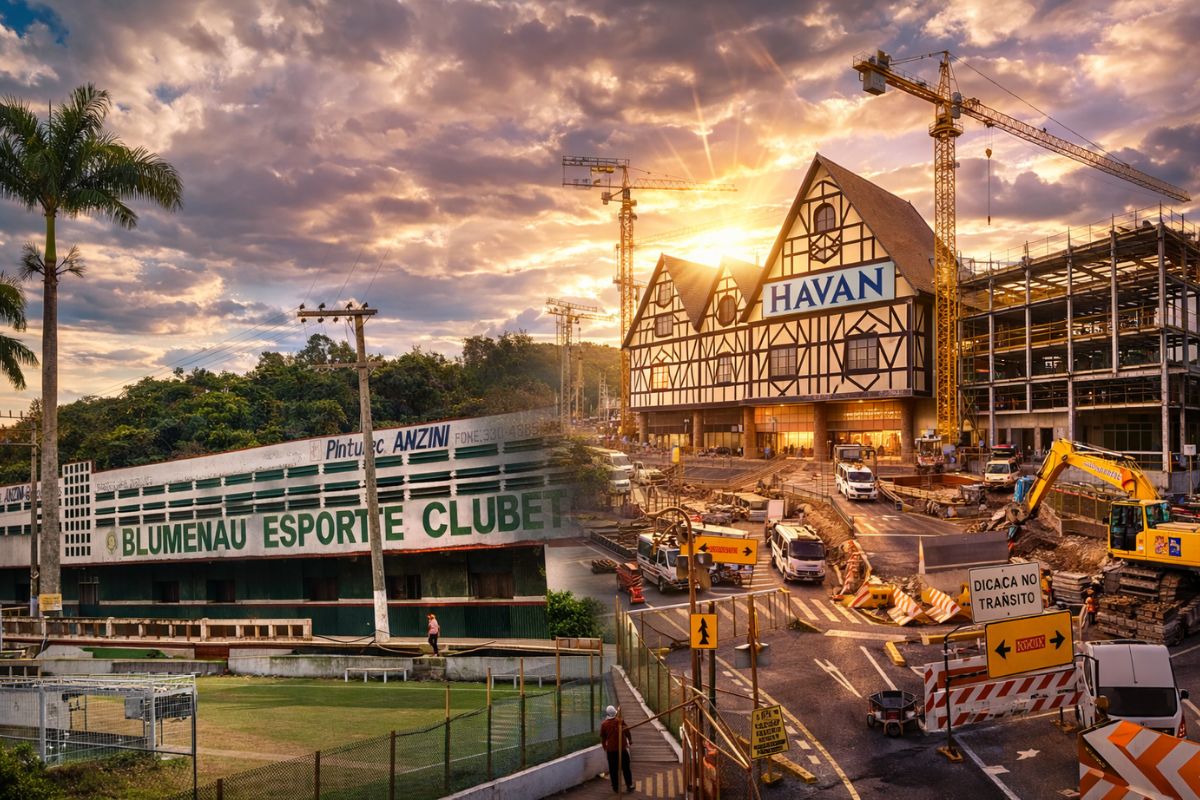
Havan buys historic football land in Blumenau for a million-dollar amount protected by a confidentiality clause and is already planning to change even the layout of streets to build a megastore in half-timbered style costing 80 million reais.
-
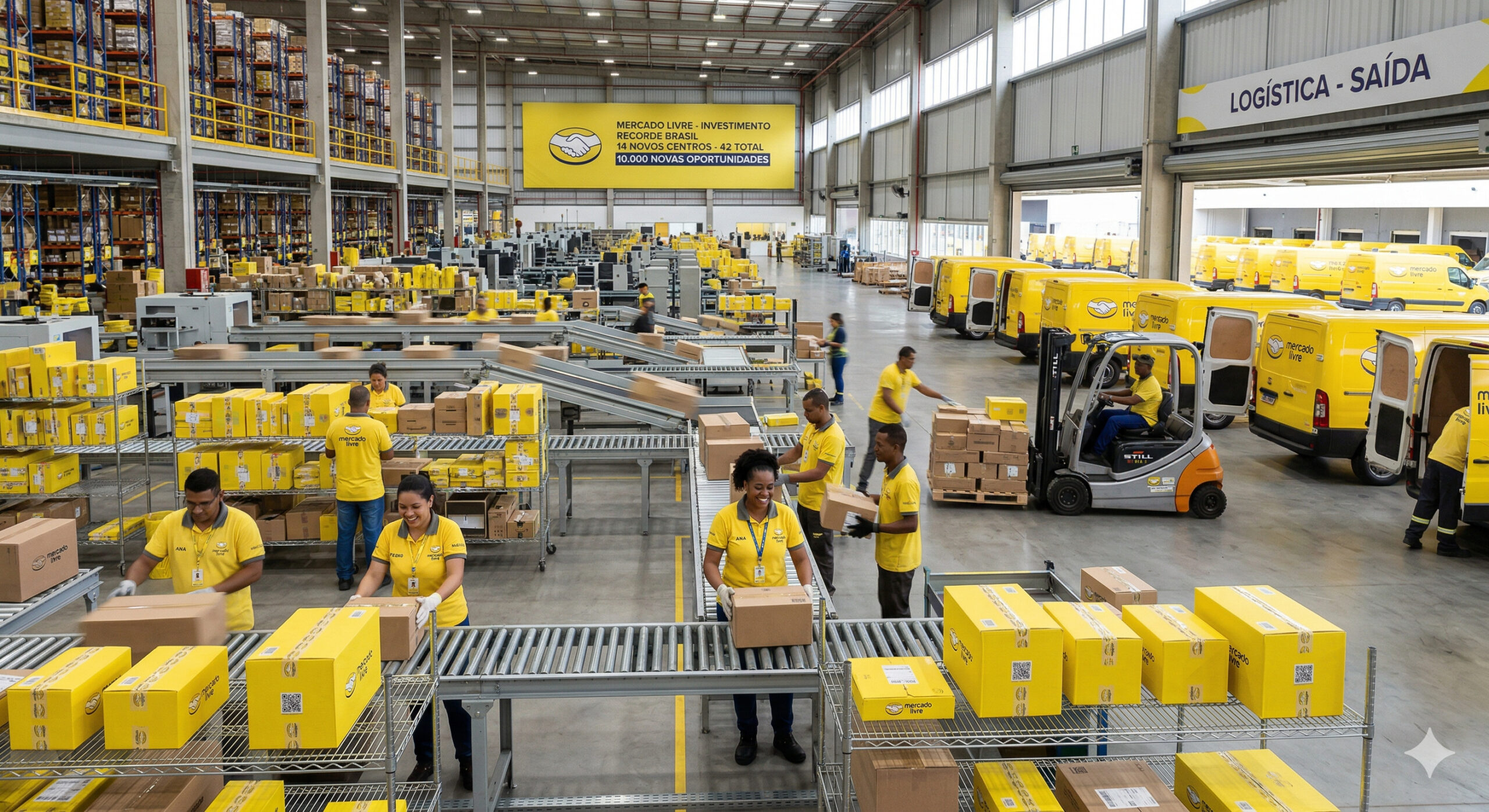
Mercado Livre “opens the vault” and announces a record investment of R$ 57 billion in Brazil in 2026, a value 50% higher than the previous year, with an expansion plan that includes 14 new logistics centers, totaling 42 units in the country and hiring an additional 10,000 employees.

The Decline Of Hypermarkets And The Rise Of Wholesalers
According to consulting firm Euromonitor International, the segment reported a 25% drop in revenue in 2023 compared to 2019.
Meanwhile, wholesalers saw an impressive leap of 84%, reaching R$ 136.7 billion in the same period.
Consumers, increasingly seeking savings, prefer the offers from wholesalers for food and basic items.
Alberto Serrentino, partner at Varese Retail, emphasized that hypermarkets face an inevitable decline in the face of competition from wholesalers.
According to him, the model that once made sense in the 80s and 90s can no longer attract the same flow of consumers.
The search for low prices at wholesalers and the convenience of smaller, specialized stores have shaped the behavior of Brazilian consumers.
This trend is not limited to Brazil.
According to a report from Folha de S. Paulo, hypermarkets in other countries are also facing similar difficulties due to the growth of e-commerce and the popularity of convenience stores.
The Carrefour Decision And Its Impact On The Region
Carrefour announced the closure of the unit at Center Norte on December 21, 2024, even before the planned date, which would have been the last day of the year.
The decision came after a clearance sale that attracted many consumers in the final days of operation.
The management of Shopping Center Norte informed that the area previously occupied by Carrefour is undergoing studies to define its future occupancy. The possibility of a new smaller supermarket or even a leisure space is speculated.
In an official statement, Carrefour stated that the closure was requested by the management of the shopping center.
Of the 168 employees at the unit, most have already been reassigned to other stores in the group, and the company is still seeking alternatives for the remaining employees.
Despite this, experts see the move as part of a broader restructuring.
Between January and September 2024, the group closed 174 points of sale across the country, according to Folha de S. Paulo.
The Role Of Shopping Center Norte
With 40 years of existence, Shopping Center Norte is one of the main commercial centers in northern São Paulo.
In 2024, the establishment announced an expansion of over 6,000 m² of gross leasable area, with investments of R$ 100 million and the arrival of new renowned brands such as Diesel, Farm, and Zara.
This move indicates that the shopping center is seeking to modernize and diversify its store portfolio to better meet the current demands of consumers.
The closure of Carrefour, however, represents a significant change in the dynamics of the shopping center, which previously relied on the hypermarket as one of its main anchors.
Eugênio Foganholo, partner at Mixxer Desenvolvimento Empresarial, emphasized that modern consumers prefer more specialized and practical solutions, moving away from the traditional hypermarket model.
Furthermore, Shopping Center Norte is part of a mixed-use complex called Cidade Center Norte, which includes Lar Center (specializing in furniture and decor), Expo Center Norte, and Novotel hotel.
Looking ahead, the complex promises to bring even more innovations, such as the Bioma residential condominium, establishing itself as a diversified hub in the region.
The Decline Of Hypermarkets: A Global Trend?
Experts point out that the decline of hypermarkets is not exclusive to Brazil. In various countries, this model faces similar challenges, such as the rise of e-commerce and the growth of smaller, more agile formats.
According to the analysis by Folha de S. Paulo, the closure of stores and the adaptation to new consumer behavior are inevitable trends for large chains like Carrefour.
An example of this global movement is the growth of specialized stores and local markets, which offer more personalized and convenient experiences.
In Brazil, farmers’ markets, groceries, and small markets have gained ground, presenting themselves as viable and attractive alternatives to consumers.
The Future Of Grocery Retail
Although Carrefour claims to believe in the strength of hypermarkets, the reality points to an increasingly fragmented market.
Small local markets, groceries, and farmers’ markets have gained space, offering more personalized and convenient experiences to consumers.
The rise of wholesalers, with competitive prices, also consolidates a paradigm shift in Brazilian retail.
The case of Carrefour at Center Norte symbolizes the beginning of a new era for Brazilian retail. The question that remains is: is this the definitive end of hypermarkets or a necessary transformation for their survival?
The debate remains open, as consumers, companies, and experts observe the next chapter of this story.







Atacarejo sempre tem promoção, coisas baratas e em conta. Por que eu iria para um hipermercado?????
Sem falar que os mercados locais chegam a ser mais baratos que os atacarejos ainda, exemplo o mercado evangélico.
Matéria tí**** de mídias militantes que defende o presidiario nine, e seus corruptos Brasil chegando ao abismo
A França saqueia Amazônia e suas colônias…
Vivemos sem vocês aqui!