





 Portuguese
  English
  Spanish
  3 min of reading
  0 comments


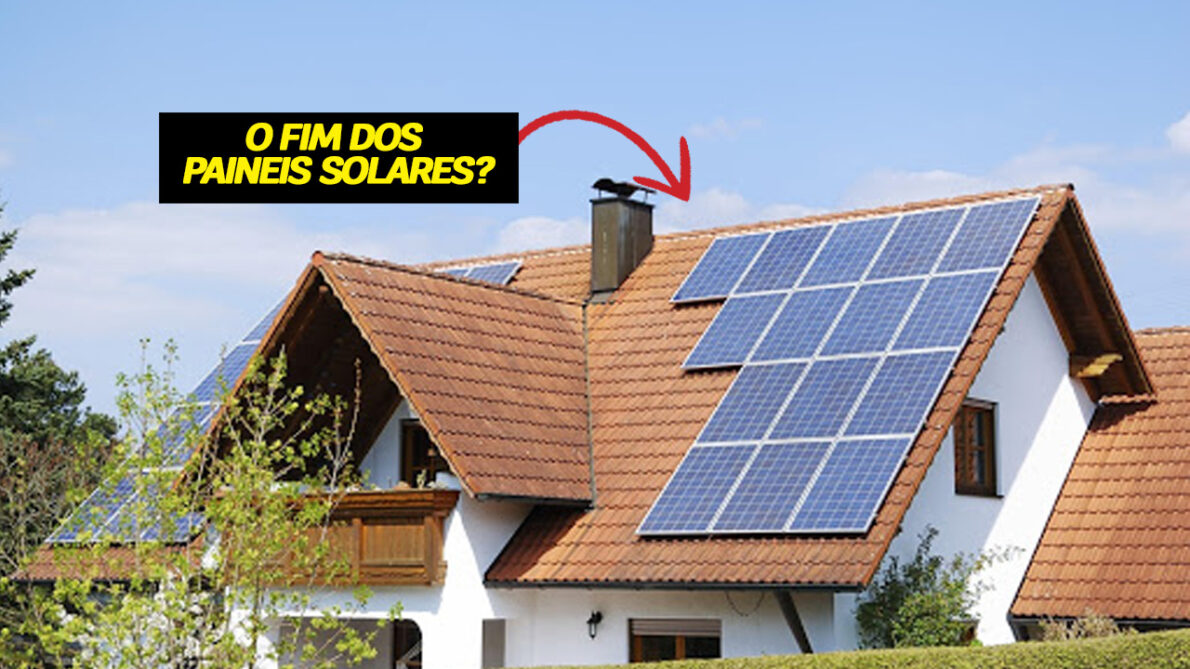
Solar Supercell Created in Oxford Uses Rare Mineral and Could Revolutionize Energy Generation. With Efficiency Higher Than Traditional Solar Panels, This Technology Promises to Transform Everything from Cell Phone Chargers to Electric Vehicle Refueling.
Get ready for the future of solar energy. A recent discovery made by scientists from the renowned University of Oxford challenges the technology of solar panels as we know it.
Imagine a material so small it fits in the palm of your hand, yet capable of generating energy so efficiently that it could power everything from cell phones to electric vehicles.
This innovation uses perovskite, a rare mineral, and is already being called the “solar supercell.” But will this new technology truly threaten the existence of traditional solar panels?
-
A Canadian retiree creates a hydroelectric system on a real river, generating energy continuously throughout the day and demonstrating how the power of water can supply a house with stability even in a simple structure.

-
Petrobras reaffirms its commitment to the market and ensures that it will carry out the energy transition safely to maintain national sovereignty.

-
Researchers discover a possible hydrogen deposit of up to 46 million tons beneath an ancient coal basin, and the volume could exceed half of the entire global production.

-
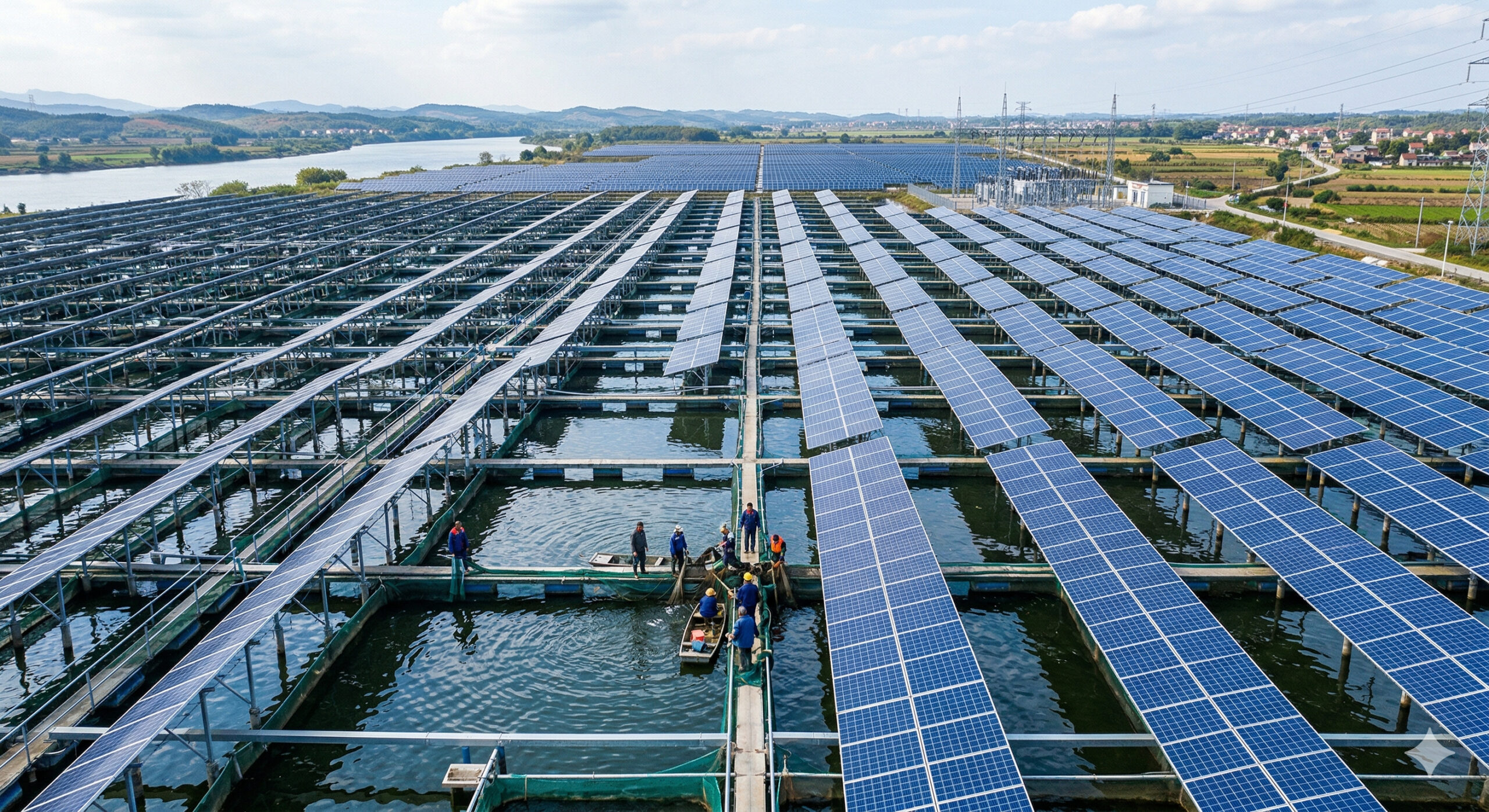
China bets on the Fishery-PV model and transforms fish farms into giant solar plants, covering ponds with panels that generate energy while utilizing the same space for large-scale aquaculture production.

An Ultrafine and Powerful Innovation
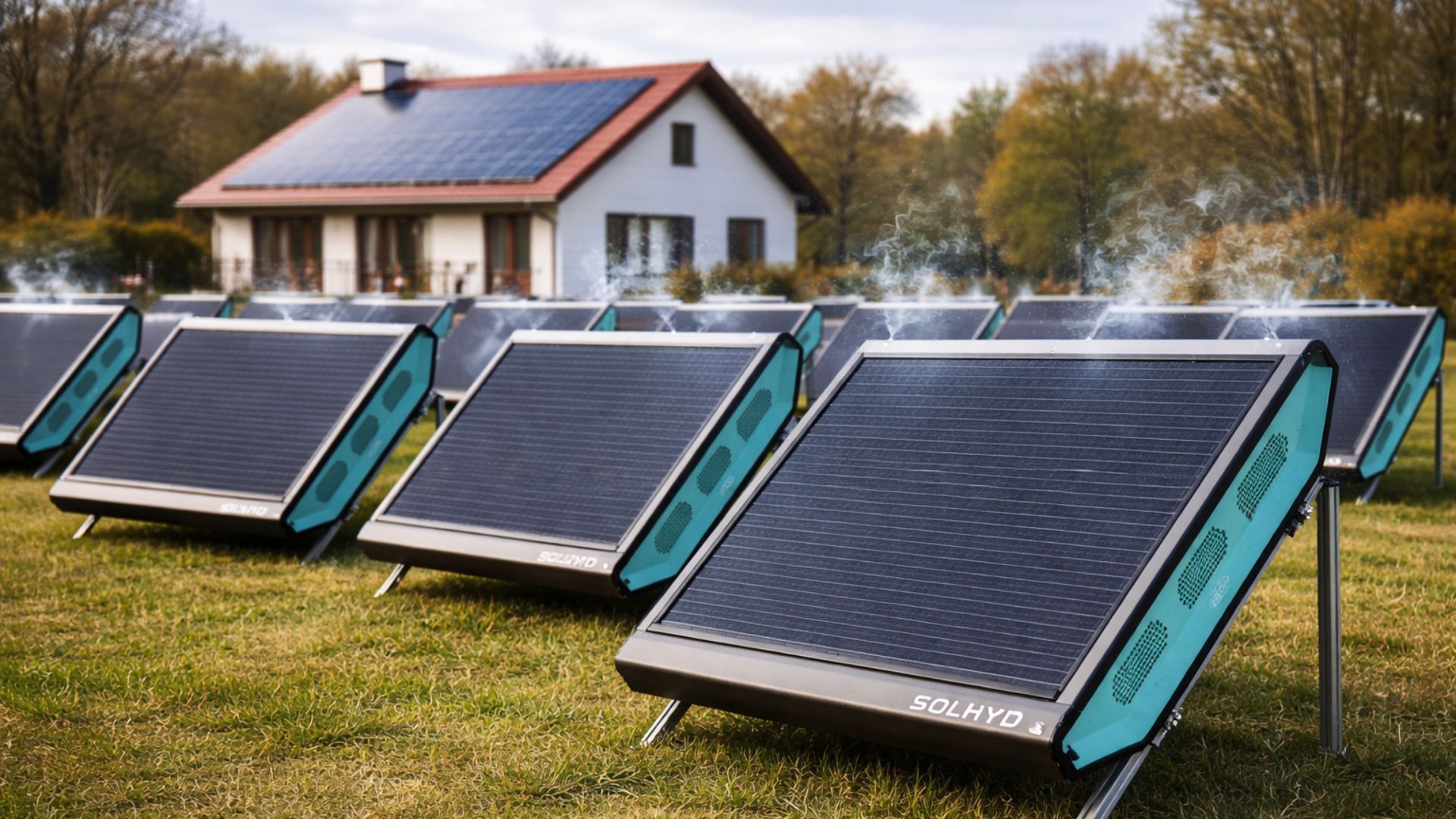
As revealed by the Oxford team, the solar supercell consists of an extremely thin and flexible structure developed from calcium and titanium oxides.
Unlike solar panels that require large areas to capture sunlight, the supercell can be applied to surfaces of all sizes and shapes, making it extremely versatile.
This cell captures light more effectively and converts it into electricity with astonishing efficiency.
More Compact and Effective Than Solar Panels
Researchers emphasize that the solar supercell has the potential to replace, at least partially, traditional photovoltaic systems.
Imagine a world where your phone case serves as a charger or where an electric car receives energy directly from its own solar roof.
The technology has already achieved 27% efficiency in energy conversion, an impressive number that surpasses many traditional solar panels.
According to scientists, with further improvements, efficiency could reach 45%, double what is possible with conventional technologies.
Challenges for Commercialization
Despite its enormous potential, there are still challenges to making this innovation accessible to the general public.
The solar supercell is currently in laboratory testing, and researchers estimate that it will still take a few years for the product to reach the market.
Commercial viability will depend on substantial investments and government incentives to reduce production costs and scale up manufacturing.
As reported by the University of Oxford, energy sector companies will need to get involved and invest in this technology for it to become popular.
How Does the Solar Supercell Work?
The supercell uses a process known as “stacking,” which allows for the combination of multiple layers of absorptive material, increasing light capture.
Unlike solar panels, which require physical space, the supercell can be integrated into everyday objects, turning any surface into an energy source.
The mineral perovskite, known for its photovoltaic properties, is the essential component of this technology. Besides being compact, it offers flexibility and adaptability for different uses.
The Future of Solar Energy: Innovation on the Horizon?
According to the report from the University of Oxford, perovskite not only promises to be an innovative solution, but it could also change the global energy market.
The transition to this technology could lead to reduced dependence on electric batteries and the creation of charging solutions more integrated into daily life.
Market and Environmental Outlook
If the supercell proves viable for mass production, it could represent a leap in energy sustainability.
With greater conversion efficiency and less space required, the environmental impact of conventional solar panels could be minimized, making cities “smarter” and adapted to the use of solar energy on virtually any surface.
Do you believe in the end of solar panels?
Although the solar supercell is not yet ready to completely replace traditional technology, the idea is already provoking interest and raising debates. What do you think? Is the era of photovoltaic solar panels truly numbered? Share your opinion in the comments!








Seja o primeiro a reagir!