





 English
  Francês
  Alemão
  Italiano
  Japonês
  Norueguês
  Portuguese
  Spanish
  2 min of reading


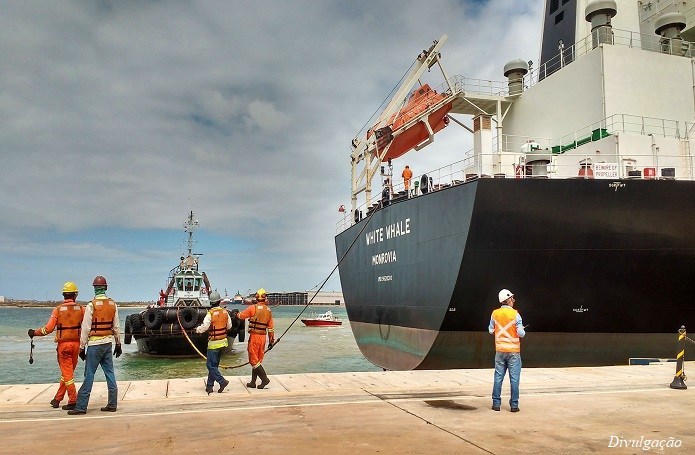
With Estimated Investment of US$ 2 Billion, Plants in Rio de Janeiro Will Become the Largest Thermoelectric Complex in Latin America
On Wednesday, August 21, Prumo Logística announced that the National Bank for Economic and Social Development (BNDES), the IFC (International Finance Corporation – World Bank), and the German development bank KfW released funding of US$ 750 million for the completion of the first phase of the energy generation complex in São João da Barra, Rio de Janeiro. Check open positions for electrical, piping, instrumentation, mechanical, and administrative professionals at the Port of Açu,
The first phase of the project consists of a natural gas regasification terminal and a thermoelectric plant with about 1,300 MW of installed capacity. The venture is being developed by Gás Natural Açu (GNA), a joint venture between Prumo, BP, and Siemens.
-
Government unlocks R$ 554 million for a highway that has been requested for decades and accelerates the duplication of BR.
-
Without bricks, without cement, and without endless construction: the cardboard house that is assembled in modules and can be moved.

-
Billions of barrels on the equatorial margin could lead Amapá to double its oil production in Brazil — the state aims to enter the route of companies in the Campos Basin, attract investments, and boost jobs and businesses in the oil and gas sector.

-
Without bricks, without cement, and without endless construction: the cardboard house that is assembled in modules and can be moved.

The second phase of the project involves the construction of a second thermoelectric plant, with about 1,700 MW of installed capacity, called GNA II.
The construction is underway, and energy contracts are secured. The two plants will produce enough energy to supply 14 million households and together will become the largest thermoelectric complex in Latin America, Prumo Logística reported.
By March 2020, GNA I and the LNG import terminal are expected to begin commissioning. GNA is also developing offshore gas pipelines, a gas processing unit, and a liquids export terminal for pre-salt gas, in addition to onshore pipelines to connect Açu to the existing network.
The total investment by GNA for the development of the first two phases of the complex is estimated at over US$ 2 billion.
Açu, the largest port-energy complex in Brazil, located in Rio de Janeiro, also includes a hub for oil, strategically important for the export of pre-salt oil, as well as processing, blending, and storage.
GNA has a total licensed capacity of 6.4 GW in the region and has registered new projects for the upcoming A-6 energy auction, scheduled to take place in October.
Prumo Logística also announced Carlos Tadeu Fraga as the new CEO of the company, along with three new members for the board of directors.
They are Pedro Parente, president of BRF and former president of Petrobras; Ieda Gomes, former president of Comgás and BP Brazil; and Franklin Feder, chairman of InterCement Participações and former president of Alcoa Latin America.








Seja o primeiro a reagir!