





 Portuguese
  English
  Spanish
  3 min of reading
  0 comments


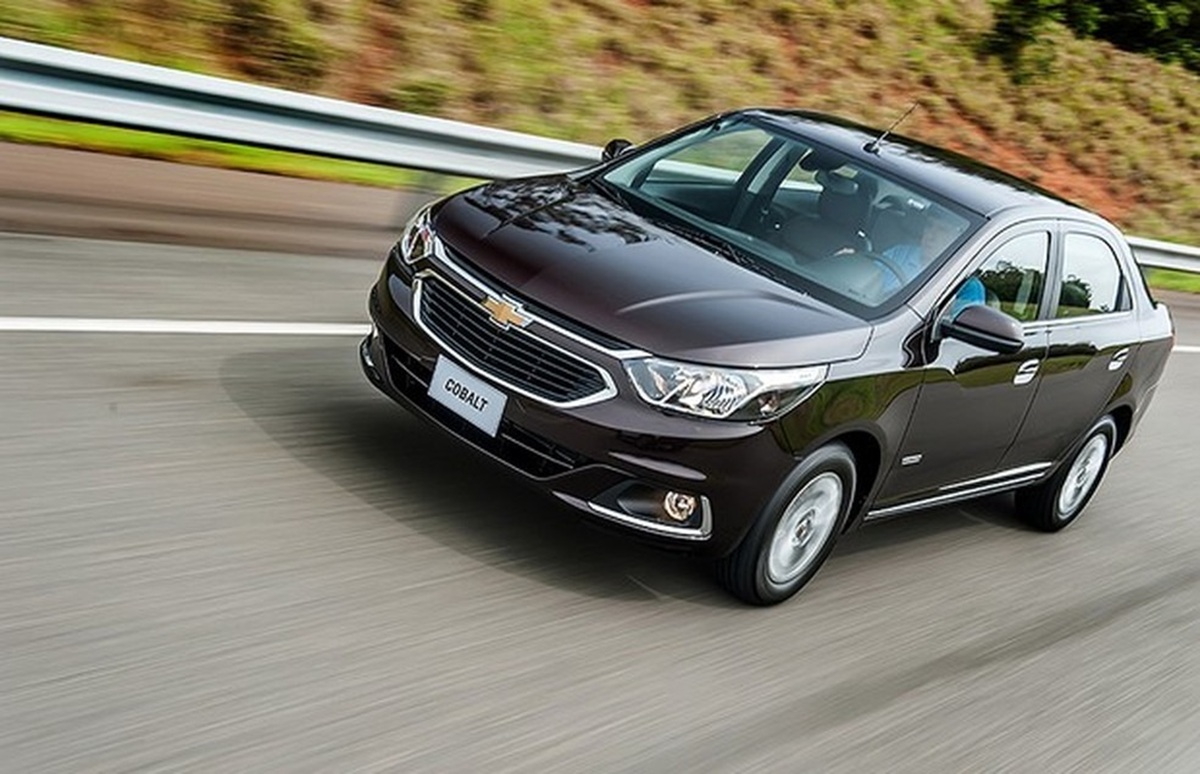
The Simulation Shows How a 2016 Cobalt Valued at R$60,000 Ends Up Costing R$79,771 After Four Years, With Installments of R$1,141 and Monthly Interest of 2%, Revealing the Real Impact of Financing
The financing simulation of a 2016 Chevrolet Cobalt shows how much a buyer would pay when taking on credit with a partial down payment, monthly interest of 2%, and a relatively long term.
The calculation, presented by the channel Pipoco Investidor, details each step of the process and helps those intending to make a similar operation understand the weight of interest and the final cost of the vehicle.
How the Financing Installment Looks
The example considers a 2016 Cobalt valued at R$ 60,000. The buyer makes a down payment of R$ 25,000 and finances the remainder. The simulation works with an interest rate of 2% per month, a value that directly depends on each person’s credit score.
-
The car stored for 38 years: when opening the barn door, what appears is breathtaking and looks like a scene from a movie!

-
Fiat works miracles in the Brazilian market, lowers the price of its 0 km hatch to R$ 69,990, reestablishes the model as the cheapest car in the country, and reignites the battle against Kwid and C3.
-
Chevette with cooking gas: How the gas cylinder ends up being used in cars clandestinely and why this makeshift solution can result in leaks, explosions, damaged engines, and seized vehicles.

-
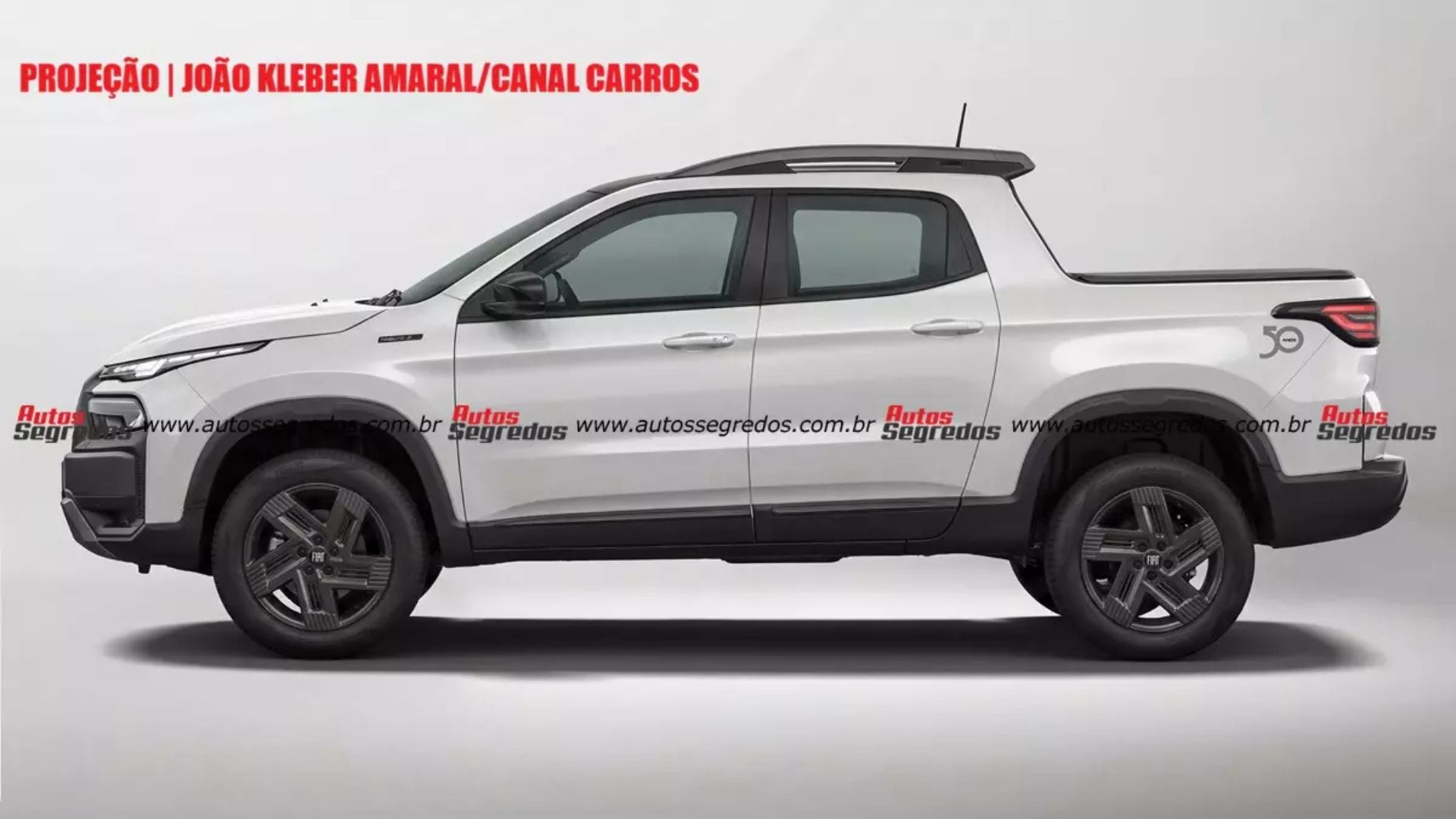
Fiat launches the new 2027 Toro hybrid with 48V, 176 hp, an electric motor of 15.5 hp, a 0.85 kWh battery, up to 7% fuel savings, 8% fewer emissions, and possible exemption from IPVA.

In this scenario, the result indicates that the installments remain fixed at R$ 1,141 throughout the entire contract. The term used is four years. The total amount paid at the end of the financing reaches R$ 79,771. The difference between the financed amount and the total disbursed represents R$ 19,771, equivalent to 25% of the total amount.
The channel highlights that many people resort to financing of this type when they want to trade a cheaper car, worth R$ 20,000 or R$ 30,000, for a newer model that already costs around R$ 60,000. The simulation serves as a warning to show how much interest influences the final cost.
The Weight of Interest on the Budget
The person responsible for the simulation states that, even when interest rates seem high, consumers end up paying because that is the reality of credit in Brazil.
The calculation shows that a large part of the final value does not come solely from the price of the car, but from the rate applied over the years.
Despite this, the video emphasizes that there are ways to try to reduce the total disbursed. The first alternative is to increase the amount of the down payment. The higher the initial payment, the lower the financed amount will be, and consequently, lower the amount paid in interest.
Another option is to reduce the term. Shorter terms decrease the accumulation of interest. However, this strategy also increases the installment amount, which can compromise the monthly budget.
How to Amortize to Pay Less
The presenter also explains that amortizing the financing helps a lot. Amortization means paying parts of the outstanding balance in advance, which reduces the interest charged over time. He compares the practice to paying the contract backward, decreasing the total that would need to be paid to the bank.
By amortizing, the consumer stops paying the interest embedded in future installments. This strategy can alleviate the financial burden and speed up the settlement of the vehicle.
The simulation shared by the channel Pipoco Investidor reinforces that understanding the numbers is essential before taking on a long-term commitment. The video also invites the audience to comment on questions and experiences with similar financings.








-

Uma pessoa reagiu a isso.