





 Portuguese
  English
  Spanish
  6 min of reading
  0 comments


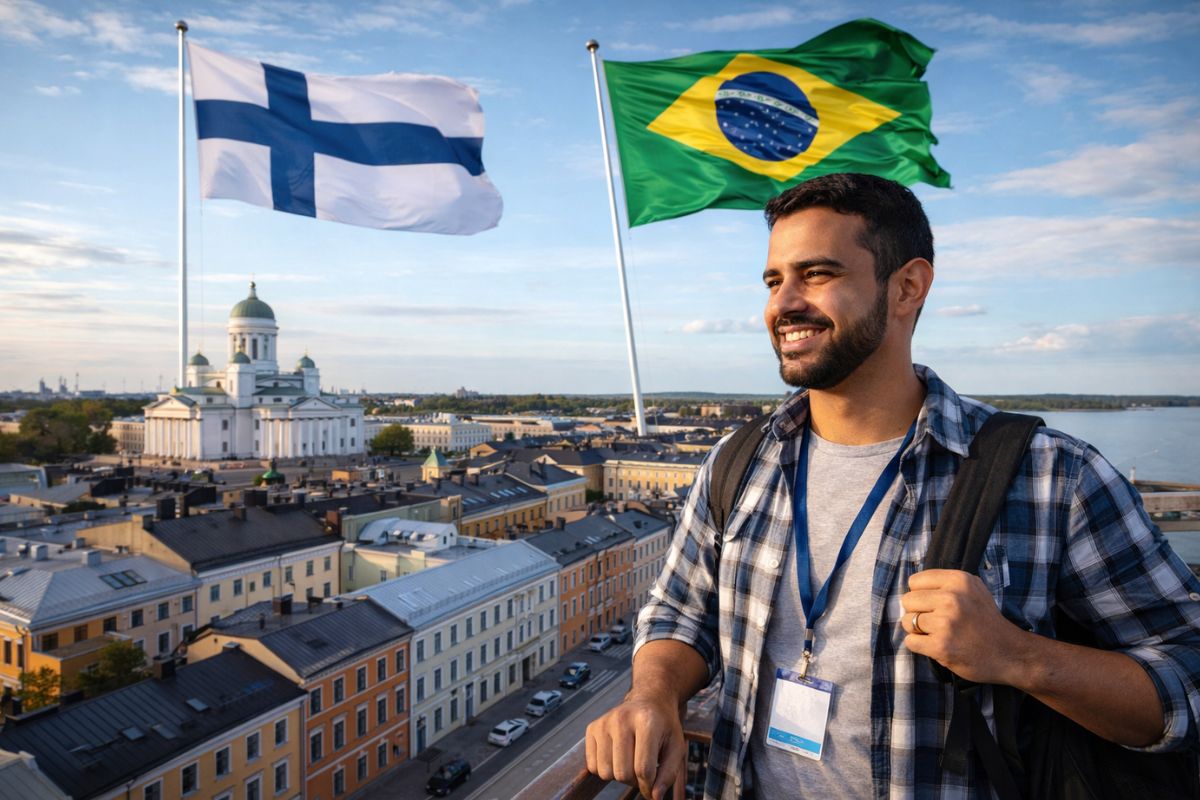
Finland, named the happiest country in the world by the World Happiness Ranking, needs 140,000 technology workers by 2035 and has placed Brazilians among its main targets: visas are issued in two weeks, the workweek is 37.5 hours, and paternity leave lasts up to five months.
If all Brazilians living in Finland gathered today, they would not fill a single stadium bleacher. There are only 2,611 people, according to the Ministry of Foreign Affairs. But the happiest country in the world has decided it wants to change that number. The Finnish government announced a plan to hire 140,000 technology professionals by 2035, and Brazilians are among the top three target groups, alongside Indians and Vietnamese.
In a report by g1, to make the offer even more attractive, Finland intends to reduce the work visa issuance time to just two weeks when the candidate already has a formal job offer. The country is also negotiating a bilateral social security agreement with Brazil that would allow Brazilians to maintain their retirement rights with INSS even while working abroad. In practice, this eliminates one of the biggest fears of those thinking about emigrating: losing years of social security contributions.
Why the happiest country in the world is eyeing Brazilians

The answer involves two problems that Finland is facing simultaneously. The first is the accelerated aging of the population. Nine out of ten Finnish municipalities report more deaths than births, and the official estimate is that 1 million Finns will retire in the coming years. For a country with fewer than 6 million inhabitants, this represents a huge gap in the labor market.
-
Mr. Mário reveals the technique of the caipira papaya: he cuts the fruit in half, discards the seeds from the tip, and plants the ones from the back to increase the chance of a productive female tree.

-
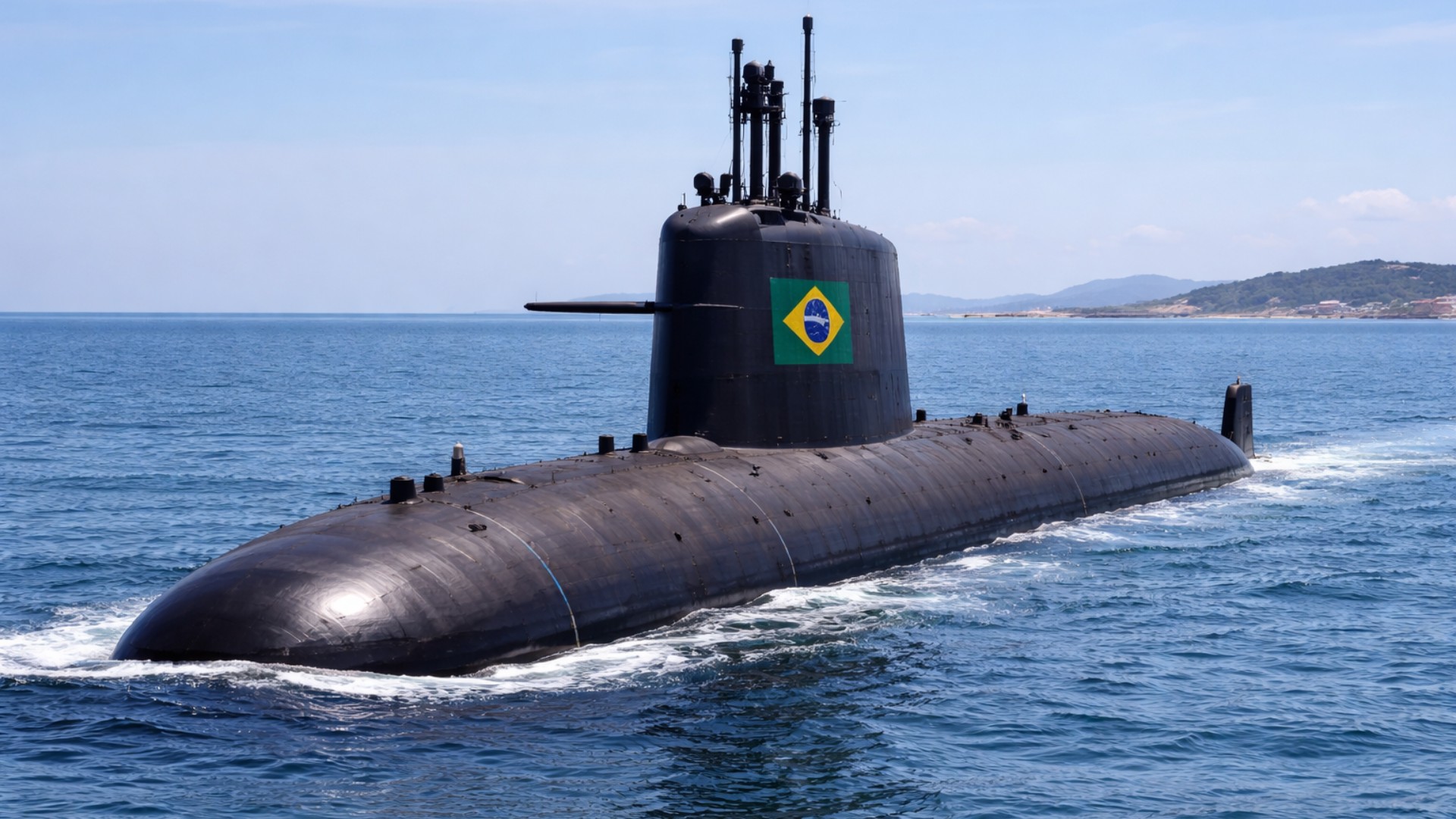
Few remember, but the submarine that disappeared in 1968 with 52 crew members was found after 51 years at the bottom of the sea at more than 2,000 meters, intriguing the entire world.

-
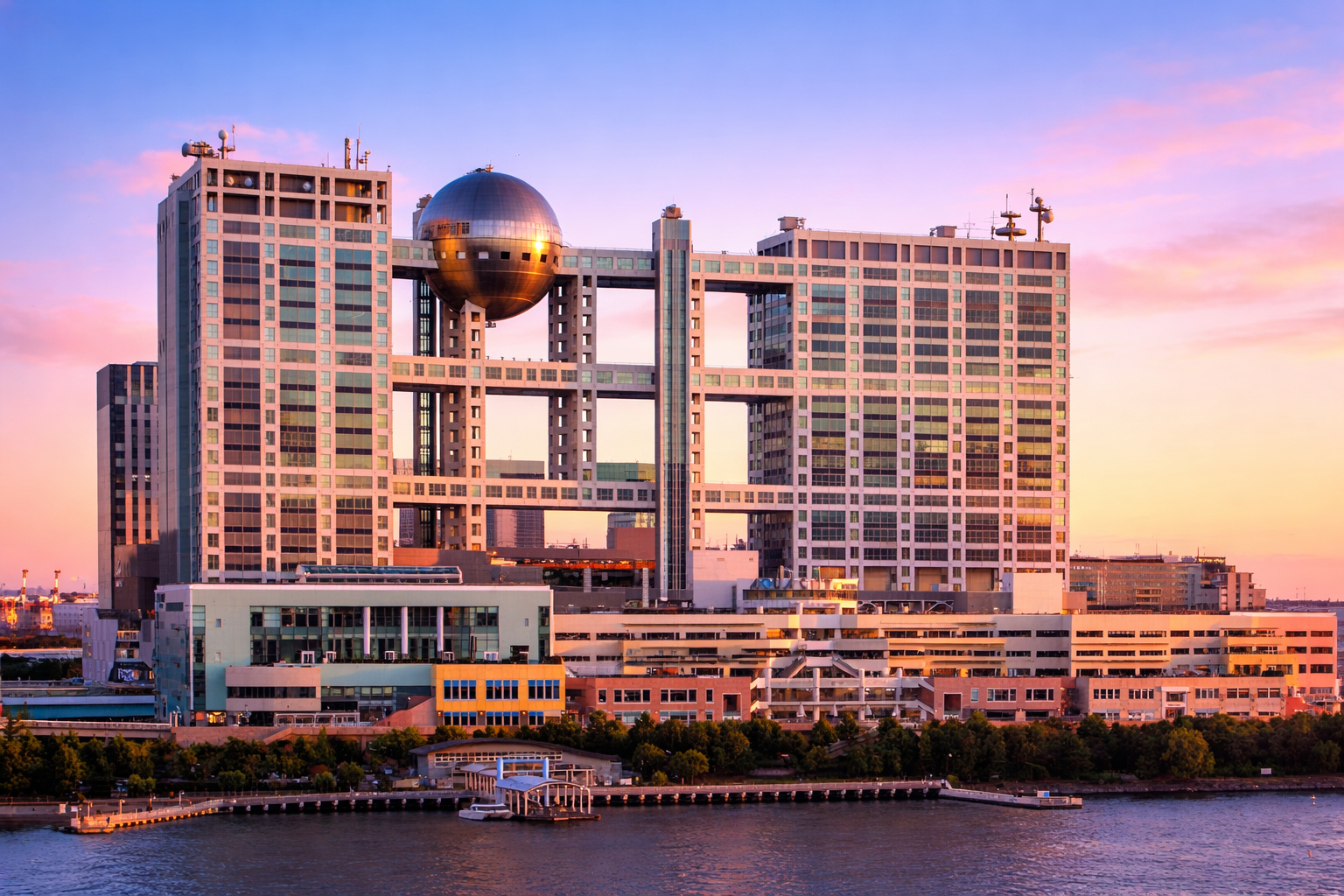
With 1,200 tons suspended, the Japan mega-structure in a grid shape with a floating sphere from Fuji TV features two 25-story towers connected by elevated walkways, titanium panels, and impresses the world with its ability to reduce wind impact.
-
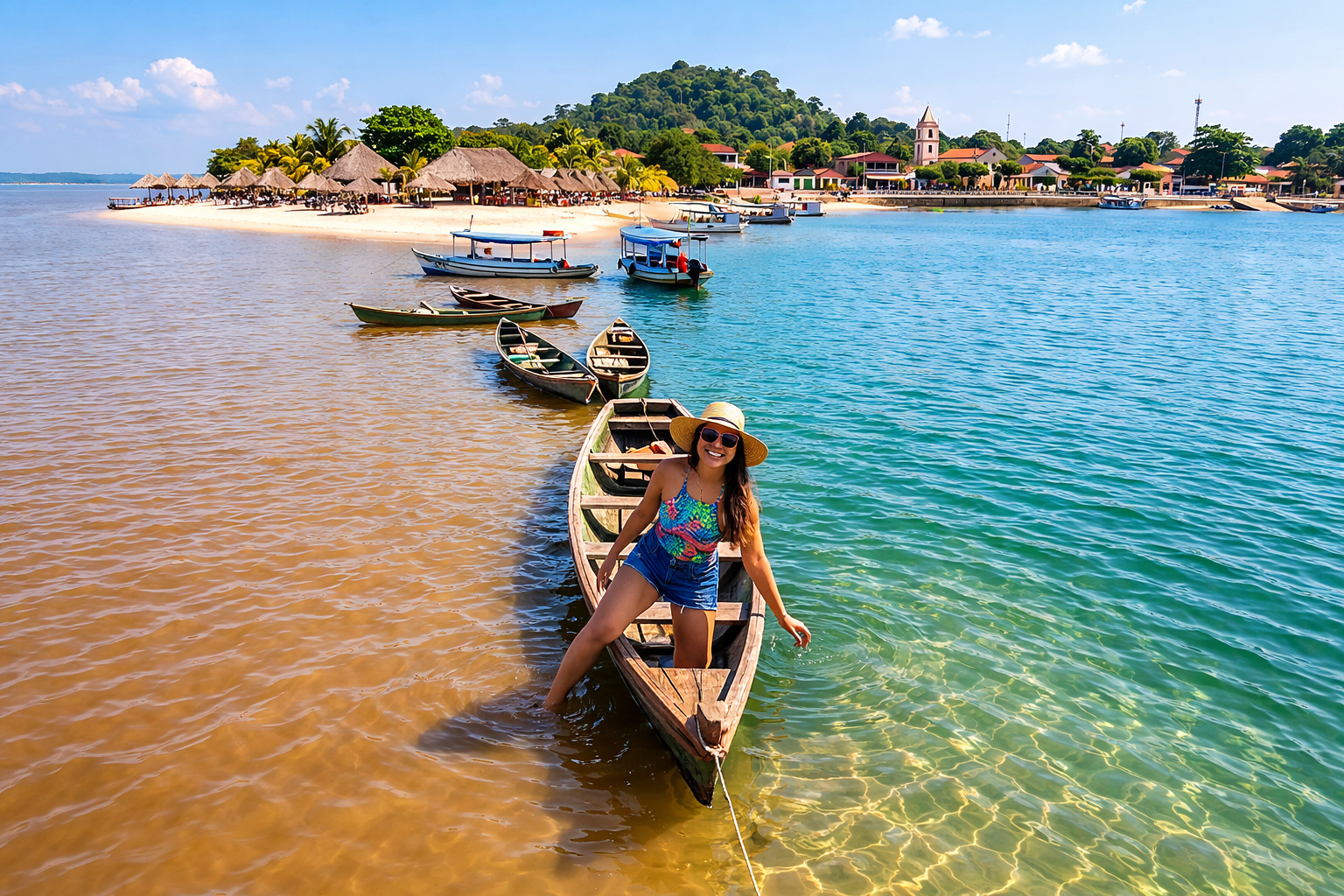
The village where two rivers run side by side without mixing in Santarém and Alter do Chão reveals some of the most beautiful freshwater beaches on the planet.

The second problem is the war between Russia and Ukraine, which has lasted four years. Russian and Ukrainian workers formed an important part of the foreign labor force in Finland, and that source has practically dried up.
“We evaluate different countries from the perspective of Finnish companies and also where there is a large supply of professionals,” explains Laura Lindemann, director of Work in Finland, the government agency for talent attraction.
Lindemann adds that Brazil already had connections with the happiest country in the world even before this plan. Business Finland maintains an office in the country, there is an active embassy, and Finnish companies already export to Brazil. “There is no need to start everything from scratch. The connections between Finland and Brazil already exist,” says the director.
The positions are in cutting-edge technology and require a specific profile
Finland is not looking for just any technology professional. The focus is on the deep tech sector, which involves scientific research transformed into commercial products.
The hottest areas include artificial intelligence, quantum computing, semiconductors, microchips, and health technology. Companies like IQM, Bluefors, and SemiQon are rapidly expanding and need researchers and engineers that the local market simply cannot provide.
All positions require proficiency in English. Unlike the United Kingdom, for example, Finland does not require a standardized language proficiency certificate, but it is necessary to communicate fluently.
Finnish and Swedish are important differentiators, but not mandatory for hiring. The expectation, however, is that the professional shows interest in learning at least Finnish after the move, especially if they want to take on leadership positions in the future.
Currently, the Work in Finland portal lists nearly 800 open positions, but there are positions published only on the companies’ own websites. Those interested need to broaden their search beyond the official portal if they want to find all available opportunities in the happiest country in the world.
Degrees in natural sciences such as mathematics, physics, and chemistry are especially valued due to their direct relation to the research and innovation sectors that support Finland’s growth plan.
37-hour workweek, longer vacations, and impressive parental leave
Finland’s proposal goes beyond salary. The standard workweek in the happiest country in the world is 37.5 hours, compared to 44 hours in Brazil. There are 25 to 30 working days of vacation per year, not 30 calendar days as in Brazil, which in practice means considerably more time off.
But the most surprising fact is in parental leave. Finnish mothers are entitled to about ten and a half months of leave, while in Brazil it is four months.
For fathers, the difference is even more drastic: about five months in Finland compared to the current five working days in Brazil, which will be gradually increased to 20 days only starting in 2029. These benefits are part of what sustains Finland’s position at the top of the global happiness ranking.
Laura Lindemann emphasizes that the country does not expect Brazilians to abandon everything without receiving anything in return.
The balance between personal and professional life is one of the pillars of Finnish work culture and directly reflects the quality of life that keeps the country at the top of the global happiness ranking.
High unemployment and job vacancies at the same time
A fact that may seem contradictory draws attention: Finland has an unemployment rate of nearly 11%, well above Brazil’s. How can a country with so many unemployed people need to import workers? The answer lies in the mismatch between the training of the local workforce and the skills required by the open positions.
With the aging population, a large portion of unemployed Finns do not have training in contemporary areas such as quantum computing or artificial intelligence.
“Employers must first check if there are talents available in Finland or the European Union. Only if they do not find any can they hire from abroad,” explains Lindemann. However, this rule does not apply to researchers, who can be hired directly from abroad without restrictions.
The director of Work in Finland is direct in explaining the logic behind this apparent contradiction. The happiest country in the world needs economic growth to sustain its social welfare system, and that growth depends on professionals who simply do not exist in sufficient numbers within Finland or Europe. “We need the best talents to generate growth,” summarizes Lindemann.
What the happiness ranking means in practice
Many Brazilians are surprised to learn that Finland tops the ranking of the happiest countries while Brazil, so associated with joy, occupies the 32nd position. The explanation lies in what the ranking measures: it is not about smiles or good humor, but about quality of life.
The survey asks a single central question. Respondents imagine a ladder where the top represents the best possible life and the bottom represents the worst, and then answer which rung they consider themselves to be on at that moment.
About a thousand people per country are interviewed each year. Additional questions about freedom and emotions help to understand the reasons behind each score, but do not determine the position in the ranking.
This means that the happiest country in the world is, in fact, the country where people evaluate their own lives most positively. Finland is a cold place, where temperatures can drop to minus 20 degrees and winter turns night into almost an entire day.
“One of the reasons why Brazilians should move to Finland is the joy they could bring, combined with Finnish happiness,” says Lindemann. According to her, the combination of the Brazilian way of looking at life with the Finnish welfare structure would be “perfect.”
Would you move to Finland to work in technology even facing temperatures of minus 20 degrees and nights that last almost the entire day? Tell us in the comments what attracted you the most and what would make you think twice before accepting this offer.






Seja o primeiro a reagir!