





 Portuguese
  English
  Spanish
  4 min of reading
  0 comments


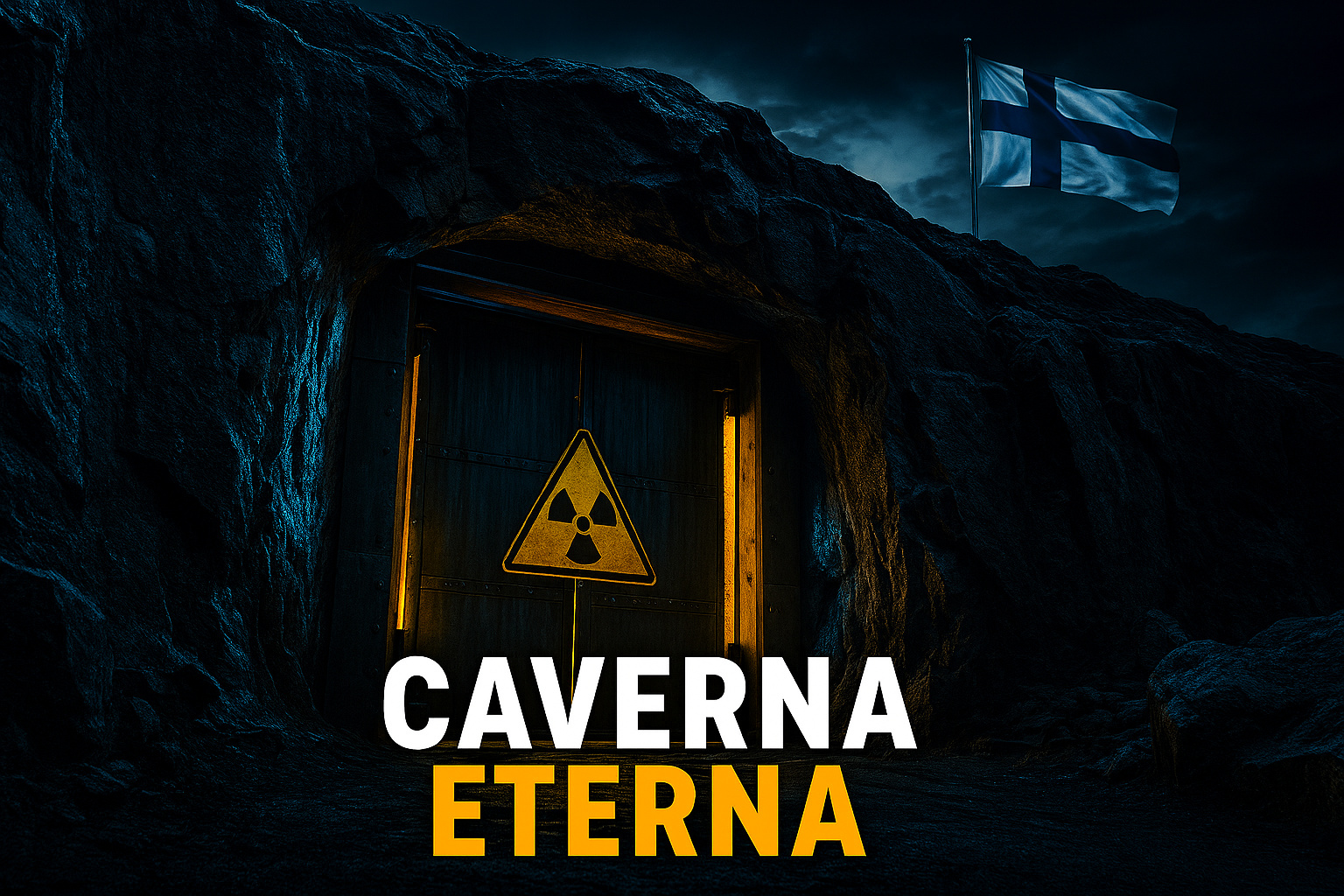
Finland Inaugurates Onkalo, The First Nuclear Waste Repository Underground In The World Designed To Store Radioactive Waste For 100,000 Years In An “Eternal Cave”.
In the frozen underground of Finland, humanity is writing an unprecedented chapter in its energy and environmental history. It is the Onkalo, the world’s first deep nuclear repository, built to permanently store the most dangerous waste of modern civilization: used nuclear fuel. Unlike all existing temporary storage facilities, the Finnish project was designed to last no less than 100,000 years, keeping waste untouched for millennia and creating a kind of “eternal cave” for the future.
What Is Onkalo
Located on the island of Olkiluoto, in southwestern Finland, Onkalo (“cave” in Finnish) is a network of tunnels and galleries excavated about 430 meters deep in stable rock.
The structure will be used to store used nuclear fuel from Finnish power plants, packaged in copper capsules and buried in layers of bentonite clay, a material capable of expanding and sealing any fissures.
-
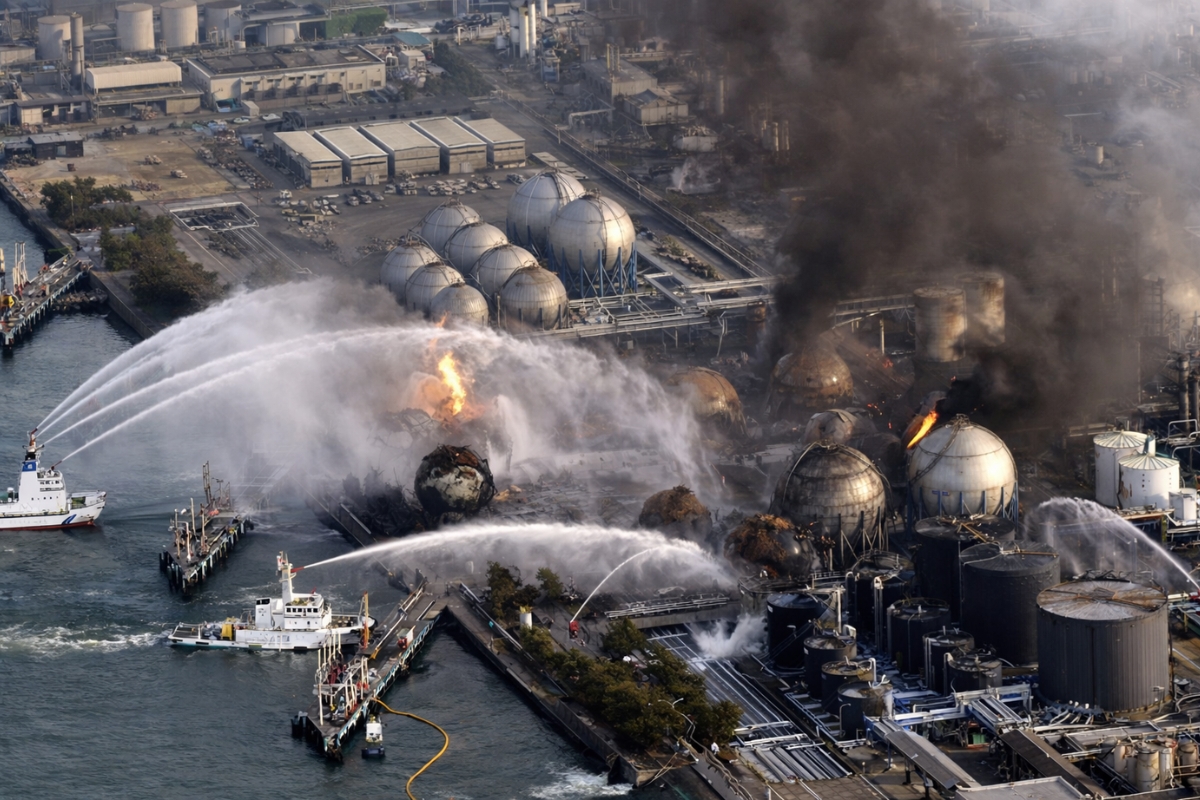
Fukushima Marks A Turning Point In Japan’s Energy Policy: After The Disaster, The Country Shut Down Its 54 Nuclear Reactors And, 15 Years Later, Only A Small Portion Have Returned To Operation
-
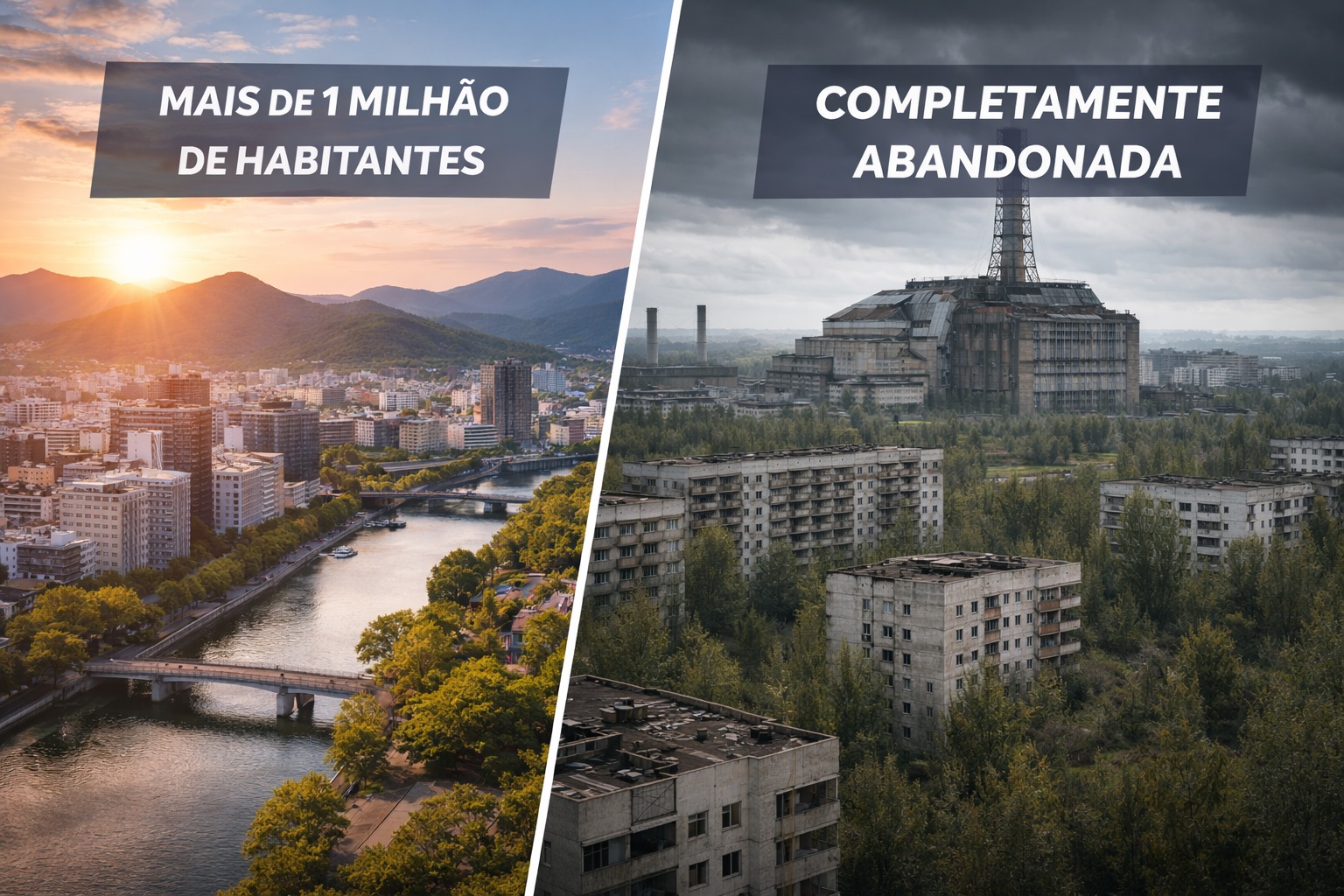
How Japan Overcame The Nuclear Bomb And Now Houses Millions In Hiroshima, While Ukraine Lost Chernobyl?
-
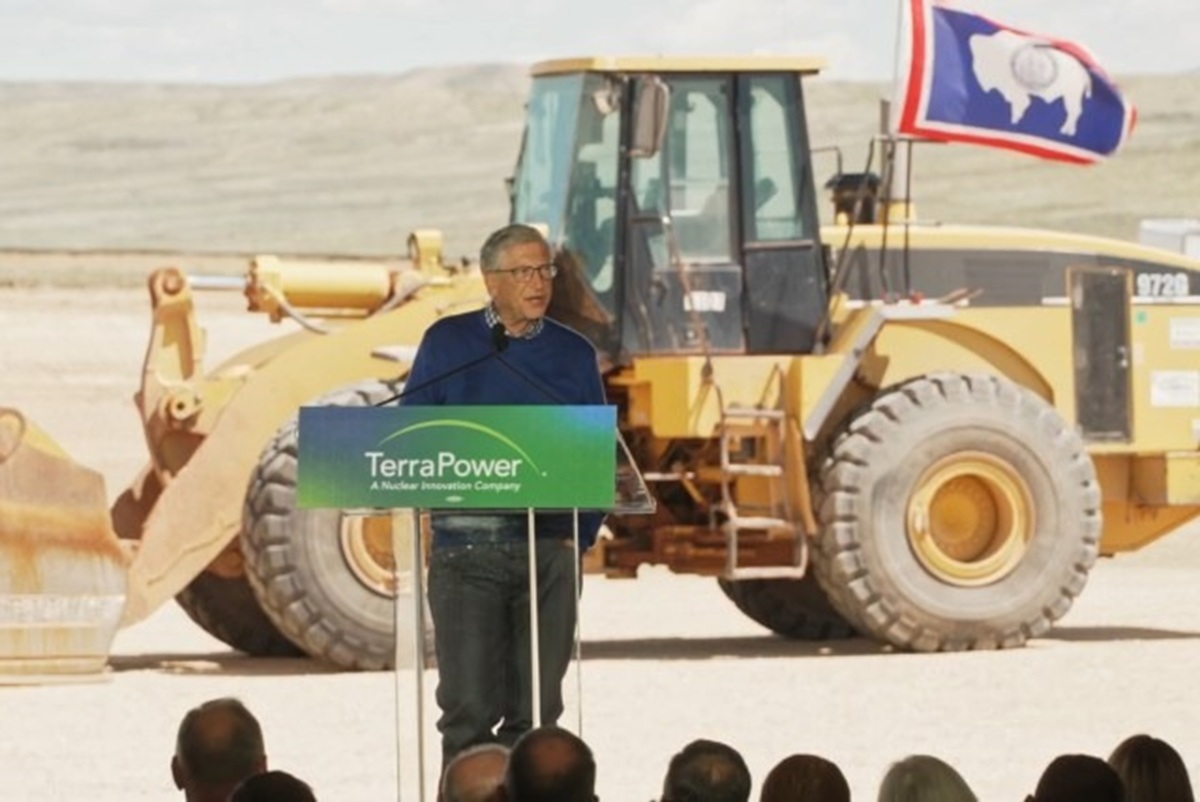
Bill Gates Receives Historic Approval to Build Giant 345 MW Nuclear Plant in the U.S. and Promises to Generate Up to 500 MW of Energy with Innovative Technology
-
India Opens Nuclear Energy to Private Capital to Accelerate Projects and Attract Billions, While Brazil Remains Stalled at Angra 3 and Discusses Who Will Foot the Bill for Completion

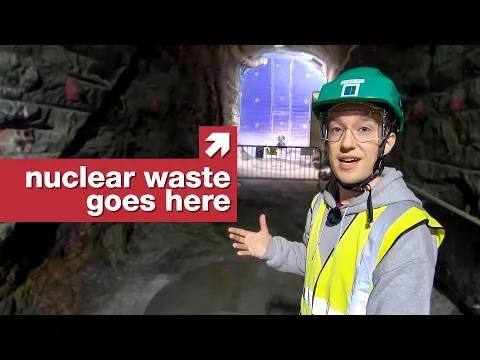

Unlike conventional storage facilities, which require constant monitoring, Onkalo was designed to not rely on human maintenance. Once sealed, it will remain isolated for hundreds of thousands of years, long enough for the radioactivity of the waste to fall to safe levels.
Why 100,000 Years?
The timeframe of 100,000 years is not random. Scientific studies indicate that nuclear fuel waste, even after decades of use in reactors, still emits intense radiation for thousands of generations.
During this time frame, civilizations may rise and fall, oceans may change course, and even ice ages may recur.
Finland chose not to transfer this burden to future generations. With Onkalo, it takes on the responsibility of creating a definitive solution that can withstand not only earthquakes or erosion but also human forgetfulness.
How The Storage Process Works
The method used in Onkalo is known as KBS-3, developed in Sweden. It consists of several layers of protective barriers:
- Copper Capsules hermetically sealed, enclosing the used fuel.
- Internal Iron Coating, providing mechanical strength.
- Bentonite Clay, capable of expanding and filling any space, preventing seepage.
- Deep Crystalline Rocks, offering geological stability.
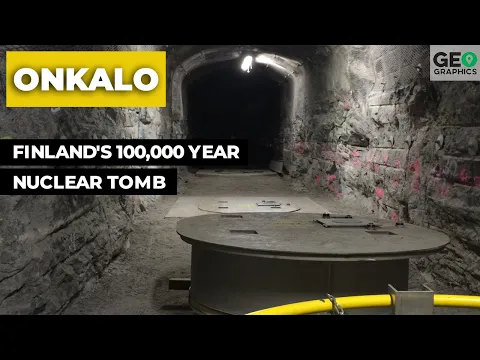
Each capsule will be placed in an individual niche 430 meters below the surface, in tunnels designed to be permanently sealed.
A Global Landmark In Nuclear Energy
The importance of Onkalo goes beyond Finland’s borders. No other country has come so close to offering a final solution for radioactive waste.
So far, used fuels remain in temporary storage, often near the plants themselves, necessitating constant monitoring and posing risks of accidents or attacks.
By inaugurating a repository designed to last one hundred millennia, Finland becomes a pioneer in a topic that still generates intense debates: how to reconcile the benefits of nuclear energy with the long-term costs of its waste.
The Ethical Dilemma: To Warn Or To Hide?
One of the most curious aspects of Onkalo is the debate about messages for the future. How to alert civilizations that do not yet exist about the danger stored there? Researchers discuss whether to leave signs, symbols, or simply erase any trace of the facility to avoid sparking curiosity.
It is a dilemma that mixes science, philosophy, and even anthropology: how to convey a message of danger for 100,000 years, in a world where languages change, borders disappear, and entire cultures become extinct?
The Cost And The Engineering Involved
The Onkalo project is managed by Posiva Oy, which represents Finnish nuclear operators. The investment exceeds 3 billion euros, funded by the energy sector, and involves decades of geological research, material testing, and tunnel construction.
Its inauguration is scheduled for the early next decade, but part of the structures is already completed. When fully operational, it could receive thousands of tons of nuclear fuel, equivalent to the entire volume generated by Finland during the operational life of its power plants.
Lessons For The World
The Finnish initiative sheds light on a problem that remains unsolved in many countries. The United States, France, Germany, and Japan are still debating where and how to store their waste. The infamous Yucca Mountain project in Nevada (USA) was abandoned after decades of controversy.
Finland, with a population of only 5.5 million inhabitants, has taken the lead and could become a reference for other nations.
Experts assert that Onkalo may mark the beginning of a new era of permanent repositories, known as “nuclear graveyards.”
A Legacy For Humanity
By burying nuclear fuel in a cave designed to survive for 100,000 years, Finland is not just solving a local problem: it is leaving a global legacy.
Onkalo symbolizes both the engineering capacity to plan on nearly unimaginable time scales and humility in the face of nature’s power and the risks of technology.
The project compels us to reflect: will we be able to create similar solutions for other planetary challenges, such as plastic waste, climate change, and resource scarcity?





-

Uma pessoa reagiu a isso.