





 Portuguese
  English
  Spanish
  3 min of reading
  2 comments


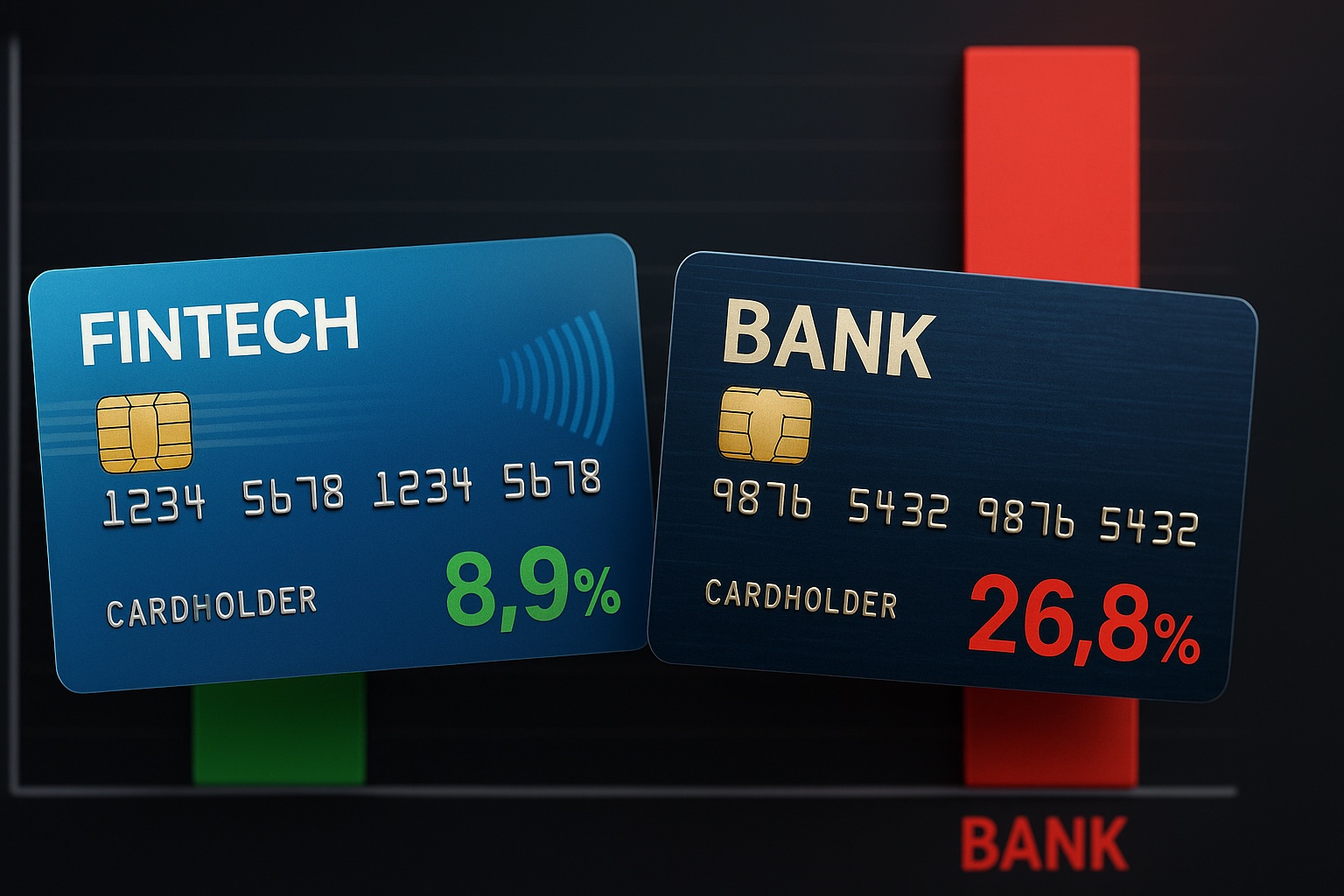


Fintechs Charge Up to Three Times Less Interest on Credit Cards Than Traditional Banks. Difference Exposes Abusive Cost and Pressures Market for Changes.
The rise of fintechs in the credit card market is attributed not only to technology or user experience but also to the offering of significantly more advantageous financial conditions. Recent data from the “Digital Credit Fintechs 2025” survey conducted by PwC reveal that annual rates charged on revolving credit by fintechs have dropped from 242% to 167%, while traditional banks have increased theirs to 451%.
This difference of nearly three times in the cost of credit exposes a structural problem in the Brazilian market: the maintenance of extremely high rates even with the basic interest rate (Selic) in decline.
The Disparity in Rates — Numbers That Catch Attention
The revolving credit on a credit card is triggered when a customer does not pay the full bill, and its interest rate is the highest among all credit modalities in the country. The survey indicates that while fintechs have been reducing rates to attract and retain customers, traditional banks continue to increase costs, taking advantage of the inertia of consumers who do not switch to new options.
-
The largest food company on the planet, JBS, has just opened a 4,000 square meter laboratory in Florianópolis to develop customized proteins that modulate muscle mass gain, immune response, and metabolic performance.

-
After nearly 30 bids and competition among industry giants, a Spanish company purchases one of the largest airports in Brazil for almost R$ 3 billion and takes over the management of Galeão in a concession that will last until 2039.

-
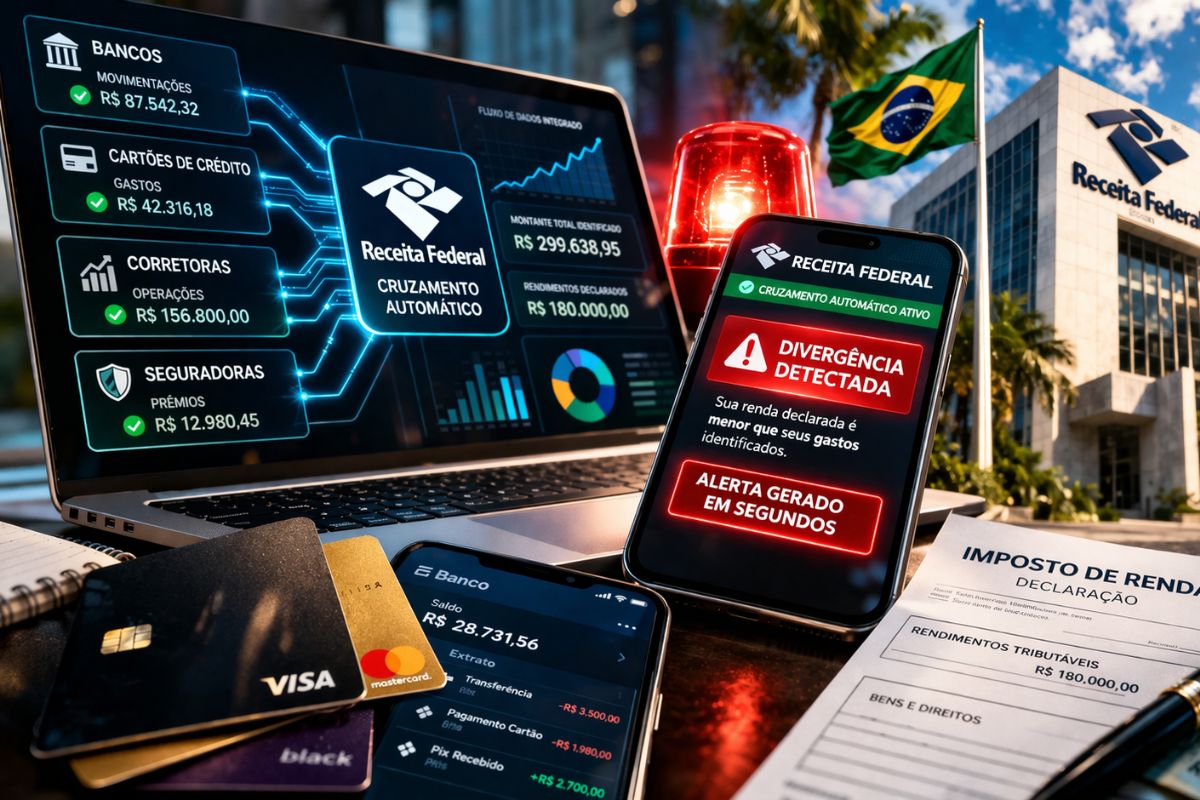
The Federal Revenue Service now automatically cross-references everything you declare with data from banks, credit cards, brokerage firms, and insurance companies, and any discrepancy between your income and your expenses triggers an alert in seconds.
-
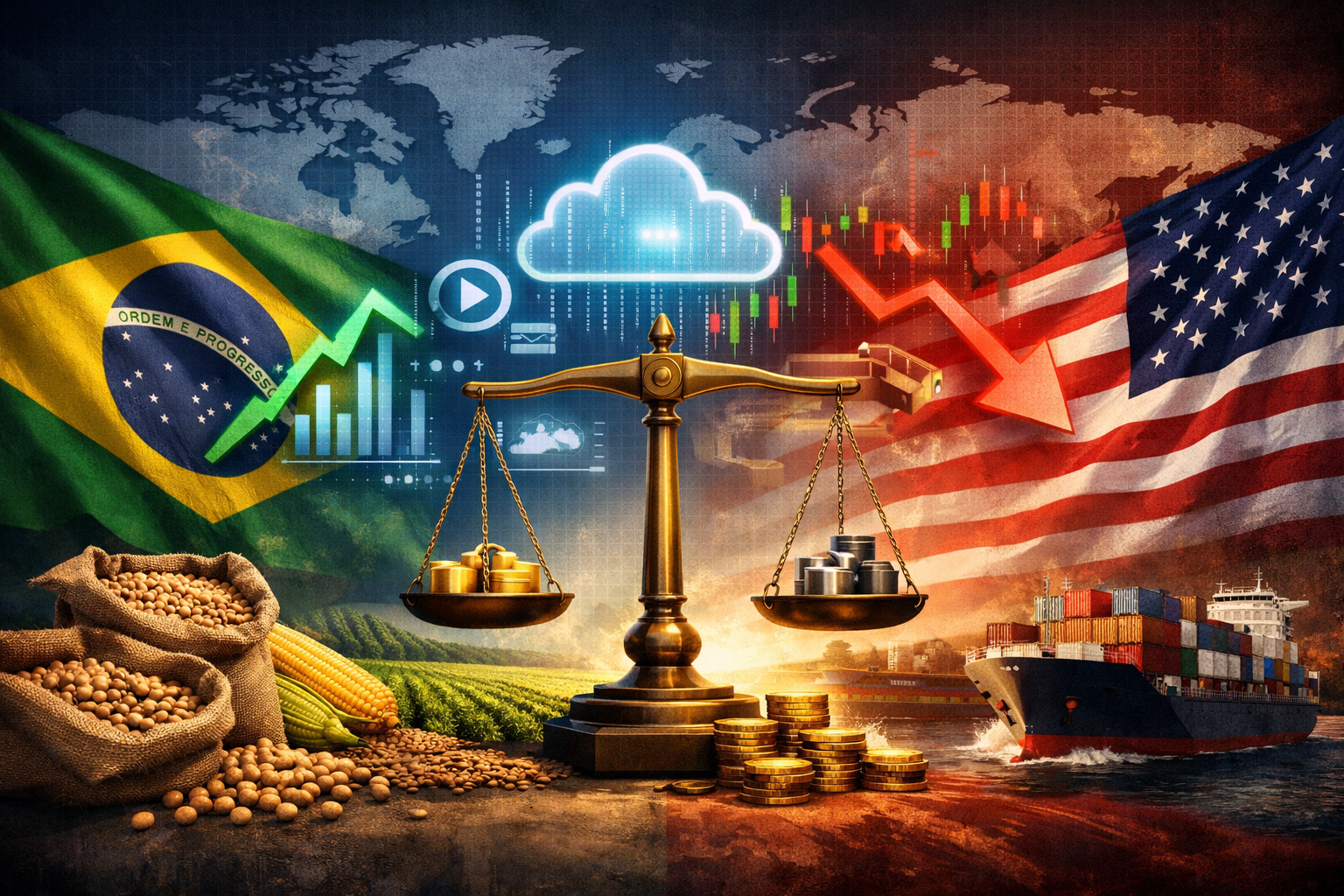
Amid global tensions, Brazil blocks the United States’ proposal at the WTO and paves the way for a trade crisis and possible retaliations.

In installment credit, another relevant modality, the difference is also significant: fintechs charge average interest rates of 96% per year, compared to 183% per year at traditional institutions.
Why Can Fintechs Charge Less?
The competitive advantage of fintechs is linked to several key factors:
- Lean Structure: without the heavy physical network of traditional banks, operating costs are lower.
- Intensive Use of Technology: automation of processes and data analysis reduce risks and costs.
- Focus on Specific Niches: they cater to segments with a more controlled credit profile.
Moreover, many fintechs offer limits more adjusted to consumption profiles and loyalty programs that encourage full payment of the bill, reducing exposure to revolving credit.
The Abusive Cost of the Traditional Market
Even with higher operational costs, experts point out that the rates charged by traditional banks are disproportionate, sustained by a business model that relies on profitability generated by delinquency. This dynamic keeps millions of Brazilians trapped in expensive and difficult-to-pay debts.
The difference in prices, coupled with the perception that banks do not pass on the benefits of the Selic rate drop to consumers, increases the appeal of fintechs as an alternative for those seeking cheaper credit.
Effects on the Consumer and on the Market
The competition imposed by fintechs pressures banks to reconsider their credit policies. If the migration trend continues, the expectation is that there will be greater alignment in rates over the coming years.
For the consumer, the message is clear: researching and comparing options can represent significant savings, avoiding falling into the trap of abusive interest rates that erode budgets and make it difficult to escape indebtedness.
The competition between fintechs and traditional banks in the credit card segment is far from being decided. The pace of innovation among fintechs is rapid, but the market power of large banks is still dominant. The big question is: how long will consumers continue to accept paying almost three times more for a service that already has cheaper and more efficient alternatives?








Boa tarde para todos,o meu caso e ó banco Bradesco,realizei uma compra de dois smartphones, um na modalidade a vista,e outro parcelado,e depois eu resolvi cancelar o parcelado, para pagar tudo a vista , mais quando diante do meu gerente, para fazer o procedimento e ele me disse que eu teria de fazer na loja onde eu comprei e para minha surpresa , era tudo um golpe,e então me dirrigi oa meu gerente, novamente e ele me disse que registrasse uma ocorrência polícia para enviar os seus superiores e isso se sucedeu antes de sete dias mais contudo nem o gerente e os cartões não fizeram absolutamente nada a respeito,e agora os cartões do Bradesco olha só o transtorno que me causaram e na época cancelaram o meu cartão de crédito, e também mandaram para o Serasa e sujaram o meu nome na sociedade e a compra que supostamente eu fiz era era de cento e cinquenta as duas e agora os cartões dó Bradesco,dizem que a minha suposta dívida é de 1.200 reais e um absurdo isso mesmo se a dívida existisse, olha só o abuso e o juros altíssimo
Só é dar oportunidade pra o Ciro Gomes ser presidente, que o Ciro Gomes vai acabar com os juros abusivo dos bancos; somente isso, pra acabar com isso só basta o presidente da República querer, agora os presidentes que já entrou são todos vendidos para os banqueiros.