





 Portuguese
  English
  Spanish
  3 min of reading
  0 comments


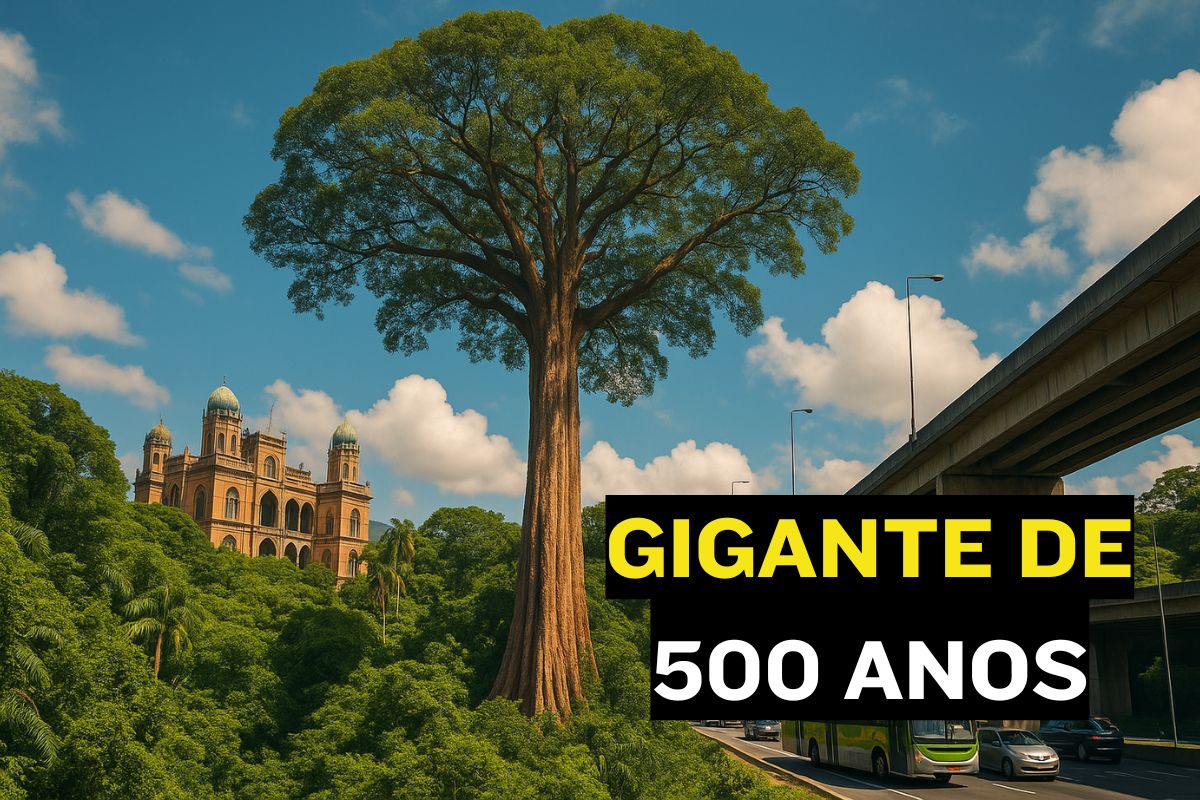
Researchers Identified in the Pedra Branca State Park a 500-Year-Old Jequitiba-Rosa, with 40 Meters in Height, One of the Largest Trees of the Atlantic Forest, Endangered Species and Considered Natural Heritage
The discovery of a 500-year-old jequitiba-rosa in the Pedra Branca State Park, in Guaratiba, reveals a hidden treasure in the heart of the world’s largest urban forest. With about 40 meters in height, the tree was found by researchers from Fiocruz Mata Atlântica in a restricted access area, 200 meters above sea level and one kilometer deep in the forest.
The location, protected by the Jequitibá-Rosa Site, was essential in preserving the specimen over the centuries. The natural isolation and the care of the owners allowed this giant to survive through generations, becoming a living witness to the history of the Atlantic Forest.
Ecological Importance and Risk of Extinction
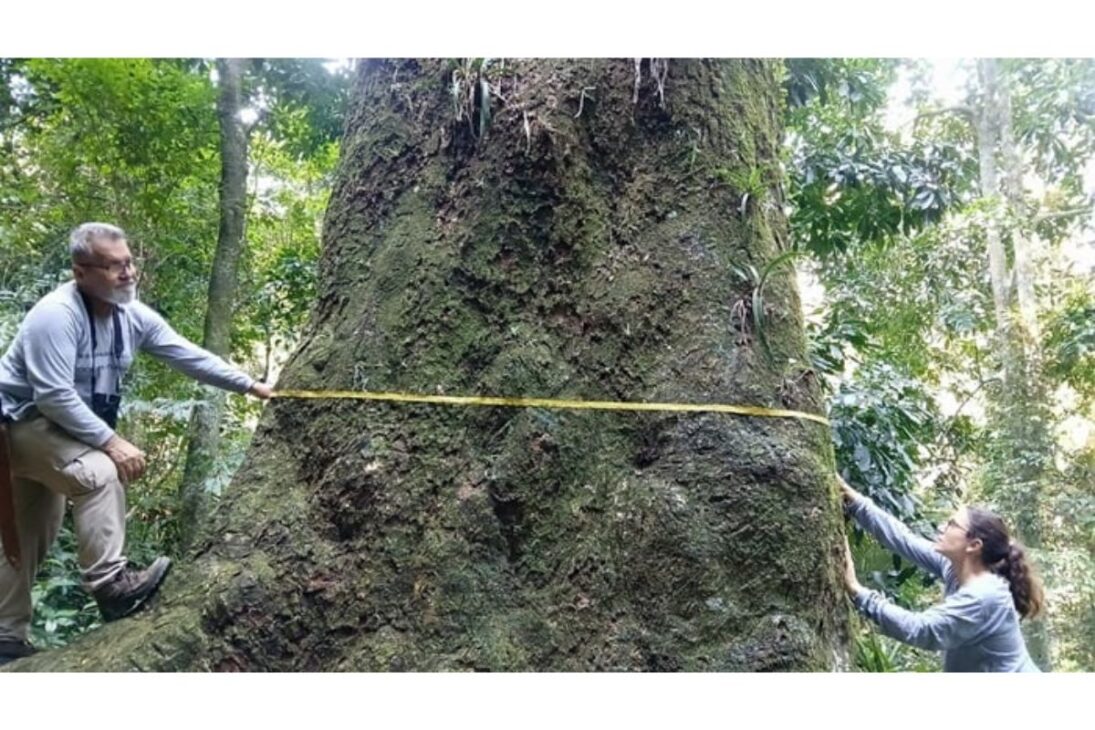
According to biologist Thiago Fernandes from Fiocruz, the jequitiba-rosa (Cariniana legalis) is a species exclusive to the Atlantic Forest and is currently facing a high risk of extinction due to logging and habitat loss.
-
While restoring a historic mansion from 1910, a brick structure with an old turbine that generated energy from the Rio do Testo emerged, along with a hidden door and a rare floor concealed under layers of wax.
-
Italian researchers have detected what appears to be a second Sphinx buried under the sands of Egypt, and satellite scans reveal a gigantic underground megastructure hidden beneath the Giza Plateau for over 3,000 years.

-
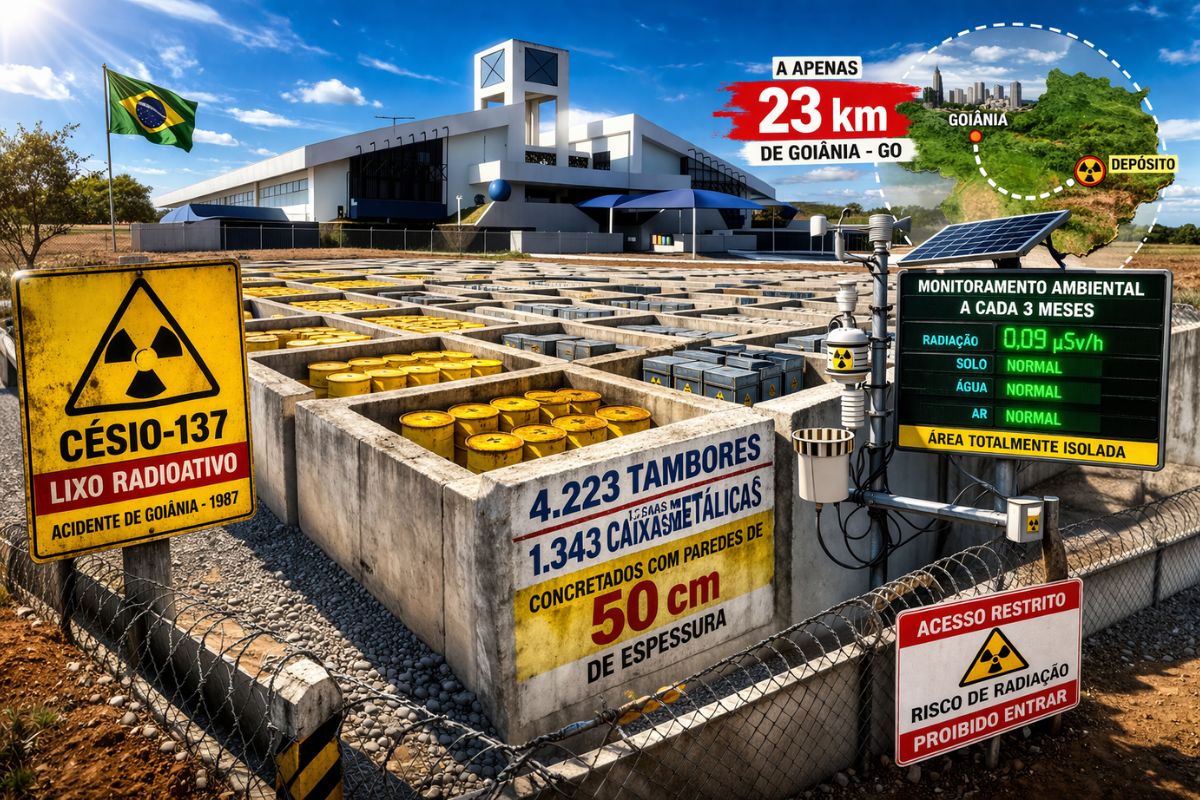
There are 4,223 drums and 1,343 metal boxes concreted with 50-centimeter walls that store the radioactive waste from Cesium-137 in the worst radiological accident in Brazil, just 23 kilometers from Goiânia, with environmental monitoring every three months.
-
Giant Roman treasure found at the bottom of Lake Neuchâtel in Switzerland reveals an advanced trade system, circulation of goods, and armed escort in the Roman Empire about two thousand years ago.


Centuries-old trees like this one are extremely rare and essential for maintaining the ecological balance of the biome.
To combat this threat, the team has already tagged the discovered specimen for seed collection.
The material will be used to produce seedlings at the Fiocruz nursery, aiming to reintroduce the species in other areas of the forest, following recommendations from the National Center for Flora Conservation (CNCFlora).
The Biota Pedra Branca Project
The record is part of the Biota Pedra Branca, an initiative aimed at increasing knowledge about local biodiversity and creating surveillance systems for wildlife zoonoses.
Coordinated by the Fiocruz Mata Atlântica Biological Station (EBFMT), founded in 2016, the project combines science and conservation in one of Rio de Janeiro’s most strategic areas.
The research reinforces the connection between biodiversity and health, showing that protecting the forest also means protecting the quality of life for human populations.
In addition to scientific output, the project promotes environmental education and encourages community involvement.
Pedra Branca: Green Lung of the City
The Pedra Branca Forest is the largest remnant of the Atlantic Forest in Rio de Janeiro and the largest urban forest in the world.
With over 12,000 hectares, it covers a large part of the city’s West Zone, providing climate regulation, water supply, and shelter for unique species.
Even within a metropolis, the area still retains scenes of primary forest.
The discovery of the centuries-old jequitiba-rosa reinforces the importance of protecting the few remaining Atlantic Forest spaces that resist urbanization.
The find of the 500-year-old jequitiba-rosa is more than a scientific curiosity: it is a warning about the value of conservation and the risks of urban expansion over the Atlantic Forest.
Protecting this natural heritage is essential to ensure biodiversity and environmental balance for future generations.
And you, what do you think? Does the city of Rio value its largest urban forest enough? Can the discovery of this giant change the way we view environmental preservation? Share your opinion in the comments — we want to hear your voice in this debate.








Seja o primeiro a reagir!