





 Portuguese
  English
  Spanish
  3 min of reading
  0 comments


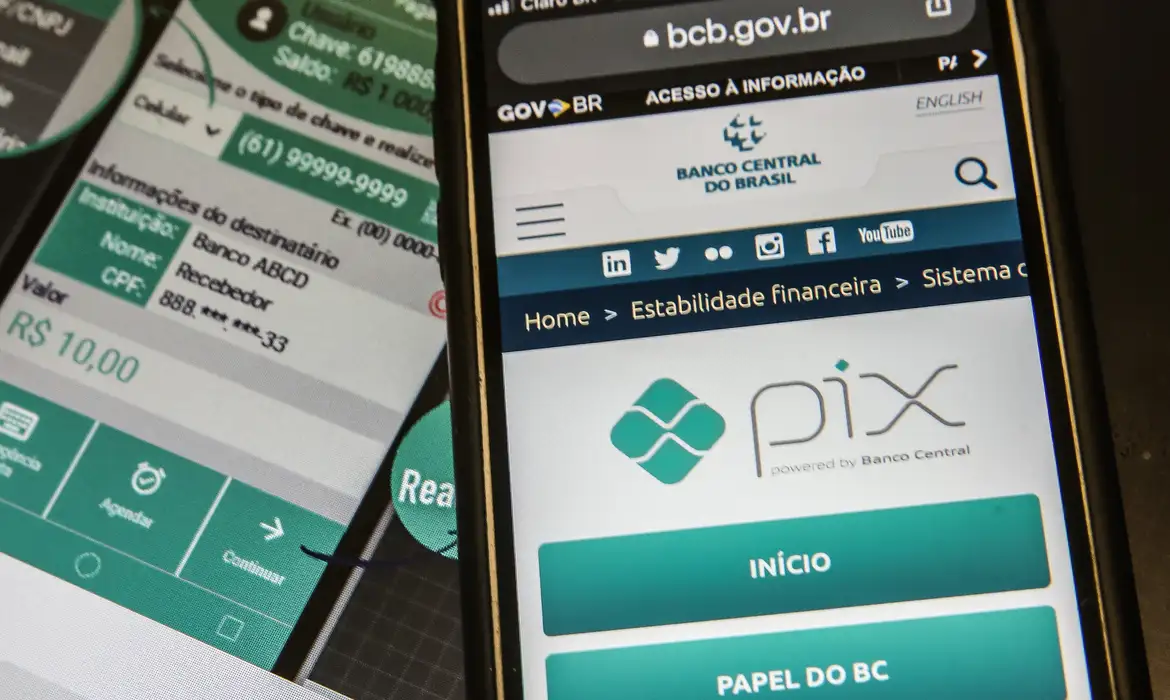
The Monitoring of the Federal Revenue Service on Pix and Credit Cards Is Back in the Spotlight with the Repeal of New Rules. Find Out How Transactions Are Monitored, the Values That Require Reporting, and How This May Impact You. Discover What Changes with the Government Decision and How to Ensure the Privacy of Your Financial Operations.
At the beginning of this year, Brazil found itself in the midst of a controversial debate over the monitoring of financial transactions conducted via Pix and credit cards.
Although the proposal to expand the control of these operations was repealed, the discussion generated uncertainty among consumers and specialists.
What Are the Current Rules? How Does the System Affect Your Wallet? And, Most Importantly, What Do You Need to Know to Avoid Surprises?
-
IPTU exemption for seniors in 2026: see how to secure the benefit.

-
What if the Sun disappeared suddenly? Simulation shows Earth in darkness within minutes, extreme cold, and rapid collapse of life on the planet.

-
A 2,400-year-old iron foundry has been discovered in Senegal with 100 tons of slag, 35 furnace bases, and signs of nearly eight centuries of continuous metallurgical activity.

-
Four humans are flying towards the Moon inside the Orion capsule launched by the SLS rocket, and on April 6, Artemis II will disappear behind the far side of the Moon without communication with Earth for nearly an hour.


Right after the government’s retreat on the proposal, which aimed for greater inclusion of fintechs and other institutions in monitoring, the subject left many questions in the air.
In this article, we will uncover how the Federal Revenue Service’s oversight system works regarding Pix and credit cards, the impacts of the new proposals — and their subsequent repeal — and what changes in consumers’ lives.
What Is Financial Monitoring?
Since 2001, the monitoring of financial transactions in Brazil is governed by Complementary Law 105, which establishes rules for reporting banking operations.
The initiative’s main objectives are to combat tax evasion and prevent financial crimes, such as money laundering.
All transactions exceeding certain value limits must be reported to the Federal Revenue Service.
The limits for these operations are as follows:
- Individuals: transactions over R$ 2,000.00;
- Legal entities: transactions over R$ 6,000.00.
These values may be subject to changes in tax legislation.
Financial institutions are responsible for consolidating and reporting this information, but consumers’ banking secrecy is preserved, except in cases of court orders.
How Does Pix Monitoring Work?
Created in 2020 by the Central Bank, Pix revolutionized payments in Brazil with its immediacy and simplicity.
However, like other payment methods, Pix is subject to monitoring regulations.
Transactions conducted via Pix that exceed the defined limits must also be reported to the Revenue Service.
Unlike transfers like TEDs and DOCs, Pix allows for real-time operations with smaller amounts, which increases convenience but also demands greater attention from users.
Despite this, the system does not request detailed information about the source of funds or the type of payment, ensuring a level of privacy.
Proposal to Expand Control and Repeal
In 2025, the government proposed to include fintechs and payment platforms, such as Mercado Pago and PagSeguro, in the process of reporting financial transactions.
The measure was met with concern from consumers and specialists, who pointed out risks of increased surveillance and impact on economic freedom.
The repeal of the proposal was announced after intense debates. According to the government, the idea would bring excessive costs to the financial sector and affect market dynamics.
Thus, the system returned to operating under previous rules, focusing transaction reporting on banking institutions.
Impact on Consumers
For users of Pix and credit cards, the repeal of the proposal did not significantly change day-to-day life.
Operations continue to be monitored only within the limits already established.
The main advice for consumers is to remain attentive to transaction values to avoid unwanted reports.
Despite this, the practical impact is limited, as financial institutions are responsible for sending the information to the tax authorities.
Privacy Guarantee
Even with monitoring, banking secrecy is still guaranteed by law. This means that consumers’ data cannot be disclosed without judicial authorization.
This legal protection ensures that, although the government has access to the necessary information for oversight, individual privacy is preserved.
Final Considerations
Financial monitoring in Brazil has the main objective of ensuring transparency and combating illegal practices.
Although the recent attempt to expand control was repealed, the existing rules remain effective for overseeing the financial system.
For consumers and businesses, understanding these regulations is essential to avoid fiscal issues and ensure the safe use of tools like Pix and credit cards.
Are you aware of the rules that govern your financial transactions? Leave your opinion in the comments!









-

-

3 pessoas reagiram a isso.