





 Portuguese
  English
  Spanish
  3 min of reading
  8 comments


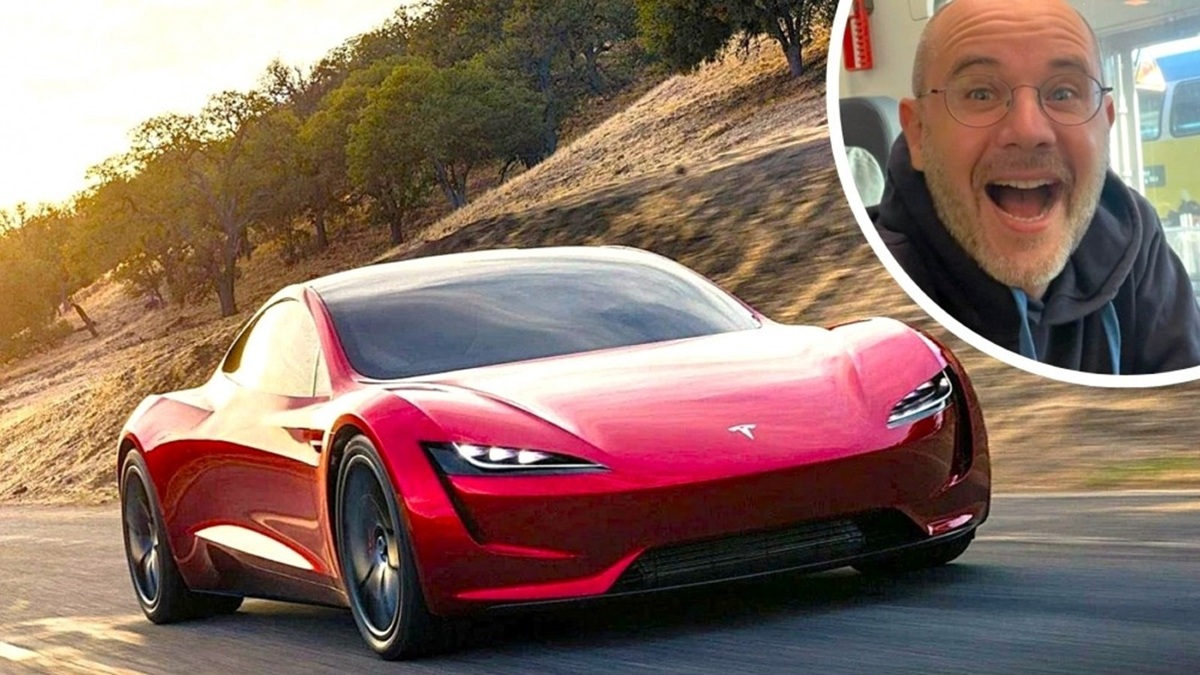


German Physicist Explains Limits of Thermodynamics, Compares Real Efficiency of Electric Motors and Combustion, Analyzes E-Fuels and Reinforces European Debate on Possible Relaxation of Sales Ban Starting in 2025
A German physicist stated that electric vehicles are up to six times more efficient than combustion cars, a debate reignited just ahead of December 16, when the European Union will decide whether to relax the ban on the sale of these models starting in 2025.
The European Union will announce on December 16 whether it will relax the current ban on the sale of cars with internal combustion engines starting in 2025, a measure requested by several governments, with the exception of Spain, and by CEOs of automakers such as Stellantis and Skoda.
The debate involves economic and political factors, including Toyota’s position, which does not believe in the large-scale sale of electric cars, but also scientific arguments about energy efficiency presented by industry experts.
-
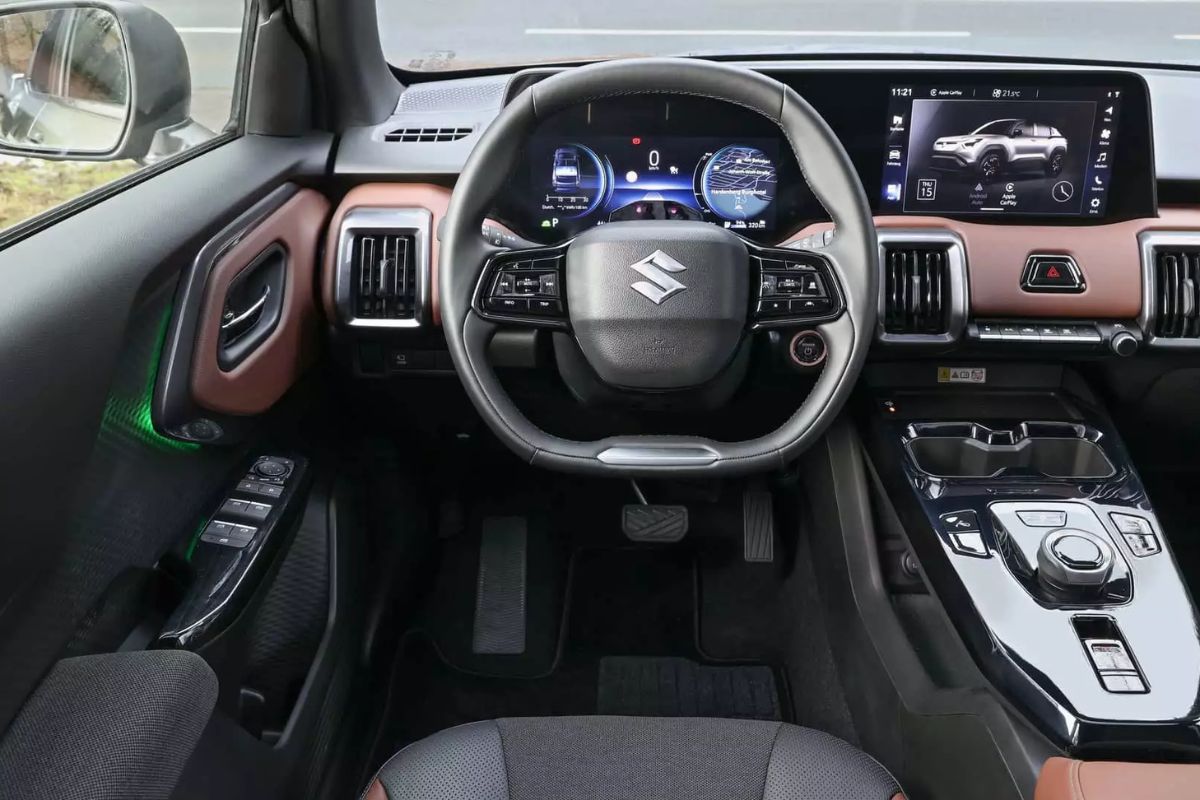
The 2026 electric Vitara arrives in Brazil and proves that Suzuki is not leaving: 4×4 traction, 184 hp, 61 kWh LFP battery, 293 km range, R$ 259,000, and a trunk capacity of 224 L.
-
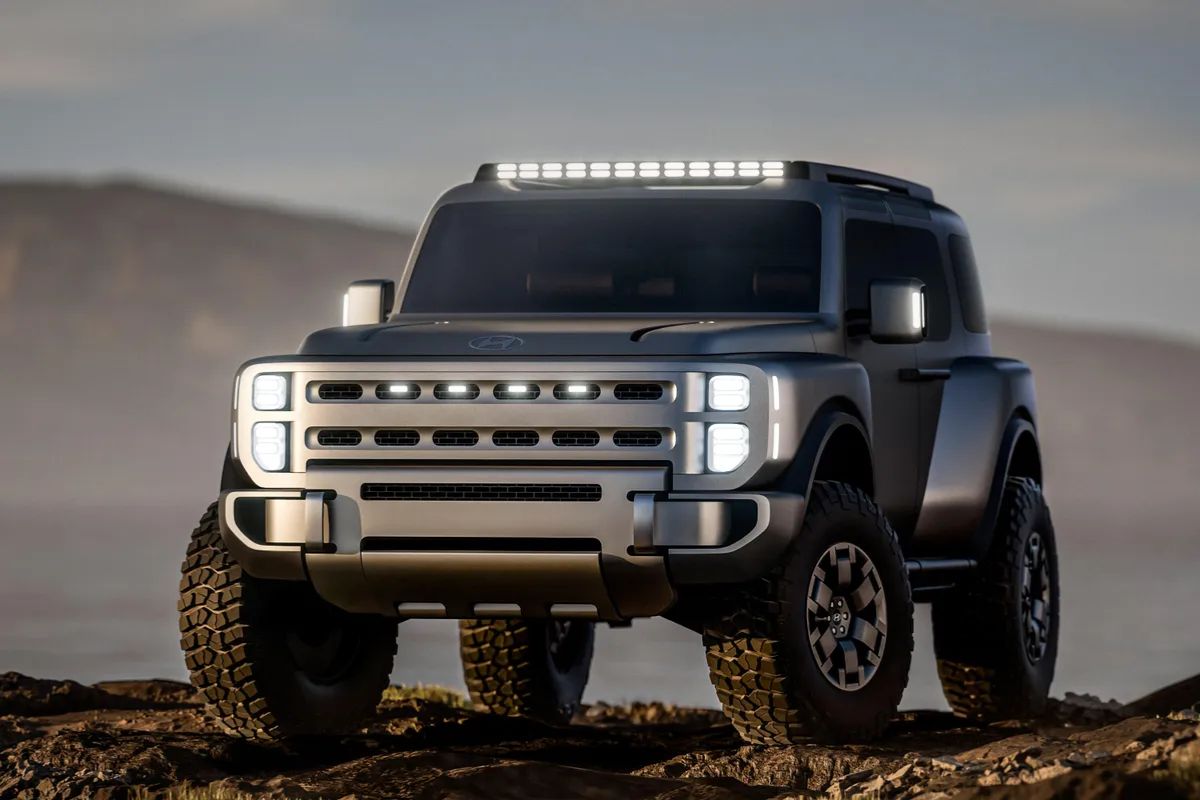
Hyundai has unveiled the Boulder, a square SUV with a body-on-frame design, 37-inch mud tires, and carriage-style doors that seems to be made to take on the Ford Bronco and the Scout Traveller in the United States.
-
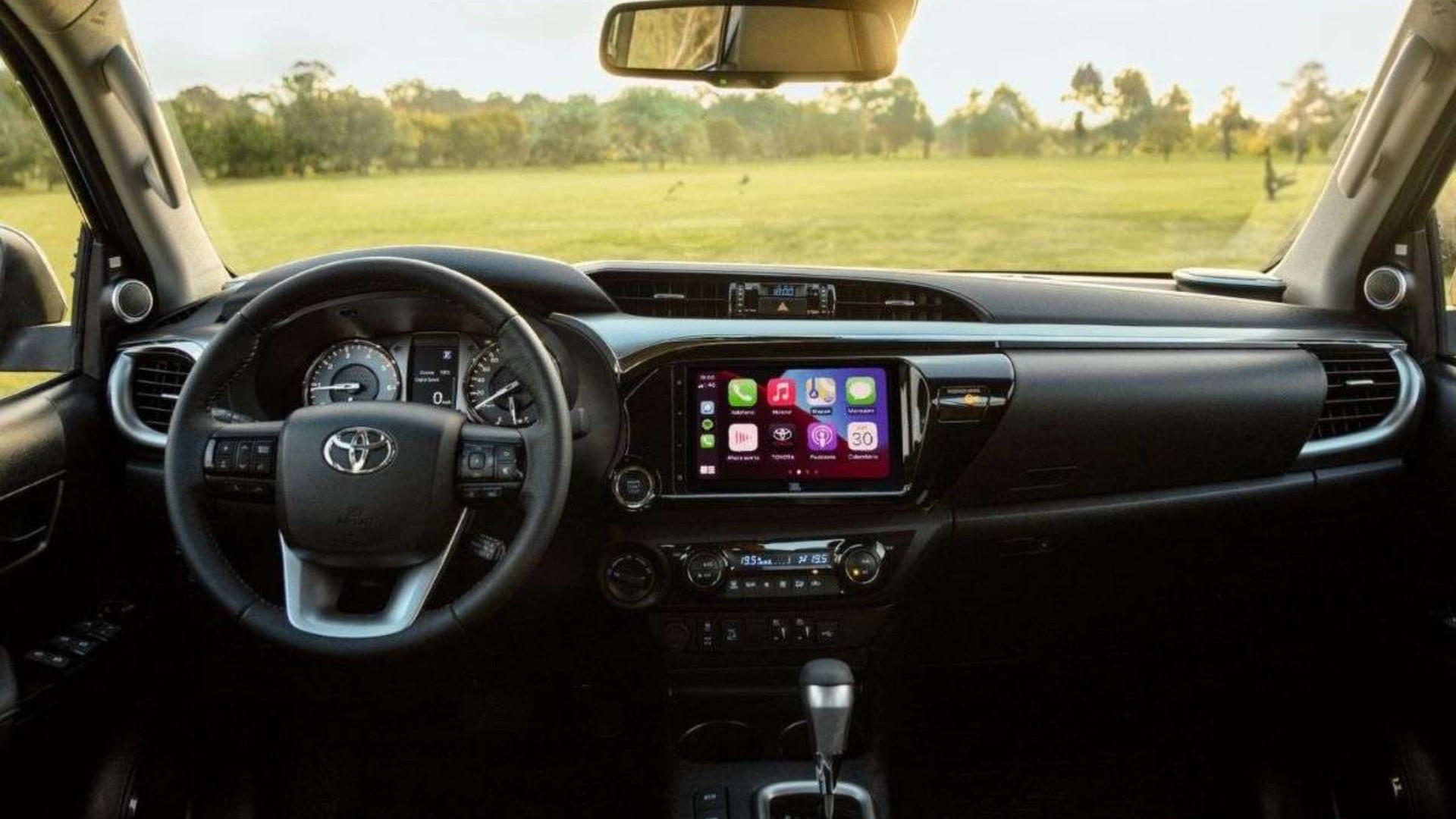
The Toyota Hilux is R$ 75.5 thousand cheaper and bets on the 2.8 turbodiesel engine with up to 204 hp and 50.9 kgfm to catch up with the VW Saveiro, which leads with 4,472 sales.
-
The new Renault Koleos has a screen exclusively for the passenger that is invisible to the driver, heated rear seats, and 29 assistance systems, but its Chinese competitors cost R$ 40,000 less and deliver more power.
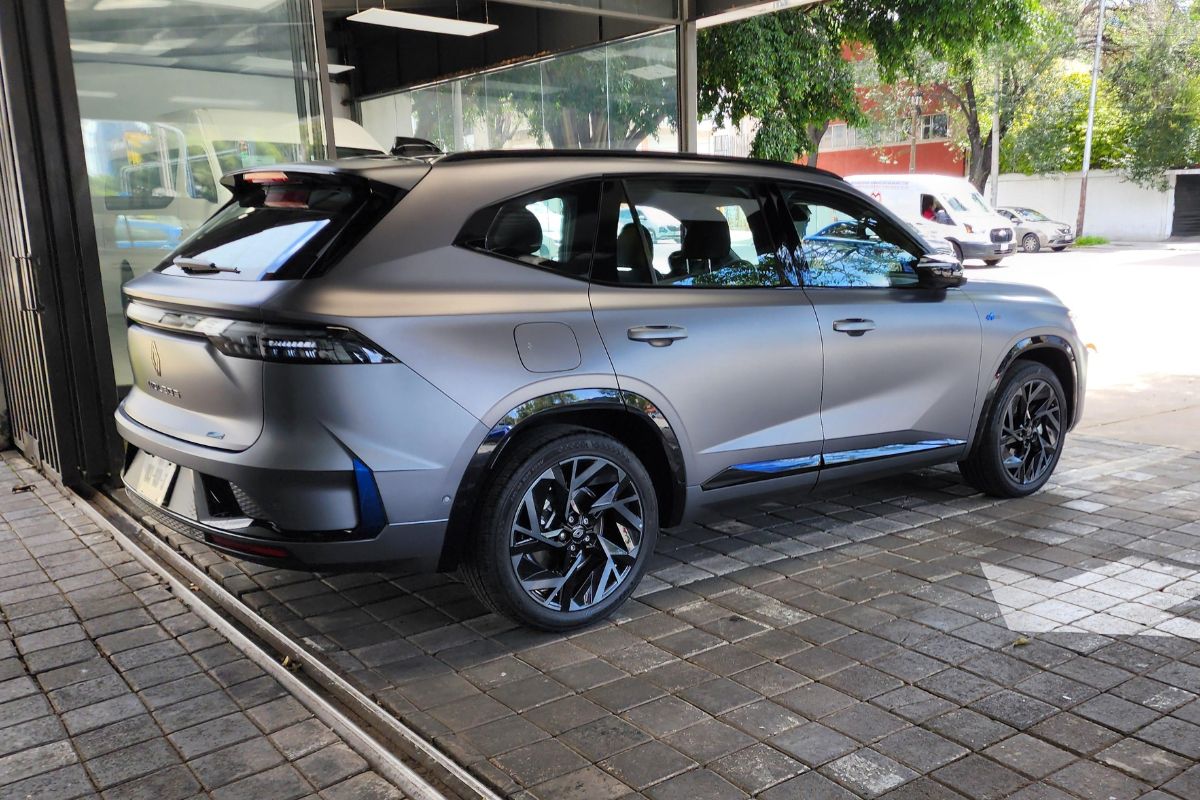

In this context, the German physicist and science communicator Johannes Kückens emphasized that the electric car is up to six times more efficient than a vehicle with an internal combustion engine, even when it uses synthetic fuels or e-fuels.
Physical Limits of Combustion Engines
In statements published by DerStandard, Kückens criticized the idea of “efficient combustion engines,” which are required to be maintained in several countries, stating that these systems face insurmountable limits imposed by Physics.
According to the physicist, the internal combustion engine is governed without exception by the second law of thermodynamics, which states that the conversion of heat into motion can never be complete, resulting in always significant energy losses.
He explains that, under real-world conditions, a modern diesel or gasoline engine operates at a maximum useful efficiency of 25%, while the rest of the energy is primarily dissipated as waste heat.
Despite technological advancements achieved over the last 100 years, Kückens asserts that an internal combustion engine will never reach 80% or 90% efficiency, as physical limits are already close.
“Today we are around 45% efficiency, and we are already reaching physical limits,” the expert stated, emphasizing that additional gains will be marginal, even with new technological investments.
Electric Motors Surpass Synthetic Fuels
The German physicist pointed out that there are already motors with over 90% efficiency, identifying these systems as the electric motors used in battery-powered vehicles currently available on the market.
Kückens also assessed the use of carbon-neutral synthetic fuels, produced from CO2 captured from the atmosphere, as an alternative for combustion vehicles in the future, labeling this option as unrealistic.
According to him, due to the complexity of the manufacturing process, these fuels retain only half of the energy from the renewable electricity originally invested in their production, drastically reducing the final energy yield.
The problem worsens when these fuels are burned in inefficient combustion engines, resulting in extremely low energy utilization throughout the entire cycle.
According to the physicist, at the end of this process, just over 10% of the energy used effectively reaches the road, limiting the performance and efficiency of these vehicles.
This difference explains why, with the same amount of electricity, an electric car can travel six times farther than a combustion car running on synthetic fuels.
Real Efficiency and Reduced Maintenance
Kückens claims that electric cars make better use of every kilowatt of energy and that, in real-world usage, considering losses in charging, conversion, and transmission, the average efficiency reaches about 70%.
Additionally, he highlights that the greater mechanical simplicity of electric motors reduces the need for maintenance compared to internal combustion engines, decreasing operational costs over time.
The physicist also noted that the critical materials used in batteries can be recycled and reused in the manufacturing of new batteries, contributing to the sustainability of the production cycle.
These technical factors reinforce the structural difference between the technologies, a topic that remains at the center of regulatory and industrial discussions in Europe ahead of the EU’s decision.










Acredito que para certas situações o carro elétrico vai ser viável, principalmente em grandes centros. Já no interior do Brasil ou em países que possuem características semelhantes haverá uma grande limitação por causa dos poucos pontos de carregamento. Outro ponto é a oferta de energia para carregar todos esses carros principalmente a noite nos horários de pico.
Isso é óbvio, mas vai explicar pra quem muge e quer viver na idade da pedra porque acha que carro elétrico é ****.
O ponto é simples: um carro elétrico depende de suas “pilhas”. Por mais que o atrito e o desgaste mecânico sejam bem menores, a bateria continua sendo uma bateria. E aí surgem as dúvidas: como ficará o valor de revenda? Quem vai confiar em um carro com 5, 6 ou 7 anos de uso? Quanto custará a troca desse conjunto nas concessionárias? Até o pneu é diferente!!!
Muitos acabarão optando por baterias paralelas — nesse caso “ching-ling do ching-ling” — colocando em risco a segurança de todos. No fim das contas, nem sei quantas fora as tentativas de emplacar motores elétricos na história do automobilismo. Se fosse realmente tão simples e melhor, já teríamos “carros a pilha” rodando há décadas. É só minha opinião.
O próprio Trump sabotando a indústria dos veículos elétricos mostra porque os carros não vingaram até hoje. E você mugindo carros a pilha também é outro exemplo. Celular usa bateria, é a pilha também? Aliás, o carro a combustão depende de bateria. As baterias de veículos elétricos mais modernas já carregam mais rápido e tem vida útil muito maior. E a questão do descarte que muita gente muge, já é totalmente reciclável há um bom tempo.