





 Portuguese
  English
  Spanish
  5 min of reading
  74 comments


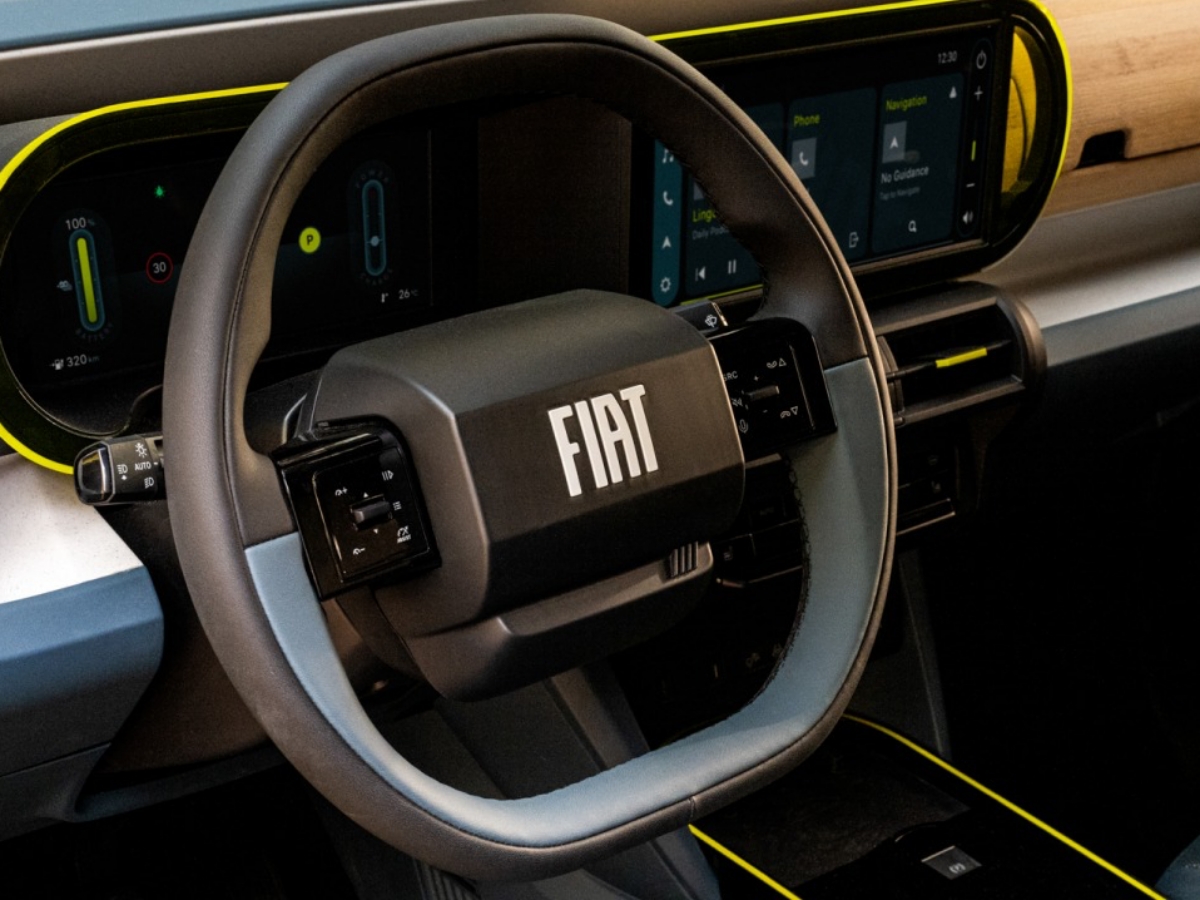


Triumphant Return of the Popular Car: Fiat Uno Is About to Be Reborn with Full Force in the Automotive Industry, Achieving 18.5 Km/L to Replace Argo and Retire Mobi, the Cheapest Car in Brazil!
The Brazilian automotive market is about to witness the return of the most beloved car by Brazilians: the Fiat Uno, one of the most iconic models in the brand’s history in Brazil, is set to hit the streets with a modern, affordable proposal that aligns with the new demands of the sector. Slated for launch in 2026, the compact hatchback, which re-emerges in Europe under the name Grande Panda, has surprised the Brazilian automotive industry and is already undergoing testing here, likely taking the place of the direct successor to Fiat Argo — and, also of Fiat Mobi, the cheapest car in Brazil.
The strategy seems clear: to revive a well-known name and reposition it at a new moment for Fiat in Brazil, now under the umbrella of the Stellantis group. But what do we really know about this possible new generation of the Uno? Next, we reveal the 5 most relevant details of this change that could redefine the automaker’s portfolio in the country:
Fiat Prepares Radical Change: Uno Will Replace Argo and May Retire Mobi, the Cheapest Car in Brazil
The Fiat Argo, launched in 2017, is already showing signs of aging in the market. Even with a slight facelift planned for 2025, the model is unlikely to last long in light of the new project, internally referred to as F1H. According to sources in the automotive sector, such as Motor1, this new Fiat car will be built on the CMP platform, the same used in models from Peugeot and Citroën.
-
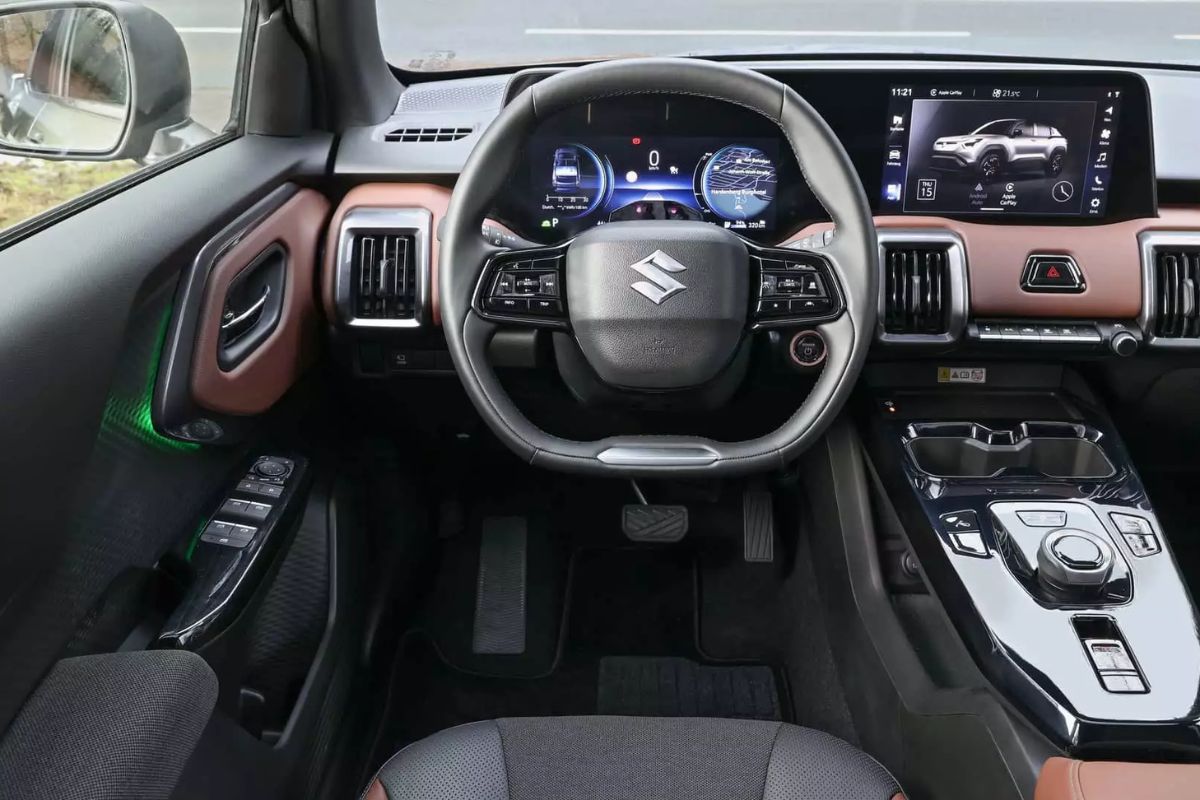
The 2026 electric Vitara arrives in Brazil and proves that Suzuki is not leaving: 4×4 traction, 184 hp, 61 kWh LFP battery, 293 km range, R$ 259,000, and a trunk capacity of 224 L.
-
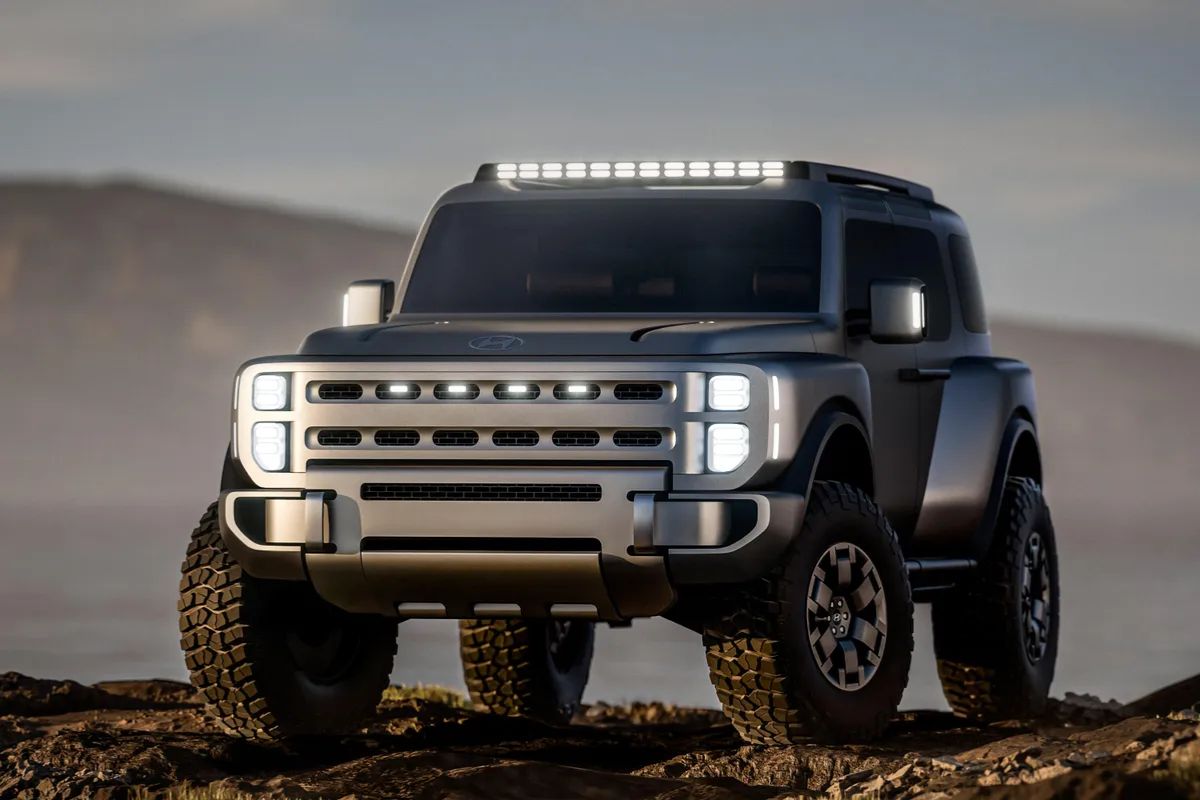
Hyundai has unveiled the Boulder, a square SUV with a body-on-frame design, 37-inch mud tires, and carriage-style doors that seems to be made to take on the Ford Bronco and the Scout Traveller in the United States.
-
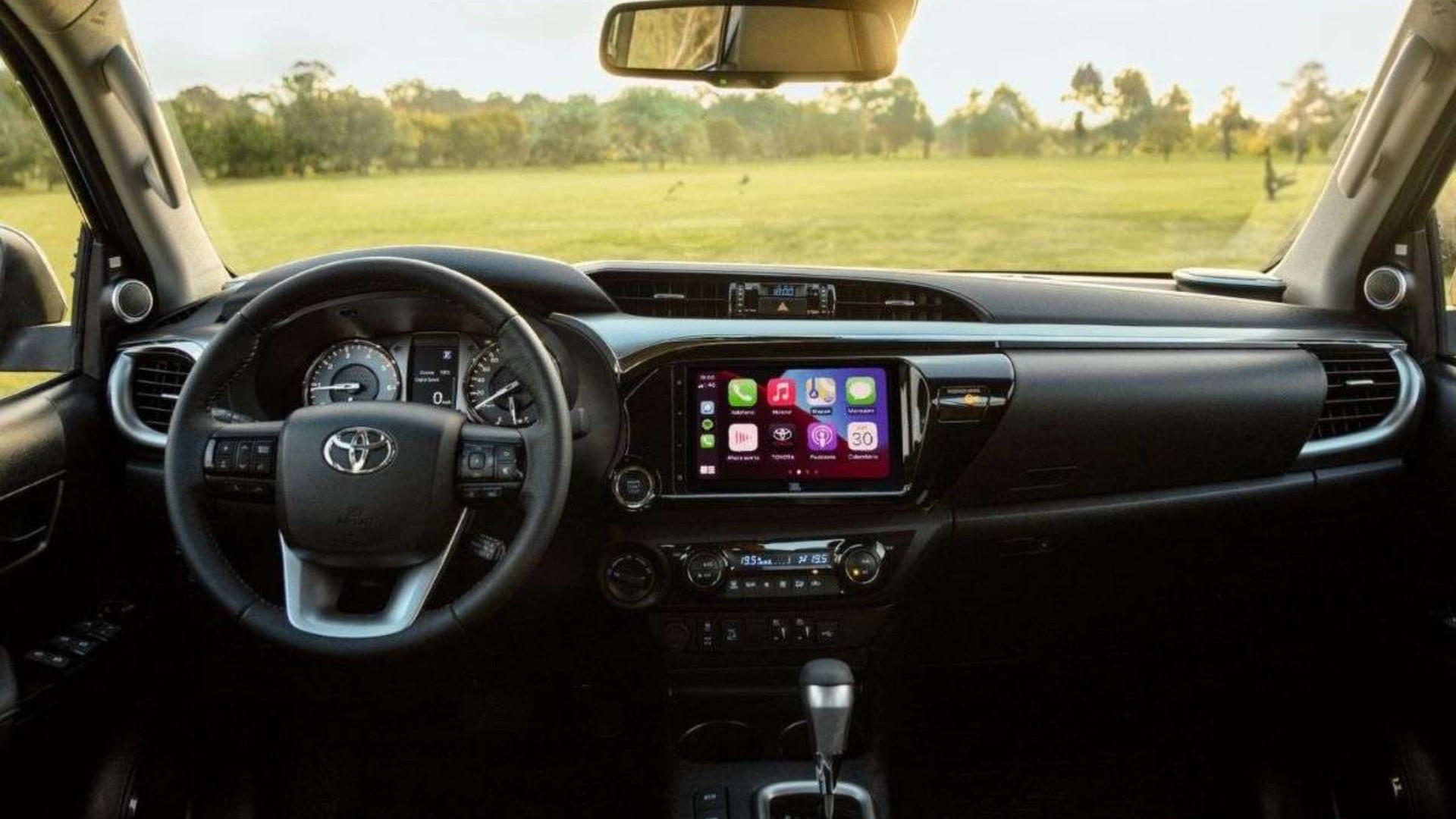
The Toyota Hilux is R$ 75.5 thousand cheaper and bets on the 2.8 turbodiesel engine with up to 204 hp and 50.9 kgfm to catch up with the VW Saveiro, which leads with 4,472 sales.
-
The new Renault Koleos has a screen exclusively for the passenger that is invisible to the driver, heated rear seats, and 29 assistance systems, but its Chinese competitors cost R$ 40,000 less and deliver more power.

With the new market configuration following the formation of Stellantis, Fiat has moved up a tier in the brand hierarchy compared to Citroën. This clears the way for the Citroën C3 to consolidate as the entry-level car, while the Uno would take the range currently occupied by the Argo — and indirectly, by the Mobi, which might see its production end.
Simple and Functional Design: All Set for Roof Ladder Installation and to Conquer the Urban Job Market
One of the aspects that caught the most attention in the first images released of the European Grande Panda was the simplicity of the entry-level version: steel wheels, basic finish, and uncomplicated look. This profile suggests that the new Uno will be prepared for practical applications, such as ladder installation on the roof — something common in fleets for maintenance, services, and deliveries.
The expectation is that the model will maintain this simplified look in Brazil, making it an attractive option for the urban job market, especially with the growth of freelance and service-providing activities.


Competitive Price: Below R$ 110,000, It Will Be the Key Selling Point of the Fiat Uno in Brazil
While in Europe the Grande Panda’s prices range from €18,900 to €27,900 (approximately R$ 113,000 to R$ 167,000 at current exchange rates), the Brazilian version of the new Uno will be considerably more accessible. According to experts interviewed by the Autoesporte portal, the national model will be adapted to the local economic reality, with strategic cuts to remain competitive against rivals.
The expectation is that the hatch will be priced below R$ 100,000, even in its most equipped version, maintaining its appeal as an attractive option in the entry-mid segment.
Fiat Grande Panda Promises to Be Launched in Brazil as the Successor of the Uno, Promises to Achieve 18.5 Km/L
The new Fiat Grande Panda, which may be launched in Brazil as the successor to the Uno, boasts an average fuel consumption of approximately 18.5 km/l in the mild hybrid version equipped with a 1.2 turbo engine with 101 horsepower and a dual-clutch automatic transmission (eDCT).
This consumption figure was obtained based on the European WLTP cycle, which combines different usage conditions, including city and highway. It is important to note that actual performance may vary depending on driving style, traffic conditions, and air conditioning use, among other factors.
The Name Uno Is Not Official Yet, but It Has Already Caught On Among Engineers
Although the new model is still officially referred to by its project code F1H, the name Uno is widely used in the automaker’s background. This happens not only because of the historical appeal of the name in Brazil but also due to the marketing strategy that seeks to associate tradition with innovation.
So far, Fiat has not officially confirmed that the new car will be launched under the name Uno, but industry experts claim that it is unlikely that the brand will miss the opportunity to capitalize on a name that carries significant symbolic weight among Brazilian consumers.
Electrified Line: The New Uno Will Have a Mild Hybrid System Version
Fiat has publicly stated that it intends to electrify its entire lineup by 2028, as announced by Stellantis executives during international events. Thus, it is almost certain that the new Uno will feature at least one version equipped with the 12V mild hybrid system, already used in the Fiat Pulse and Fiat Fastback models.
This system contributes to the vehicle’s energy efficiency without significantly increasing its cost, which fits perfectly with the proposal for a modern, accessible urban hatchback.
In Summary, the 5 Crucial Points of the New Fiat Uno in Brazil:
Based on the available information, the new Uno promises:
- To replace the Fiat Argo and possibly the Fiat Mobi;
- To have simplified versions ready for professional use with features like roof ladder supports;
- To cost less than European models, with prices adapted to the reality of Brazilian consumers;
- To be called Uno, although there is still no official confirmation;
- To feature mild hybrid technology already applied in other models of the brand.
An official confirmation from Fiat is still awaited, but the signs are clear: the Uno is about to be reborn with full force and could become a new urban phenomenon, blending practicality, economy, and a name that remains alive in the memories of Brazilians.
And what do you think about this possible return of the Fiat Uno? Do you believe it will have the same impact as before, or do you think the market has changed too much since the glory days of the hatch? Leave your opinion in the comments and share this news with your friends who are also car enthusiasts!










Carro popular a R$110.000,00? Piada que fala,né?
Carro popular por menos de 100 mil, brincadeira esse país que não deixa a população ter poder de compra pq é preciso manter essa gente incompetente e corruptas que ao logo de anos vem acabando com país e deixando as pessoas cada vez mais pobres…
Esse preço melhor comprar uma S10