





 Portuguese
  English
  Spanish
  3 min of reading
  0 comments


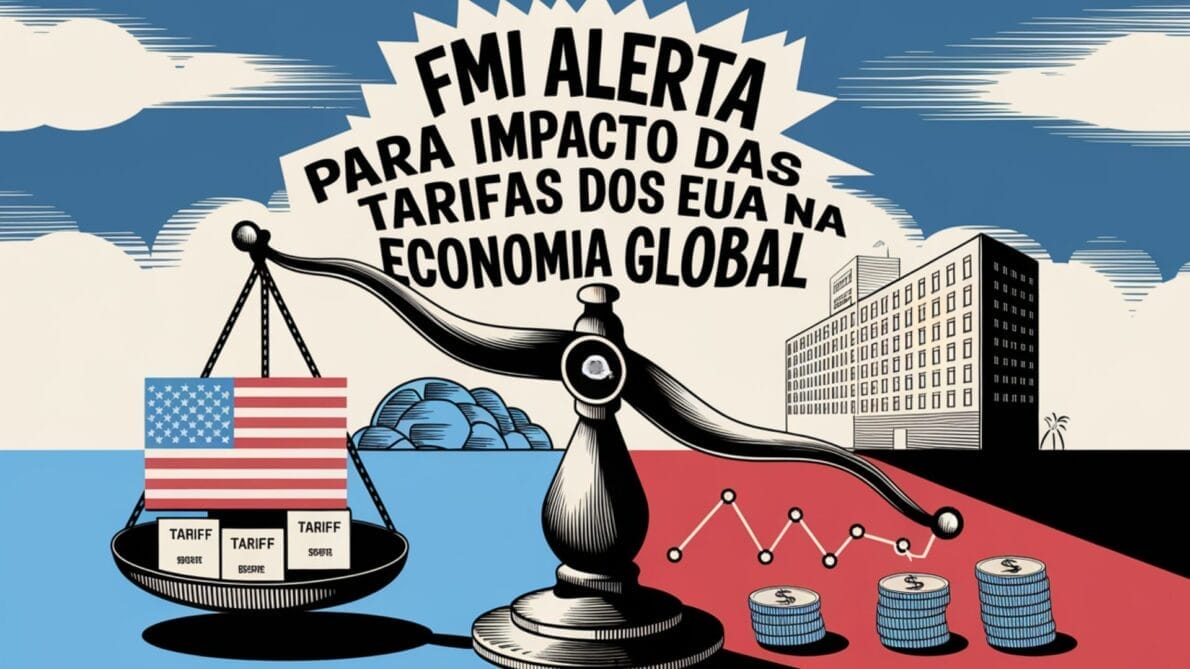
IMF Director Points to Instability in Markets and Risk to Global Growth but Dismisses Recession; New Scenario Pressures Countries and Investors in Light of Changes in Global Trade.
The increases in tariffs by the U.S. administration under Trump are generating economic instability on an international scale. The assessment is from the Managing Director of the International Monetary Fund (IMF), Kristalina Georgieva, who warned about the impacts of this policy on financial markets and global economic growth.
Although she acknowledges that the new taxes on imports could slow down the global economy, Georgieva dismissed the possibility of a global recession at this moment. According to her, the greatest risk lies in increased uncertainty, especially in light of what she termed the “restart of the global trade system,” which puts additional pressure on countries and investors.
Trump’s Tariff Policy Affects Supply Chains and Causes Volatility
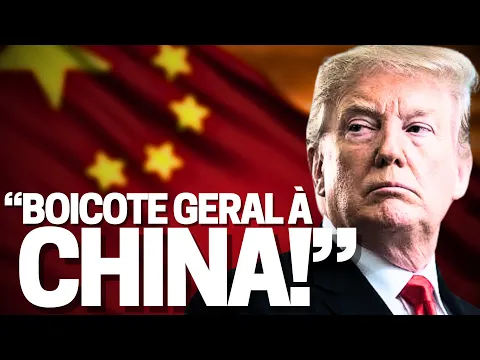
Since resuming the presidency of the United States, Trump has taken a firm stance on tariffs on imported products, especially those coming from China. The stated goal is to protect domestic industry and stimulate internal production. However, the IMF warns that this strategy could be costly for the global economy due to the complexity of international production chains.
-
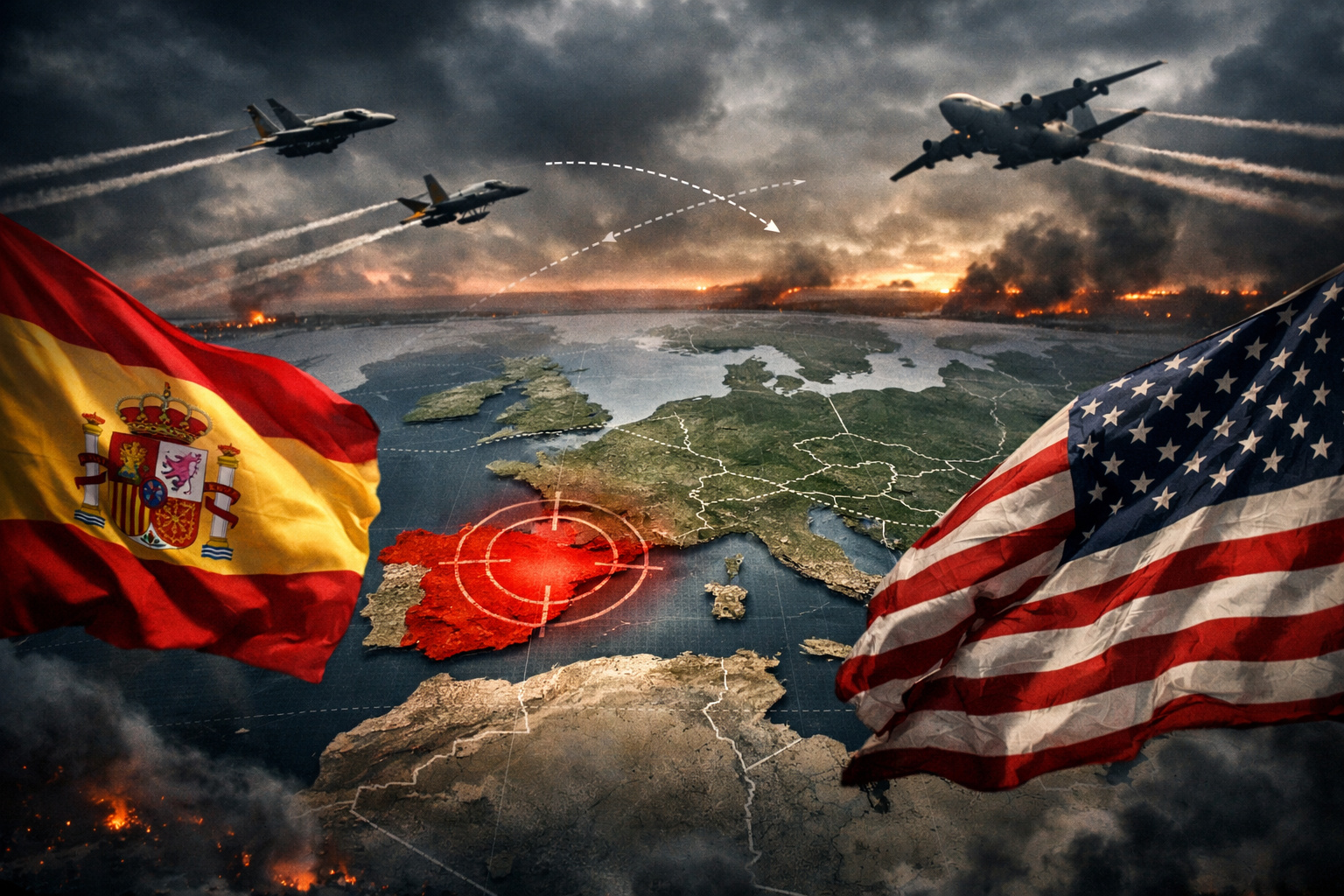
Spain challenges the USA and closes its airspace for operations against Iran, raising global tension and provoking the threat of a trade rupture.
-
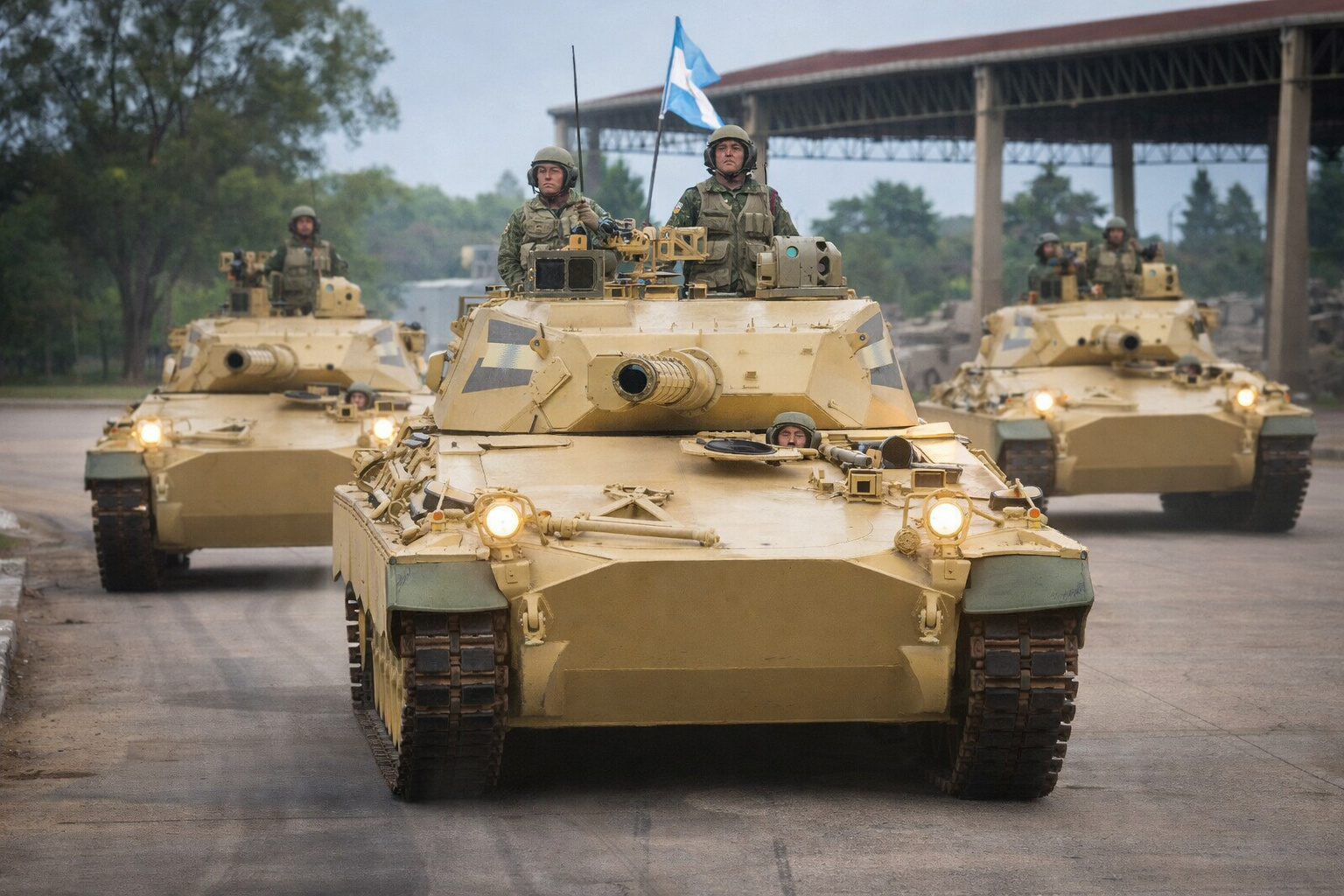
While no other country manufactures tanks in Latin America, Argentina activates the TAM 2C-A2 and raises a curiosity about the technological lag in the region.
-
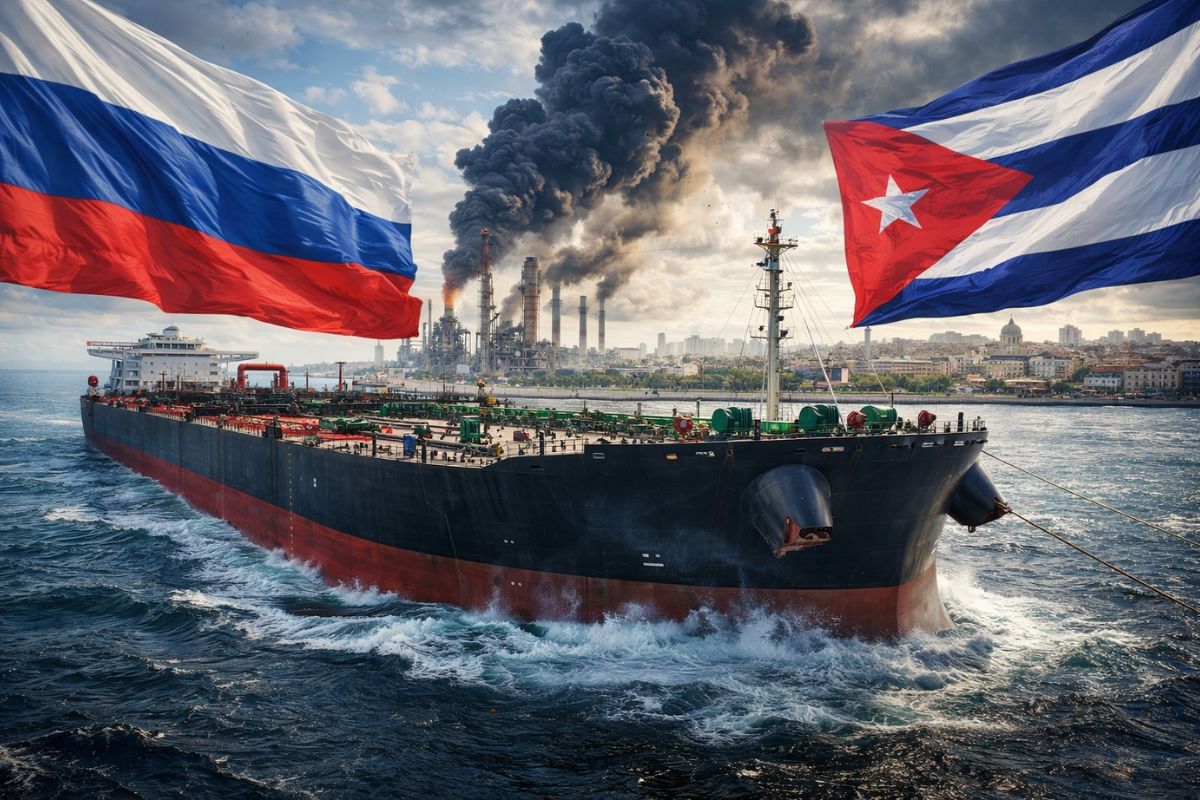
A Russian ship with 730,000 barrels of oil has just arrived in Cuba while Mexico negotiates fuel sales through private companies: the communist island is desperately seeking alternatives after losing its supply from Venezuela due to American military action.
-
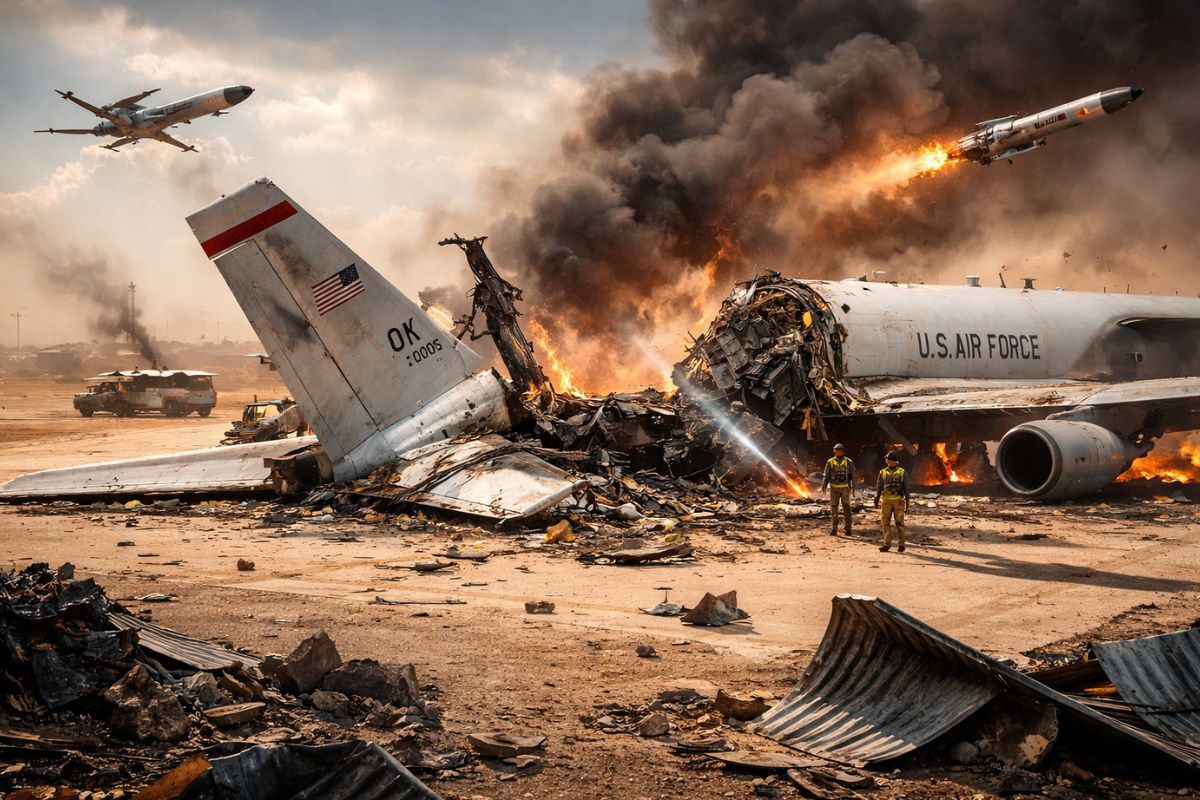
Iranian drones and missiles destroyed a 270 million dollar American spy plane in Saudi Arabia, splitting the E-3 Sentry aircraft in half and injuring 12 military personnel in an attack that exposes the vulnerability of U.S. bases in the Persian Gulf.


According to Georgieva, “tariffs create uncertainty, which can be costly.” A single product can be impacted by taxes imposed in dozens of countries, elevating costs for companies and consumers. This, in turn, contributes to instability in financial markets.
On Wall Street, for example, significant fluctuations have been recorded, both daily and intraday. These swings reflect investor apprehension regarding the developments of the trade war between the United States and China.
IMF Recommends Reduction of Trade Barriers
Despite criticisms of the United States’ tariff policy, the IMF Managing Director recognized that there are legitimate concerns from the Trump administration. She highlighted that many countries maintain tariff and non-tariff barriers that distort global trade.
The IMF recommends that countries seek to reduce these obstacles by resuming the trade liberalization process that had progressed consistently after World War II but has been virtually stagnant for a decade.
“Trade distortions have fed negative perceptions of a multilateral system that is seen as having failed to create fair conditions,” Georgieva stated.
Outlook for the Global Economy
The latest IMF projections, released in January, point to a growth of 3.3% for the global economy in 2025 and 2026, slightly above the 3.2% recorded in 2024. Inflation, which rose after the COVID-19 pandemic, is expected to continue to decline, dropping from 5.7% in 2024 to 4.2% this year and 3.5% in 2026.
However, the IMF itself acknowledges that these estimates may change, especially in light of escalating trade disputes between the United States and China. In a recent publication, the Fund’s Chief Economist, Pierre-Olivier Gourinchas, warned that policies advocated by Trump could put pressure on inflation in the short term.
Escalation of Tariffs Between U.S. and China Concerns Analysts
Since the beginning of his new term, Trump has maintained an aggressive policy towards China. With each new round of tariff increases, the Chinese government responds with equivalent measures on American products. This scenario contributes to escalating trade tensions and reinforces the possibility of lasting impacts on international trade.
Although Trump has backed down on some tariff threats, there are no signs that the policy will change in the short term. The trade war between the two largest trading partners in the world is at a point of tension, and experts warn that developments could affect the economies of various countries, including Brazil.
Source: Euronews









Seja o primeiro a reagir!