





 Portuguese
  English
  Spanish
 4 min of reading
  0 comments


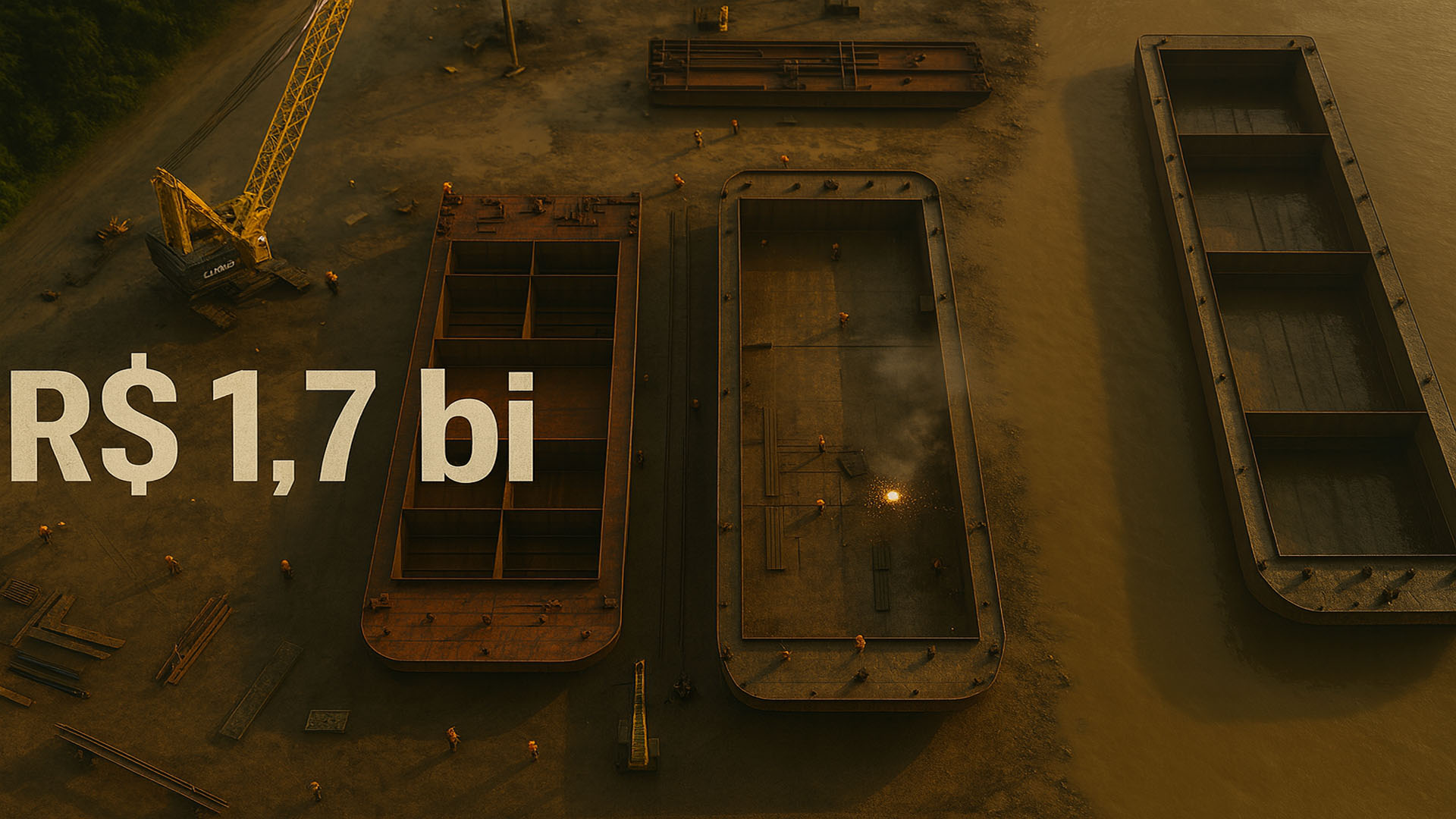
Government Announces, on September 29, 2025, Package for 188 Vessels in the Amazon via the Merchant Marine Fund; LHG Mining and Hermasa Carry out Works, with Deliveries Already Started in Manaus.
The Amazon will receive R$ 1.7 billion from the Merchant Marine Fund (FMM) to build 188 river vessels, according to an official announcement made on September 29, 2025, in Manaus. The projects will be executed by LHG Mining and Hermasa, with an expectation of 10,000 direct and indirect jobs.
In addition to the financing, the government inaugurated the Envira river port and confirmed modernization works for the Eirunepé terminal, actions that are part of the strategy to strengthen the shipbuilding industry and waterway transport in the Amazon.
The measure aims to reduce logistics costs and increase regional competitiveness by shifting heavy loads from the road modal to the waterways, viewed as a more efficient alternative with lower CO₂ emissions per ton transported.
-
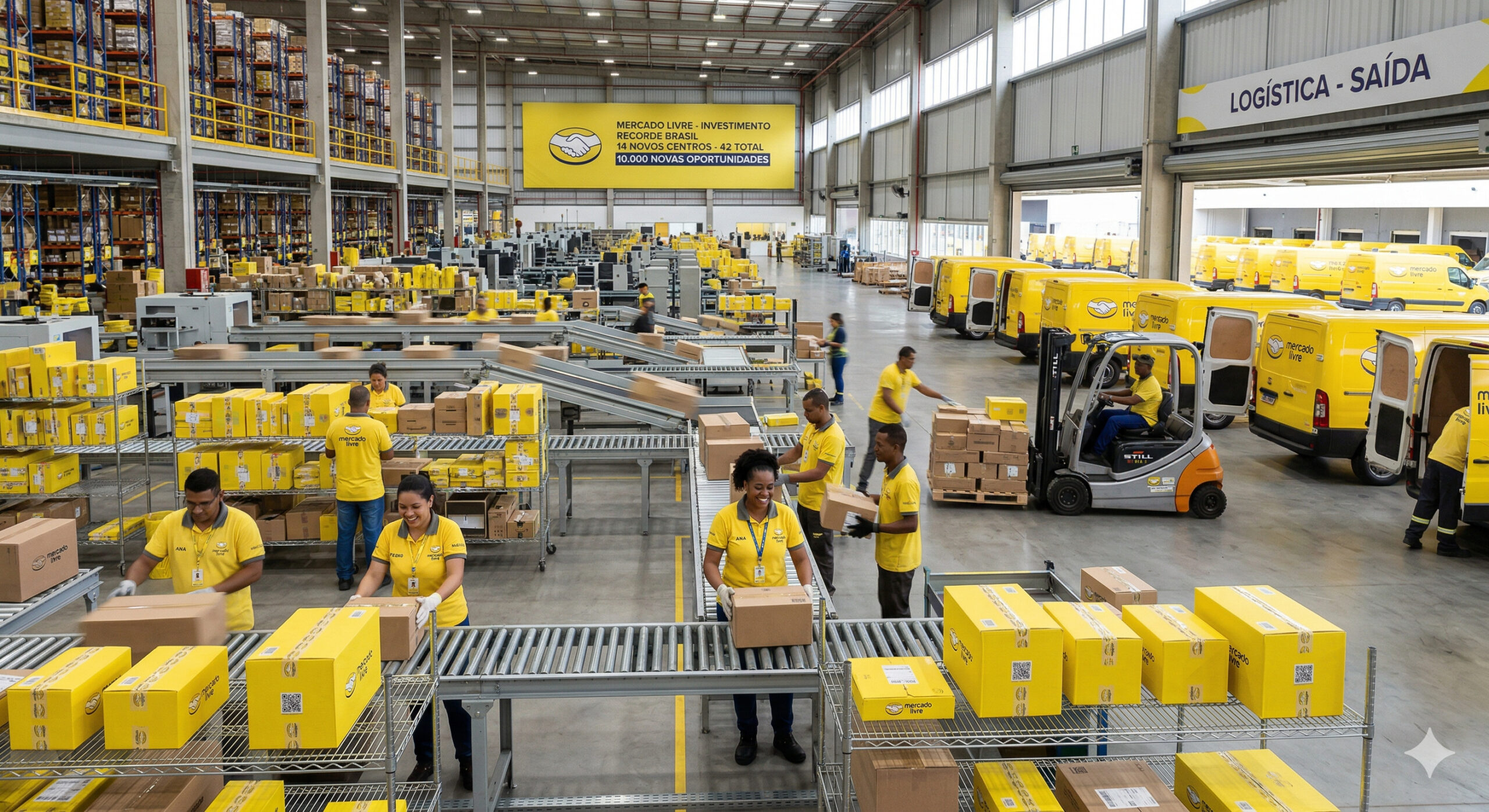
Mercado Livre “opens the vault” and announces a record investment of R$ 57 billion in Brazil in 2026, a value 50% higher than the previous year, with an expansion plan that includes 14 new logistics centers, totaling 42 units in the country and hiring an additional 10,000 employees.
-
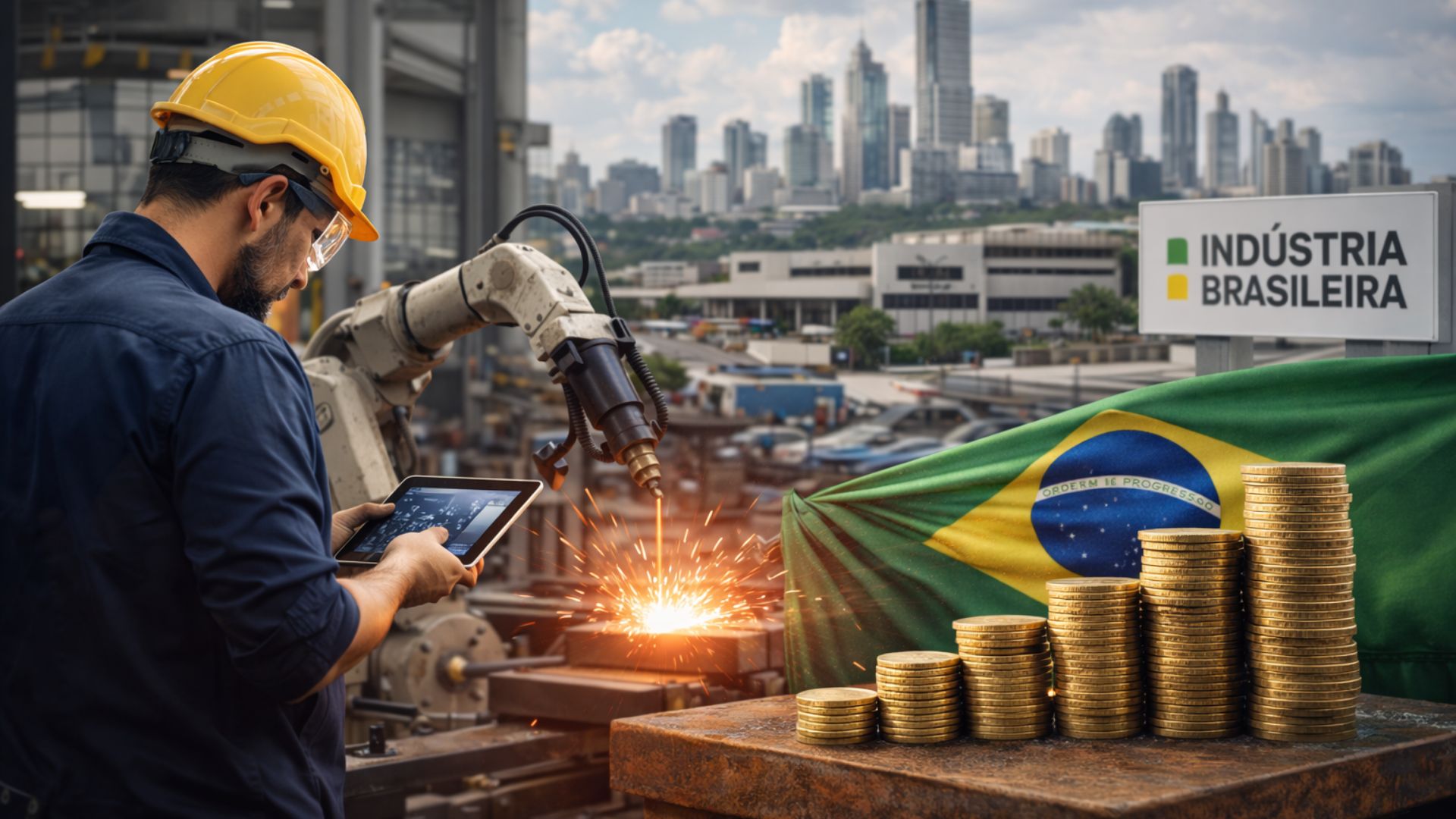
How investment in technology can revolutionize the national economy and enhance industrial gains, according to a study that highlights the direct impact on productivity, innovation, and wealth retention within Brazil.
-
The largest food company on the planet, JBS, has just opened a 4,000 square meter laboratory in Florianópolis to develop customized proteins that modulate muscle mass gain, immune response, and metabolic performance.

-
After nearly 30 bids and competition among industry giants, a Spanish company purchases one of the largest airports in Brazil for almost R$ 3 billion and takes over the management of Galeão in a concession that will last until 2039.


How Much, When, and Who Invests: Breakdown of the FMM Package
Of the total, LHG Mining will manufacture 128 vessels in the Amazon, with an investment of R$ 1.36 billion financed by the FMM, within a national program that envisages 400 barges and 15 pushers in AM, BA, PA, and SP. The delivery of the first barges has already occurred at the Juruá Shipyard in Manaus.
Hermasa will build 60 grain barges and two pushers, including models with a capacity of up to 2,000 tons, with R$ 384.3 million from the FMM. This information was disclosed by the government and confirmed by specialized infrastructure media.
According to the Ministry of Ports and Airports, the contributions add to the policy of resuming the sector: since 2023, R$ 70 billion has already been prioritized by the FMM for naval projects, an amount about three times greater than what was approved between 2019 and 2022.
Logistical and Environmental Impact: Convoys Reduce Costs and Emissions
River navigation replaces long truck movements. A convoy of 16 barges can transport about 50,000 tons, equivalent to 1,250 trucks. The gain in scale reduces freight costs, pressure on highways, and travel time.
In the grain segment, standard barges of 2,000 tons are common in the Northern region and support large-scale operations in the Northern Arc, reinforcing the Amazon’s vocation for waterway logistics.
The environmental effect is significant: projects financed by the FMM for Hermasa include technologies and operational designs that can cut annual CO₂ emissions by up to 88.4%, by reducing trips and allowing the use of biodiesel in the pushers.
Envira Port and Modernization of Eirunepé: Deliveries and Next Steps
On the same agenda, the government inaugurated the Envira port and launched the modernization of the Eirunepé port, benefiting municipalities that depend almost exclusively on waterways for access to services and the flow of production.
The Ministry of Ports and Airports informed that expanding river infrastructure in the interior of the state aims to lower freight costs, ensure navigation safety, and increase the regularity of transport, including health supplies and food.
Local authorities pointed out that, with adequate ports and the new fleet, the flow of minerals and grains is expected to gain predictability, attracting private investments and sustaining the naval chain in the Amazon.
Jobs, Productive Chain, and Where the Vessels Will Be Made
The government estimates 10,000 jobs with the works and operation of the new assets, including shipyards, workshops, maintenance, and crews. The volume includes local labor and services associated with shipbuilding.
In Manaus, the Juruá Shipyard has already delivered the first barges from LHG. For Hermasa, plans envisage production in shipyards in the Amazon; previous decisions from the CDFMM had already mentioned the Beconal (AM) shipyard for series of Mississippi standard barges.
The combination of barges and pushers increases the supply of river convoys for minerals and grains. Industry expectations suggest a structural decline in the cost per ton and greater competitiveness for the regional economy.
Do you think the FMM package will actually lower freight costs and accelerate logistics in the Amazon, or are clearer goals and deadlines needed? Do you agree with prioritizing waterways over new roads in the region? Leave your comment and say what you expect to see first: more convoys on the rivers or more works in inland ports.








Seja o primeiro a reagir!