





 Portuguese
  English
  Spanish
  3 min of reading
  1 comment


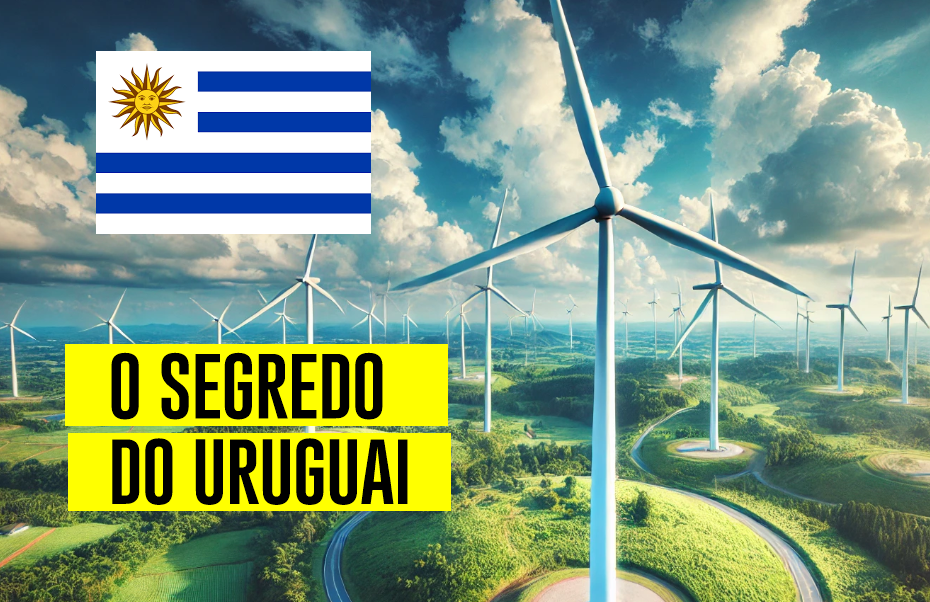


Uruguay Has Become a Global Reference by Achieving 98% Renewable Energy. Understand the Policies and Investments Involved.
While many countries are still making promises to adopt renewable energy, Uruguay has already achieved an impressive mark: 98% of its electricity comes from clean sources.
The small South American country, neighbor to Brazil, with 3.5 million inhabitants, known for beef production, has stood out globally by transforming its energy sector into one of the most sustainable on the planet.
According to information released by outlets like Fast Company and Yale Climate Connections, this achievement was not easy at all.
-
China bets on the Fishery-PV model and transforms fish farms into giant solar plants, covering ponds with panels that generate energy while utilizing the same space for large-scale aquaculture production.

-
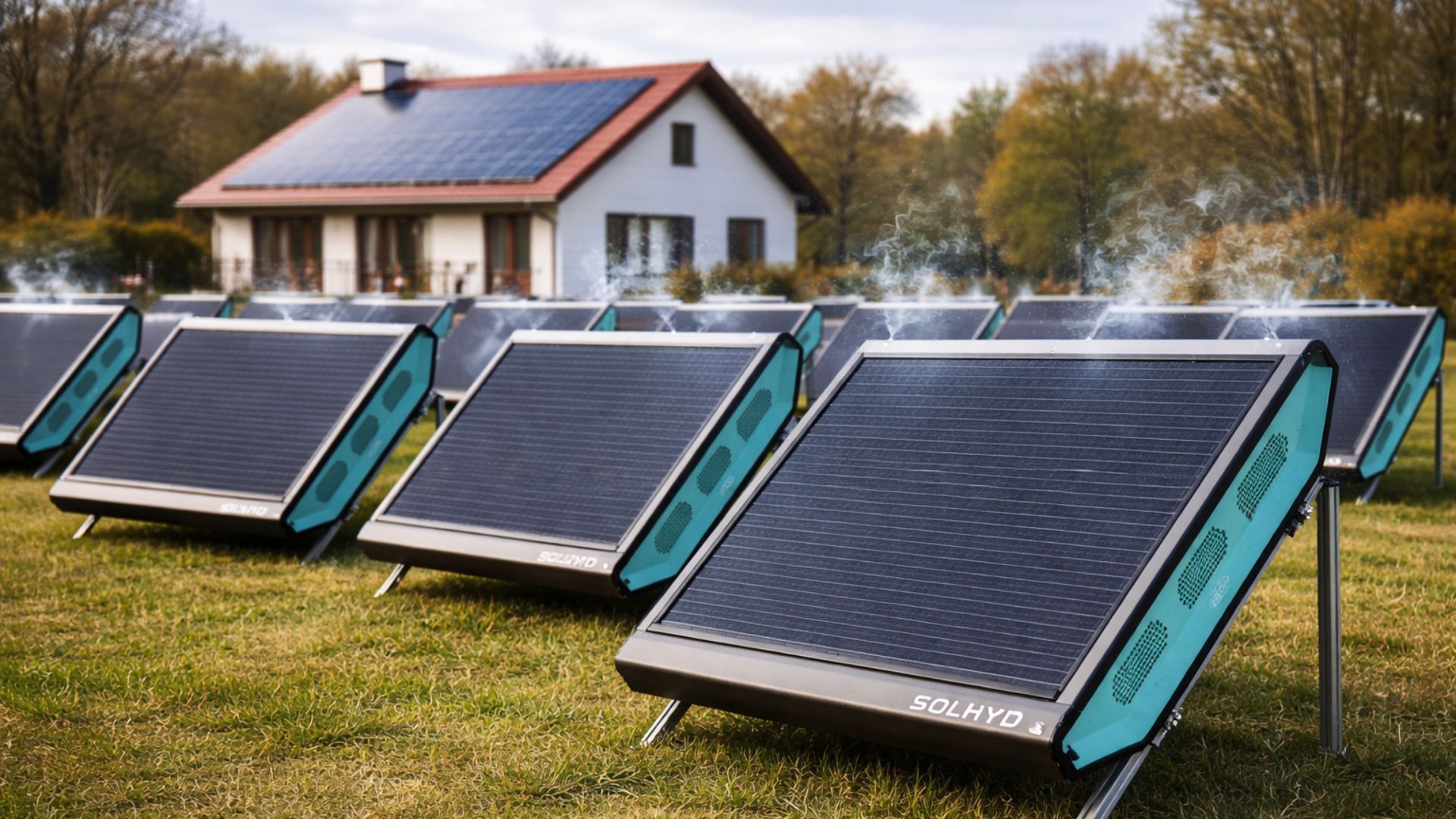
Green hydrogen at home: Belgium launches new technology that makes solar panels produce fuel from the moisture in the air, which could boost the energy transition.
-
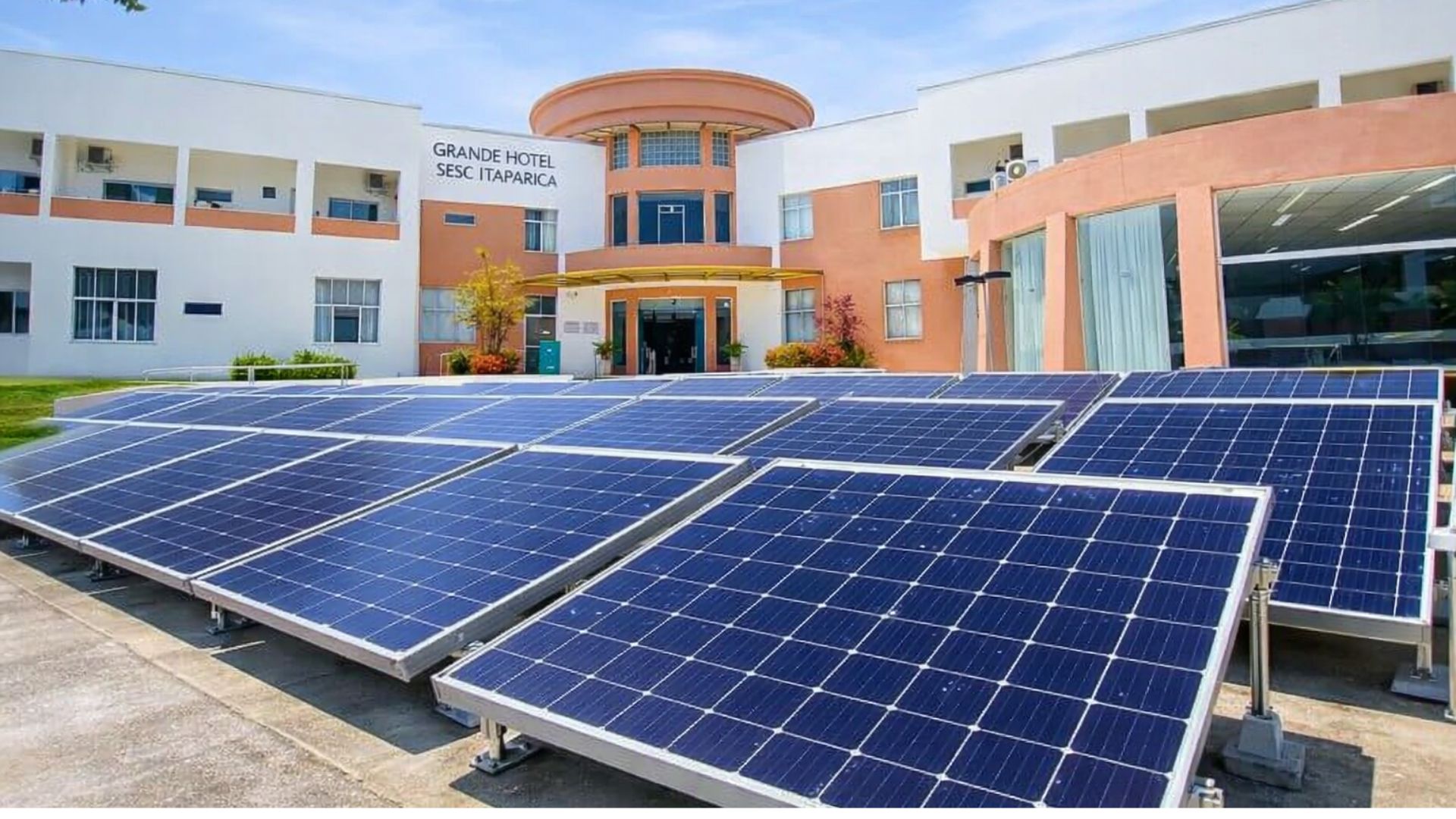
Sesc-BA bets on renewable energy with the support of EDP and drives the energy transition with a direct impact on cost reduction and the sustainability of its operations in Bahia.
-
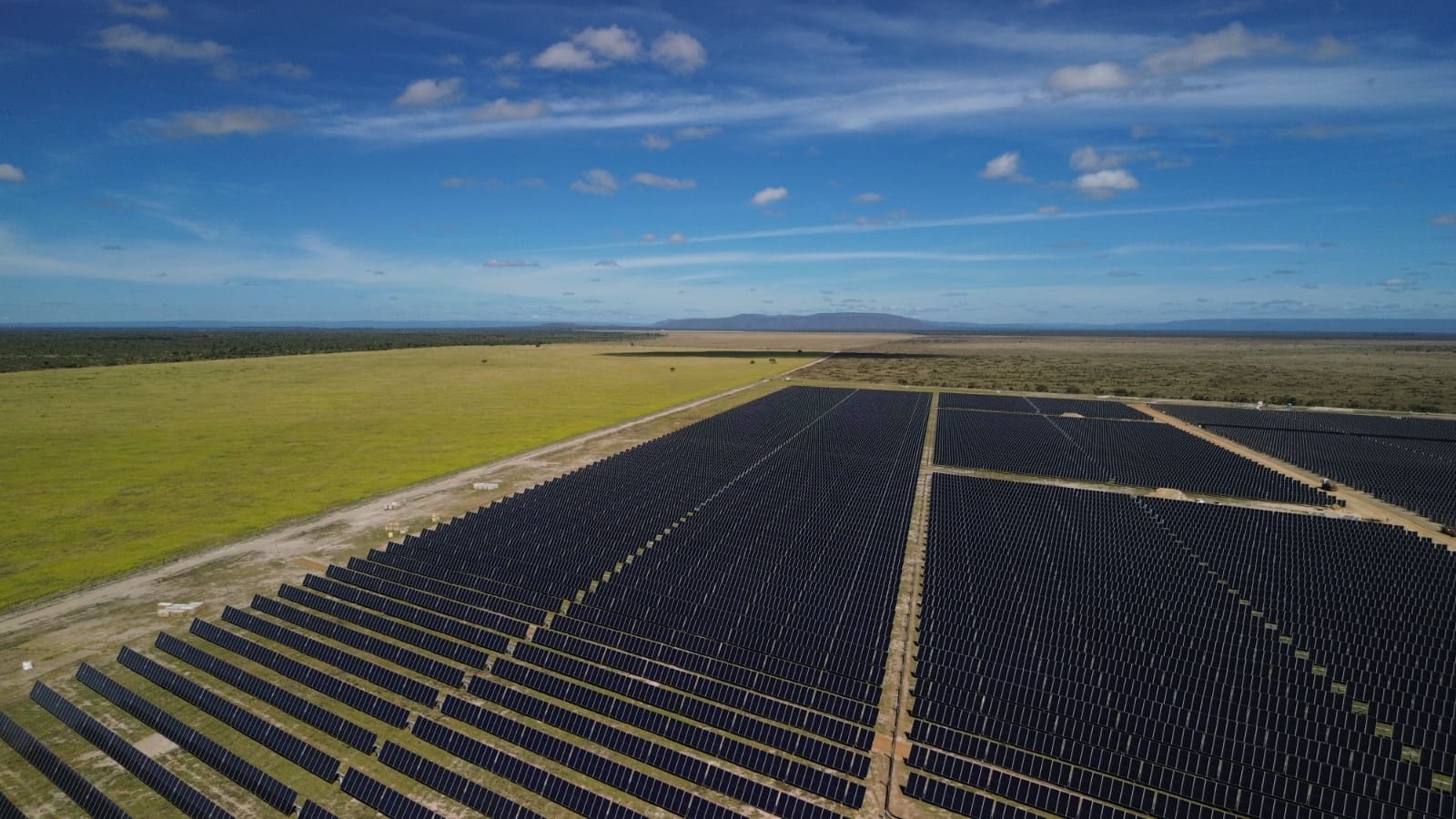
Technology giant breaks global sustainability records: How Amazon’s leadership in renewable energy procurement transformed the global energy market in the past year.


Initial Challenges Faced by Uruguay
Journalist Luis Prats, from El País in Montevideo, recalls the difficulties faced by the population a few decades ago. “For over 50 years, our energy came from just two small reservoirs and one thermal power plant,” he says.
“Whenever there was a drought in the Rio Negro, we suffered from blackouts and electricity restrictions.” These challenges highlighted the urgent need for a safer and more sustainable system.
According to the World Resources Institute, in 2007, fossil fuels represented over 30% of Uruguay’s energy matrix.
How could this number be reduced to just 2% in less than two decades? The answer lay in investing in renewable energy, focusing on wind energy.
Investment in Wind Energy
The change began in 2008, when Uruguay was experiencing rapid economic growth, but the energy supply was not keeping up with demand.
The result? More blackouts and higher electricity bills. Professor Ramón Méndez Galain, the architect of the country’s new energy model, saw the crisis as an opportunity.
Appointed as the national director of energy, he developed a strategy to reduce dependence on fossil fuels and explore the country’s wind potential.
With vast sparsely populated rural areas, the country installed hundreds of wind turbines, turning fields into true clean energy power plants.
Public-Private Partnership Was Key
Inspired by the model adopted by Brazil, Méndez Galain proposed a public-private partnership model. Private companies were responsible for installing the turbines, while the state-owned UTE was in charge of distribution.
To attract investors, UTE committed to buying all the energy generated for 20 years at fixed prices, ensuring security for businesses.
The strategy worked. Today, nearly 700 wind turbines are spread across the country. Montevideo resident Alda Novell celebrates the results: “Electricity bills have become cheaper.”
Since 2010, blackouts have become rare, and the country has reduced spending on fossil fuel imports.
Positive Economic and Environmental Impact
The transition to renewable energy brought numerous benefits. In addition to reducing costs for consumers and businesses, the shift created jobs and helped the economy grow sustainably.
Pragma Industries, specializing in renewable technologies, highlighted the Uruguayan model as a global reference. “The partnership between the government and private companies was essential for the success of this transformation,” a spokesperson for the company stated.
Next Steps for the Energy Future
Although it has already achieved 98% renewable electricity, Uruguay does not want to stop there. The country continues to invest in solar energy and seek storage solutions to ensure stable supply.
As Luis Prats highlights, “The difference is everywhere — from the turbines spread across the countryside to the reliable energy supply we use in our daily lives.”
Uruguay’s experience shows that it is possible to transform the energy matrix with planning, strategic partnerships, and commitment to sustainability.
With a focus on wind energy, the country has managed to ensure cleaner, more reliable, and accessible electricity for all. The Uruguayan example serves as an inspiration for other countries seeking a more sustainable energy future.
With information from Yale.









Aqui estão fazendo o caminho inverso. Estão doando bilhões de reais aos AMIGOS DO REI, aqueles lá de Goiás, para adquirir usina termoelétrica. Também pensam em ressuscitar USINAS A CARVÃO no RGS, gastando bilhões de reais, apenas para preservar empregos. Tudo financiado a juro zero, com os dinheiro saqueado do contribuinte. Cadê nosso deputado ? Só aparece na véspera da eleição ?