





 Portuguese
  English
  Spanish
  5 min of reading
  42 comments




Understand The Impacts Of A Surge In The Dollar On The Brazilian Economy
A significant rise in the dollar can trigger a series of economic and social impacts in Brazil. As the Brazilian economy is strongly connected to the international market, a surge in the US currency would affect everything from the cost of living for the population to the performance of key sectors of the economy.
With the dollar hitting historical records in 2024, according to the Central Bank and financial market experts, concerns are only growing. But what could happen if the dollar rises even more?


Inflation: The First Reflex Of The Dollar Increase
The dollar is a crucial currency for international transactions and for the exchange of many products we consume. When its price rises, the cost of importing products, such as food, fuels, and electronics, also increases. In recent months, the devaluation of the Real and the dollar’s increase have contributed to the accumulated inflation reaching concerning levels. Learn more about the impact of the Real’s devaluation.
-
Larger than entire cities in Brazil: BYD is building a 4.6 km² complex in Bahia with a capacity for 600,000 vehicles per year, but the discovery of 163 workers in conditions analogous to slavery has shaken the entire project.

-
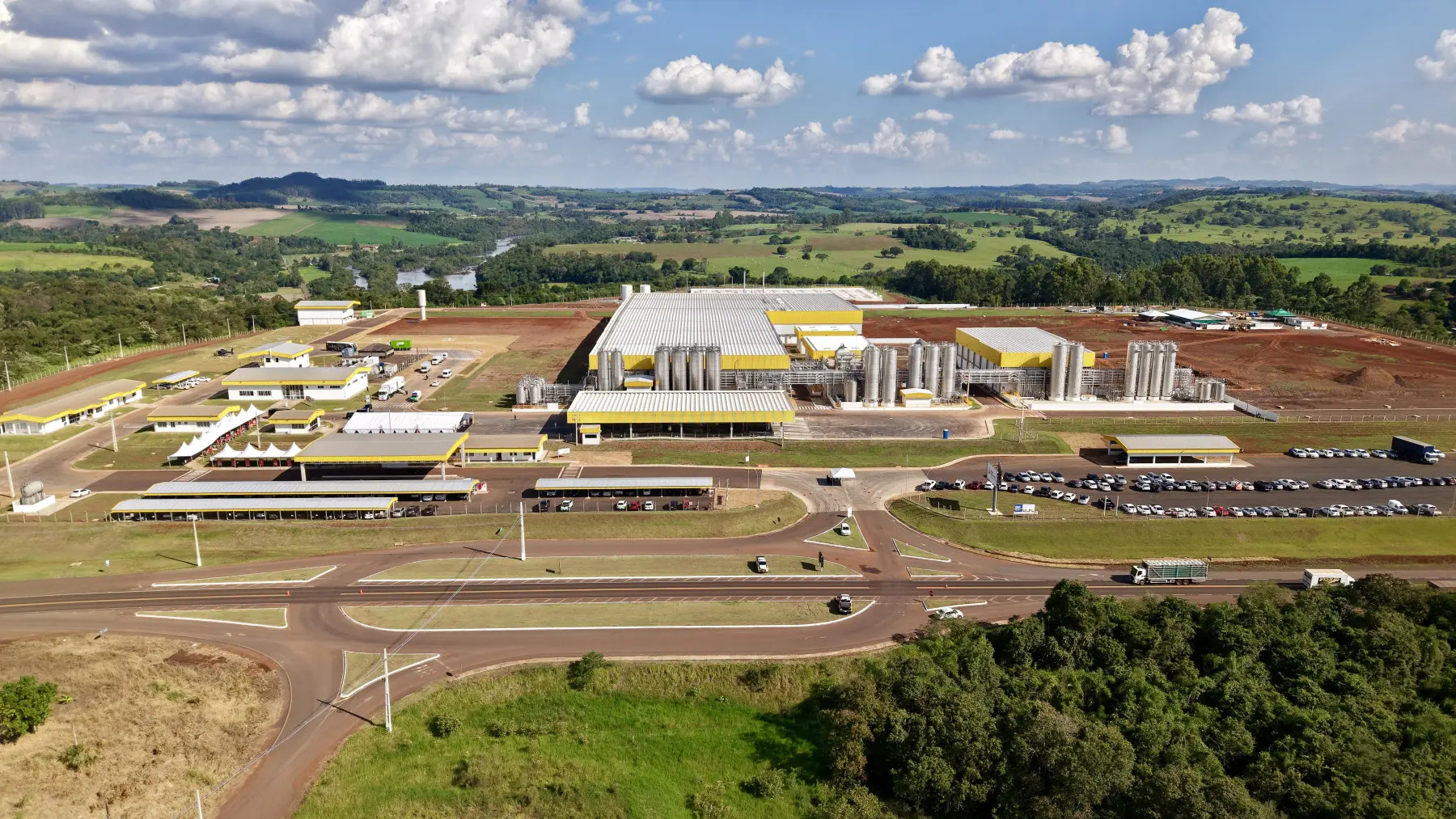
With an investment of R$ 612 million, a capacity to process 1.2 million liters of milk per day, Piracanjuba inaugurates a mega cheese factory that increases national production, reduces dependence on imports, and repositions Brazil on the global dairy map.
-
Brazilian city gains industrial hub for 85 companies that is equivalent to 55 football fields.

-
Peugeot and Citroën factory in Argentina cuts production by half and opens a layoff program for more than 2,000 employees after Brazil drastically reduced purchases of Argentine vehicles.

This increase in cost ends up being passed on to consumers, raising inflation and directly affecting the purchasing power of families. According to IBGE, the rise in fuel prices has already caused significant increases in transportation and food prices. The inflationary pressure compromises family budgets, especially for lower-income classes, exacerbating the problem of hunger and food insecurity, which affect millions of Brazilians.
Devaluation Of The Real And Loss Of Confidence
An exacerbated rise in the dollar also indicates a devaluation of the Real, reflecting a lack of confidence from investors in the Brazilian economy. This situation was reinforced by reports from the Wall Street Journal and Bloomberg, which highlighted the flight of foreign capital from the country amid signs of political and economic instability.
The vicious cycle is clear: the flight of capital increases the pressure on the exchange rate, and the Real devalues even further. To try to contain this situation, the Central Bank has been intervening in the market, burning through international reserves and raising interest rates. However, these measures have not been sufficient to stabilize the exchange rate or restore market confidence. Check out how the Central Bank has dealt with this crisis.
Hunger And Unemployment On The Rise
The rise of the dollar intensifies social problems such as hunger and unemployment. Basic products such as rice, beans, and cooking oil are among the items most affected by inflation, making them inaccessible for many families. According to the UN, Brazil has been eliminating hunger from its map in 2023, but the scenario could reverse if the currency devaluation continues in 2024.
Moreover, sectors that depend on imported inputs, such as industry and construction, face difficulties in maintaining costs. Companies, especially small and medium-sized ones, are forced to reduce production or lay off employees, raising unemployment rates and further precarizing the job market. Learn more about the impact of public spending and super salaries on the economy.
Impacts On Internal And External Markets
The rise in the dollar also directly affects the productive sector and Brazil’s trade relations with other countries. Companies that rely on imports to produce face higher costs, which reduces their competitiveness both in the domestic and foreign markets.
On the other hand, agribusiness, which represents a significant portion of Brazilian exports, may benefit, as it receives payment in dollars. However, the gains in this sector are not enough to offset the losses in other segments and in the quality of life of the population.
Political And Social Consequences
The surge in the dollar would also have significant political consequences. Governments could be pressured to implement emergency measures, often unpopular, such as cuts in social programs or tax increases. These decisions can deepen public discontent and increase political instability. Check out predictions for the Brazilian economy in 2025.
On the social aspect, the increase in hunger, unemployment, and inequality would create an environment of growing tension, making governance difficult and further damaging Brazil’s image abroad. The lack of trust in the government also affects diplomatic and trade relations, limiting access to financing and international partnerships.
What Can Brazil Do To Avoid This Scenario?
To minimize the impacts of a significant rise in the dollar, the government needs to implement policies that increase market confidence and stimulate economic growth. Some measures include:
- Fiscal Reforms To Reduce Public Spending And Balance The Accounts.
- Investments In Infrastructure And Education To Increase Productivity.
- Reduction Of Dependence On Imports, Stimulating Domestic Production.
- Promotion Of A Foreign Investment Agenda, Creating A More Attractive Economic Environment.
- Ensure The Independence Of The Central Bank, Allowing For A Monetary Policy Focused On Stability.
The Role Of The Population And Businesses
While the government seeks solutions, the population and businesses also need to adapt. For families, avoiding debt and prioritizing essential spending is crucial in times of high inflation. For businesses, finding alternatives to reduce costs and increase efficiency can help them navigate through turbulent times.
If The dollar Rises Too Much, Brazil Will Face Severe Challenges, Ranging From Increased Inflation To Loss Of Investor Confidence, Deepening Problems Such As Hunger, Unemployment, And Social Inequality. To Avoid This Scenario, It Is Crucial That The Government Implements Measures That Promote Economic Stability And Minimize Impacts On The Population. The Question Remains: Are We Prepared To Face A Surge In The Dollar And Its Consequences?







Tudo isso só veio a tona depois que o governo Lula resolveu não cobrar o imposto de renda dos pobres que ganham menos de 5.000,00! Já era um absurdo em todos os governos não atualizarem a tabela, e a cada ano mais cidadão entrando pelo cano! Isso é ou não um absurdo??? E os infames torcendo contra o Brasil e se dizendo patriota! Vai tudo correr bem em 2025 e a casa vai cair só para quem torce contra sua nação! O Deus verdadeiro é mais!!! E 2026 faço o L novamente pois sou livre para votar em quem eu quiser doa em quem doer! E como dizia o Zagalo… Terão que engolir o nordestino por mais 4 anos no poder! Kkkkkkkk
tempos sombrios nos esperam. Infelizmente.
No Brasil, o desemprego está na maior baixa de sempre.
Os alimentos estão agora mais baratos do que no desgoverno do excremento.
Apesar de não estarem tão baratos como queríamos, a grande maioria do Povo tem poder de compra para os comprar.
A inflação é uma operação financeira que o BC está a nso fazer.
Basta vender o dolor e começar a comprar em outra moeda (Euros), e a “inflação ” cai.