





 Portuguese
  English
  Spanish
  3 min of reading


Photovoltaic Power Plants Were Responsible for 47% of the Growth of the Electricity Grid, Producing About 330.51 MW of Energy in July
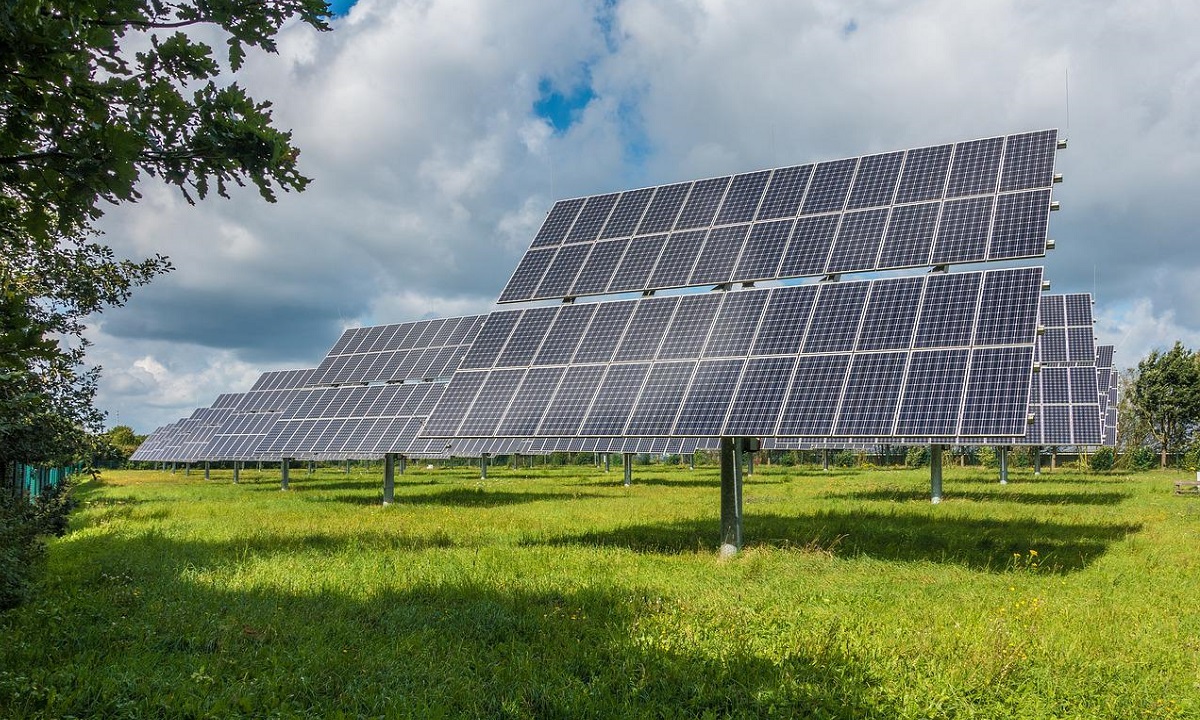
The growth in the Brazilian electricity grid validated in July of this year was approximately 708.78 MW of energy, according to data calculated by ANEEL (National Electric Energy Agency). Of this total, about half, 47%, comes from the start of operations of solar photovoltaic plants, totaling 330.51 MW.
The wind power plants, which began their operations commercially in July, account for 12 MW. The thermal power plants total 145.85 MW while the hydroelectric plants have 47.3 MW.
A hydroelectric generation plant also recorded the addition of 1 MW to the electricity matrix of the region.
-
Researchers discover a possible hydrogen deposit of up to 46 million tons beneath an ancient coal basin, and the volume could exceed half of the entire global production.

-
China bets on the Fishery-PV model and transforms fish farms into giant solar plants, covering ponds with panels that generate energy while utilizing the same space for large-scale aquaculture production.

-
Europe records strong euro economy with solar energy in March and sparks curiosity about which country leads growth that redefines the energy market and reduces costs.
-
Piauí reaches a historic milestone in energy transition: State records nearly 160,000 households powered by solar energy and leads growth in the Northeast.
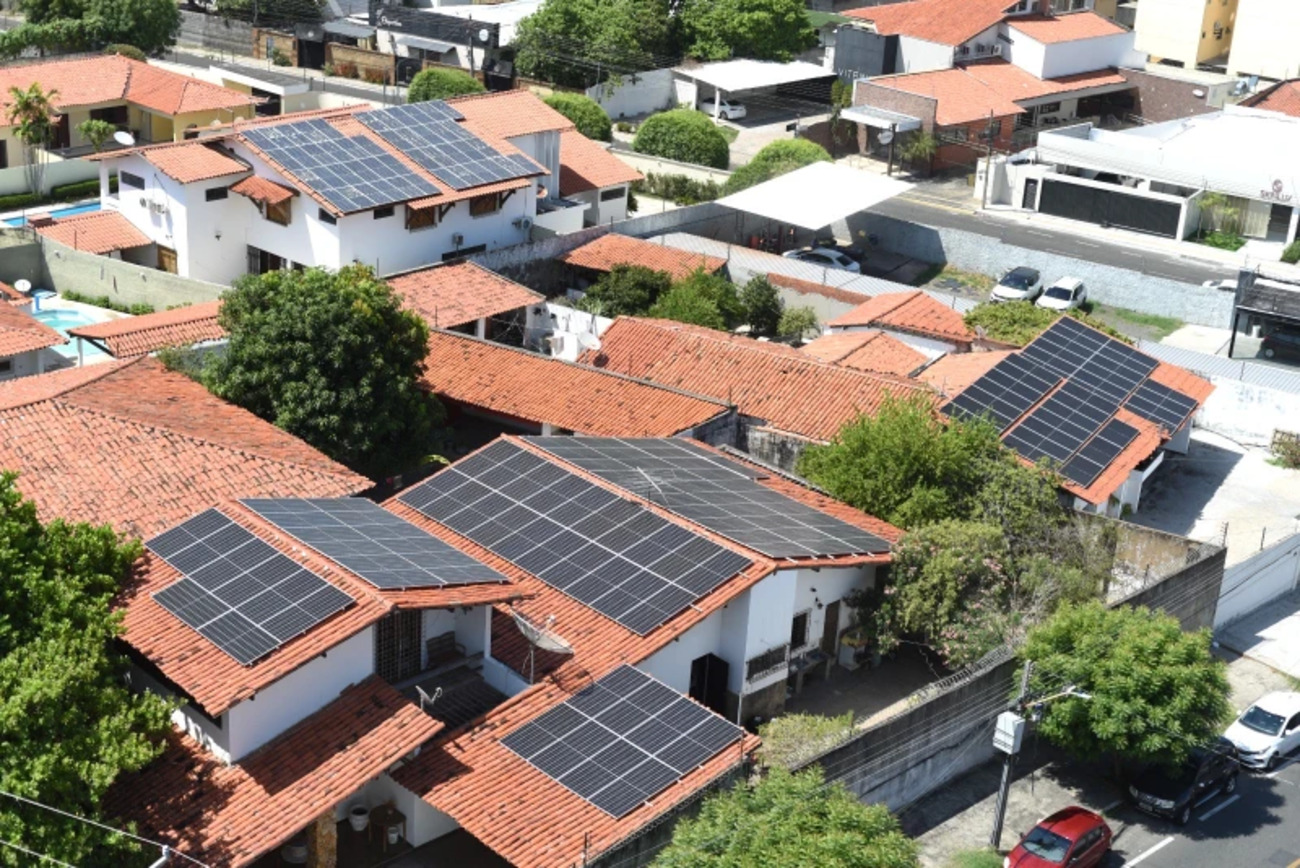

In total, the expansion of photovoltaic energy validated in 2022, up until July, was 3,124 MW, with new photovoltaic plants in 16 states across the five Brazilian regions. The states with the greatest expansion in their electric energy generation capacity are, in descending order, Bahia with 556.02 MW, Rio Grande do Norte with 521.14 MW, and Minas Gerais with 456.05 MW.
The total installed capacity in Brazil, up until June, was 184,140.5 MW of energy, of which 83.13% is driven by sources considered sustainable, having low greenhouse gas emissions.
Growth of Solar Photovoltaic Energy in the Electricity Matrix
According to information from ANEEL, due to the update of July data, the operational capacity of photovoltaic energy in Brazil is approaching the mark of 3% of participation in the Brazilian electricity matrix.
Currently, the percentage stands at 2.97%, whereas in 2016 the solar energy index was only 0.1%. By 2018, it had increased to 1.4% and by January 2022 it already represented approximately 2.4%. In total, ANEEL expects an additional 2.4 GW of solar energy to come online during the months of August and December.
By 2030, the photovoltaic source should represent at least 10% of the entire electricity matrix of Brazil, potentially even surpassing traditional hydroelectric plants, which currently represent approximately 55% of Brazil’s energy capacity, according to projections from EPE (Energy Research Company).
100% of Municipalities in Minas Gerais Have Photovoltaic Panel Installations
The state of Minas Gerais has become a leader in the state ranking of photovoltaic energy generation, reaching a record in the solar energy market. All 853 cities in the state have at least one solar photovoltaic panel. This is indicated by a survey conducted by Genyx Solax Power, based on data from ANEEL (National Electric Energy Agency).
According to the agency’s data, the region has become the leader in the state ranking of distributed photovoltaic generation with approximately 1.9 GW of power. In total, there are 176,731 installed plants.
“Anyone following the solar energy sector in Brazil is already used to seeing Minas leading in distributed generation,” reports Bruno Catta Preta, commercial director of Genyx.
“Minas Gerais alone accounts for 16.2% of all installed photovoltaic power in Brazil. Genyx, being from Minas, takes pride in having contributed so actively to achieving this milestone where 100% of the municipalities are included,” he concludes.
Brazilian Solar Energy
According to information from ANEEL and IBGE (Brazilian Institute of Geography and Statistics), of the 5,570 cities that make up Brazil, only 72 still do not have any installed photovoltaic system in their businesses, industries, and/or residences. Meanwhile, in the remaining 5,498 municipalities, the generation of energy has been established, representing 98.7% of the total.








Seja o primeiro a reagir!