





 Portuguese
  English
  Spanish
  4 min of reading
  0 comments


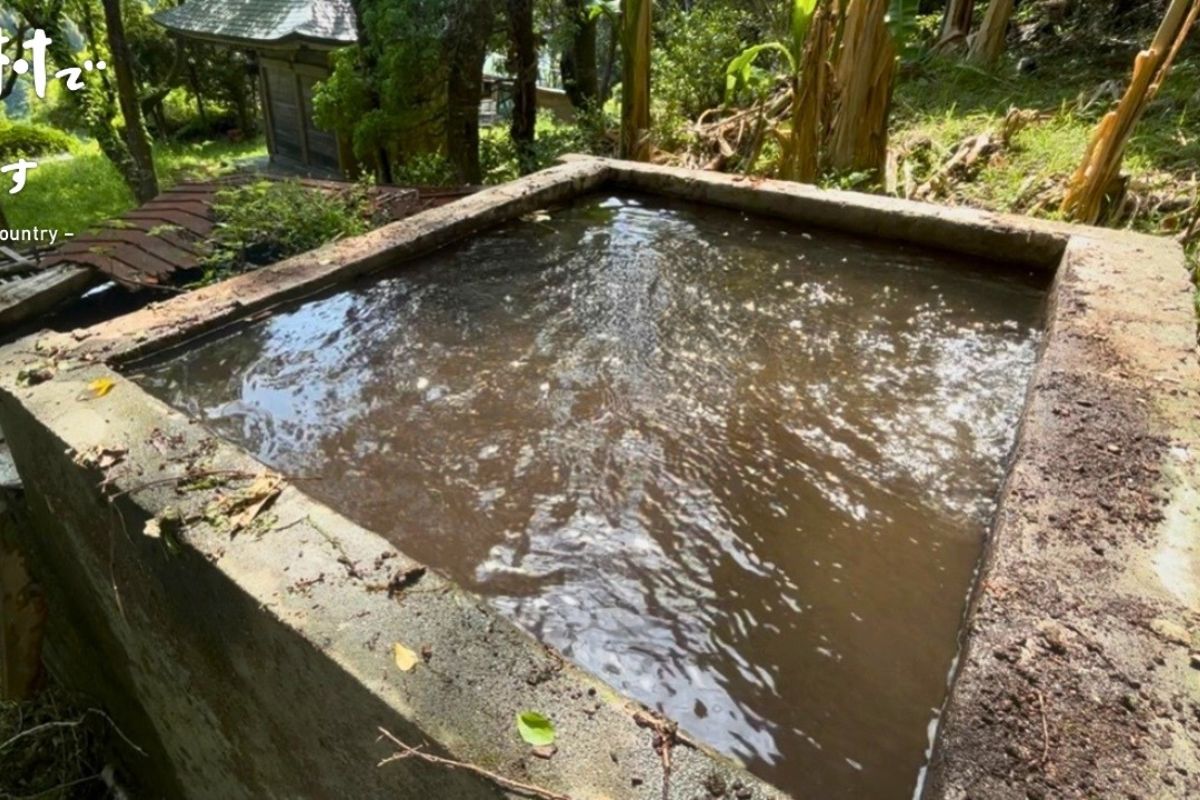
The Fountain Came Back to Life When a Family Replaced Clean Stones in the Filtration Tank, Removed Sludge, Repaired the Drain with Cement, and Reorganized Three Tanks to Separate Floating Debris. In About 30 Minutes, the Water Renewed, Became Clear Again, and Was Safe for Daily Use in the Home.
The forgotten fountain in the mountains was connected to a filtration tank that had been abandoned for decades. In the summer, the family removed all the sludge and took out the stones but left the tank without the filtration bed, just filling it with water. The result was immediate: the sludge began to accumulate again along with the water, and the system became unusable for daily use.
Now, the goal is to recover the natural filtration. To do this, the stones are cleaned and replaced in sequence, and the water’s path is reorganized by tanks, with cleaning of the walls, removal of leaves, and control of drainage. The forgotten fountain in the mountains ceases to be a forgotten spot and returns as a vital structure for the routine.
Abandoned Filtration Tank and the Sludge Problem

The starting point was recognizing that the filtration tank would not function without the stones.
-
After 377 years of history, the Brazilian Army will have its first female general: Colonel Claudia Cacho has been promoted to brigadier general by Lula and will receive the sword and command baton this Wednesday in Brasília.

-
A Mercado Livre customer opened their package and found 32 resumes of people looking for jobs crumpled as protective paper inside the box, exposing names, addresses, documents, and phone numbers of dozens of candidates.

-
Iceberg A23a, one of the largest in the world, is undergoing accelerated collapse and may disappear: what explains the end of the ice giant?

-
The simplest swap at home can reduce energy consumption by up to 90% without changing habits, using a technology that lasts up to 25 times longer and consumes only a fraction of the electricity.


By using the tank as it was, the water carried particles and the sludge settled, leaving the volume murky and unsuitable for daily tasks.
The forgotten fountain in the mountains, in practice, remained present but without the capacity to supply safely.
The solution chosen was straightforward: clean the stones and replace them to reconstruct the filtration bed.
The process begins with the removal of the sludge adhered to the stones, preventing dirt from clogging the tank again shortly after the flow resumes.
High-Pressure Cleaning of the Stones and Layered Replacement

The cleaning of the stones was done with a motorized high-pressure washer, focusing on removing sludge stuck to the surfaces.
With each batch cleaned, the stones return to the tank, and the assembly progresses in stages, without mixing dirty material with the water that is already circulating.
Next, the first tank received the larger stones until it was full.
The second tank was also filled with larger stones, repeating the same logic of filling and passing water.
With the second tank complete, the family added water and observed the behavior of the particles.
The floating debris goes to the third tank, which acts as the final separation stage before use in the home.
The logic of the set is simple: each tank reduces part of the debris load until the water reaches a cleaner state at the point of consumption.
Broken Drain, Cement Repair, and Curing Time

During the reassembly of the system, a critical point arose: the drain was broken and leaking.
The water was drained, the section was repaired with cement, and the set was left to dry for about two days.
Only after this period could the tank receive water again without leaking.
This step prevented the clean water from mixing back with dirt from the tank itself and reduced the risk of sludge returning to the circuit.
Overall, tank, stones, and drain operate as a single system, and any failure at one point compromises the rest.
Third Tank, Fallen Leaves, and Protection Against New Clogs
After the larger stones, the third tank was cleaned before receiving the complement of stones.
Fallen leaves and accumulated sludge were removed from the interior to avoid blockages, especially at the points of passage.
When the stage was finished, the family bought small stones at a hardware store and spread them on top, closing the filtration bed.
The tank also had the walls cleaned as needed.
To reduce the entry of leaves, the top was covered with a lid, creating a simple barrier against debris and reducing the chance of sludge forming again due to the accumulation of organic material.
Checking the Water Source and Renewal in 30 Minutes
With the path reorganized, the family checked the water source for the first time in a long time and removed accumulated leaves at the entry point.
Then, they connected the water inlet from the house, drained the dirty water, and waited for the volume to renew.
After about 30 minutes, the water renewed and became clean.
The forgotten fountain in the mountains now resumes delivering water in usable condition for daily supply, with the filtration tank operating again with stones.
System Maintenance and Residual Water Tank
In addition to the main circuit, the residual water tank was cleaned.
Fallen leaves were accumulating there and frequently clogging the outlet, preventing drainage.
By removing leaves and dirt, the expectation is to reduce how often the residual water stops flowing out.
With the tank filtered less murky and the residual tank unobstructed, the family reports that they can use the water more safely for everyday tasks, including to clean the neighbor’s grave.
With winter almost arriving, the next planned step is to install a wood stove, after stabilizing the supply.
The forgotten fountain in the mountains regains practical function when tank, stones, sludge, and water are treated as parts of the same circuit, with cleaning, repairs, and leaf prevention. If you depended on this water daily, which step would you take first? Leave a comment.









-

-

-

-

-

-

227 pessoas reagiram a isso.