





 English
  Francês
  Alemão
  Italiano
  Japonês
  Norueguês
  Portuguese
  Spanish
  5 min of reading
  0 comments


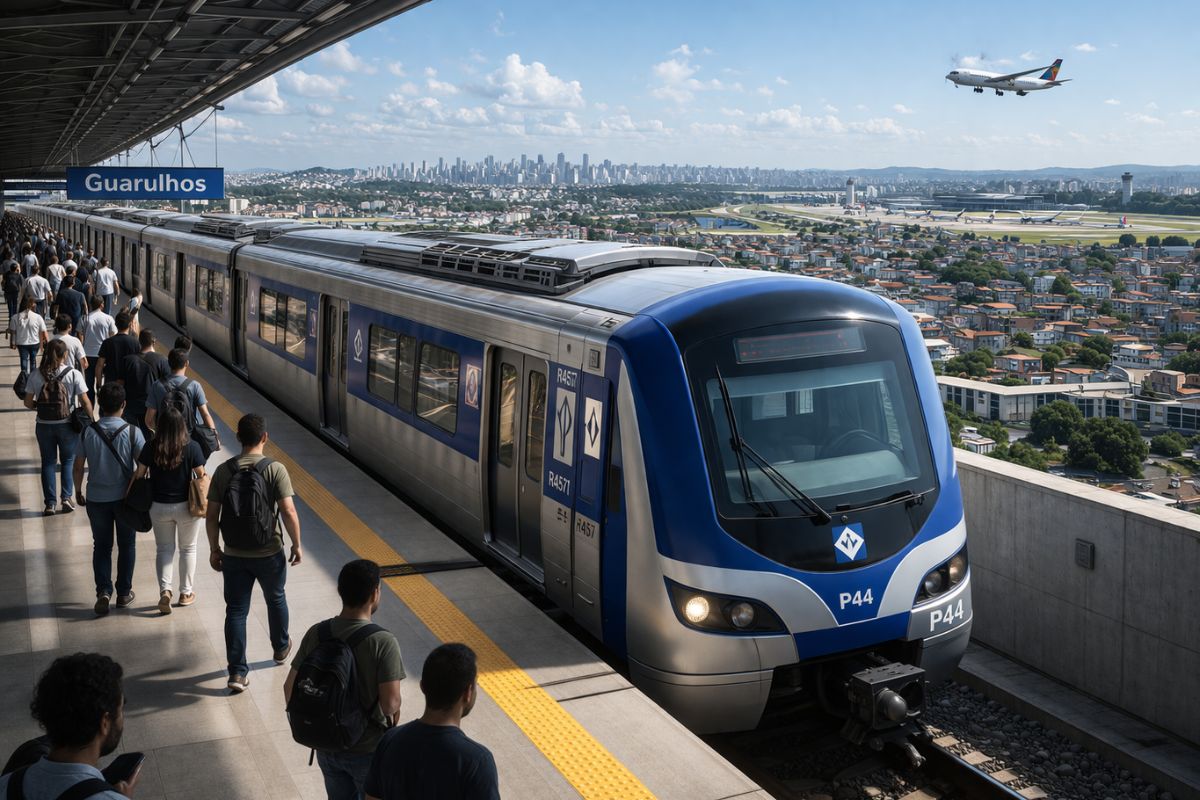
CETESB authorized the start of construction of the future Dutra station, of the Line 2-Green of the São Paulo Metro, which will be the first station outside the municipality of the capital. Scheduled for 2032, the station in Guarulhos is expected to benefit nearly 90 thousand passengers and create a strategic connection with the future Line 19-Celeste.
The São Paulo Metro is about to cross a historic boundary. The Environmental Company of the State of São Paulo, CETESB, authorized on Monday, March 23, the start of construction of the future Dutra station, belonging to Line 2-Green. Scheduled for 2032, the station will be the first of the São Paulo Metro located outside the administrative limits of the capital, in the territory of Guarulhos, the second largest city in the state with 1,291,771 inhabitants.
The estimate is that nearly 90 thousand passengers will benefit from the new structure. The expansion of Line 2-Green will be divided into two phases: the first goes to the Penha station, in the East Zone of the capital, and the second goes to Guarulhos. In the future, the Dutra station is also expected to connect to Line 19-Celeste, creating a strategic link between the center of São Paulo and the center of Guarulhos. For the São Paulo Metro, this is the most ambitious step since the system’s inauguration in 1974.
What is the Dutra station and why is it historic for the São Paulo Metro

The Dutra station will be built in Guarulhos, along the Presidente Dutra Highway, and will belong to the Line 2-Green of the São Paulo Metro. It will be the first time that the São Paulo metro system crosses the administrative limits of the capital, reaching a neighboring municipality.
-
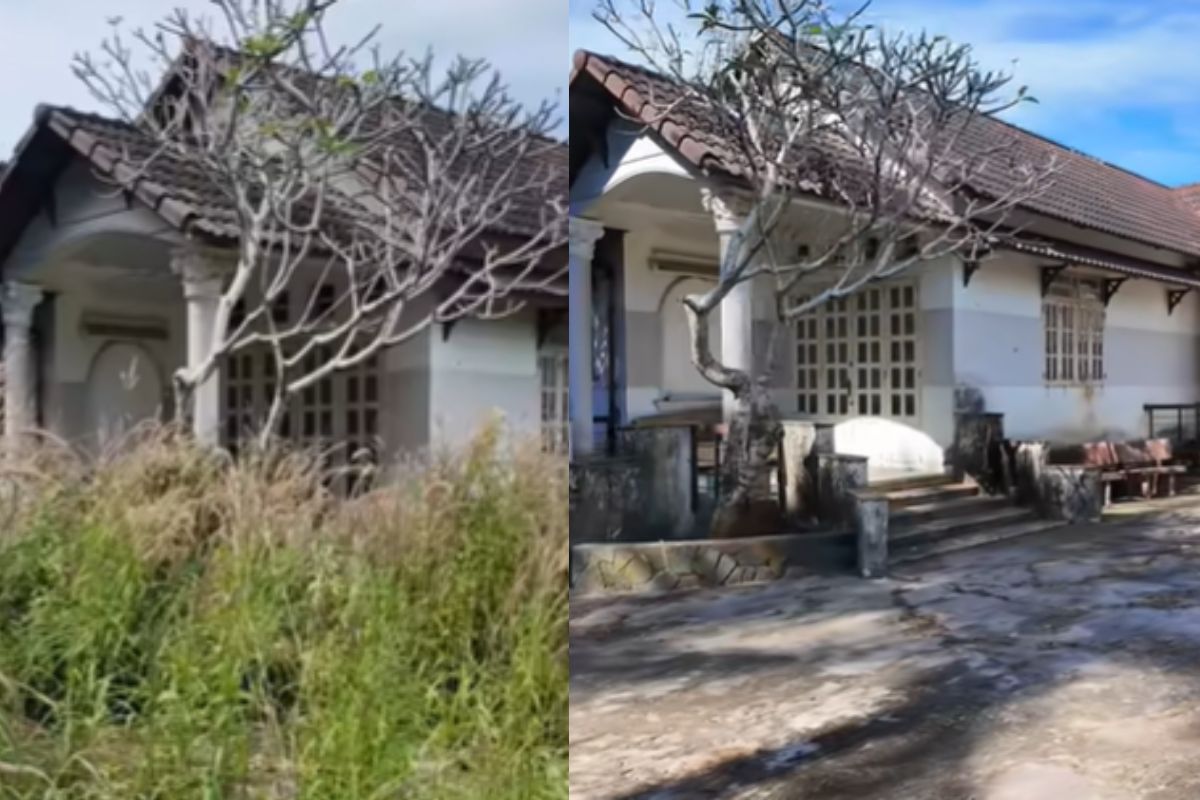
Abandoned house for 15 years disappears in the woods, shocks owner with unrecognizable scenery and is reborn in an intense transformation after almost 90 hours of work in just 10 days.
-
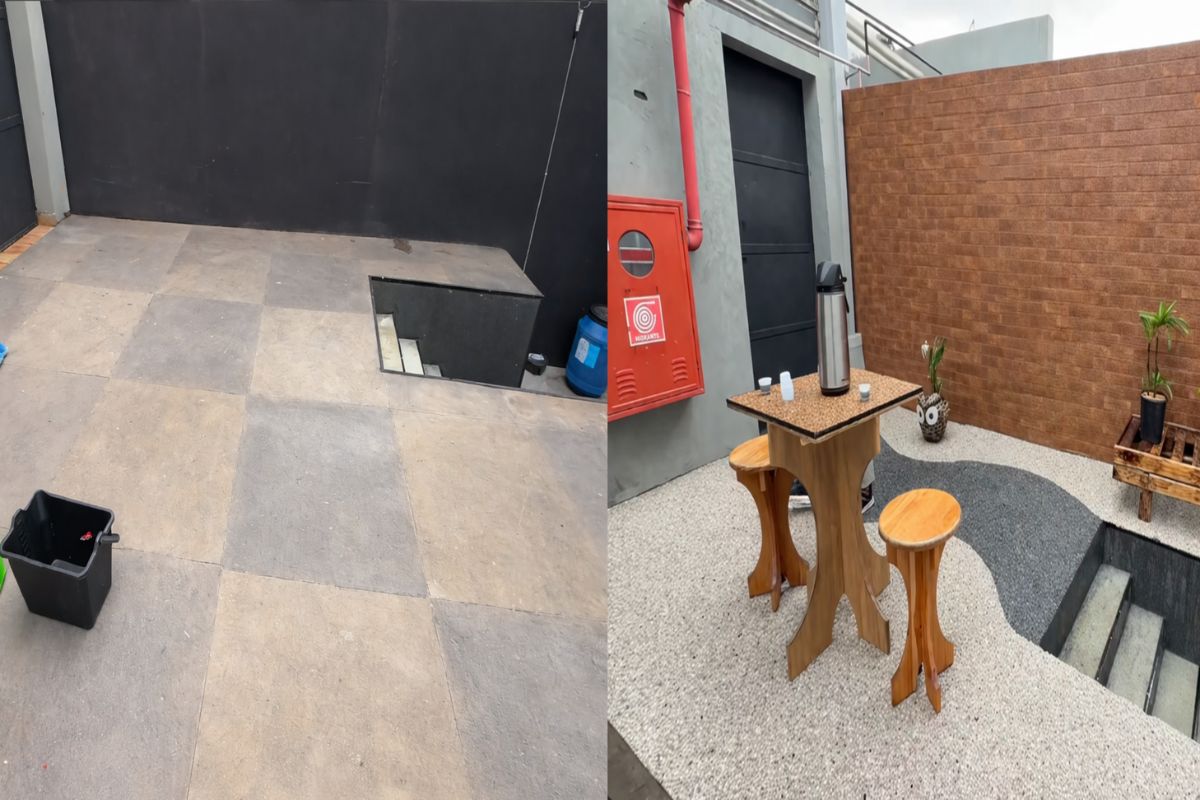
In just three hours, a natural stone floor transforms the entrance of the house with an organic effect, immediate drainage, and a sophisticated non-slip finish that doesn’t puddle water, dries quickly, and impresses with the final result.
-
‘Interlocking brick’ made of earth arrives in the construction industry with cost reductions of up to 40% on the project.
-
Espírito Santo will receive the largest engineering project in its history with the duplication of BR 262, which will have 50 viaducts, 28 bridges, and 2-kilometer tunnels cutting through the most challenging mountainous region of the entire state.

Until now, all stations of the São Paulo Metro were confined within the territory of the city of São Paulo, despite the metropolitan region housing more than 21 million inhabitants distributed across 39 municipalities.
The new station will have 34 thousand square meters, three access points from the road, four levels, and two platforms. The project also includes 18 turnstile gates, ten elevators, escalators, and fixed stairs.
The structure has been designed to accommodate the estimated passenger volume and allow future integration with Line 19-Celeste, which will connect the center of São Paulo to the center of Guarulhos when it comes to fruition.
The two phases of the expansion of Line 2-Green to Guarulhos
The arrival of the São Paulo Metro in Guarulhos will not happen all at once. The expansion of Line 2-Green is divided into two distinct phases.
The first phase takes the line to the Penha station, in the East Zone of the capital, expanding the system’s coverage in one of the most populous and underserved areas for rail transport in São Paulo. This phase already represents a significant gain for residents of the far east.
The second phase extends the line beyond Penha towards Guarulhos, culminating at the Dutra station.
It is in this phase that the São Paulo Metro crosses the municipal boundary for the first time and begins to serve a population that currently relies almost exclusively on buses and cars to travel to the capital. The expected completion of this second phase is 2032, according to the schedule authorized by CETESB.
The impact for Guarulhos: 90 thousand passengers and connection with Line 19-Celeste
Guarulhos is the second largest city in the state of São Paulo and has nearly 1.3 million inhabitants. Despite its demographic and economic importance, the municipality has never had direct access to the metro system of the capital.
The Dutra station promises to change this scenario, benefiting nearly 90 thousand passengers who currently face long bus commutes between the two cities. The integration with the São Paulo Metro is expected to reduce travel time and relieve pressure on the Dutra and Fernão Dias highways, which concentrate a large part of the traffic between São Paulo and Guarulhos.
Additionally, the Dutra station has been designed to function as a connection point with the future Line 19-Celeste. This line, which has not yet been realized, aims to connect the center of São Paulo to the center of Guarulhos, creating a transport corridor that would serve one of the densest regions of the metropolitan area.
If realized, the combination of the two lines would transform the mobility of hundreds of thousands of people who travel daily between the two municipalities.
Other expansion fronts of the São Paulo Metro in the metropolitan area
The Dutra station in Guarulhos is not the only expansion front of the metro system in Greater São Paulo.
The concessionaire responsible for the operation of Line 4-Yellow began on Tuesday, March 24, the excavation of the future station in Taboão da Serra, another municipality in the metropolitan area that until now did not have direct access to the metro. This work expands the rail transport network beyond the traditional limits of the capital.
Together, the expansions of Line 2-Green to Guarulhos and Line 4-Yellow to Taboão da Serra signal a paradigm shift for the São Paulo Metro.
For the first time, the metro system is beginning to truly expand into the metropolitan area, serving municipalities that concentrate millions of residents and generate enormous daily demands for travel towards the capital. For urban mobility advocates, this movement comes decades late, but it is a step in the right direction.
What is needed for the Dutra station to become a reality by 2032
The authorization from CETESB is an important milestone, but it is just the beginning. Between the environmental authorization and the delivery of the station to the public, there is a long path of excavation, construction, system installation, and operational testing.
The deadline of 2032 is ambitious considering the history of delays in infrastructure projects in Brazil, and the São Paulo Metro will need to keep the schedule under constant surveillance to fulfill the promise.
In addition to the timeline, there is the budget issue. Metro construction is among the most expensive in urban infrastructure, and the expansion to Guarulhos involves technical challenges such as crossing densely urbanized areas.
Still, the prospect of connecting the two largest cities in the state by metro is an advancement that Guarulhos and the São Paulo Metro have been hoping for decades. If everything goes as planned, 2032 will mark the year when the São Paulo metro system will cease to be exclusively municipal and finally become metropolitan.
What do you think about this expansion?







Seja o primeiro a reagir!