





 Portuguese
  English
  Spanish
  4 min of reading



Proven Oil Reserves in Brazil Increase by 11% in 2021. Replacement Index for the Year Was 227%
In 2021, there was an 11% increase in proven oil reserves (1P), according to the Annual Bulletin of Resources and Reserves (BAR) published on March 31 by ANP. There was also a 14.3% increase in the volume of the sum of proven and probable reserves (2P) and a 19.8% increase in the sum of proven, probable, and possible reserves (3P) compared to 2020 data.
Companies contracted for exploration and production in Brazil declared 13.24 billion barrels of proven oil reserves (1P), 19.95 billion barrels of proven + probable reserves (2P), and 24.24 billion barrels of proven + probable + possible reserves (3P). In the Pre-salt, there was a 15.7% increase in proven reserves compared to 2020, totaling 9.621 billion barrels.
In the case of natural gas, 378.65 billion cubic meters of proven reserves (1P), 491.92 billion m³ of proven + probable reserves (2P), and 560.40 billion m³ of proven + probable + possible reserves (3P) were declared, corresponding to increases of 11.7%, 20.3%, and 24.0%, respectively, compared to 2020.
-
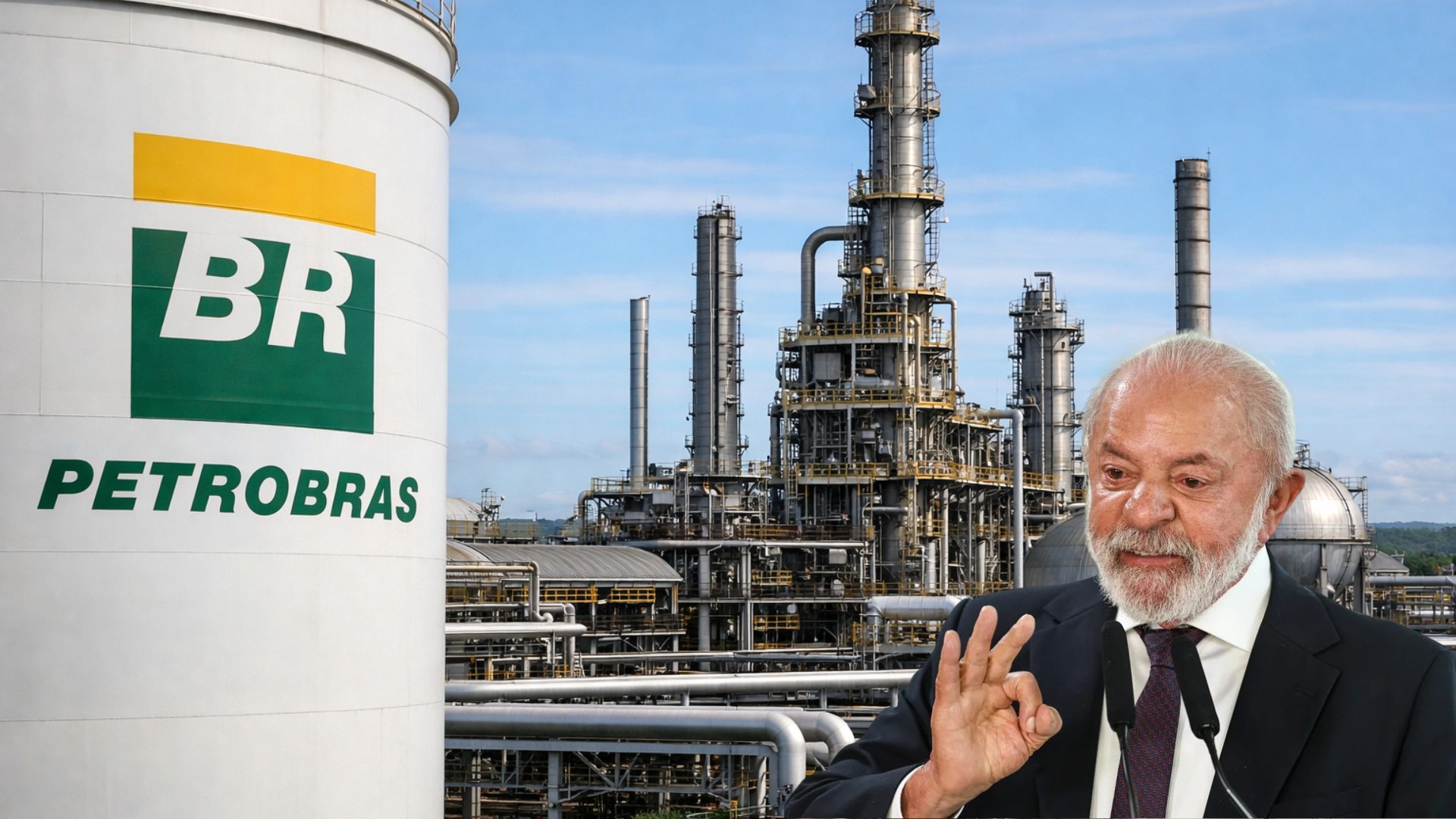
Lula reveals a masterstroke by Petrobras to undo a deal made by Bolsonaro, which involves the return of an important refinery that currently produces less than half of what was expected and makes Brazil dependent on international diesel.
-
A study confirms that the natural gas sector will reduce greenhouse gas emissions in Brazil by 0.5% and accelerate the energy transition by 2026.

-
Petrobras implements a severe adjustment and confirms a 55% increase in the price of aviation kerosene with a proposal for installment payments for the companies.

-
The rise in oil prices could ensure an extra revenue of R$ 100 billion for the Federal Government, indicates a recent economic study.


Overall, the changes in the volume of Brazilian oil and natural gas reserves are due to production carried out during the year, additional reserves from new development projects, declarations of commerciality, and revisions of field reserves due to various technical and economic factors. This year, the highlight was the inclusion of volumes related to the Excess from the Cessão Onerosa of the Búzios and Itapu fields.
Replacement of Reserves
The replacement index of proven oil reserves (IRR 2021/2020) was 227%, representing about 2.337 billion barrels in new reserves. The replacement index indicates the relationship between the volume appropriated and the volume produced in the period considered, meaning that for every barrel of oil produced, another 2.27 barrels were appropriated.
What Are Proven, Probable, and Possible Oil Reserves
Proven reserves correspond to the amount of oil or natural gas that the analysis of geoscience and engineering data indicates with reasonable certainty as commercially recoverable, on the reference date of the Annual Bulletin of Resources and Reserves. When probabilistic methods are used, the probability that the recovered quantity is equal to or greater than the estimate should be at least 90%.
In the case of probable reserves, the probability that the recovered quantity is equal to or greater than the sum of the estimates of proven and probable reserves should be at least 50%. For possible reserves, the probability that the recovered quantity is greater than or equal to the sum of the estimates of proven, probable, and possible reserves should be at least 10%. (Source: ANP Resolution No. 47, dated 3/9/2014).
What Is the BAR
The Annual Bulletin of Resources and Reserves (BAR) provides consolidated information on Brazil’s oil and natural gas reserves declared in 2021. The publication presents reserve data by federative unit, the proportion of proven, possible, and probable reserves by basin, the cumulative production by basin and state, and the recovered fraction (total cumulative production divided by the volume of resources in place, that is, the total volume of oil in reservoirs) by basin.
Since last year, it has also been possible to consult this information on the Dynamic Panel of Hydrocarbon Resources and Reserves, which also features an interactive map showing the location of reserves and the allocation of proven reserves between mature and non-mature fields. It is also possible to break down cumulative production by geological location and contractual regime and consult annual variation.
The operating companies of the producing fields must inform ANP annually, by January 31, of the volumes of oil and natural gas reserves relating to the previous year. The information contained in the Annual Bulletin of Resources and Reserves must be in accordance with the Development Plan and other plans and programs submitted to ANP. ANP Resolution No. 47/2014 establishes the guidelines for the preparation of the BAR, through the Technical Regulations for Estimating Oil and Natural Gas Resources and Reserves (RTR).
- Link to the Annual Bulletin of Resources and Reserves.
- Link to the Dynamic Panel of Resources and Reserves








Seja o primeiro a reagir!