





 Portuguese
  English
  Spanish
  4 min of reading
  0 comments


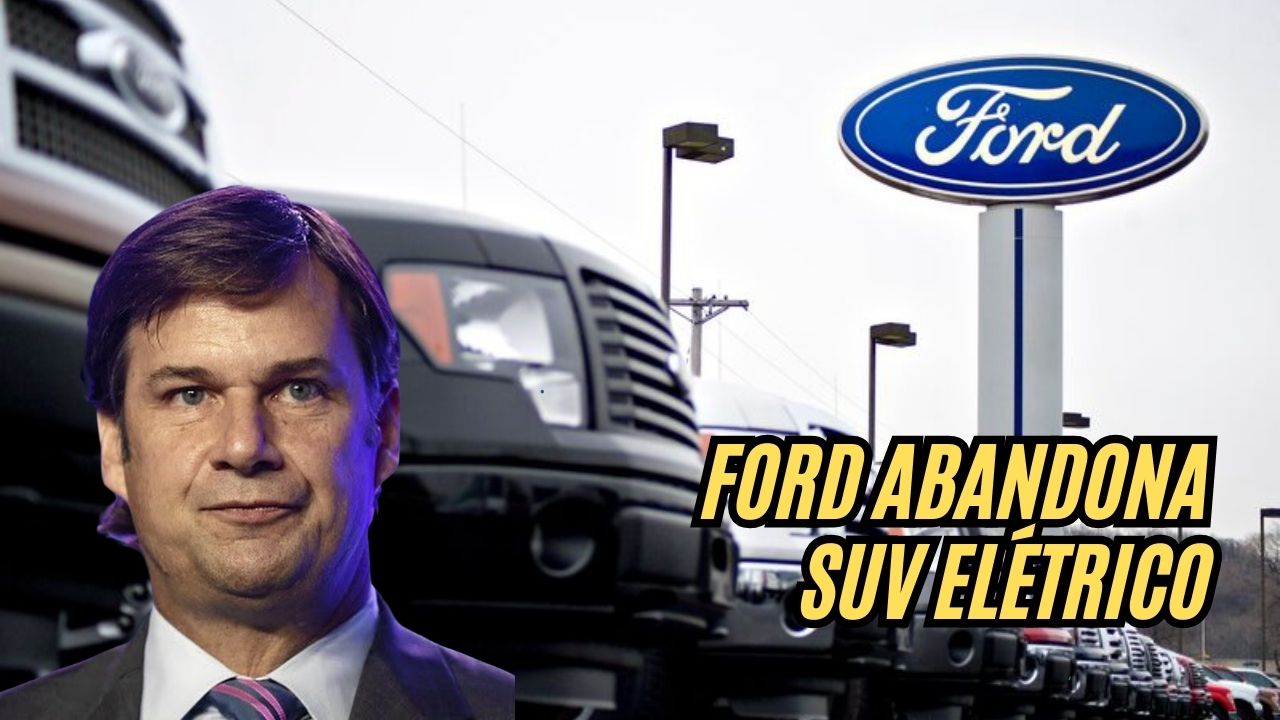
Ford Surprised By Cancelling A Billion-Dollar Electric SUV Project And Shifting Direction, Signaling A Bet On Hybrids To Face The Electric Vehicle Market Challenges.
Ford has just made a decision that has shaken the automotive market, creating a big stir in the industry. The giant announced the cancellation of an electric SUV project that was in development, an investment of nearly US$ 2 billion.
This model, which would be a true bet for Ford to compete with brands like Kia and Volvo, raised many questions about the future of electrification. After all, are we witnessing the end of the electric vehicle era, or the beginning of a new phase? Let’s understand what motivated this decision and the impact it may have on the future of the industry.
The Ford Case And The Surprising Decision
Recently, Ford surprised the market by announcing the cancellation of an electric SUV with three rows of seats that was in advanced development. This model represented a significant step for the automaker in the electric vehicle market, with an investment of about US$ 2 billion. But why did Ford decide to abandon such a promising project?
-
5 cheapest used cars than a Honda CG 160 Titan 0 km, with options starting at R$ 13,000 for those who want to trade their motorcycle for a car and escape the rain, sun, and risks of riding.

-
Around R$ 24,000: 4 used Ford SUVs with up to 253 hp, V6 engine, all-wheel drive, 7 airbags, panoramic sunroof, and a complete package that surprises with its price and performance in Brazil.
-
A brand new car starts at around R$ 75,000 in Brazil, but what stands out the most is seeing streets filled with SUVs and expensive sedans in a country where millions remain in debt.

-
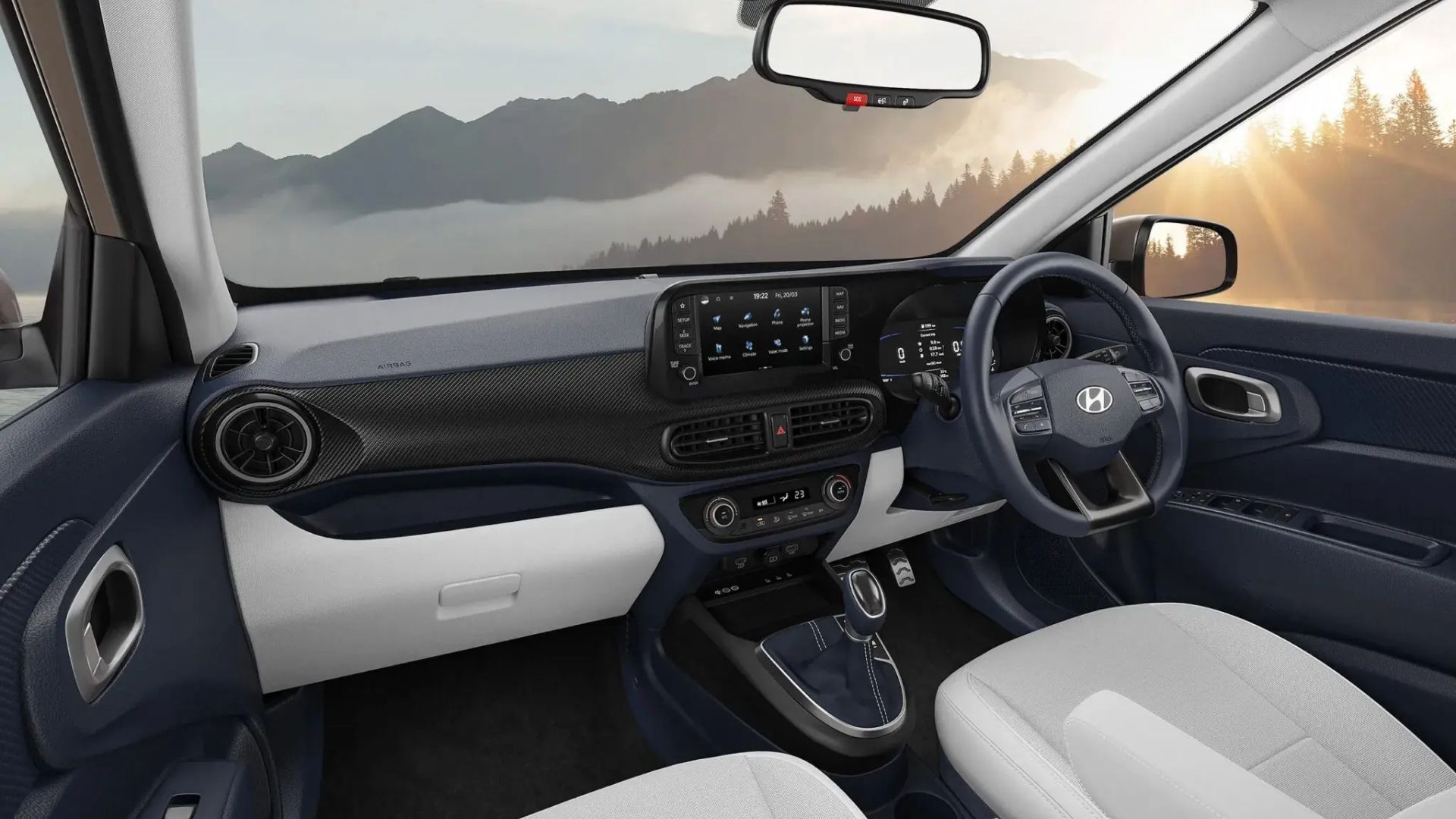
For R$ 32,000, a brand new Hyundai car is a rival to the Kwid with a 1.2 engine producing 82 hp, 6 airbags as standard, multimedia with wireless Android Auto, up to 391 liters in the trunk, and a refreshed look for 2026 in India.

The answer seems to lie in the economic and financial challenges posed by the production of electric vehicles. The cost of developing and producing electric models has proven to be higher than expected, making financial returns difficult.
Moreover, competition in the electric market has intensified, especially with the entry of Asian manufacturers producing models at more competitive prices. This decision to cancel the project can be seen as a strategic adjustment in search of more profitable and financially viable alternatives.
The Financial Impact Of Electrification
In the first half of this year, Ford reported significant losses in its electric vehicle division, exceeding US$ 2 billion. And projections indicate that this amount could double by the end of 2024, which further worries the market.
Competition in the electric car sector has intensified, with Asian manufacturers, especially those from China, dominating battery production and offering vehicles at much lower prices.
The scenario becomes even more challenging due to the lack of charging infrastructure, which limits the adoption of electric vehicles in many regions. Even with the growing popularity of electric cars, the economic viability of this segment is still not guaranteed for all manufacturers, especially for an automaker with Ford’s financial difficulties.
Ford’s New Bet: Hybrid Vehicles
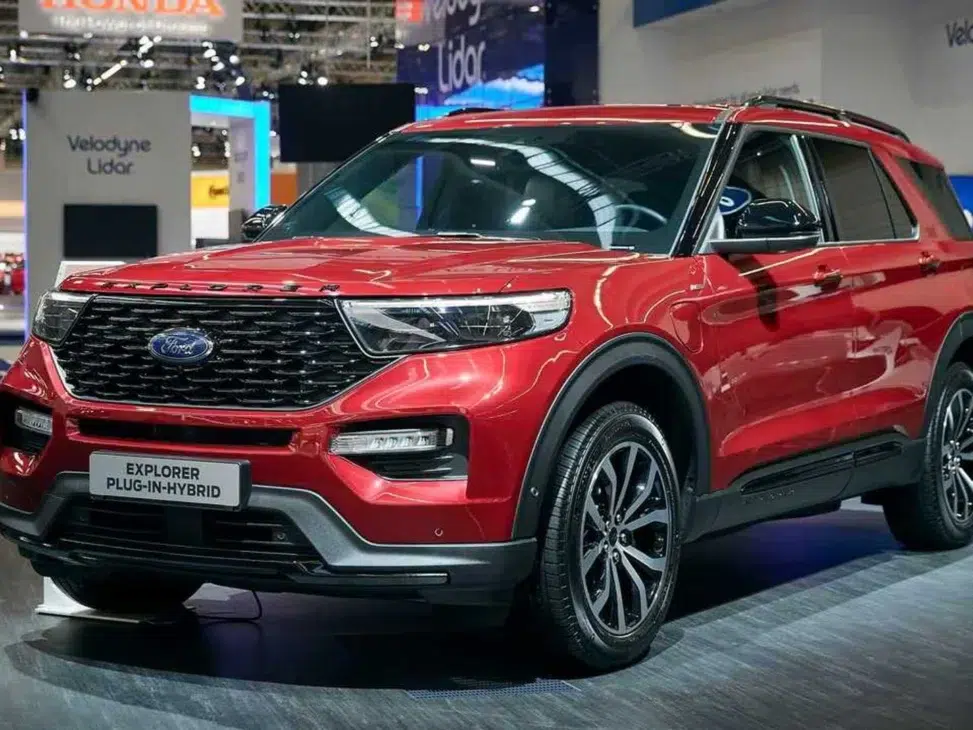
In light of these challenges, Ford decided to redirect its bets toward a safer and more balanced alternative: hybrid vehicles. This shift in focus seems to be a strategy to respond to the market more flexibly while preparing for a gradual transition to electrification.
Hybrids offer a combination of the best of both worlds: the energy efficiency of an electric motor, with the safety and practicality of an internal combustion engine. This reduces emissions and fuel consumption without relying entirely on charging stations, which are still scarce in many regions.
With this strategic move, Ford hopes to attract consumers looking for a middle ground between traditional and new, remaining competitive in an increasingly challenging market.
Restructuring And Cuts: Ford’s Plan To Ensure Profitability
In addition to shifting focus to hybrids, Ford is implementing a plan for restructuring and drastic cuts aimed at reducing costs and improving profitability.
The budget allocated to the electric vehicle division, for example, has been reduced from 40% to 30%. Factories that do not align with this new strategy are also being decommissioned or reassessed, representing an attempt to improve processes and optimize resources.
These adjustments are necessary to ensure the company remains competitive and can handle the financial pressure it faces while protecting its position in the global market.
The Big Bet On The Future: Battery Production
But Ford is not just cutting costs. The automaker is also investing heavily in the future, focusing on battery production. Batteries are essential for electric vehicles, being one of the most expensive and challenging parts of the technology.
By taking control of this production, Ford hopes to reduce its dependence on external suppliers and broaden its profit margins.
The construction of an exclusive battery plant in Michigan, set to start operating in 2025, is one of Ford’s boldest steps. The company expects this will place it in a strategic position to face competition and attract consumers looking for efficient and reliable vehicles.
Ford Is At Stake


The big question now is: is Ford distancing itself from a market that will still grow by betting on hybrids and restructuring its operations? Or is it making the right decisions to tackle an increasingly competitive and volatile electric vehicle market?
Ford’s new bet may be a safer path to ensure its survival, but the coming years will tell whether the company made the right choice.
The market is watching, and only time will reveal if this strategy will be sufficient to solidify the brand and keep it relevant in the future of electric mobility.






Seja o primeiro a reagir!