





 Portuguese
  English
  Spanish
  4 min of reading
  0 comments


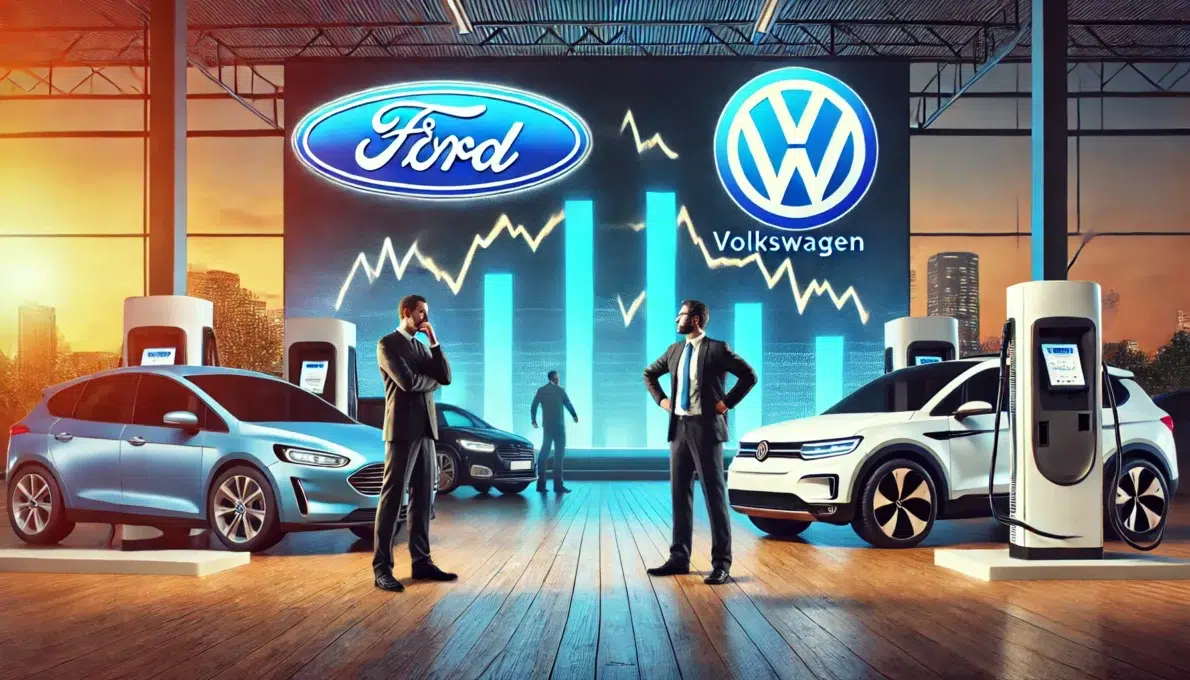
Ford And Volkswagen Face Huge Losses With Electric Cars; Extending The Lifespan Of Combustion Engines May Be The Solution.
Volkswagen is struggling against high production costs for electric cars and problems in the supply chain. Meanwhile, Ford is revising its strategy with smaller battery orders and focusing on more affordable models. You may wonder: are these difficulties real or exaggerated expectations from the global market? Buckle up and come with us!
Nowadays, two very large automakers have suffered for choosing such a large expansion of electrification, and both Volkswagen and Ford are dealing with the consequences.
Volkswagen And The Transition To Electric Vehicles
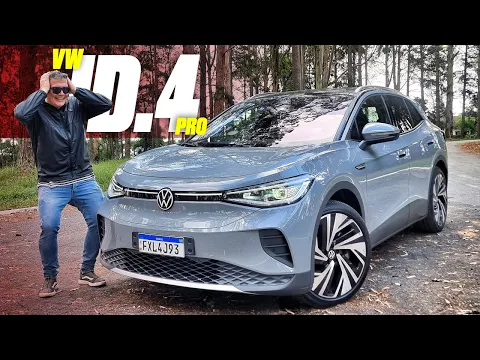

The Volkswagen, one of the largest automakers in the world, is facing significant challenges in its transition to electric vehicles. Despite the growing global interest in sustainable mobility and the company’s commitment to reducing its carbon emissions, Volkswagen has reported losses in its electric vehicle segment.
-
OMODA & JAECOO grows in Europe in 2026 with an integrated strategy of sales, innovation, local production, and technological advancement in the United Kingdom, Italy, and Spain.
-
OMODA & JAECOO expands after-sales service in Brazil with competitive maintenance, a 7-year warranty, and high availability of parts for technological SUVs.
-
OMODA & JAECOO appoints Alessandra Souza as executive marketing director in Brazil and accelerates brand expansion with a focus on innovation, networking, and hybrid portfolio.

-
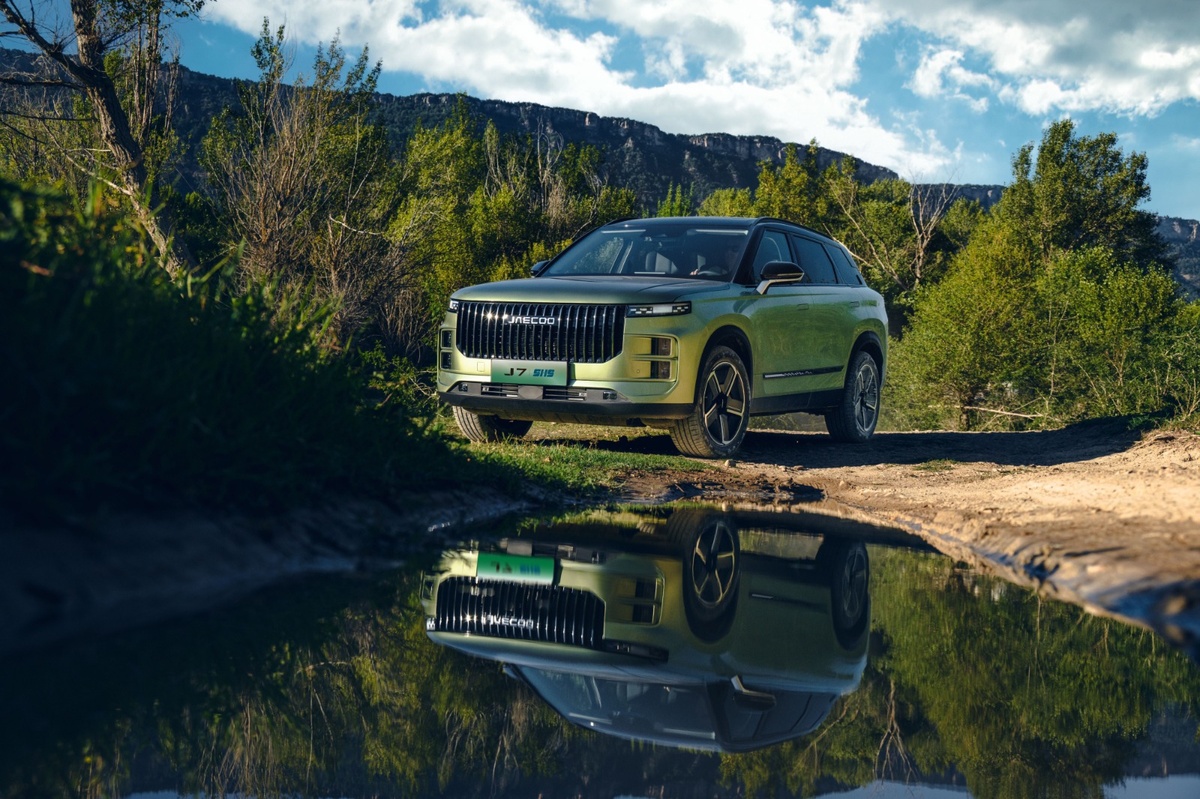
Jaecoo 7 with super hybrid SHS system exceeds 1,200 km of combined range with a 1.5 turbo engine, high-density battery, and intelligent energy management.

These challenges are the result of a complex combination of high production costs, heavy investments in development and infrastructure, intense competition, demand variability, and problems in the supply chain.
Understanding the reasons behind this loss is crucial to assess Volkswagen’s future in the electric vehicle market and the strategies necessary for it to overcome these obstacles.
Main Factors Behind Volkswagen’s Losses
High Production Costs
Producing electric vehicles, especially batteries, is still very expensive. Manufacturing lithium-ion batteries represents a significant portion of the costs, and the technology required to produce these vehicles is advanced and costly.
Volkswagen, like many other automakers, is heavily investing in the development of electric vehicle technologies, building battery factories, and expanding charging infrastructure. These initial investments are substantial and have not yet fully paid off.
Intense Competition
The electric car market is becoming increasingly competitive, with many new and old players investing in this technology. Companies like Tesla, which already have a strong presence and an established business model, or even BYD, which has recently made a significant entrance, represent significant competition.
Insufficient Government Incentives
Although there are government incentives for purchasing electric cars, in many cases they are not sufficient to fully offset the higher costs of these vehicles compared to traditional internal combustion models.
Demand Variability
The acceptance and demand for electric vehicles still vary significantly across different markets. In some places, the adoption of electric vehicles is slower than expected, affecting sales and consequently profits.
Supply Chain Issues
The global supply chain is still adjusting to the growing demand for electric vehicles. Problems in the supply chain, such as shortages of components and raw materials, can indeed increase costs and delay the production of such cars.
Ford’s Challenges With Electric Vehicles
The other automaker that has faced huge losses due to electric cars is the American Ford. The brand is facing a harsh reality that once seemed improbable.
According to sources at Bloomberg, Ford is reducing its battery orders to suppliers in response to increasing losses in its electric vehicles. This shift comes amid a slowdown in demand for electric cars and a significant drop in battery prices.
Ford’s Financial Losses
The American automaker is facing substantial financial shortfall due to the large investment made in electric vehicles.
Ford has lost more than $100,000, equivalent to 545,000 reais today for each electric vehicle sold in the first quarter, totaling more than double the losses from the previous year.
This massive impasse has led Ford to significantly scale back its electric vehicle strategy, especially in the United States, which was the market where the brand invested the most in recent years.
Ford’s Strategy Shift
All of this has led the automaker to change its strategy and even reduce its plans for upcoming electric cars globally. Ford had plans to introduce several models in the all-electric midrange segment, but now the automaker is focusing on cheaper vehicles, with prices around $25,000 to make them more accessible, competitive, and profitable.
One thing is clear, the issues plaguing Ford are not exclusive to the American brand. The demand for electric vehicles has not been as strong as anticipated, causing several automakers to be left with a backlog of ordered batteries that were not delivered by manufacturers. All of this has also led to a significant increase in the costs of essential metals for battery production.
Will Ford And Volkswagen Give Up On Electric Cars?
No! Investments in the electric car market from both automakers will continue. A large part of the public still has doubts about the efficiency, cost-effectiveness, and viability of electric cars. By better educating people, more trust can be generated and the acceptance of these vehicles can be accelerated.
It is worth noting the importance of strategic partnerships. Volkswagen might consider joining forces with other tech companies to develop innovative solutions and share costs and risks. Imagine enjoying a car that is not only sustainable but also highly technological and user-friendly.
Finally, continuous innovation is key. Staying ahead in the market requires a commitment to research and development. New materials for batteries, production techniques, and even recycling methods can make a monumental difference. When thinking about the future of mobility, continuous technological evolution could be the missing piece to ensure sustainable success.









Seja o primeiro a reagir!