





 Portuguese
  English
  Spanish
  3 min of reading
  0 comments


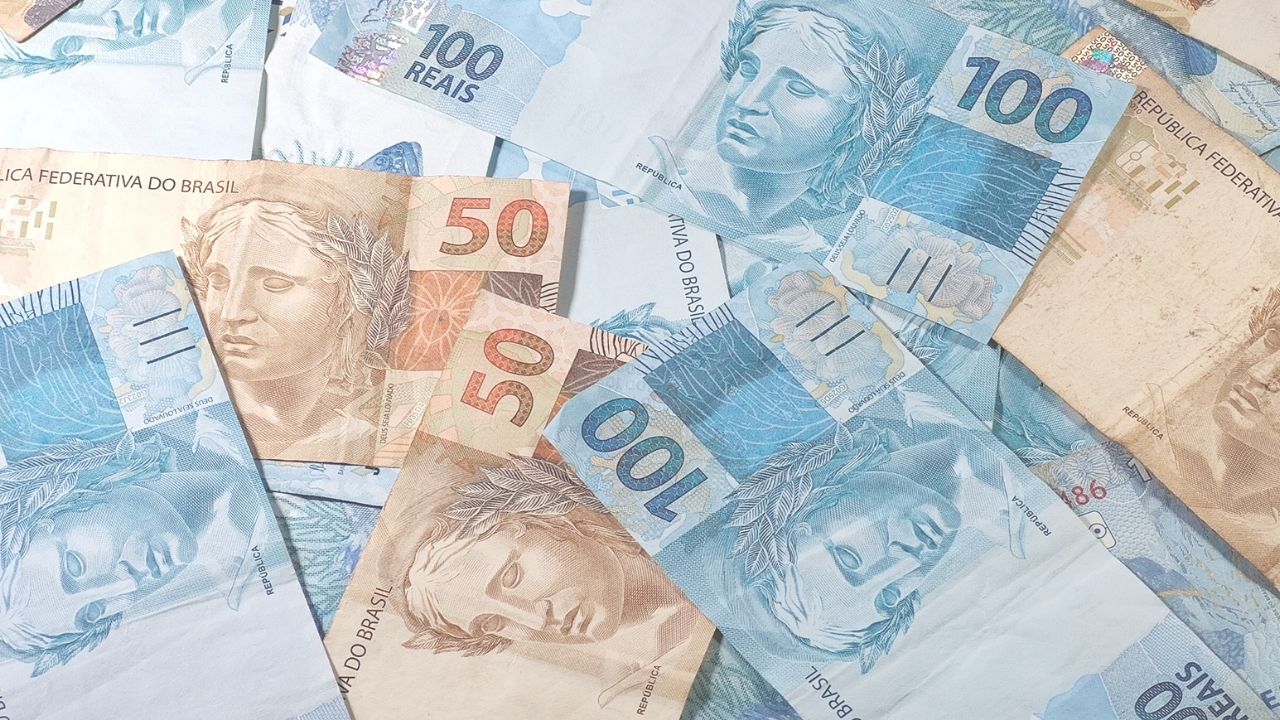
More Than 48 Million Brazilians Have Money Forgotten in Banks and Institutions, Totaling R$ 10.4 Billion, According to the BC.
More than 48 million Brazilians still have money forgotten in financial institutions, according to the Central Bank (BC). The survey, released this Tuesday (10/07/2025), indicates that the total amount exceeds R$ 10.4 billion.
The data is part of the System of Values to Receive (SVR), a platform created for individuals and companies to consult “forgotten” resources in banks, consortiums, and cooperatives.
The BC explains that R$ 8.08 billion belongs to individuals and R$ 2.37 billion to companies. The majority of the amounts — 64.4% — are small amounts, of up to R$ 10.
-
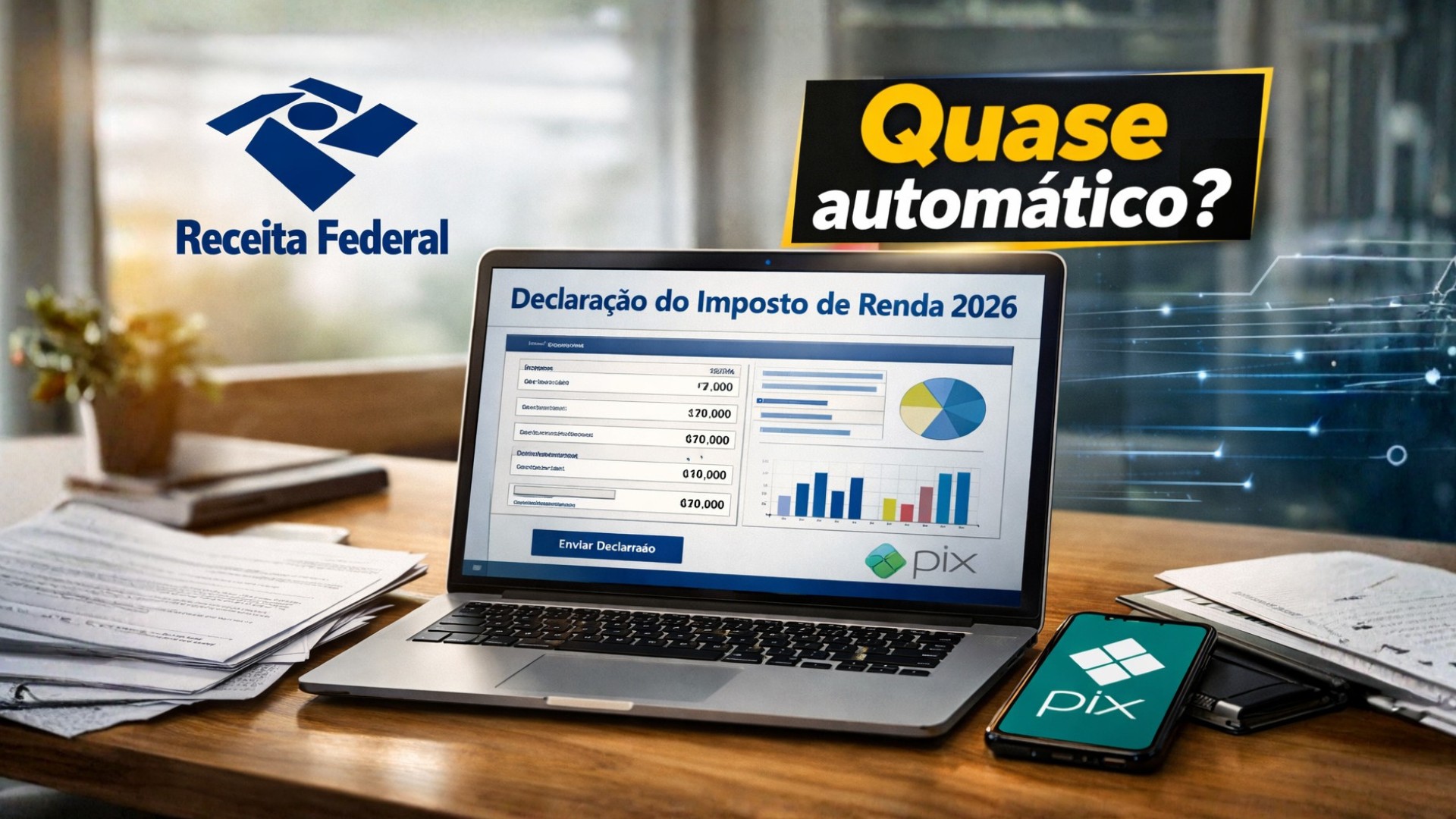
The Federal Revenue issues a good alert for Brazilian taxpayers: 60.9% are already using the pre-filled tax return, automatic refunds via Pix reach millions, and the government plans for a fully automated income tax in the coming years.
-
India announces a plan of $3.06 billion to bring aviation to forgotten regions: 100 new airports, $1.07 billion in subsidies, and regional routes guaranteed for 10 years, from 2026 to 2036, away from the centers.

-
Brazil blocked a proposal from the United States at the WTO that would make the exemption from tariffs on digital products like streaming and ebooks permanent, favoring American tech giants at the expense of developing countries.

-
IPTU exemption for seniors in 2026: see how to secure the benefit.


The amounts above R$ 1,000 represent only 1.8% of the total.
The concentration of these resources is also noteworthy: banks account for more than R$ 5.9 billion, while consortium administrators total almost R$ 3 billion, and cooperatives just over R$ 846 thousand.
System of Values to Receive (SVR): What Is It and How Does It Work
The SVR was launched by the Central Bank of Brazil in 2022 as a digital tool to facilitate citizens’ and companies’ access to forgotten funds in financial institutions.
With it, anyone can check if they have money stagnating in inactive accounts, wrongly charged fees, closed consortium quotas, or unclaimed amounts in credit cooperatives.
The process is completely free and can be done online.
In 2024, the BC added a new feature to the system: the automatic request for funds, which promises to expedite the receipt of the forgotten resources.
Pix and Automatic Refund: More Speed to Receive the Money
With the new functionality of the SVR, Pix has become the primary means of refunding forgotten money.
The BC explained that now, those with a Pix key linked to their CPF can enable automatic receipt — without needing to access the website frequently.
Thus, when there are available amounts, the deposit will be made directly into the citizen’s account, without the need for new requests or notifications.
However, this automation only applies to individuals. Companies still need to carry out the process manually, as well as cases where the amount comes from joint accounts or institutions that have not adhered to the Pix refund agreement.
Step by Step: How to Enable the Automatic Request of the SVR
To join the automatic refund of forgotten amounts in the SVR, you need to follow a few simple steps:
- Access the site gov.br;
- Log in with CPF and password;
- Consult the SVR providing CPF and date of birth;
- If there are available amounts, select the option to link via Pix;
- Enable the function for automatic receipt.
The BC emphasizes that joining is optional and requires a gov.br account with a silver or gold seal and two-step verification activated — security measures that ensure the authenticity and protection of data.
Small Amounts Dominate the System, but the Total Impresses
Although most Brazilians have low amounts to receive, the total sum draws attention.
According to the Central Bank, the total of R$ 10.4 billion continues to grow month by month, indicating that many citizens still do not know they have forgotten money.
The BC itself reinforces that even small amounts can be recovered and recommends that the population periodically access the system.
Moreover, the “forgotten” resources belong to the holders and do not expire, being redeemable at any time.
The Impact of the SVR and the Incentive to Financial Education in Brazil
Since it began operations, the SVR has played an important role in the financial education of Brazilians.
By facilitating access to information about old accounts and inactive funds, the system helps the citizen better understand their money movement.
On the other hand, Pix has consolidated itself as a fundamental tool in this process, offering speed, security, and convenience for millions of people.
With more than 48 million Brazilians with amounts to receive, the Central Bank reinforces the importance of regularly consulting the SVR and, when possible, activating automatic refunds to avoid leaving money stagnant.








Seja o primeiro a reagir!